Urgently needed: new materials, products and business models
The circular economy is gaining ground, but key levers are lacking
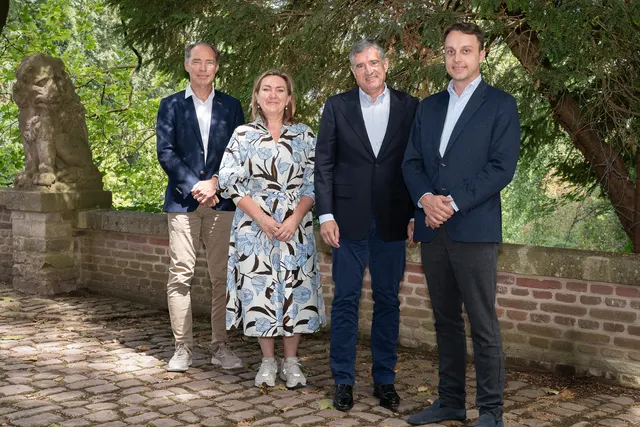
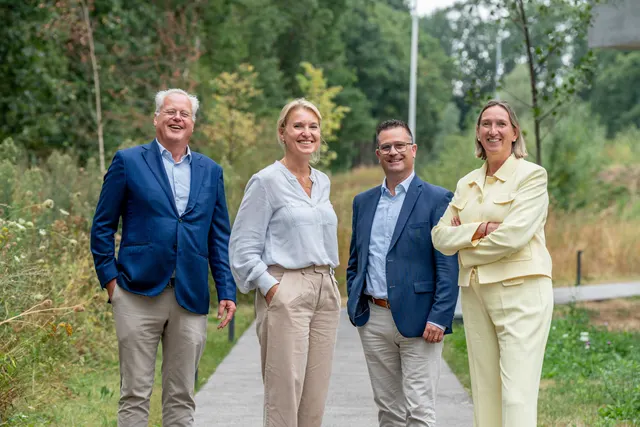
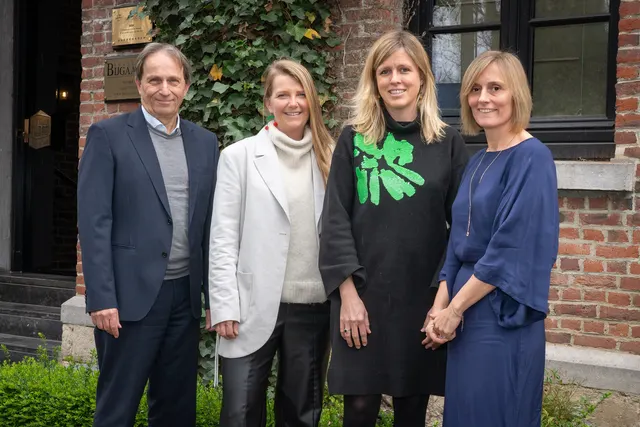
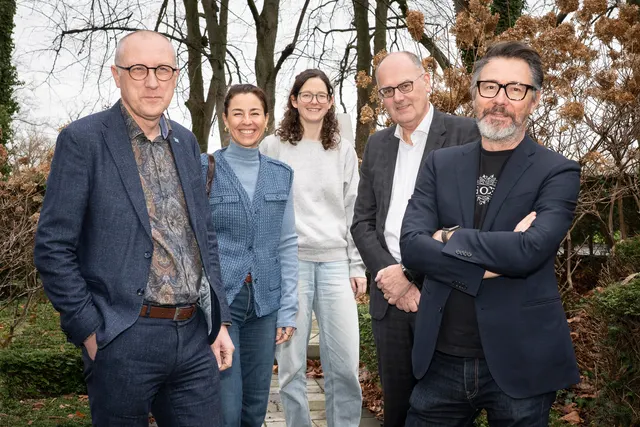
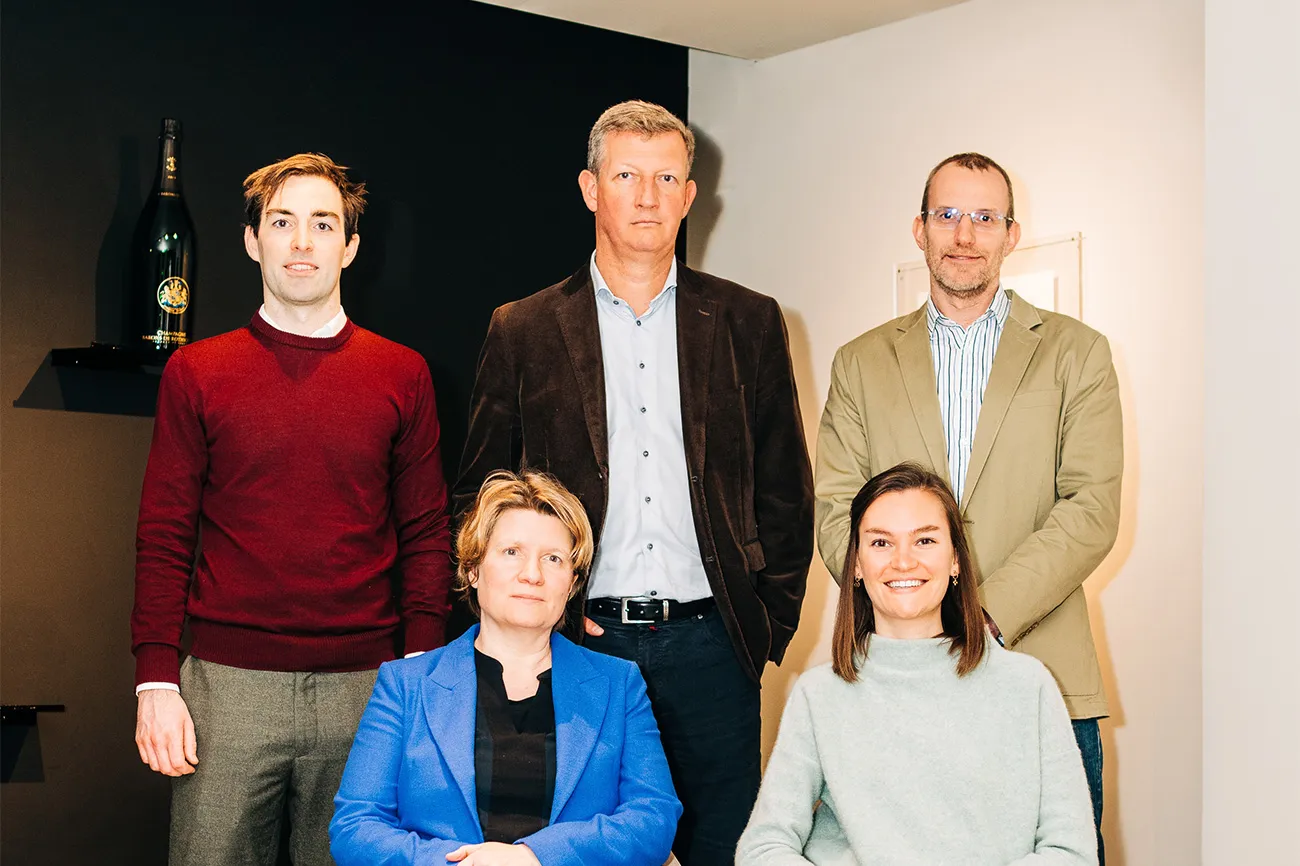
Many companies have embarked on the transition from a linear to a circular business model. But it is a process that requires time, considered innovation and major investment. How far have we come? And what breakthroughs are still needed? Business Vlaanderen brought five experts together to take stock: Aarnout Ecker (sector federation Denuo), Eric Dewaet (Recupel), Mieke Pieters (The Circular Hub), Wim Thielemans (KU Leuven & Circular Materials Center) and Justine Vanheede (Vanheede Environment Group).
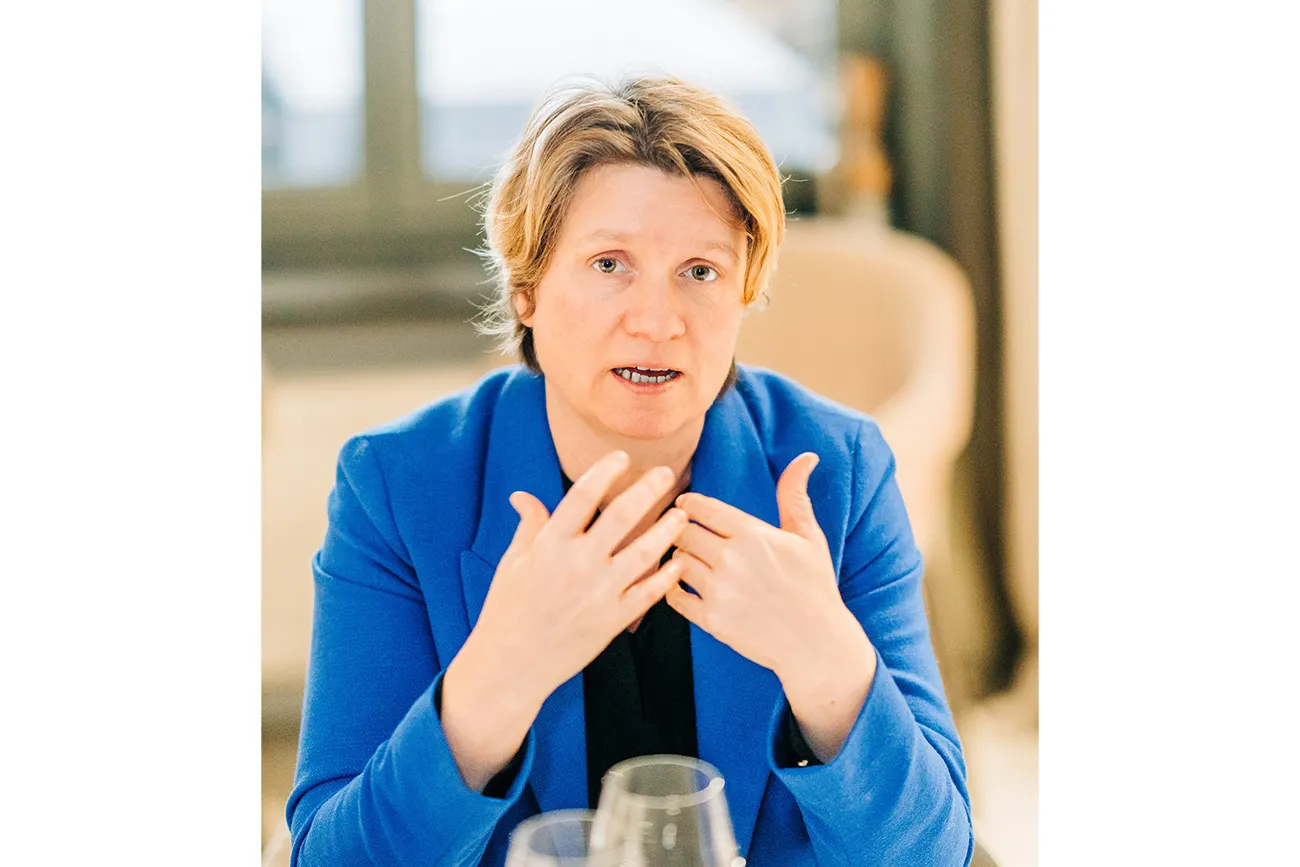
Vanheede Environment Group collects more than 1 million tonnes of waste across 2300 different streams every year. These are impressive figures for the family-owned business. Justine Vanheede: “We have been in business for 55 years and have evolved from a waste company into a materials company. We help businesses sort their residual materials at source, so that we can then process them into raw materials and energy, such as biomethane. Today, together with a whole range of partners, we can find a useful application for 95% of them. There is still no solution for 5% of the waste, asbestos being one example.”
Denuo, the Belgian federation of the waste and recycling sector, says all its members are actively contributing to a more sustainable economy. “The aim, of course, is to reuse or repurpose as much as possible as raw material,” says Aarnout Ecker. “But the drive for sustainability goes much further. Our companies are also looking at how they can improve their processes and make the entire chain, from transport to processing, more sustainable.”
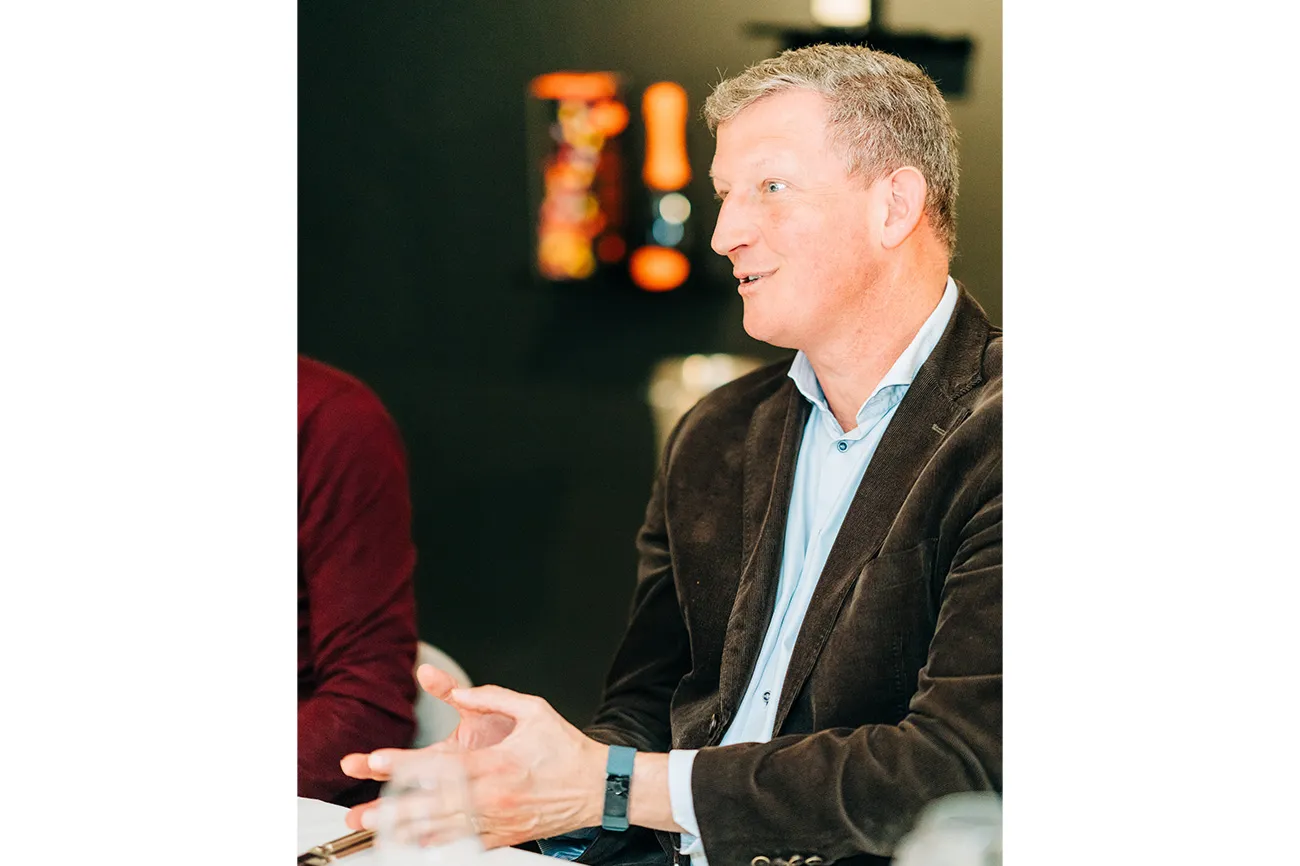
Recupel, which collects electrical appliances and lamps, saw a ‘Covid effect’ in its statistics, says CEO Eric Dewaet: “Many people took the opportunity to clear out and update their interiors during that period. Electrical appliances and lamps reach us through collection points, Denuo members and take-back schemes in shops. Where possible, we give electrical appliances a second life through Kringwinkels, for example. They select items that can be repaired and refurbished; the rest goes for materials recycling. The biggest challenge is the large amount of plastic in appliances, for which we need to find a new, high-value application.”
Wanted: different designs, different materials
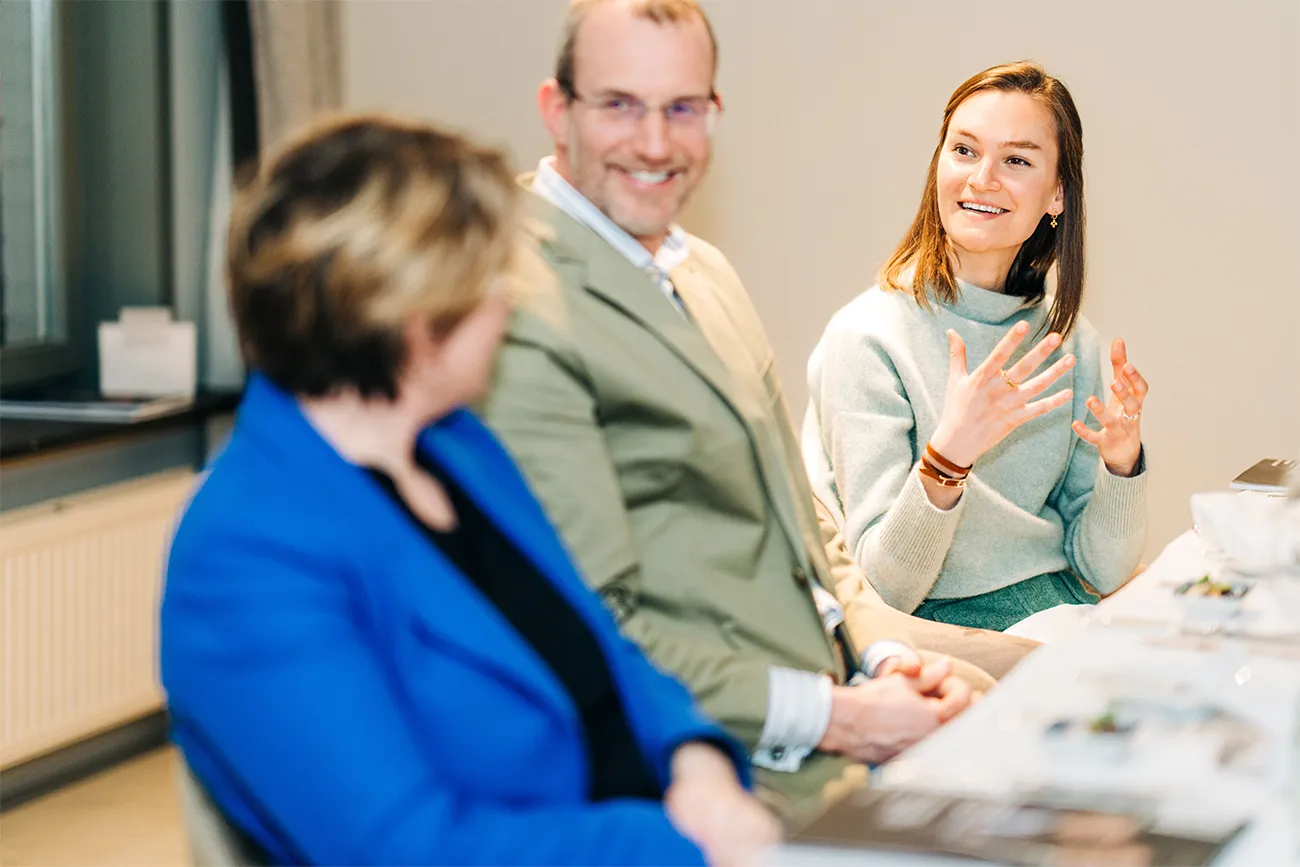
For Mieke Pieters of The Circular Hub, this shows just how important the shift to circular design is. “The circular economy too often remains stuck at the recycling stage. We need systems and products that can be reused indefinitely. But that means electrical appliances, homes, cars, clothing and packaging have to be designed differently. With a circular design strategy, products can be reused in their entirety, are easy to dismantle, and the materials used can be easily separated for reuse.”
We will therefore need different materials that last longer. That is why KU Leuven recently established the Circular Materials Center in Kortrijk with a number of partners (POM West Vlaanderen, Centexbel and PlastIQ), specifically targeting the plastics processing and textile industries. Researcher Wim Thielemans: “Our aim is to develop better materials that keep carbon in the system and avoid emissions. Every time you melt a polymer again, you lose properties and use energy. We really need to go back to basics. Nature can inspire the design and development of new materials and help us avoid additives. Consider how a single glucose molecule enables trees to grow, thickens soup or gives spiders an exoskeleton, with properties that change through different bonds between glucose molecules or small modifications... These are the kinds of materials we will need in the future.”
Regulation can help drive the shift towards new materials and reuse. “But we need to be careful not to make some circular applications impossible,” says Aarnout Ecker of Denuo. “Take PVC window profiles. The PVC in them can be reused seven or eight times without any loss of quality. But when we receive windows that are 30 years old, they may contain impurities or lead, for example. That PVC can be reused perfectly safely, because the lead is encapsulated in the material and has no negative effect on people or the environment. Yet European standards could make that application impossible.”
New business models
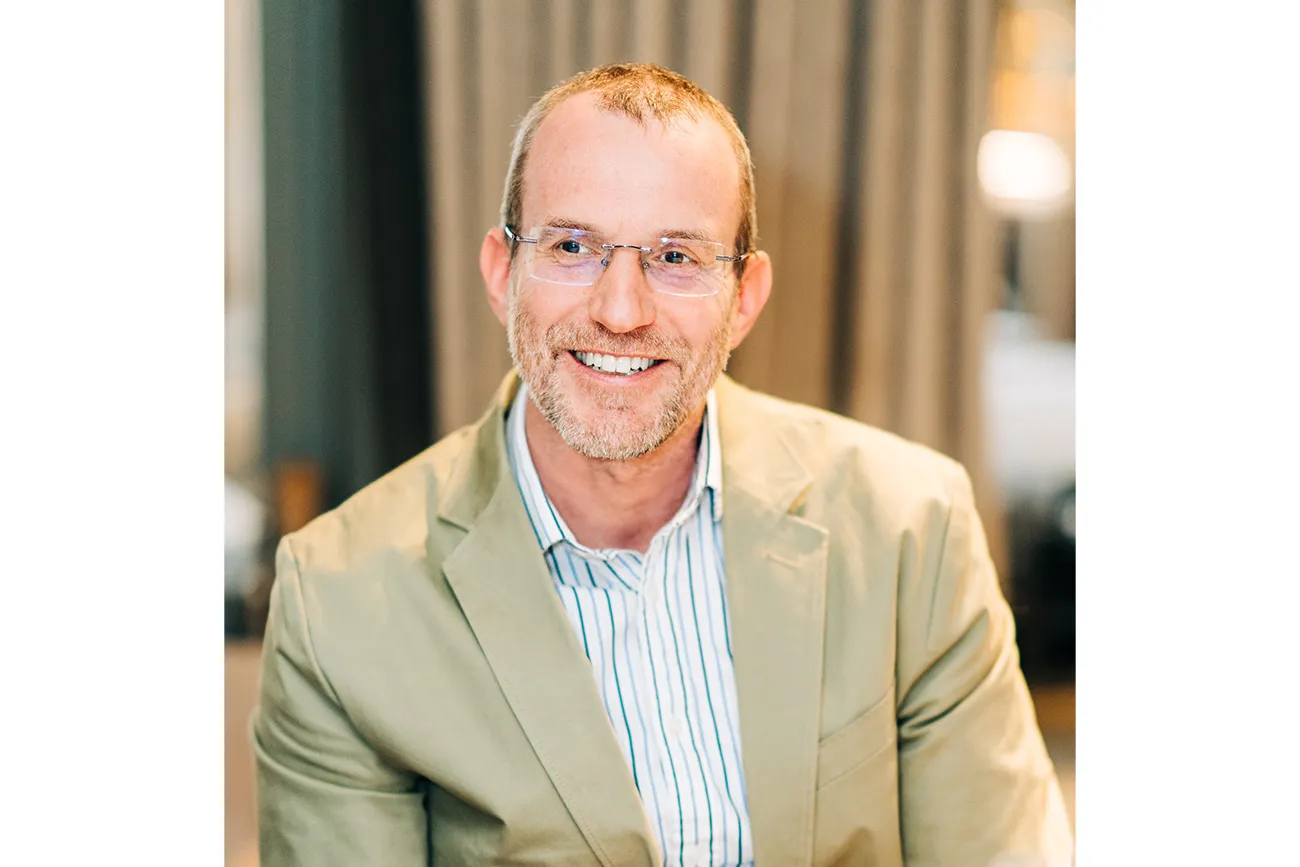
To accelerate the transition to a circular economy, The Circular Hub developed a kickstart programme that helps start-ups and other companies develop disruptive ideas. “The key to success is bringing lots of partners together for co-creation. The challenges are huge,” says Mieke Pieters. “We also help large companies experiment with circular product lines alongside linear production. In a way, they are also becoming start-ups at that point. SMEs are the hardest target group. They feel less of a sense of urgency, or they think only about recycling.”
Justine Vanheede recently took part in The Circular Kickstart: “We already have a lot of expertise and knowledge about materials in-house. Our group also has its own recycling businesses to process certain materials. But the more we recycle, the more complex the different waste streams become. Surely we can’t ask every customer to set up a mini recycling centre to separate even more materials? That is why I find it interesting to take part in sessions like these and get inspiration.”
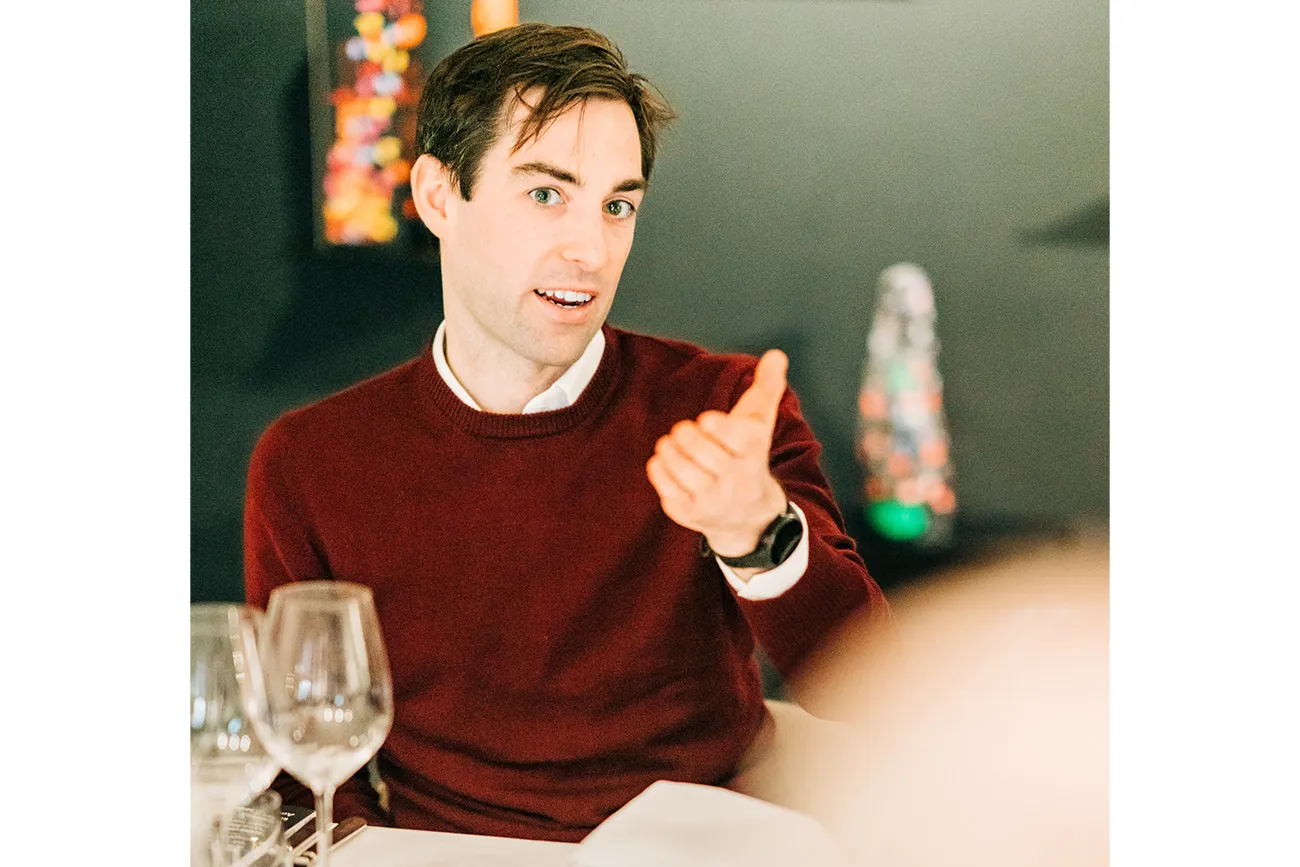
One circular model that is already gaining ground is the ‘as a service’ business model. “More and more companies are no longer buying equipment, but paying a rental fee or a charge for a service. We are already seeing this widely in lighting: a supplier guarantees the quality of the light and develops luminaires in which the lamp can be replaced, new components can be added, and which can later be refurbished and reused. This will probably spread to the consumer market in time,” says Eric Dewaet of Recupel. “Of course, this will affect our business and organisation. But such a transition takes decades. To put that in perspective, we still receive CRT televisions...”
Paying for environmental value
One of the challenges ahead is to give environmental benefits economic value too. Wim Thielemans: “If we can make high-quality materials from bio-based feedstocks, that will be a major step forward. Or if we can manage to separate complex textile blends containing elastane, polyester, polyamide and cellulose for recycling. But people also have to be willing to pay for that, because it will probably cost more than virgin material.”
Mieke Pieters sees a solution in public procurement. “20% of our economy consists of purchases by public authorities, hospitals, schools and so on. If they take responsibility and buy more circular products and solutions, that could provide a huge boost. Businesses can also set a good example through sustainable procurement. These really are levers that can open up the market.”
Question about this story? Ask your question
Companies in this story
Keep following this
Get an email when a new story is published. No account needed.
- ThemeEnergy security and the circular economy
- SubjectRoundtable
- CompanyVanheede Environment Group