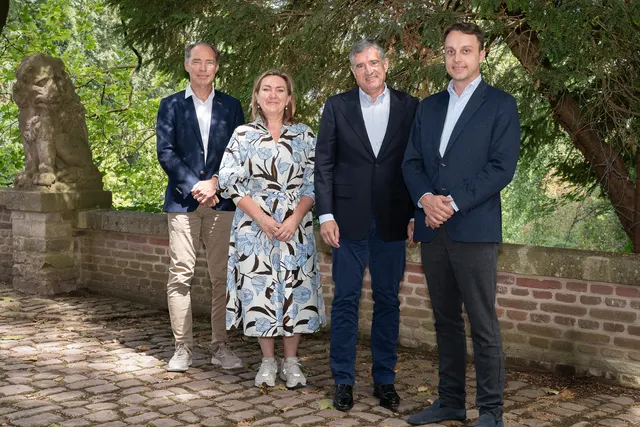
Vincent Goemaere and Lode Peeters on life as an entrepreneur after selling their business
Text Björn CrulImage Boris Vermeersch
“It’s a grieving process that is often underestimated”
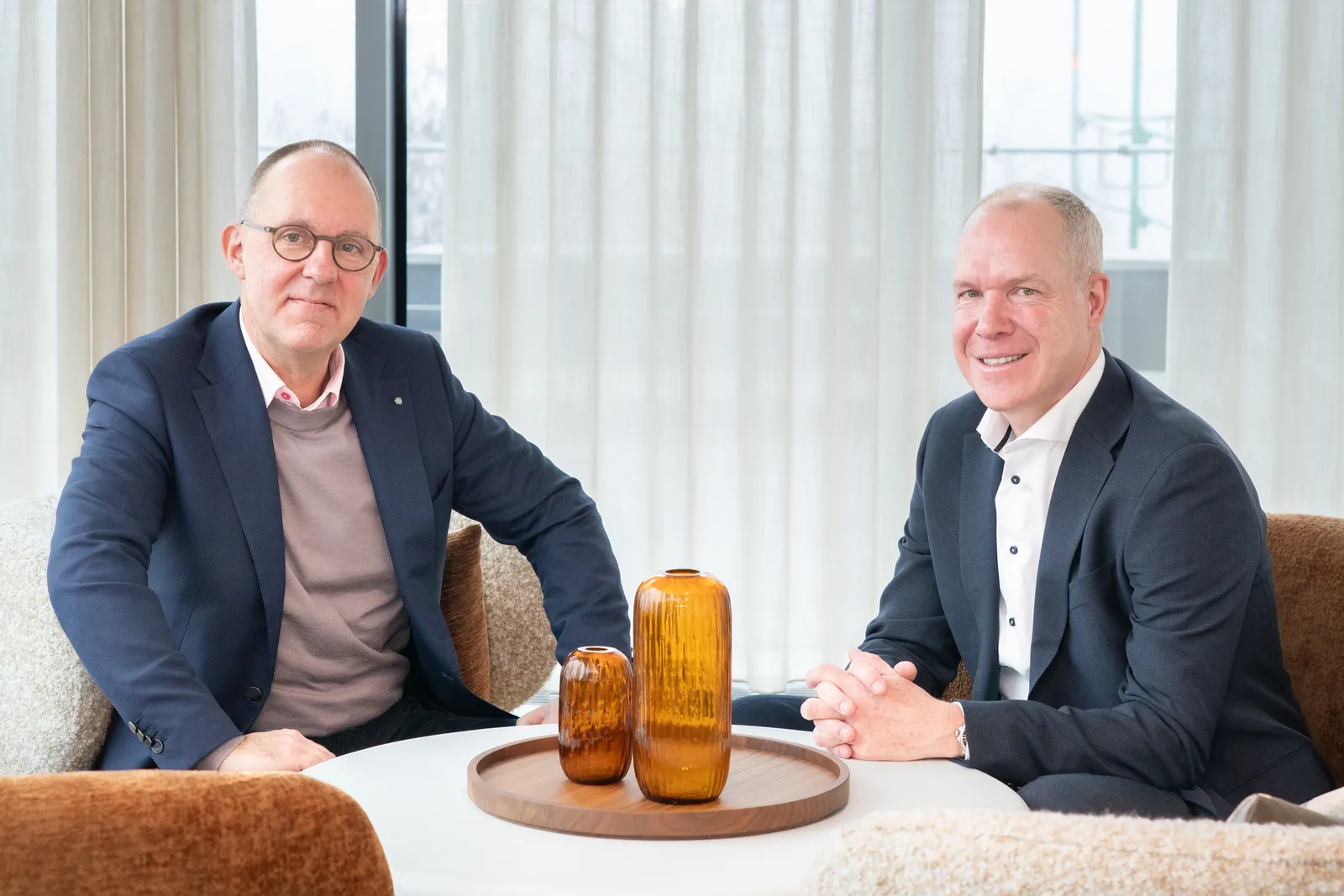
“Once an entrepreneur, always an entrepreneur”, as the saying goes. But what do you do after selling a successful business? Opt for a quieter life in an idyllic location, or write a new chapter? Saying goodbye to the work of your life takes a greater psychological toll than you might expect. That is what we hear from Lode Peeters, who sold his IT services company Tobania to the Sopra Steria group, and Vincent Goemaere, who recently said goodbye to Stardekk, a SaaS company serving the accommodation sector that merged with fellow industry player Lighthouse.
You both built your businesses from scratch. What was the original idea behind setting them up?
Vincent Goemaere: My story began in 1998, when I started developing internet applications as a self-employed professional alongside my main job. It was the early days of the internet. Through an acquaintance in the medical sector, I heard there was a need for an online platform for doctors. But we were a little too early: the pharmaceutical industry was ready for it, but many doctors did not yet have a computer. However, the foundations of that software proved applicable to another sector. Through friends in the Bruges hotel industry, I discovered that they were looking for a way to attract online bookings and process them efficiently. No such solution existed for small, independent hotels. That product grew into Stardekk, a SaaS platform avant la lettre that processes bookings regardless of the channel they come through. We had more than 3,500 customers and around 70 employees when the merger with Lighthouse took place.
Lode Peeters: I worked in commercial roles in the ICT sector and eventually ended up at Capgemini. The experience I gained there in IT project consultancy convinced me that there was a better way. So I set up my own company, TOBIUS. The idea was to build IT services tailored to each customer and guarantee the quality of the end result. It was an immediate success: after a year, we already had 80 employees. The financial crisis in 2008 caused a dip, but after that we continued to grow steadily to around 300 IT consultants. In 2025, I happened to cross paths with Saga Consultancy groep. The integration led to the creation of the Tobania brand. One of the keys to our success was our focus on technology and our choice of high-value niches. At one point, for example, we were the market leader in test automation, which enabled us to reshore testing work from India to Belgium. When Tobania was acquired by Sopra Steria, it had around 1,200 employees and generated revenue of 110 million euros.
Looking back at what you achieved with Tobania and Stardekk, what gives you the greatest satisfaction?
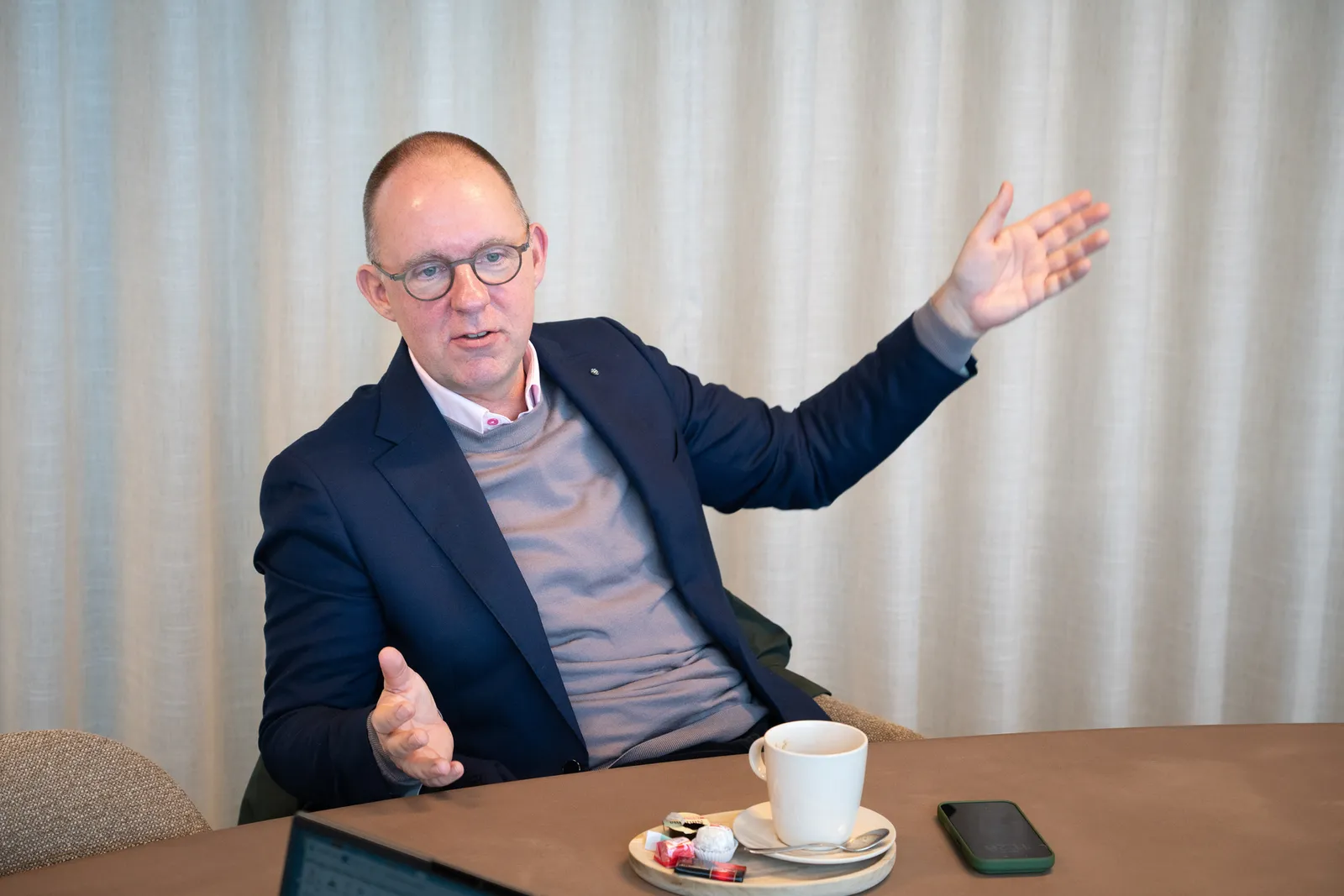
Lode Peeters: That we built an authentic Belgian company that always put the customer first. As a result, I still have good relationships with the CEOs of several of our customers. In 2021, we were named a national Trends Gazelle. That confirmed that we had built a successful, sustainable growth company. You can only achieve that by looking after your employees too. We therefore drew up many business plans with employees in mind: we called it employee intimacy, just as you have customer centricity. The question was always: how can we help them grow within the organisation? This kind of focus keeps people loyal, and that always pays off.
Vincent Goemaere: For me, the greatest satisfaction comes from the impact we have made on the hotel market. I remember small hotels in the early days tracking room occupancy with a board and Lego bricks, or on a long roll of paper … We really helped those ‘indie’ hotels with their digitalisation, and with connecting to major platforms such as Booking and Expedia. I’m proud that the company and the team I helped build can now continue to grow in a broader, international context. When I left at the end of December, I received so many messages from customers, employees and partners. That means a lot.
What prompted you to sell the business?
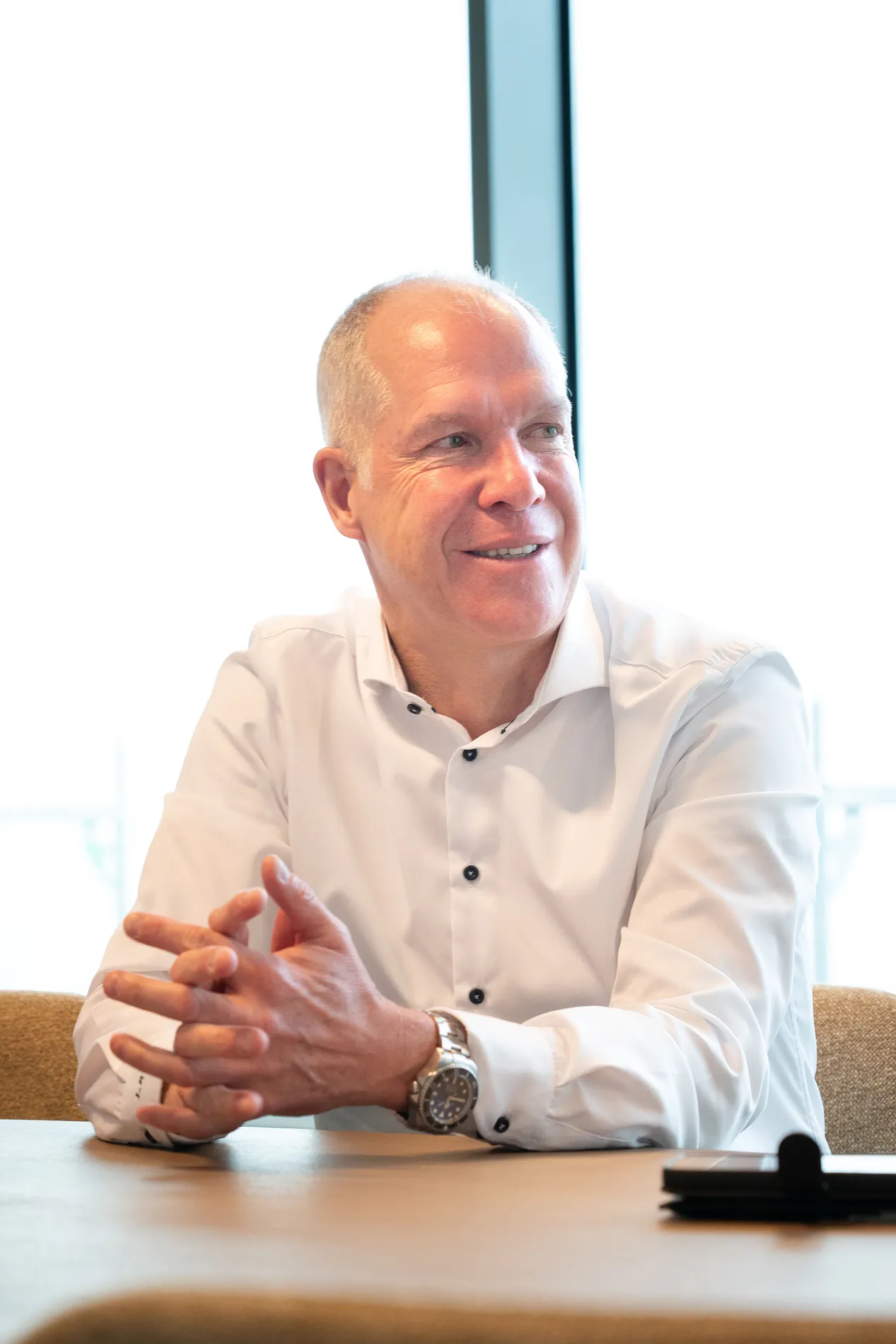
Vincent Goemaere: We wanted to keep innovating, but at a certain point I realised that the scale and complexity of the business called for a different type of organisation and additional capital. When I started talking to the CEO of Lighthouse, it felt right. There was value to be gained for both companies: we had reached a point where more automation was needed and data reports had to be backed up with actions. It quickly became clear that we needed to combine our applications to create a smart, intuitive tool. That was the sign that Stardekk should continue to grow as part of a larger group. Looking back, it was also the right time. When I see the pace of AI developments now, I realise how crucial the timing was.
Lode Peeters: In my case, it was because my partner in Tobania was turning 70 and wanted to retire. He asked me to find a solution. I looked at several options, such as bringing in a new shareholder or taking full ownership of the company myself. But each option carried risks for me as a shareholder. So in the end, we opted for an exit by the shareholders. We found a complementary partner in Sopra Steria, which shared our values and standards. Sopra Steria had other plans, so after around ten months as co-CEO, I stepped down.
How difficult is it to say goodbye to the work of your life?
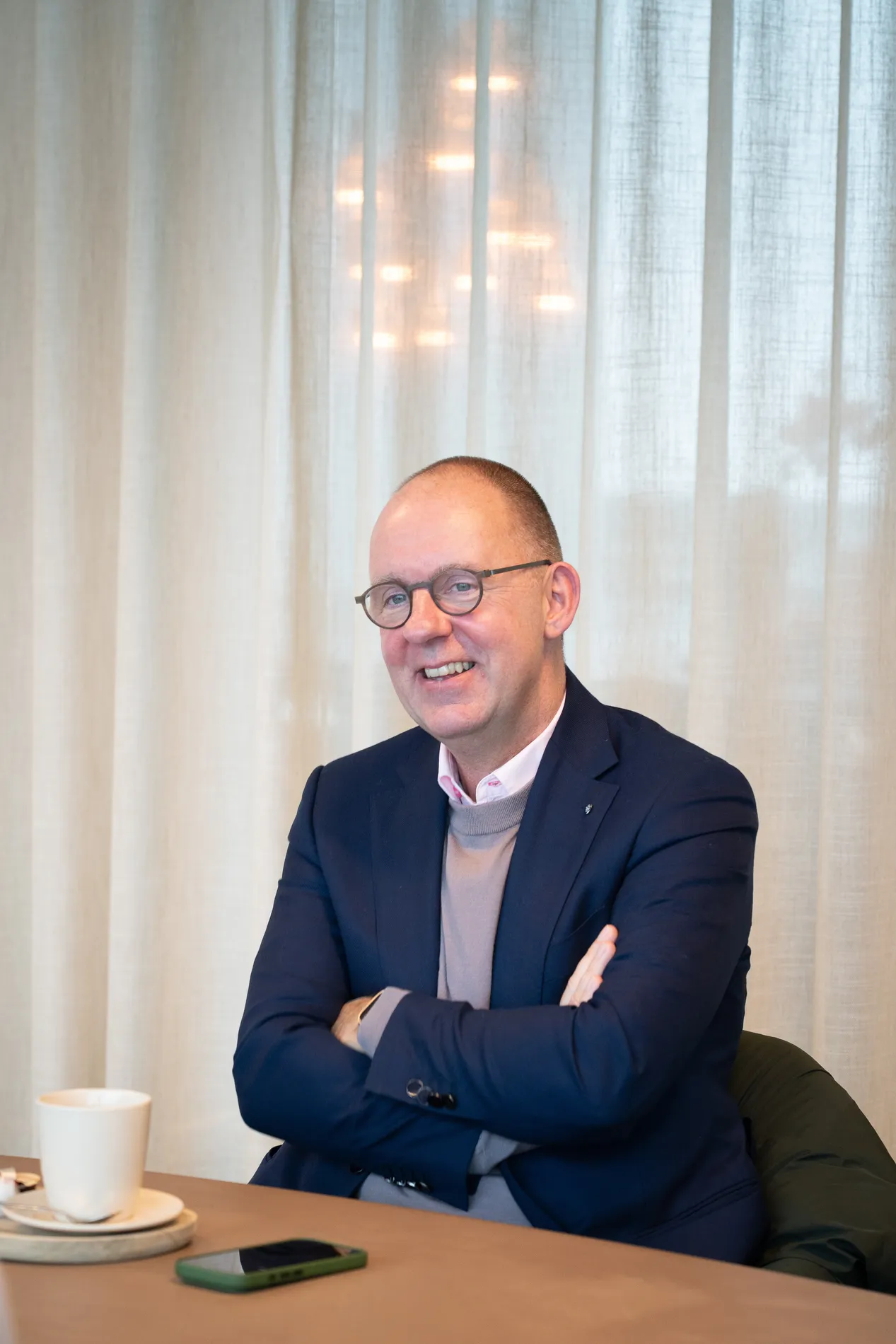
Lode Peeters: I found it very difficult emotionally, even though they had arranged a lovely last day at work for me. After all, it’s like leaving your child behind. A year later, I held a private farewell party for all the colleagues I had worked with. Only then could I really close that chapter. I don’t think saying goodbye to a company you founded is ever easy. It is very often underestimated. I was fortunate to be chairman of technology federation Agoria at the time, so I could keep busy. Sitting still would not suit me. I also decided to remain professionally active, including as an investor and board member in various companies, and even as an entrepreneur again.
Vincent Goemaere: My departure is still very recent. Over the past two years, I worked intensively as Senior Vice President at Lighthouse on the integration and preparations for the future. It was a two-year mandate, but I had not actively prepared to leave at the end of it. That only really sank in during the last month. As Lode says, it is a grieving process you have to go through. I had a lovely send-off with the team in Bruges, but I feel I still need time to get used to the new situation. Even the fact that my phone is much quieter than before feels strange. I have had a few offers in the meantime, but I need to catch my breath first.
What are your ambitions as entrepreneurs today, in this new phase? What do you want to achieve now?
Lode Peeters: I’m now mainly active as a mentor to entrepreneurs. Through my holding company Ovolo, I invest directly and indirectly in technology-related startups and scale-ups. I want to give something back, because of all the opportunities I have had in this society. New, healthy businesses, greater use of technology and good entrepreneurs are essential to our prosperity. For example, in Brussels I’m co-founder of GolfboXL, an indoor golf centre equipped with state-of-the-art technology. We not only employ people here, we also make golf accessible to a wider audience.
Vincent Goemaere: Moving from CEO to a role within Lighthouse’s management was already a big change. I see my future in roles where I can guide growing businesses on strategy and governance, and bring my experience to projects involving internationalisation, scaling up and culture. It will broaden my entrepreneurial activities. Football also remains an important commitment.
Finally, these are difficult economic times. How do you view them as experienced entrepreneurs?
Lode Peeters: We are gradually reaching the limits of our economic fabric. Can we still turn things around? As chairman of Agoria and a board member of VBO, I see that a lot needs to change at policy level.
Many laws and additional rules are unproductive. That applies not only to the EU, but also to our own country. Many civil servants live in a different reality and do not sufficiently understand that we need to work together. I recently visited China with Agoria, and the country continues to evolve so quickly and dynamically … It’s high time we drew up a new charter setting out where we want to be in 10 years, economically and socially. With that kind of vision, we need to set clear objectives, develop a strategy and simply get on with it. At the moment, policy too often shoots off in every direction.
Vincent Goemaere: What is happening in geopolitics right now is a moment of opportunity. At the very least, Europe has opened its eyes and there is a will to face the challenge with greater unity. As an optimist, I see an opportunity in that. Technology can help support and improve the efficiency of many things. We need to make full use of it. And hopefully policymakers will come on board too.
Question about this story? Ask your question
Keep following this
Get an email when a new story is published. No account needed.
- SubjectRoundtable