




How can we accelerate the energy transition? Three experts give their views
Text Björn CrulImage Wim De Wulf
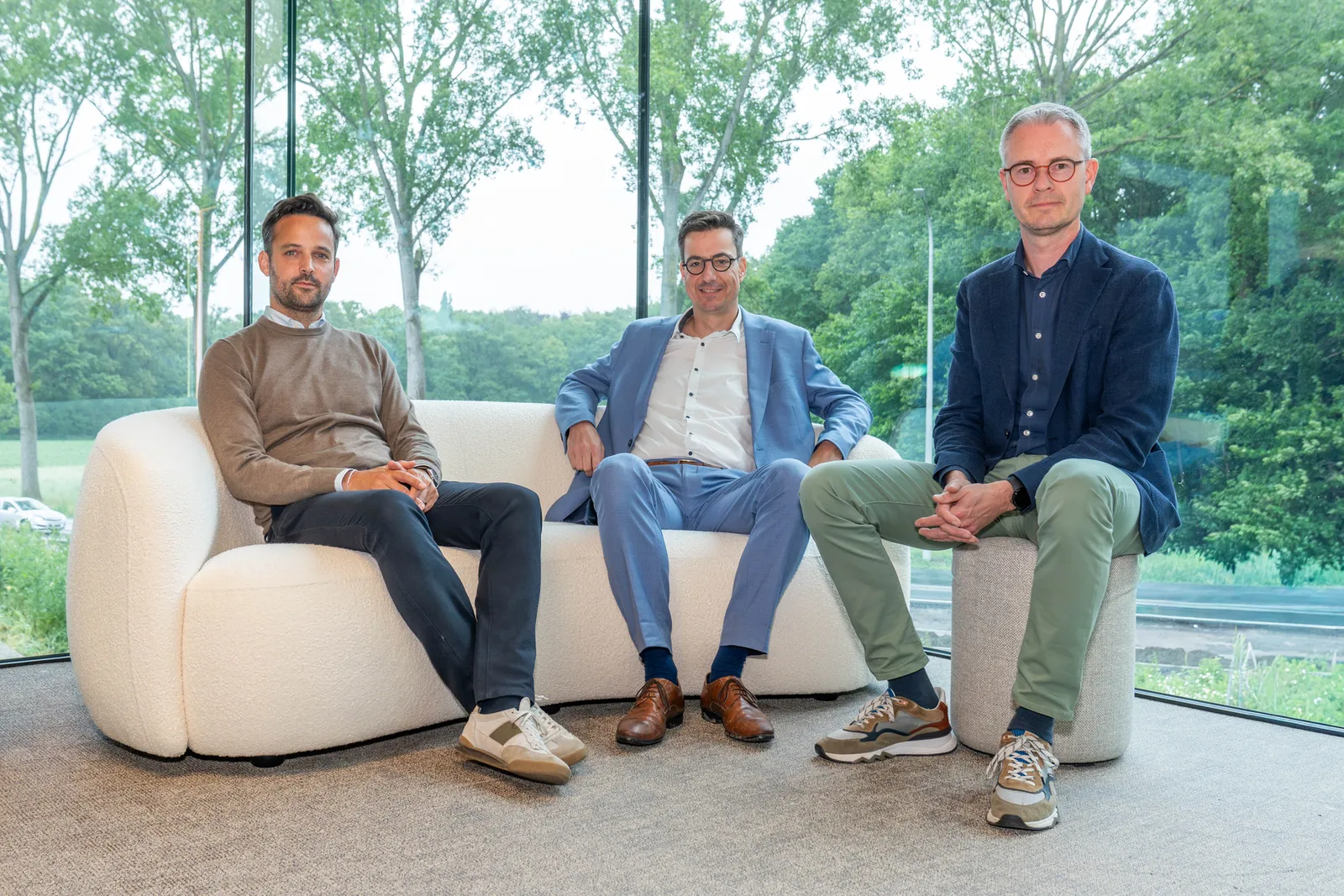
Geopolitical conflicts, particularly the recent war in the Middle East, are affecting our energy supply and energy prices. Rising fossil fuel prices have heightened awareness that the energy transition, which focuses on electrification and greater use of renewable energy sources, needs to be accelerated. Where do we stand today, and what is needed to make our energy system future-proof? We put these questions to a panel of experts: Frederik Hindryckx (VEB), Matthias Masschelin (Bnewable Belgium) and Pieter Lodewijks (VITO Energyville).
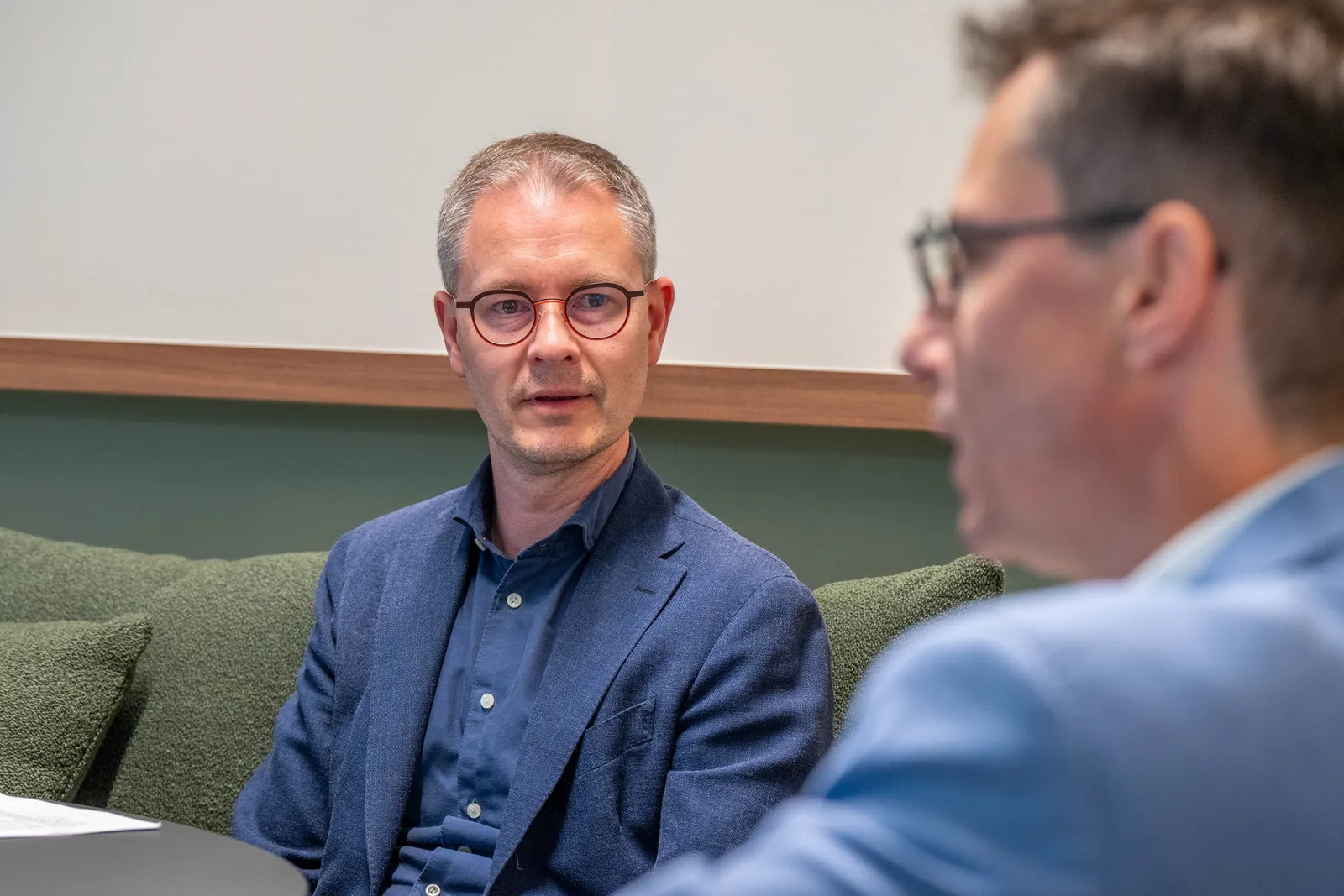
Russia’s invasion of Ukraine triggered an energy crisis four years ago, making it clear that energy is also a strategic resource. That is precisely why governments intervened on a massive scale. Pieter Lodewijks, researcher at VITO Energyville: “Energy is woven into industrial policy, social policy and security policy. Gas prices suddenly rose to more than 300 euros per megawatt hour, which also affected electricity prices. To keep the situation under control, subsidies were introduced to make energy supplies affordable. Between September 2021 and January 2023, this amounted to no less than 9.4 billion euros in Belgium.”
The energy transition, however, means moving away from fossil fuels and making maximum use of renewable energy. Subsidising fossil energy is therefore counterproductive. “I think that was an important lesson from the 2022 energy crisis: we need to use public funds more intelligently,” says Lodewijks. “Of course, vulnerable households need support, but it needs to be provided in the most productive way. For example, support for investments that make homes more energy-efficient. That delivers long-term benefits.”
A complex exercise
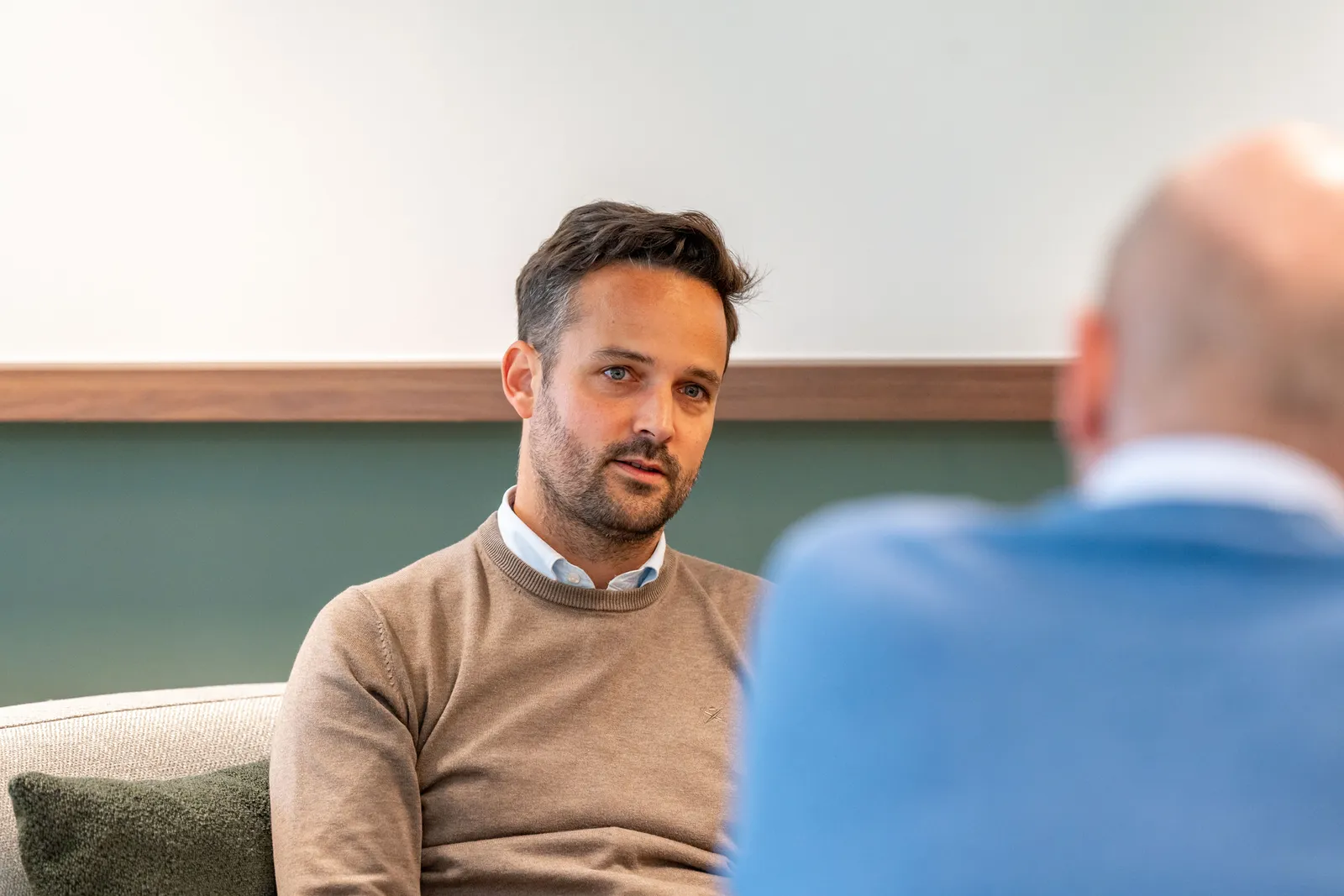
The second energy shock in just 5 years has clearly opened the eyes of many businesses. For industry, which had already been complaining about high energy costs in Europe, the latest spike could not have come at a worse time. “Many businesses are looking for ways to get their energy bills under better control and make costs more predictable. They are considering the various options, but they can no longer see the wood for the trees,” says Matthias Masschelin. He is general manager of Bnewable Belgium, which helps businesses tackle energy management and battery storage challenges. “Finding a sound business case and making investments pay off means striking the right balance between PV panels, storage, flexibility and smart controls. It is a very complex exercise.”
Public authorities, schools and care institutions that use the Flemish energy company VEB for their energy services have responded more calmly this time, says CEO Frederik Hindryckx. “When the conflict in Ukraine broke out, measures to limit energy consumption were introduced very quickly. But as the situation stabilised, attention to the issue also began to fade. The situation in Iran has put the energy transition firmly back on the agenda. We are once again receiving more questions about what our customers can do to make their energy supply more sustainable and reduce their bills.”
In any case, it is clear that the energy transition needs to be accelerated. Network operators Elia and Fluvius are investing heavily in their grids, but that alone is not enough. Businesses and consumers alike will have to change their behaviour and organise their consumption more in line with the energy available. “Changes to tariff structures are needed,” says Pieter Lodewijks. “We can see that tariffs are no longer based solely on consumption, but increasingly take account of the actual capacity required. We will need to go further in this direction, creating incentives to make better use of the grid in line with available capacity.”
Matthias Masschelin also sees a need to amend the regulations governing tariffs: “Investing in a battery can help address the challenges facing the energy system. But what do we see today? When businesses invest in a battery and use flexibility to help absorb electricity when demand is too low, or feed electricity into the grid when there is a shortage, they pay double levies. The tariff structure is therefore completely unsuited to this: if your battery causes a peak in your consumption, you have to pay, even though at that moment you are supporting the grid and helping to relieve congestion.”
Investing for the long term
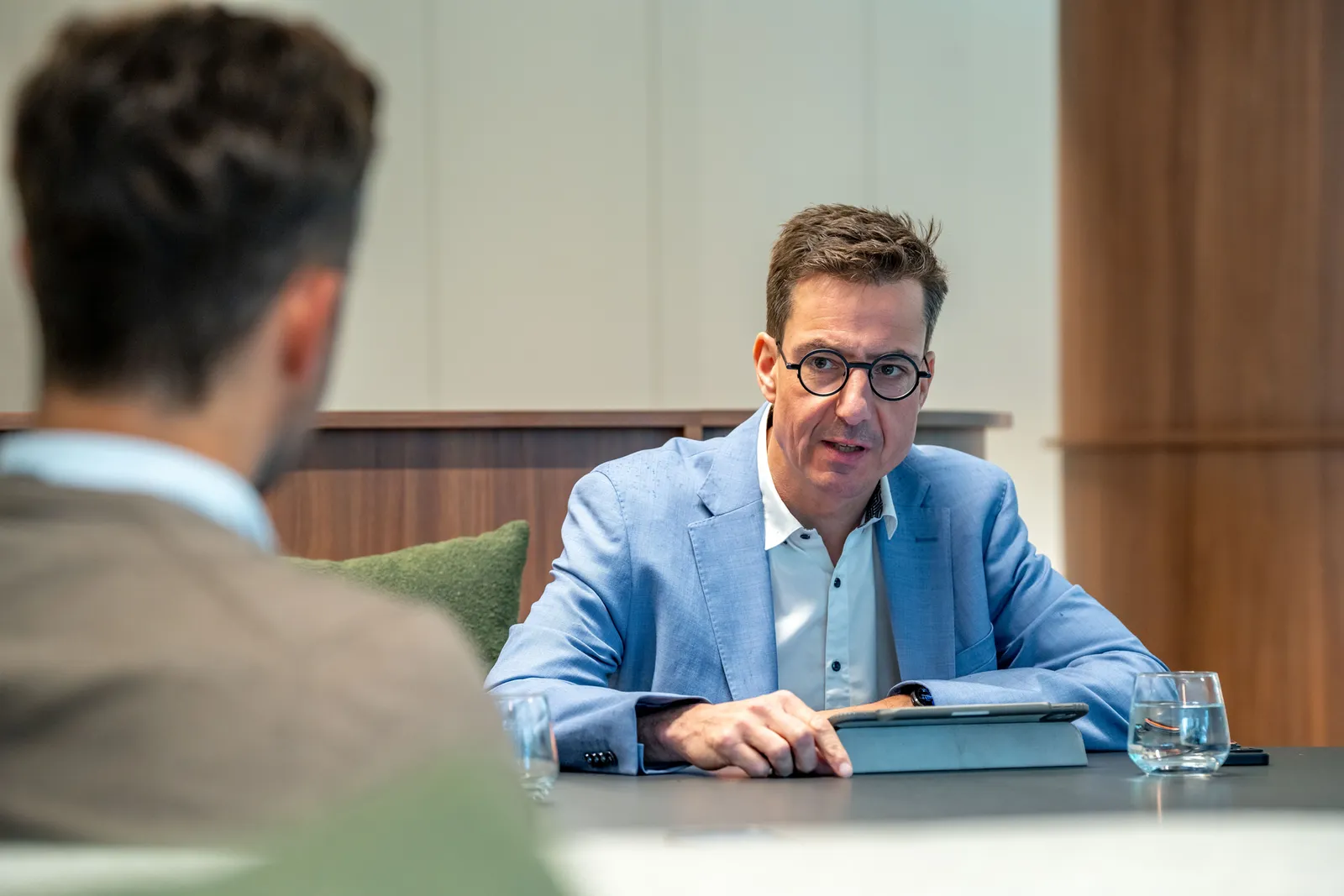
For public authorities, schools and care institutions, another factor is holding things back: budget pressures often lead to cuts in investment. Frederik Hindryckx: “Renovations with relatively short payback periods are still popular. Think of solar panels or relighting, for example. But that is not true of every investment that contributes to the energy transition. Improving the building envelope, an essential step towards a sustainable building in the long term, does not immediately pay for itself through lower energy bills. But these fundamental improvements to the building stock are necessary if we are to achieve the transition.”
Meanwhile, the development of various new technologies and energy carriers continues: hydrogen, carbon capture and reuse, new forms of nuclear energy, e-fuels … This raises the question of where the energy system still has the greatest potential for gains. “There is no single miracle solution. We will have to combine different technologies intelligently to achieve our goal,” stresses Pieter Lodewijks of VITO Energyville. “Electrification and flexibility remain paramount. But if we want to reduce industrial emissions quickly, carbon capture and storage will be essential. That in itself will require new investment. New molecules such as hydrogen also offer promise, but probably mainly as feedstock for certain chemical production processes.”
“I see great potential for industry in heat pumps and e-boilers,” adds Matthias Masschelin of Bnewable. “We are seeing demand begin to emerge for a product such as Heat-as-a-Service. Businesses can then buy heat from a service provider that creates value by managing heat generation flexibly.”
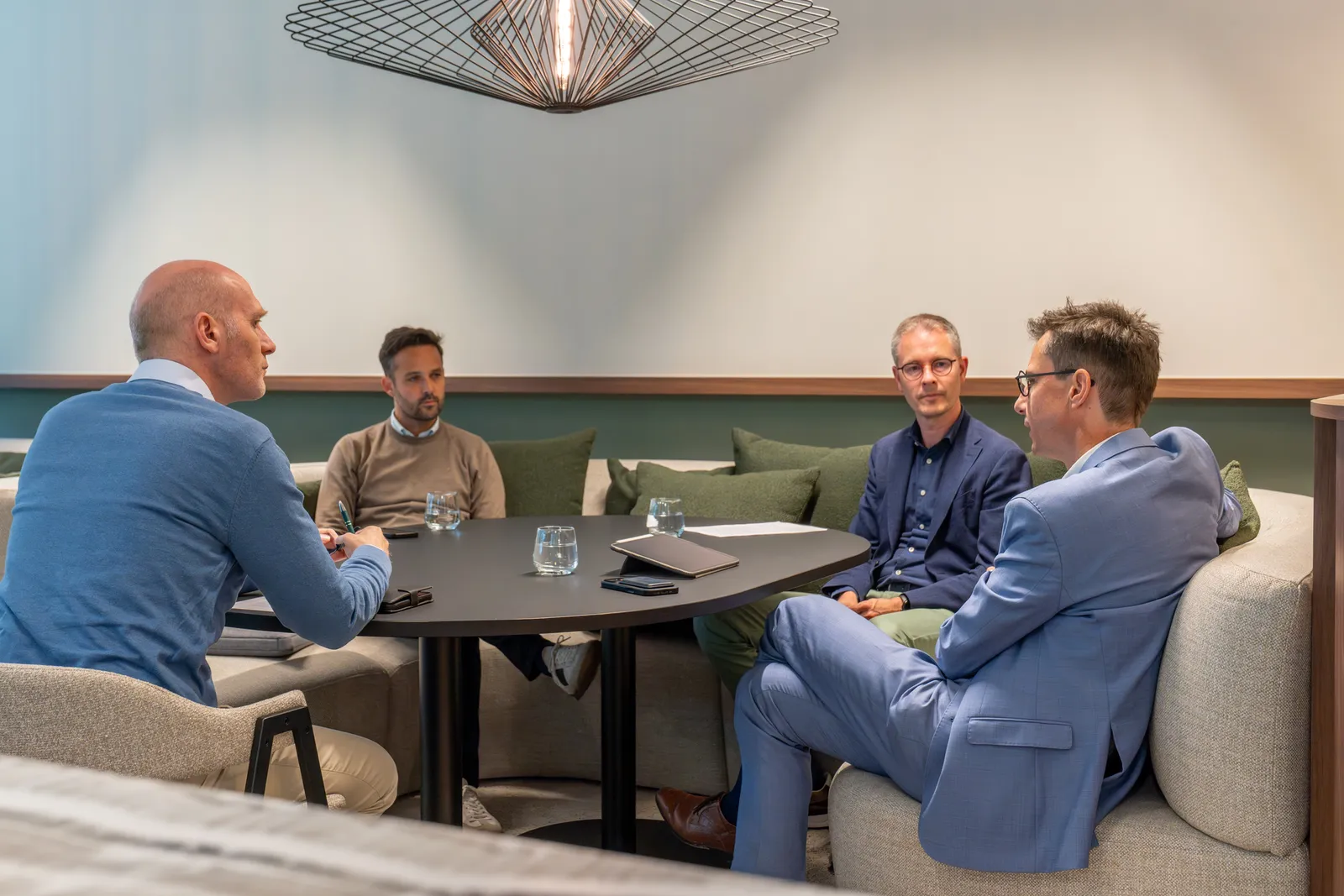
It is clear that both innovative research and technological development must continue unabated. Frederik Hindryckx of VEB sees an opportunity here: “As a society, we need to further develop our capacity: our investment resources, our innovation know-how and our ability to deliver projects in practice. If we work on this, new opportunities will certainly arise.”
We had an in-depth discussion with these three experts. You can listen to it as a podcast using the QR code below or on the website www.businessvlaanderen.be.
Question about this story? Ask your question
Keep following this
Get an email when a new story is published. No account needed.
- ThemeEnergy security and the circular economy
- SubjectGeneral







