“Confidential waste requires the same attention as digital data”
Text Anse KeisseImage Renewi
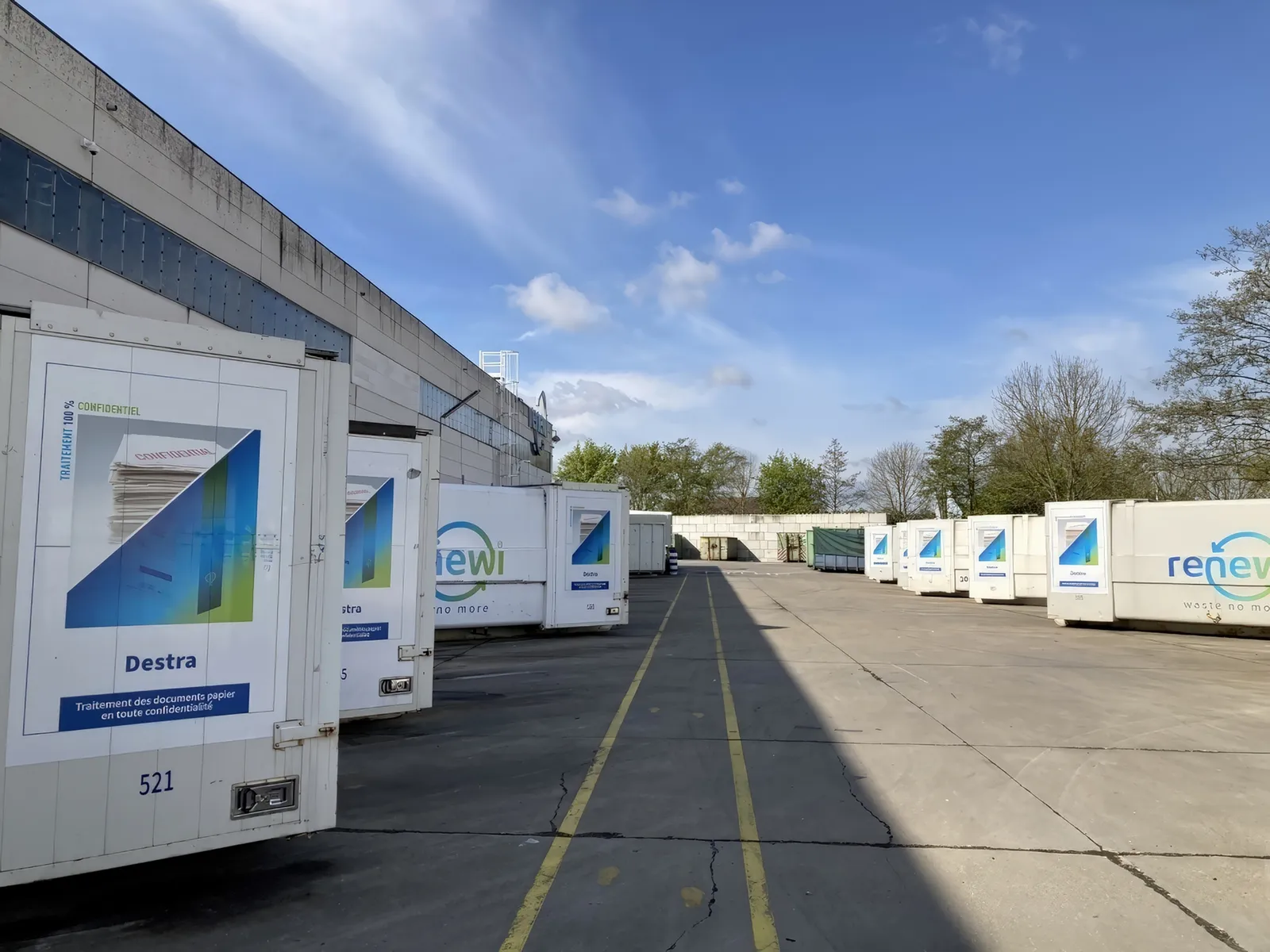
Secure destruction of confidential waste requires a watertight approach
Digital storage media, confidential archives, sensitive products such as certain textiles or medical materials: confidential information takes many forms. They all have one thing in common: if they are not collected and destroyed properly, the consequences can be serious, ranging from data breaches and reputational damage to legal penalties. That is why more and more companies are reviewing their approach to confidential waste. Renewi offers specialist solutions that combine security, compliance and circularity. Steven Neels explains what the process involves in practice.
Businesses in Flanders process large volumes of sensitive information every day. Despite ongoing digitalisation, confidential data still circulates in physical form surprisingly often. Digital storage media play an important role, but personal data, contracts and medical records also remain widely held on paper. Added to this are numerous products, such as textiles and medical materials, which for various reasons must be destroyed securely.
These confidential materials also pose a risk that is often underestimated. “Data security is no longer a minor concern,” says Steven Neels, site manager at Renewi in Lokeren. “A small mistake can have major consequences.”
The situation varies greatly from one sector to another. “Healthcare providers, government bodies and legal services still rely heavily on paper,” says Neels. “Archives and older information media also remain in use and need to be destroyed securely.” That is why, he says, it is crucial for companies to review their processes regularly: “Confidential waste does not disappear by itself. What is stored correctly today could become a risk tomorrow.”
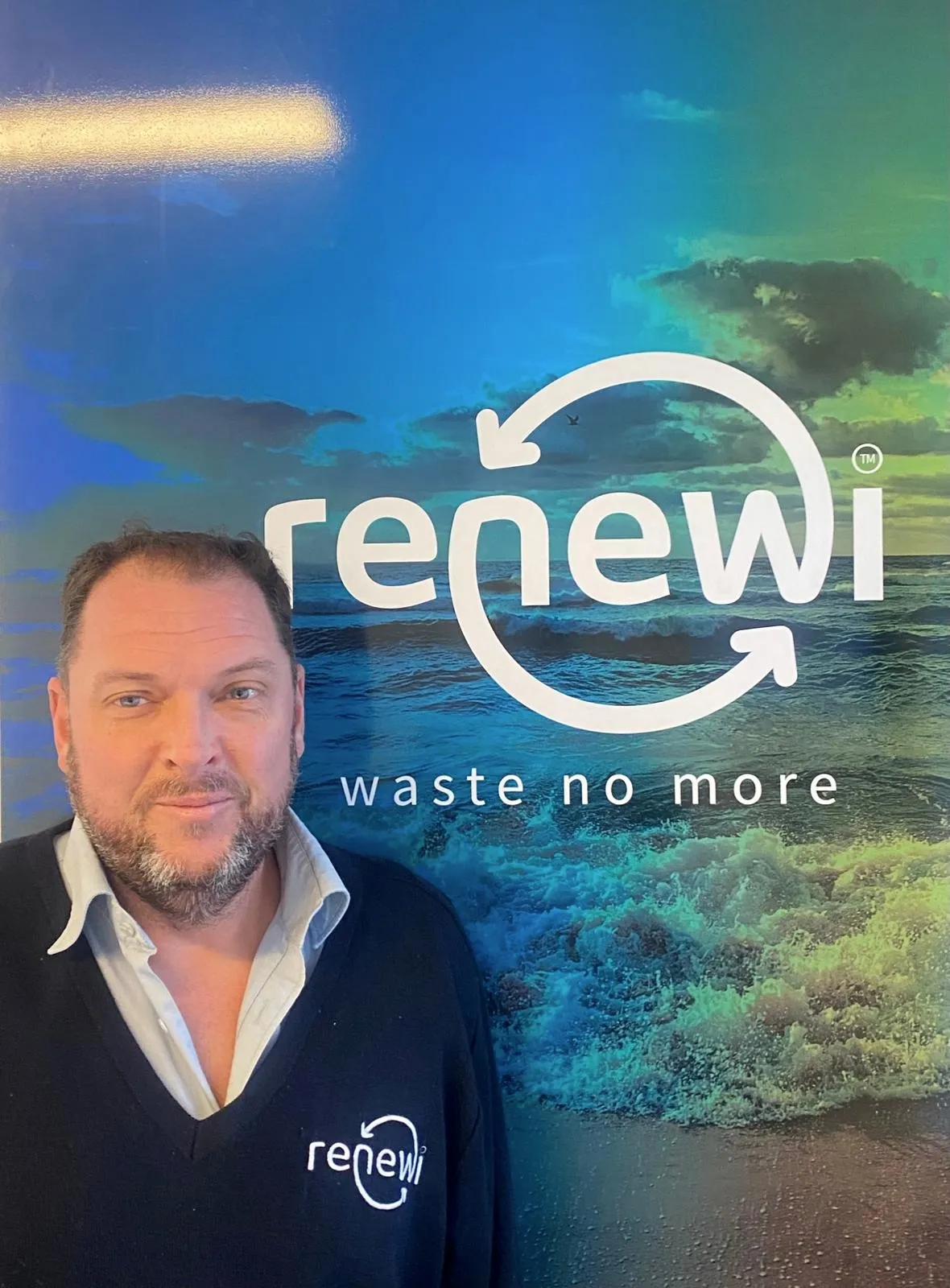
Security from collection through to destruction
What all these waste streams have in common is the need for complete certainty, not just during destruction itself, but throughout the entire process. At Renewi, that starts with collection. “Customers are given secure containers, like a kind of ‘letterbox’, in which documents and products can be deposited safely. The containers are collected while locked and remain locked until they are processed at our site,” explains Steven Neels. “We hold the keys. That is essential to maintaining our customers’ trust.”
Once they arrive at Renewi’s site in Lokeren, the containers are not destroyed straight away. They are first kept locked in storage for a short time. “If a customer suddenly realises that a document they still need is inside, we can retrieve it during that period,” Neels explains. Only then does the destruction process begin, in a secure hall. Non-paper materials are removed first, after which everything is shredded. Other confidential goods are processed appropriately, depending on their nature.
Rigorous checks and tangible proof
Confidential waste is processed in a strictly controlled area in Lokeren. This plant handles confidential waste streams from across Flanders, with a specialist team of around ten employees, including a dedicated group working exclusively with confidential materials. “Access to that specific area is tightly controlled,” says the site manager. “Employees are screened and visitors always sign a declaration. Traceability is not a formality here, but a basic requirement.”
Customers also receive a destruction certificate every month, which includes details such as dates and volumes, as well as confirmation that everything was handled in accordance with the rules. “That certificate is important. It gives companies peace of mind and tangible proof for audits or inspections.”
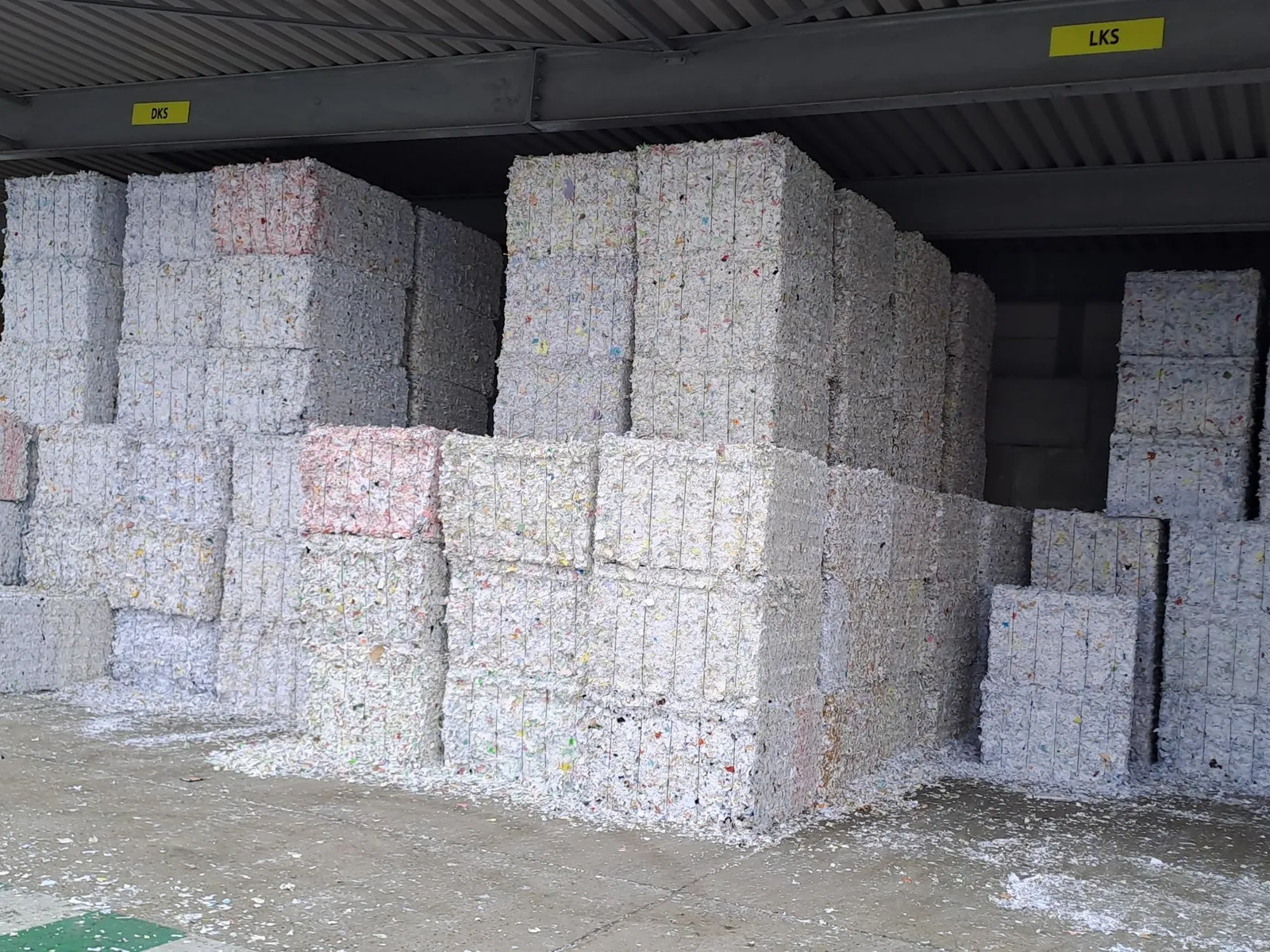
Secure and circular
What sets Renewi apart is its combination of data security and circularity. After destruction, the paper or product is recycled and reused as a raw material. “Security and sustainability are not mutually exclusive,” says Steven Neels. “On the contrary. Anything that can be recycled is put to reuse. We also make the greatest possible effort to recover non-paper materials.”
This approach requires investment, but Renewi believes it is essential. “We are seeing companies become increasingly aware of their responsibilities, not only towards their customers but also towards society.”
Awareness is key
Companies often lack not goodwill, but an understanding of exactly what happens to confidential waste. “We regularly have customers visit because they want to see how the process works. That is when you notice awareness growing. Many companies do not realise how great the impact of a thoughtless approach can be.”
That awareness is becoming ever more important, especially as data security moves higher up the agenda. Steven Neels concludes: “Confidential destruction is not a cost, but an investment in protection, trust and the future of your organisation.”
Question about this story? Ask your question
Keep following this
Get an email when a new story is published. No account needed.
- SubjectIndustry