New tax rules are accelerating the electrification of company cars
Text Roeland Van Den DriesscheImage Raes Autogroep
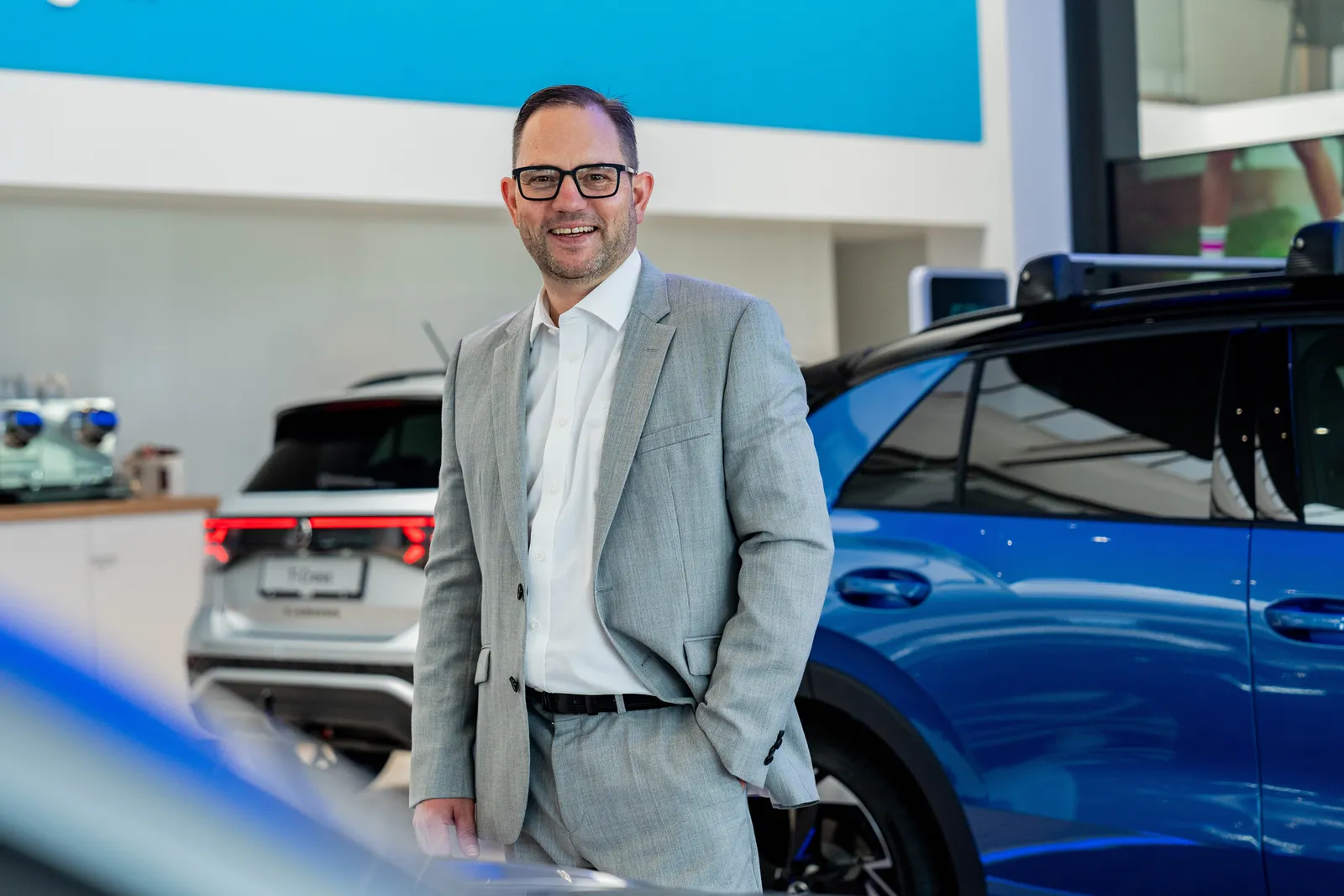
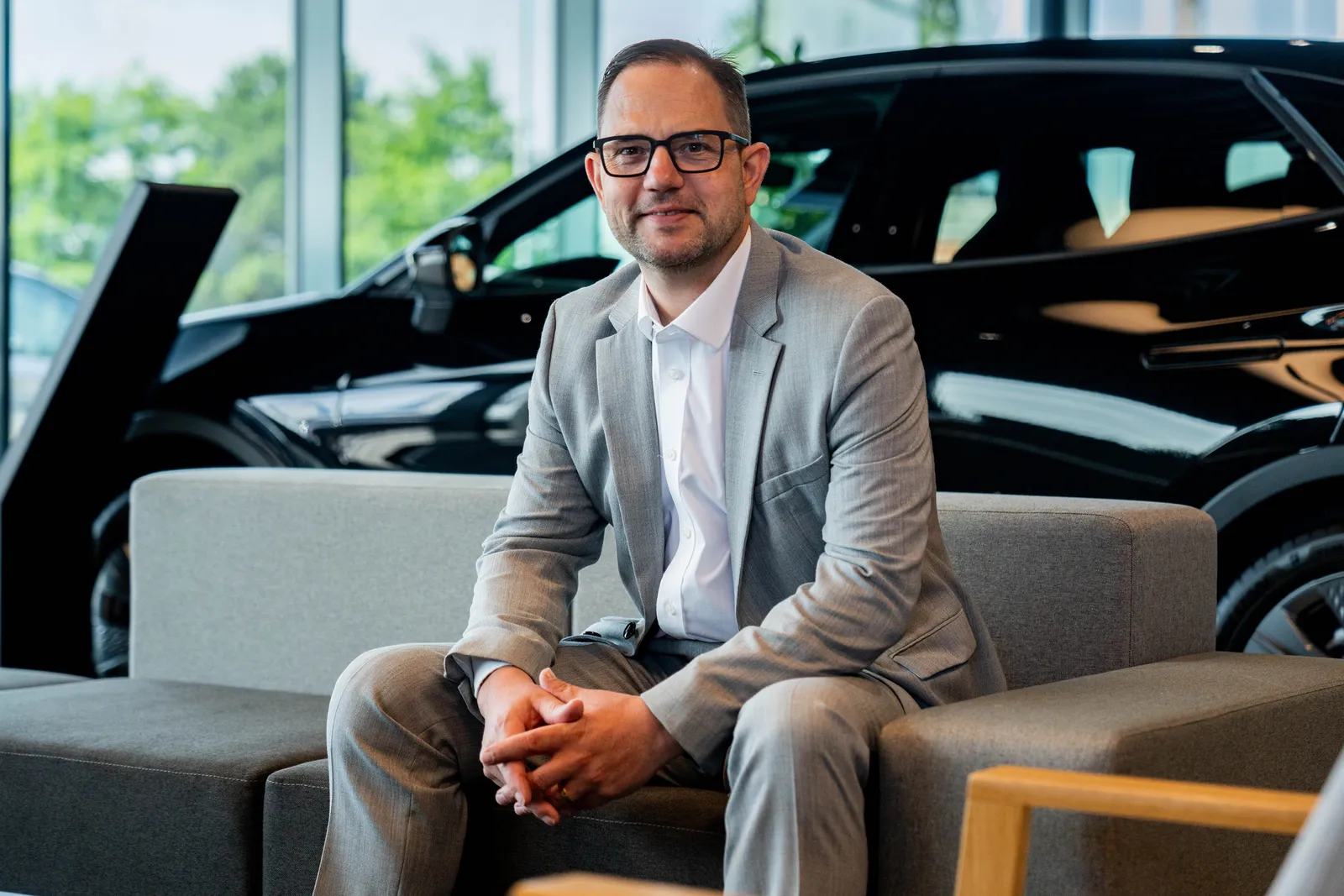
Choosing a company car used to be a relatively predictable exercise, but that is no longer the case. Electrification continues apace, tax rules have changed and businesses are facing mounting cost pressures. This makes it more important than ever to weigh up mobility choices carefully. “The trick is to play it smart and build in flexibility so you don’t face any surprises later on,” says Nico Raes, managing director of Raes Autogroep.
Almost all businesses are now facing rising costs. This is creating uncertainty and prompting more careful consideration of investment. This is particularly true when it comes to renewing a vehicle fleet. Raes Autogroep, a dealer for Volkswagen, Audi, SEAT, CUPRA, Škoda, Volkswagen Bedrijfsvoertuigen, Yamaha and Microlino, is seeing this too.
“Businesses want to know where they stand and what a car will be worth in, say, five years’ time. But nobody can say with certainty what the rules will look like by then. As a result, some businesses are postponing a purchase or replacement,” says managing director Nico Raes.

Electric driving is the norm
That is why it is important to look beyond the purchase price and consider the vehicle’s running costs, financing, term and potential residual value. Operating leases offer considerable flexibility in this respect. “With this option, you do not take on the full risk of the residual value yourself, while knowing exactly what your monthly costs will be.”
One trend is already clear: electrification. “And we’re certainly feeling it. No less than 86% of the new passenger cars ordered from us by businesses are now fully electric,” says Nico Raes. The group expects that share to keep rising in the coming years: “A few years ago, electric cars were mostly in the higher price brackets. Now more compact and affordable models are coming onto the market, making electric driving a viable option for many more businesses.”
That does not mean electric vehicles are already an obvious choice in every case. “An electric van can work perfectly well for a business that makes daily deliveries in the city, for example. But it is naturally more challenging for someone who carries a lot of equipment and has to cover longer distances.” That is why Raes Autogroep always looks at how the vehicle will be used. “Our aim is not simply to sell a car. We want to find a mobility solution that delivers value over the long term.”
Continuing to grow in a changing market
Raes Autogroep has had to carry out this same exercise in recent years, as the changing market forced the company to take a critical look at its own operations. “Cutting staff costs was never an option, because it is our employees who make the difference every day.”
With 165 employees across six sites, Raes Autogroep has established a strong foothold in the Bruges-Ostend region. The group aims to build on that position in the years ahead. “Our scale brings added complexity, but it also compels us to work smarter. We see this as an important lever for further strengthening our position,” says Nico Raes.
Question about this story? Ask your question
Keep following this
Get an email when a new story is published. No account needed.
- ThemeFinancial and legal decisions
- SubjectMobility