Three event professionals round the table: “Geopolitical uncertainty is putting pressure on budgets”
Text Björn CrulImage Wim De Wulf
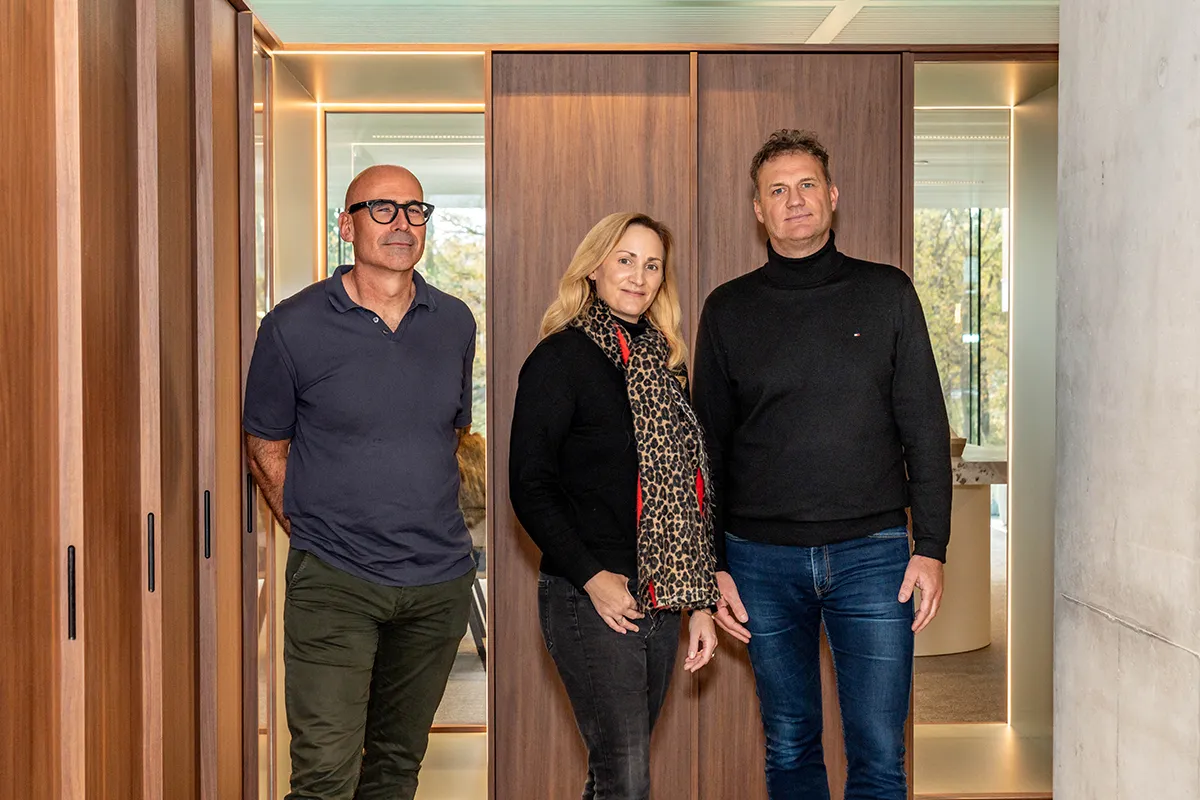
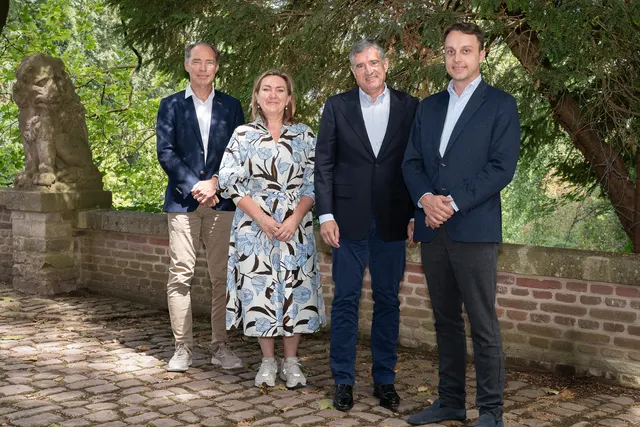
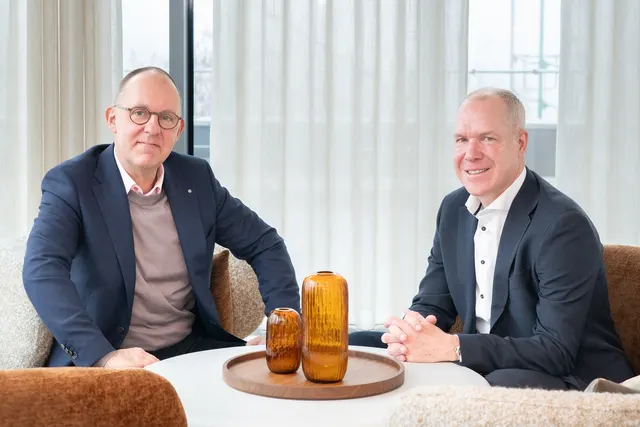
Businesses love inspiring conferences, surprising team-building events and creative parties with networking opportunities. After the Covid period, when strict measures were in force and online events were booming, the events sector and live events have bounced back strongly. Where does the events sector stand today? What do clients expect, and what does that mean for the organisers and suppliers behind all these events? We brought three professionals together for an update: Steve Roose (event manager at Event Mosaic), Séverine Smetz (national B2B sales manager at Kinepolis) and Dan Vandevoorde of Xtreme Creations, which produces inflatable decorations.
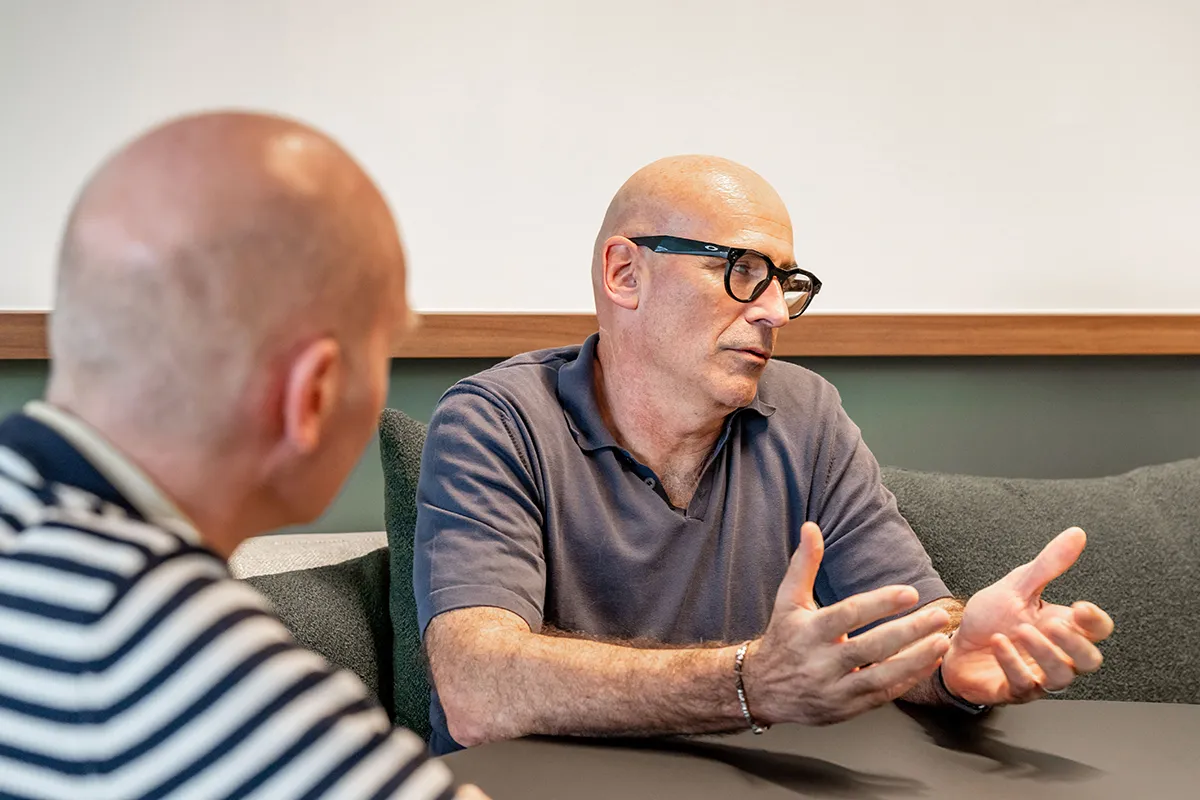
After a career at an events agency in Brussels, Steve Roose decided to set up his own events company in Bruges in 2001. The business is now run by a former employee. “We’ve had a great journey over the past 25 years. We focus on corporate events, team-building activities and organising seminars and incentive trips, including for international clients,” Roose explains. “Covid was obviously the biggest crisis we’ve experienced. We asked ourselves: would companies still invest in bringing people together? Fortunately, it quickly became clear that the desire for face-to-face meetings was strong. 2024 was even a record year, with demand overwhelming us.”
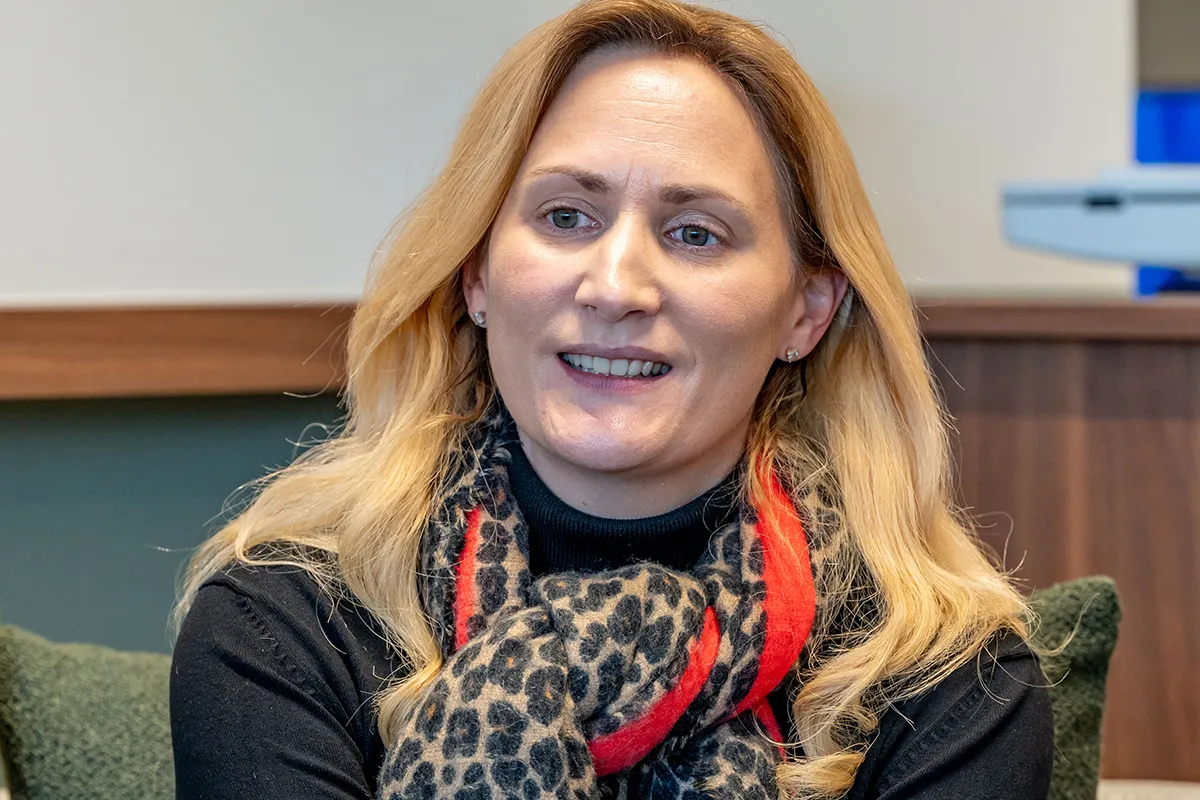
Séverine Smetz leads a team of 20 responsible for Kinepolis’s B2B activities: “Our cinemas and reception areas host conferences, product launches, groups booking a film premiere and even church services. The aim, of course, is to make maximum use of our facilities during the day, when there are no or fewer film screenings. We remain a cinema primarily for B2C audiences, of course, but the peaks in the two activities usually don’t coincide.”
Back to pre-Covid levels
Covid was also a difficult period for Kinepolis. “For two years, it had a major impact on venue hire. And immediately afterwards came the Hollywood strike, which meant there were far fewer blockbusters for a while. During the pandemic, we invested in a webinar studio. But demand from the market actually dried up. People were tired of looking at their laptop screens. Human contact is back in full force, and our B2B events are even back at pre-Covid levels.”
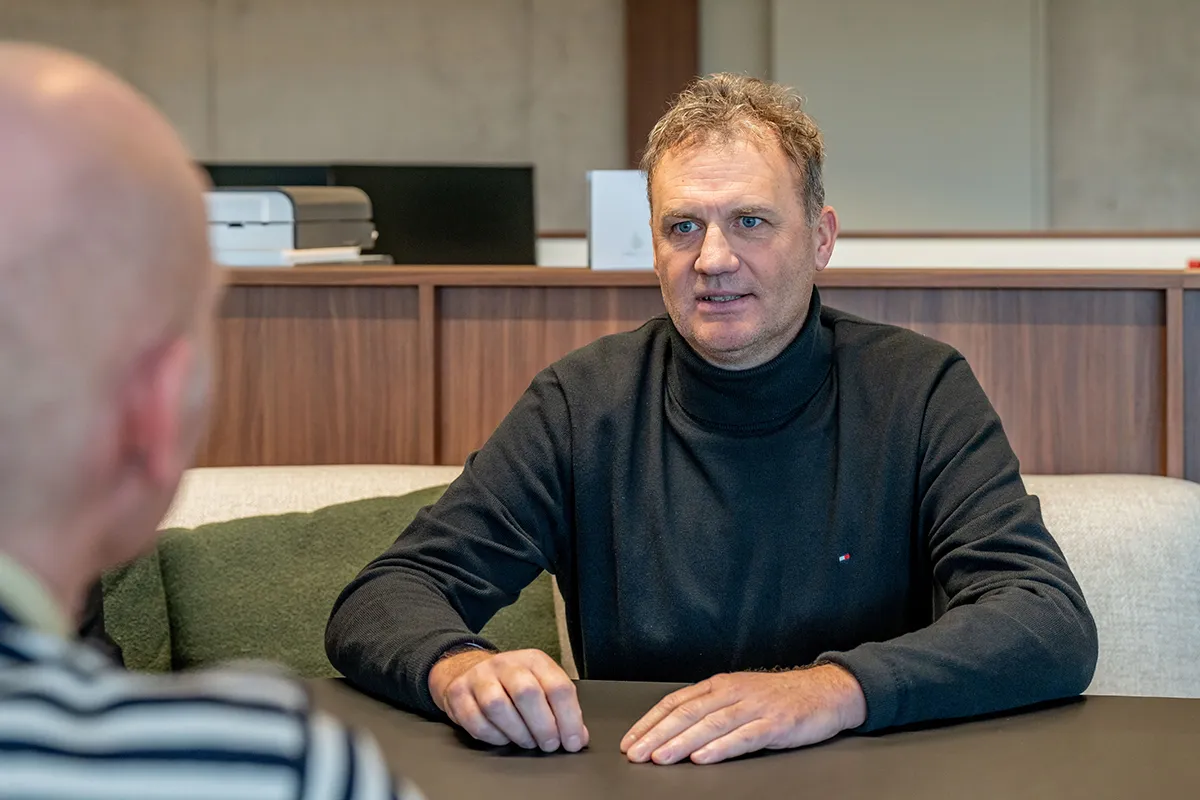
Dan Vandevoorde fell into the events sector more or less by chance. “When I graduated, I couldn’t find a job straight away. So a friend and I decided to become entrepreneurs, and by chance we ended up making inflatable decorations. That was very innovative 31 years ago. Today, our inflatables are in demand internationally at festivals, outdoor events and sporting events. We can bring very creative concepts to life and deliver them much faster than if we used permanent materials.”
Xtreme Creations has made a name for itself. “Just before Covid, for example, we were talking to creatives who work for Billy Eilish and Dua Lipa about developing inflatable decorations for their tours. Then the virus put a stop to everything. With no events, festivals or trade fairs able to go ahead, our turnover fell sharply. Fortunately, we landed a project to apply graphics to tankers for Ineos. That kept us afloat. And we were back in overdrive soon after the pandemic, too. The fact that our product is very ‘Instagrammable’ obviously plays a part in that. I regularly see our creations popping up on social media.”
A tight labour market
One downside of that period is that a lot of talent left the sector. Employees of event agencies, caterers and other suppliers went in search of more secure jobs. “Like every sector, we’re facing a tight labour market today,” says Séverine Smetz. “We feel it less at Kinepolis because we have a permanent team, which we supplement with suppliers and a pool of student workers arranged through a temping agency. But I do notice that finding enough staff is a particular challenge for caterers.”
The challenge is not just having enough people to deliver an event successfully. The availability the sector demands is also a factor. Steve Roose: “I always say that working in events isn’t a job, it’s a lifestyle. We don’t watch the clock, because otherwise you simply can’t deliver for your client. There are always last-minute changes, VIPs running late, weather conditions having an impact … As an event manager, it’s my job to respond quickly and work with our staff and suppliers to adapt as flexibly as possible to the unexpected. So you need to be able to handle stress and be physically fit to keep going. But on the other hand, when the guests leave with a smile, you’re left with the best memories, every time.”
Dan Vandevoorde agrees: “The challenge is that sometimes we have to produce technically complex items in a very short time. We then look for a balance between what’s feasible and the client’s budget. But when I see our decorations at Tomorrowland, at Louis Vuitton or on stage with Jeugd van Tegenwoordig at Sportpaleis, I can’t help feeling proud.”
Sustainability is here to stay
Another challenge is the growing focus on sustainability. More and more companies want their events to be organised as sustainably as possible. “This is a major focus for agencies. Clients increasingly want measurable data on CO2 emissions. As a sector, we’ve therefore developed an app to answer specific questions,” says Steve Roose. “At Event Mosaic, our principle is to hire services as close as possible to the event venue, such as local audiovisual and catering partners. We try to avoid as much waste as possible. And I’ve noticed that some companies also have different requirements for food, for example. Sometimes beef is no longer wanted.”
At Kinepolis, Séverine Smetz has noticed that sustainability has been lower on the agenda over the past year. “I suspect companies are making different trade-offs in the current economic climate. Sustainable measures usually require a higher budget. We ourselves pay close attention to energy management and waste sorting.”
Dan Vandevoorde says his product is gaining ground thanks to the trend towards greater sustainability. “It’s an ideal alternative to the large 3D structures you see in carnival parades and on festival stages. They’re made from synthetic materials such as polystyrene, then painted and coated for fire safety. These structures are either only suitable for one-time use or require a lot of storage space,” he explains. “Our inflatables take up much less space, so they’re also easy to transport, store and reuse. This allows clients to get the best return on their investment. We can even go as far as reusing raw materials in new creations.”
2026 will be a difficult year
All three event professionals are apprehensive about 2026. Economic uncertainty is making itself felt. “We’re seeing pressure on the budgets of our clients, such as marketers and event agencies. That also means there’s less room for creativity,” says Dan Vandevoorde. “Fortunately, we work internationally. We have clients across Europe, and even as far afield as Australia, Asia, Mexico and the US. So geopolitics has slightly less of an impact on us.”
Steve Roose agrees: “There is indeed a slowdown as a result of the trade war Trump has unleashed. Across the sector, we’re seeing budgets come under closer scrutiny, and we have to make greater efforts to win contracts. So 2026 is shaping up to be a difficult year. Fortunately, we’ve been through this before. We know we have to get through it and that things will eventually recover, hopefully within six to eight months.”
“I’ve also noticed that some clients are spreading events out more over time to free up budget. But the main takeaway, I think, is that companies still want to bring people together. They continue to invest in live connections. That leaves me optimistic about the future,” concludes Séverine Smetz.
Question about this story? Ask your question
Keep following this
Get an email when a new story is published. No account needed.
- ThemeReaching and connecting with customers
- SubjectRoundtable