“Digitalisation keeps our job sexy”
Text Björn CrulImage Wim De Wulf
The accountancy sector faces numerous challenges
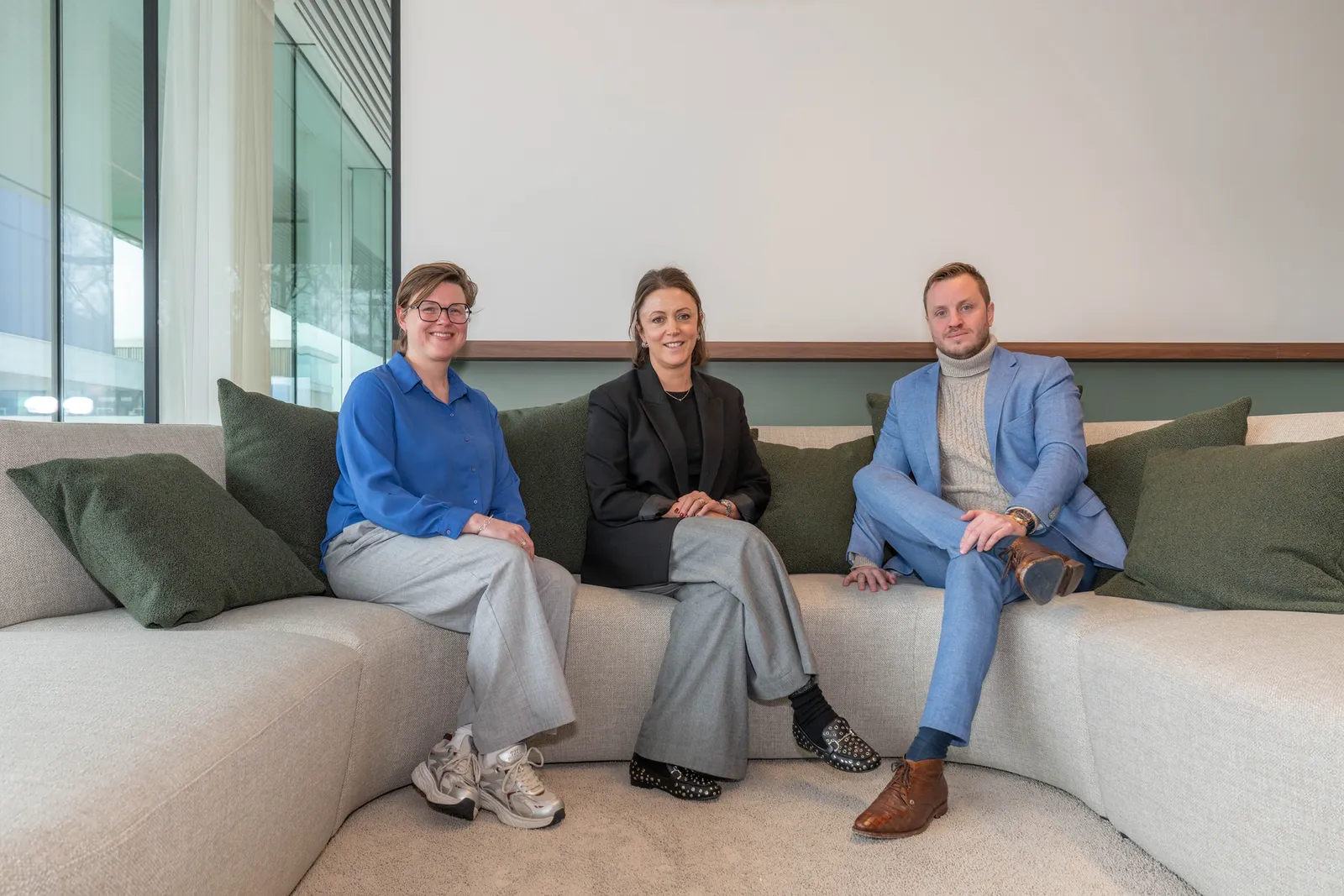
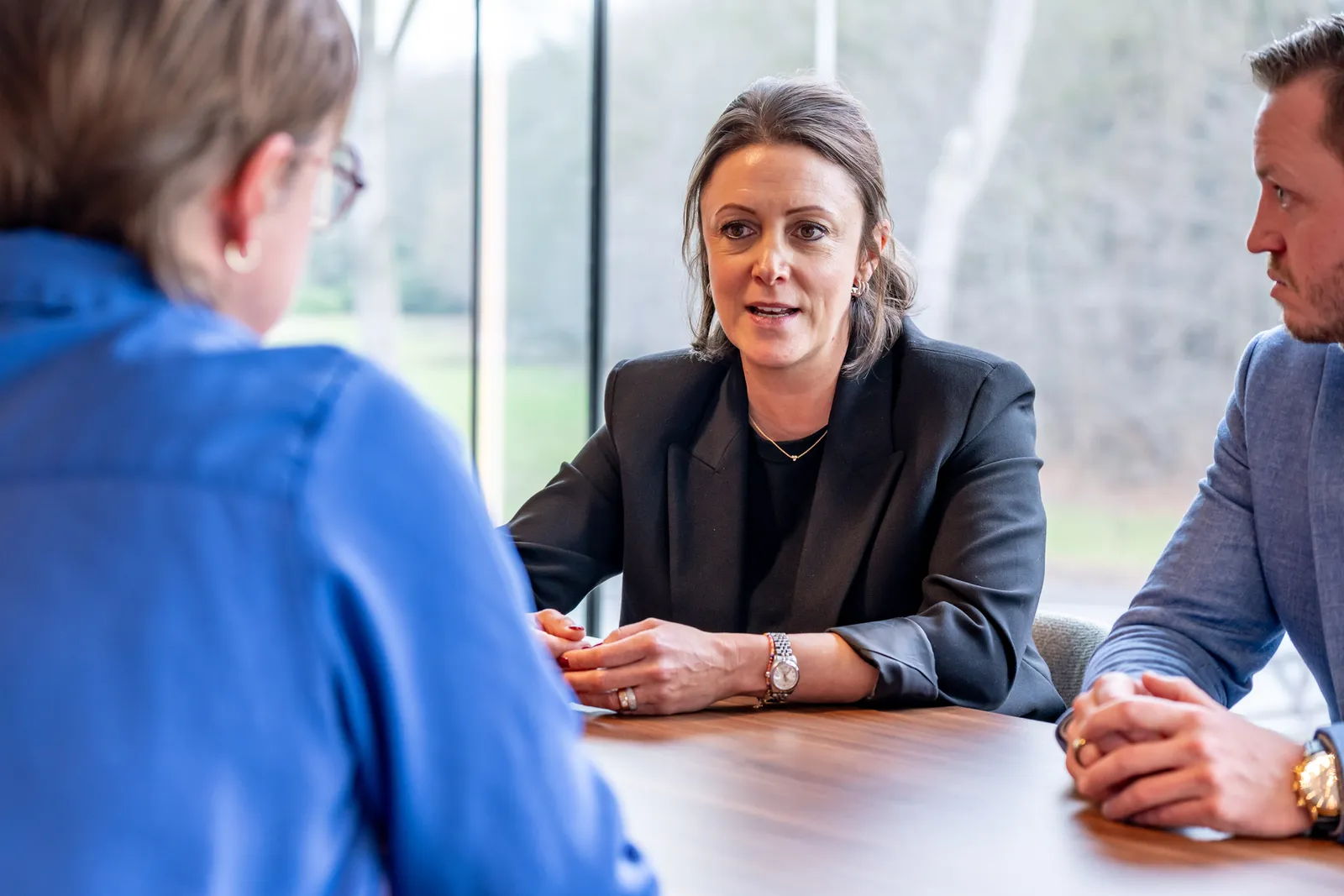
Ever more complex regulations, the need to invest in digitalisation and the search for new talent: the challenges facing the accountancy sector are significant. It is no coincidence that a wave of consolidation is under way, with smaller accountancy firms being absorbed into larger, multidisciplinary practices. What impact are these trends having on the sector and the people who work in it? We asked Lennert Coopman (Cobofisk accountants & consultants), Iris De Groote (Vandelanotte++) and Jurka Vanthournout (Titeca pro accountants & experts).
The practical implementation of a capital gains tax, which has proved highly contentious, and the wrangling over the VAT reform the federal government wants to introduce have once again highlighted how regulations in our country are becoming increasingly complex. This has significant implications for accountants, too. “Our key role is to explain all that complexity to entrepreneurs in simple terms. We need to give them peace of mind and direction,” says Jurka Vanthournout, CEO of Titeca pro accountants & experts. “We also have a responsibility to hold up a critical mirror to the lawmakers and raise awareness, together with our professional body, ITAA, so that uncertainty among entrepreneurs does not grow even further.”
Accountants become digitalisation advisers
Iris De Groote began her career at Vandelanotte 26 years ago, where she is now CEO Accountancy. “The work of an accountant has changed considerably over that time. And regulations have indeed become more complex. Fortunately, we have made great strides in digitalisation, enabling us to work much more efficiently. Ten years ago, we still had to process a huge volume of invoices for every quarterly VAT return. Now the documents come in gradually, and we have systems that allow us to extract insights from the accounts more quickly. This means we can advise clients more effectively and proactively. They can also track the figures themselves through online portals.”
Lennert Coopman, managing partner at Cobofisk, sees other benefits of digitalisation too: “We have effectively evolved into digitalisation advisers for SME clients. It is not just about digitising your invoicing flow and implementing Peppol. We look at how clients can organise their processes efficiently, from ordering through production and invoicing to payments. Our experience with digitalisation means we can act as a sounding board and help entrepreneurs develop their strategies further. That is precisely what makes our job so interesting and sexy!”
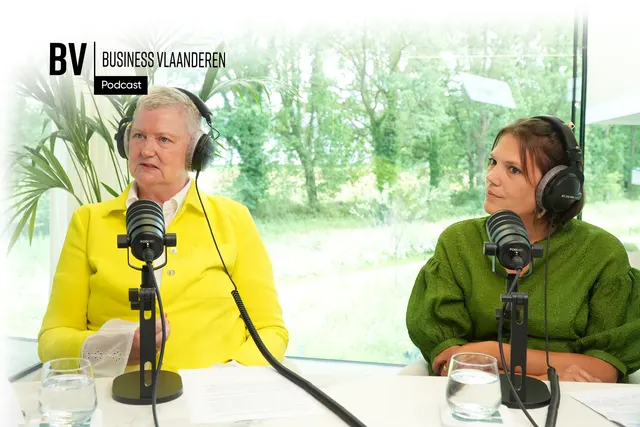
We had an in-depth conversation with Lennert Coopman, Iris De Groote and Jurka Vanthournout about developments in the accountancy sector. You can listen to it below as a podcast:
Spotify Embed: 2: The accountant as a trusted partner
The added value of AI
“Our profession is still often portrayed too negatively,” agrees Iris De Groote. “Yet the personal relationship of trust and the way we guide businesses are at its heart. For me, that is also where AI will ultimately add value: by further improving the customer experience. There are a great many AI applications available today, but the challenge will be selecting the right solutions. That is precisely why Vandelanotte has decided to combine in-house software development with the implementation of tools designed specifically for our sector.”
Artificial intelligence is gradually making its way into the profession. “It helps automate and lighten a number of repetitive tasks, ensure quality and optimise processes,” says Jurka Vanthournout of Titeca. “We hope that, in the longer term, we can use AI to provide even better, more personal and higher-quality advice to our clients. We are already taking this into account when recruiting and training, so that our colleagues remain relevant in the future.”
Accountancy firms are continuing to invest. As a result, more and more smaller businesses in the sector are seeking to join a larger group. “Often, there is no family succession either,” says Lennert Coopman of Cobofisk. The firm his father founded more than 35 years ago now has 52 employees across two offices in Aalter and Merelbeke. “My brother and I are now active in the business, and we are working on the handover. Of course, as a smaller firm, we have to make choices about specific niches and activities. For example, we have subsidiary companies focused on digitalisation, using Odoo and Yuki, and on legal expertise. So we believe our company has a bright future alongside the larger, full-service firms.”
Question about this story? Ask your question
Companies in this story

Keep following this
Get an email when a new story is published. No account needed.
- ThemeFinancial and legal decisions
- SubjectHR, finance & IT
- CompanyTiteca