Electric cars become less tax-efficient from 2027
Text Roeland Van Den DriesscheImage Automobilia
The clock is ticking on tax deductions for electric company cars
The tax rules for company cars will change significantly from 2027. Electric cars will no longer be 100% tax-deductible either. However, those who opt for an electric car in 2026 and sign the order form or lease contract this year will retain the maximum tax deduction for the full term of the contract. “And that applies not only to the car itself, but also to running costs. The message is clear: make the switch now,” says car dealer Automobilia.
In 2022, the federal government introduced various measures to make company fleets more environmentally friendly. As a result, cars with internal combustion engines have no longer been tax-deductible for businesses since 2026. A phase-out scheme applies to electric company cars, with the maximum deduction gradually decreasing. The percentage depends on when the vehicle was purchased, leased or hired. “From 2027, electric cars will be tax-deductible at a maximum of 95%, falling to 90% in 2028. The percentage will continue to decline each year, reaching 67.5% in 2031,” explains car dealer Automobilia.
The order or contract date matters
A common misconception is that the car’s delivery date determines its tax treatment. That is not the case. “For a purchase, the date on the order form is decisive, while for a lease or rental, the relevant date is when the contract is signed. This means a car delivered in 2027 can still fall under the 2026 tax regime, provided the business has signed all the documents in time.”
Businesses would be wise not to wait until the final weeks of the year, however. Given the expected pressure on the market and showroom logistics, delaying a decision could limit the choice available. “The smart move is to plan ahead. By finalising your fleet plans for 2027 in 2026, you not only retain the maximum tax deduction, but also gain greater control over your future mobility costs.”
Leasing companies also expect the number of enquiries to rise in the coming months. Automobilia is already planning for additional orders. “That is why we have moved our Experience Days from December to mid-November. This gives business owners enough time to compare models and get advice.”
Three brands under one roof
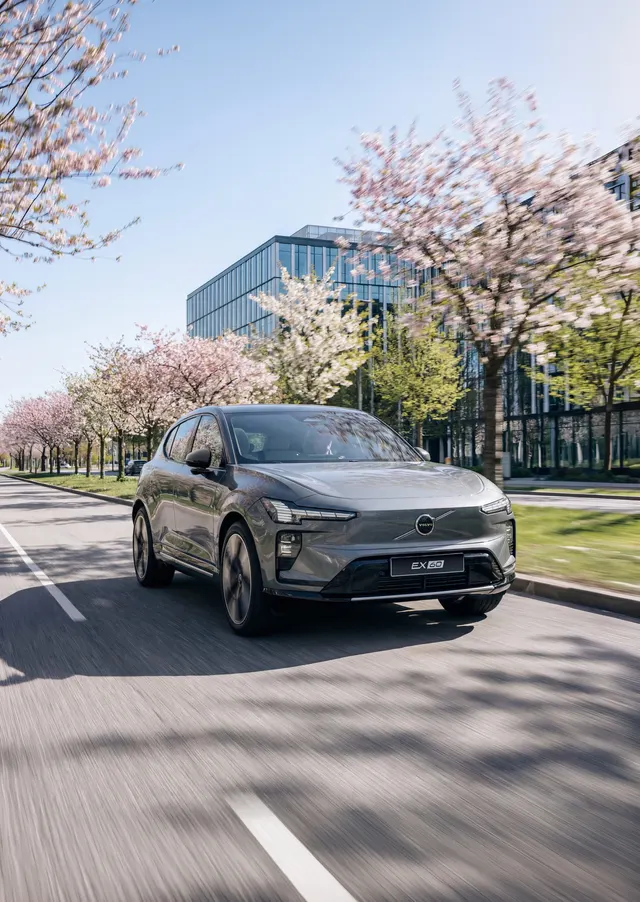
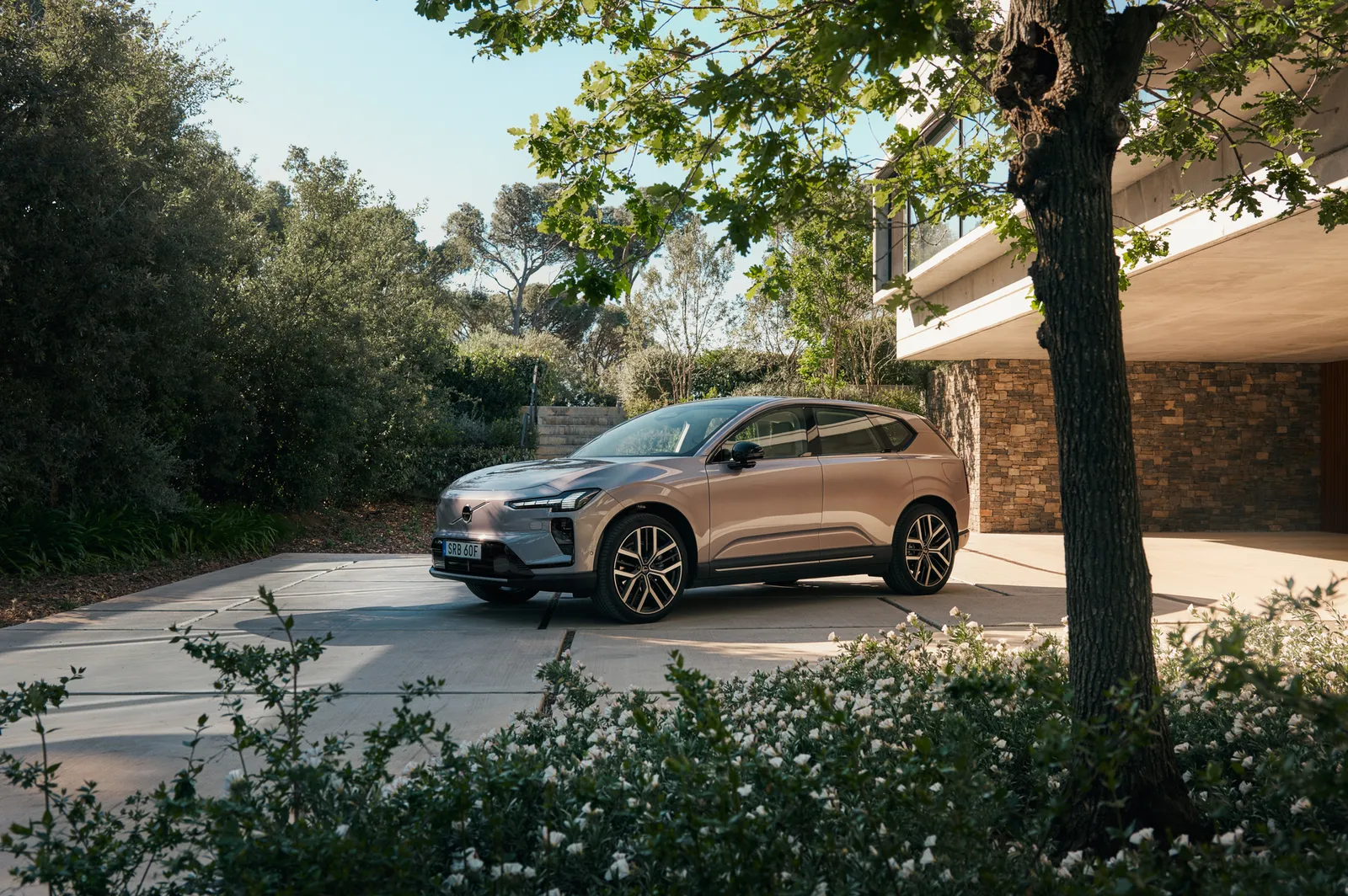
Automobilia’s range is well suited to business owners looking to electrify their fleets. The car dealer does not believe in a one-size-fits-all approach. “A fleet should reflect a business’s ambitions, its activities and the realities of day-to-day operations. Those needs differ from one business to another.” That is why Automobilia has recently expanded its range. In addition to Volvo, customers can now also find Lynk & Co and Zeekr. “Volvo remains the undisputed benchmark for business users. For entrepreneurs looking for no-nonsense class and dependable performance, it is still the obvious choice.”
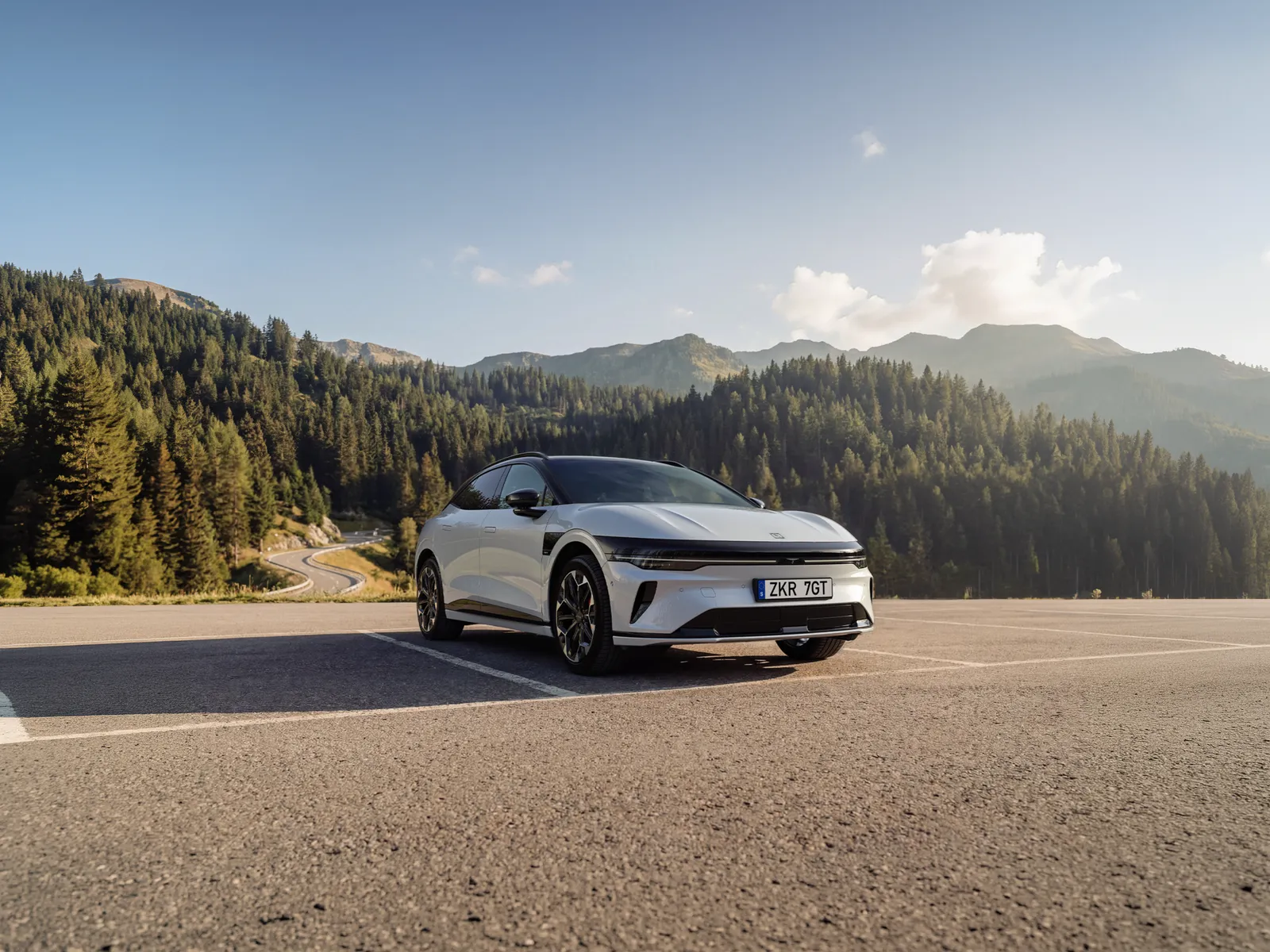
With the newer brands Lynk & Co and Zeekr, Automobilia aims to appeal to different customer profiles. Lynk & Co, for example, takes a different approach to mobility and aims to appeal to business owners who are open to new models and technologies. “That is why it focuses above all on digital applications, flexibility and ease of use.” Zeekr, meanwhile, targets the premium segment. “The brand is aimed at business owners who want comfort and technology, but also take the total cost into account.”
Although the rules are set to change soon, businesses can still renew their fleets with Automobilia under the current tax rules. “For self-employed people and sole traders, the 100% tax deduction also applies to plug-in hybrids. But they too need to act this year to make the most of the favourable measure.”
Een zakelijke vraag aan Automobilia : drive happy? Get in touch
Companies in this story

Keep following this
Get an email when a new story is published. No account needed.
- ThemeFinancial and legal decisions
- SubjectMobility
- CompanyAutomobilia : drive happy