Why people facing barriers to employment need the right support
Text Bavo BoutsenImage Arthur Vanobost, Leonie Snauwaert
Anyone who can work should do so. Today, more than ever, this is the credo of the various governments in our country. The organisations working to turn this goal into reality welcome the additional support they are receiving. At the same time, they point to the complexity of the goal and the importance of having realistic expectations.
Increasing the overall employment rate has been the holy grail of government policy in recent years. What is rarely mentioned is that this is a complex goal that will take a very long time to achieve. But it is clear that people facing barriers to employment need more active support to find work.
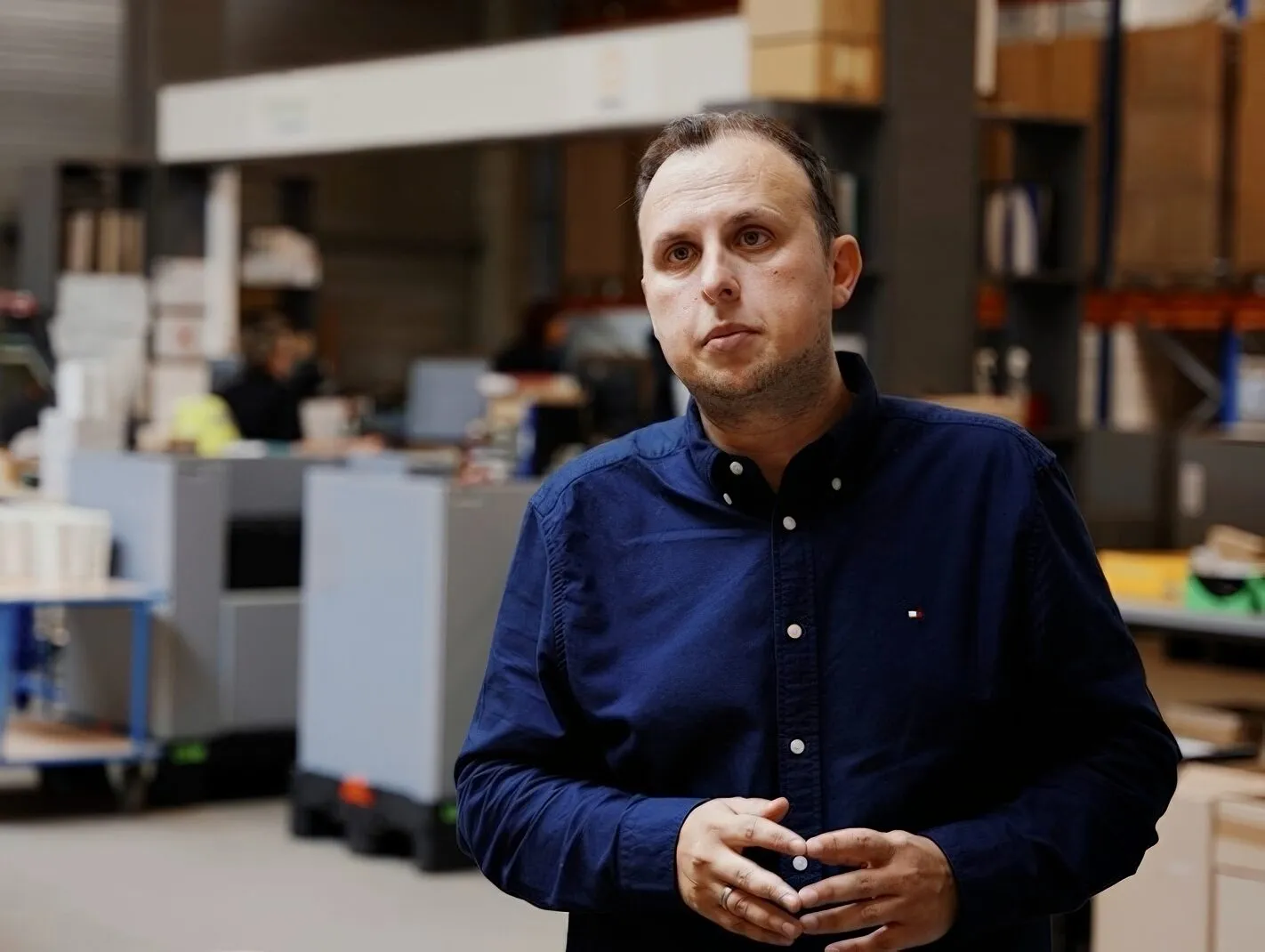
Alongside the much-discussed time limit on unemployment benefits and stricter checks on inactive Belgians, initiatives that help people move into employment are also receiving extra support. One such initiative is Vlotter Maatwerk, a social enterprise providing customised employment in Boom. “We employ 350 to 400 people who face barriers to employment, making us the second-largest employer in the Rupel region,” explains Business Unit Manager Kristof Haesen. “Our focus is on high-quality production work and providing services to companies and organisations.”
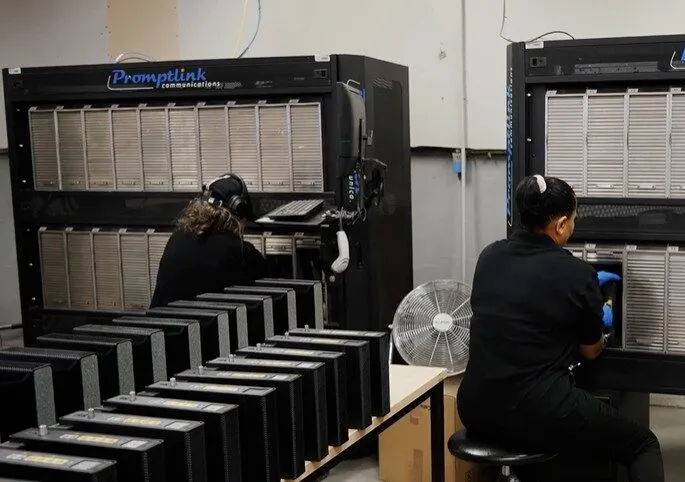
The company has had a long-standing partnership with Telenet since 2008. “The aim of the partnership is to ensure that as many Telenet devices as possible can be given a second, or even a third, life. Among other things, our employees inspect, test and clean returned set-top boxes, then prepare them to be sent back to customers. This allows us to play an important role in Telenet’s circular plan and contribute to the further development of the circular economy.”
Pride as a motivator
At least as important are the emotions that such assignments evoke in people employed in customised work. “The word we hear time and again is ‘pride’. Our people are incredibly proud to do high-quality production work for a major player like Telenet. They are also proud to contribute to a social goal,” Haesen continues. “They help ensure that a great many products do not end up in the bin, preventing thousands of tonnes of electronic waste.”
That pride is also central to G-Jobs. Launched earlier this year within HR services provider Forum Jobs, the initiative supports people who need help to stay in work or return to work because of a health challenge.
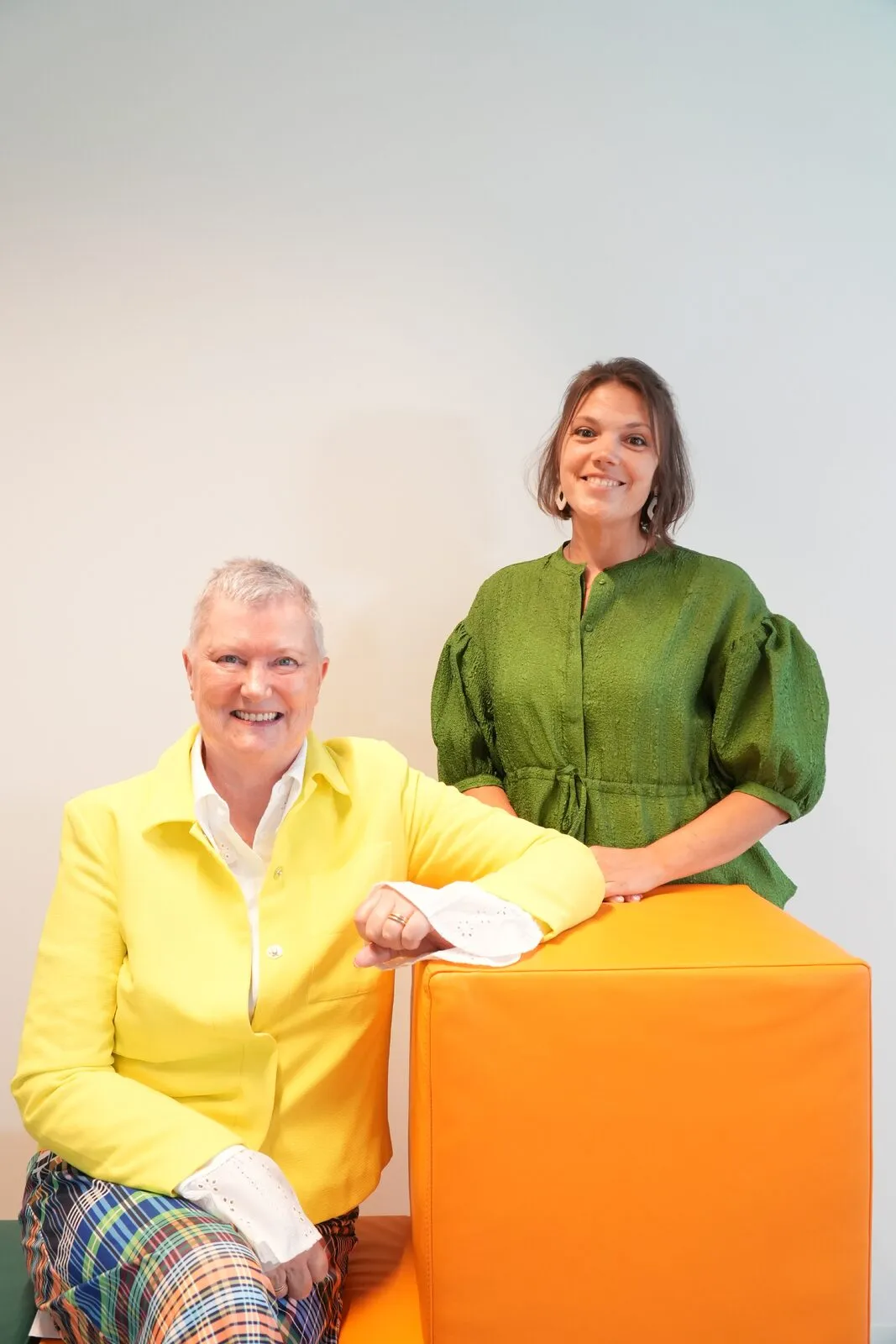
“This could include people with a physical disability, as well as people who are off work for a long time because of, for example, burnout, cancer or another health challenge,” says Leen Goossens, an HR expert and coach at G-Jobs. “We work with a wide range of profiles in the mainstream labour market, from manual and office workers to executives and managers.”
Returning to work is rarely straightforward. “But going back to work doesn’t have to mean going back to the way things were. It can also mean doing something new,” Goossens continues. “Work is about so much more than an income. It provides structure, social contact, self-esteem and a sense of belonging. People can show what they are still able to do and take pride in their contribution.”
G-Jobs also supports employers and managers. “Employers often want to do the right thing, but they don’t always know how. We offer practical ways to deal with employees on long-term sick leave in a compassionate and professional manner. So we need to look not only at what is no longer possible, but above all at what someone can do.”
Changing perceptions
G-Jobs also wants to help change perceptions of people with health challenges. “Politicians and the media too often talk about this group as if it were primarily a problem that needs to be solved,” says Goossens. “But when people mainly experience pressure, distrust or blame, we risk making the barriers to work even greater. The question should not be only why someone is not working yet. Above all, we need to explore what someone can do today and what is needed to take a realistic and sustainable step towards work.”
Vlotter echoes those sentiments. “There is still a very mistaken perception of social enterprises providing customised employment. People see them as an extension of the former sheltered workshops, where workers mainly carried out very small, repetitive tasks. But that is simply no longer true when you look at the complexity of our operations today. So while it is obviously good that we receive extra support and funding from the government, it is at least as important for them to understand what we do here and the complexity involved. For example, there is a growing need for supervisors to support the employees in our target group. They need strong leadership and organisational skills, but above all they must be highly skilled at working with people. That makes them very hard to find,” Haesen concludes.

Een zakelijke vraag aan Forum Jobs? Get in touch
Companies in this story

Keep following this
Get an email when a new story is published. No account needed.
- ThemeAttracting and retaining people
- SubjectHR, finance & IT
- CompanyForum Jobs