“It could all be over tomorrow. So you’d better make the most of everything you have today.”
Text Christina Van GeelImage Gwenny Eeckels, Nattida-Jayne Kanyachalao
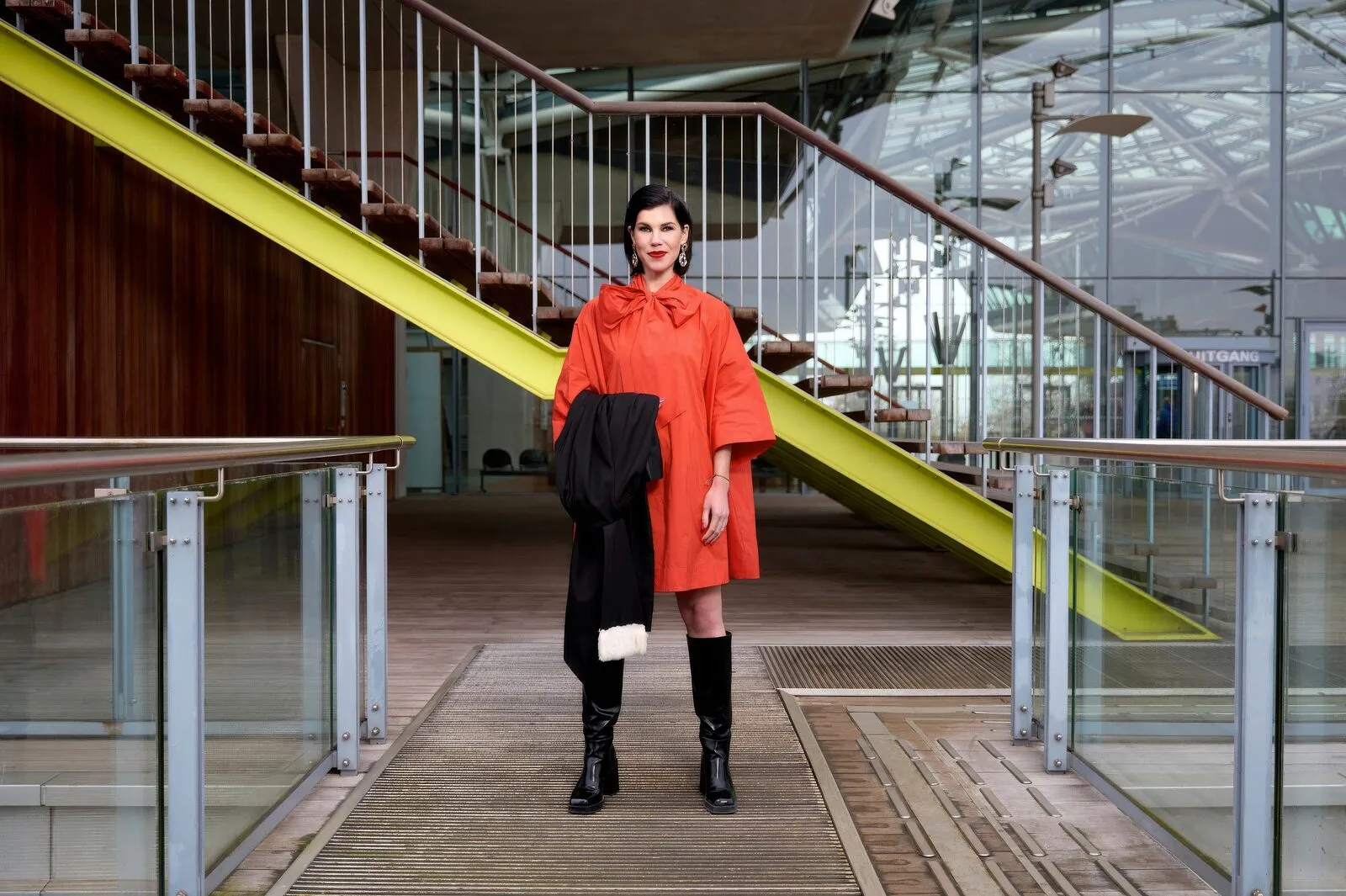
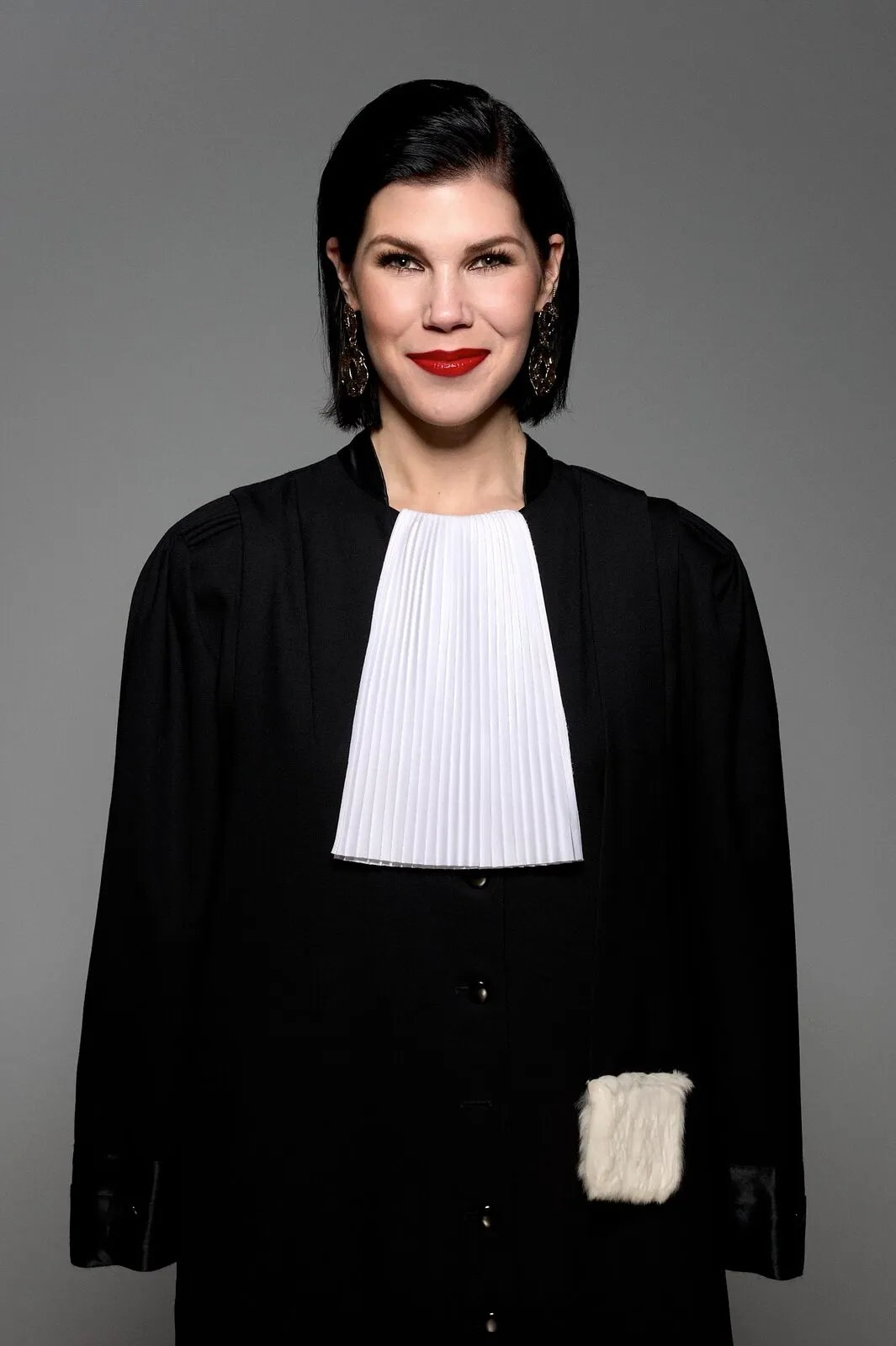
Lawyer Davina Simons loves colour, thinking outside the box and justice. She stood out as a child and spoke up for anyone left out of the group. Today, she still does that as a criminal defence lawyer, only the cases are weightier and the questions more complex. Behind every act, she looks for the person, and behind every judgement, the context. We talk about her grandad, who never stopped believing in her, why our prisons don’t make people better, pink cars, second chances and why, according to Davina, you’re better off celebrating life to the full. We take stock of life and work with Davina Simons, for now.
When did you first realise: this isn’t fair?
Davina Simons: Back in nursery. If someone wasn’t allowed to join in or was excluded, I’d try to bring them into the group. Apparently, I was already a bit of a peacemaker: getting everyone back together, talking and playing again.
I was bullied myself too, because I was a bit of an outsider. If you look at photos of me in my first year of school, you immediately think: yes, there she is. I had short hair and my mum used to put lots of little ponytails in it, in all sorts of colours. I was tall too, literally sticking out above everyone else. The bullying got worse at secondary school. When my mum had breast cancer, they used that too: “cancer kid”, pretending it was contagious and they couldn’t come near me. My mum worked at Aldi, so they called me “Aldi trash”. Anything could become an excuse, really.
Once, it ended in a fight. They started pushing and hitting me, and in the end I hit back. That wasn’t my most successful attempt at mediation. (laughs) But that feeling of: this isn’t right, this isn’t fair, was already very strong.
What really makes you angry?
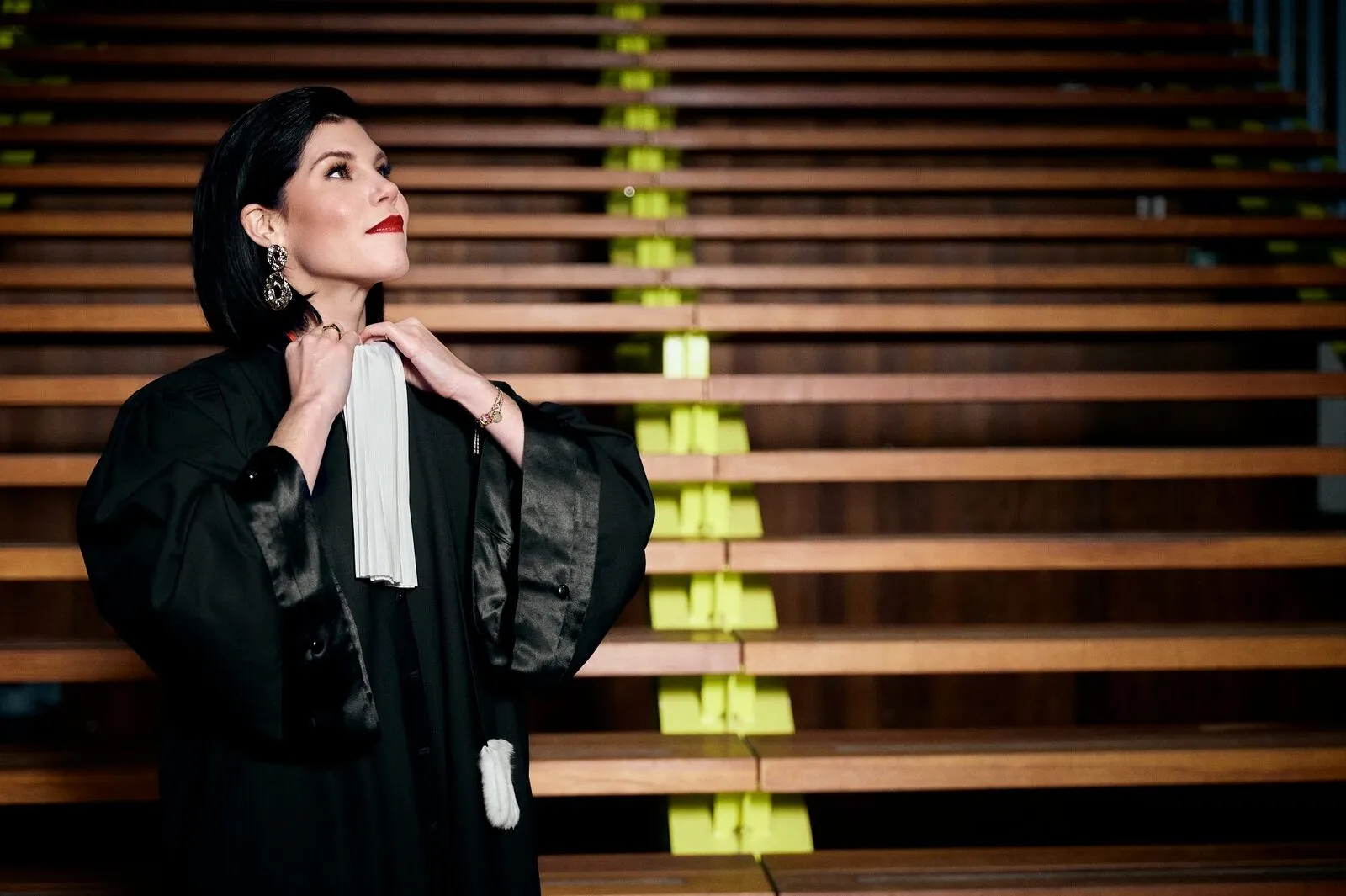
Davina Simons: Injustice. That’s also a major reason why I do my job. If I’m really convinced that something in a case has been handled unjustly and the outcome is different from what I’d hoped for, I can lie awake worrying about it. I think: should I have handled this differently? The judge, of course, makes the decision and you can only do your best, but it’s not always easy to let go straight away.
And, without a doubt, the inhumane conditions in our prisons. We talk about prisons as if they were hotels, but go and see for yourself. Because of overcrowding, people are sometimes held three to a small cell, and hundreds sleep on mattresses on the floor. I find that unacceptable. And then we expect someone to come out better after months or years in there than when they went in? If you lock people up without enough space, support or prospects, you often only make the problems worse. And the majority eventually come back out. So this is about everyone’s safety too.
I think politicians should spend less time worrying about what’s popular or getting re-elected. Your job isn’t to please people. You’re elected to make policy, and sometimes that means taking decisions you know not everyone will like. Is there a justice minister in me somewhere? Who knows? It’s certainly not a lifelong dream, but I’m hugely interested in policy. I wouldn’t even know which political party I’d join today, though. There isn’t one where I think: yes, I completely identify with that.
What colour are you?
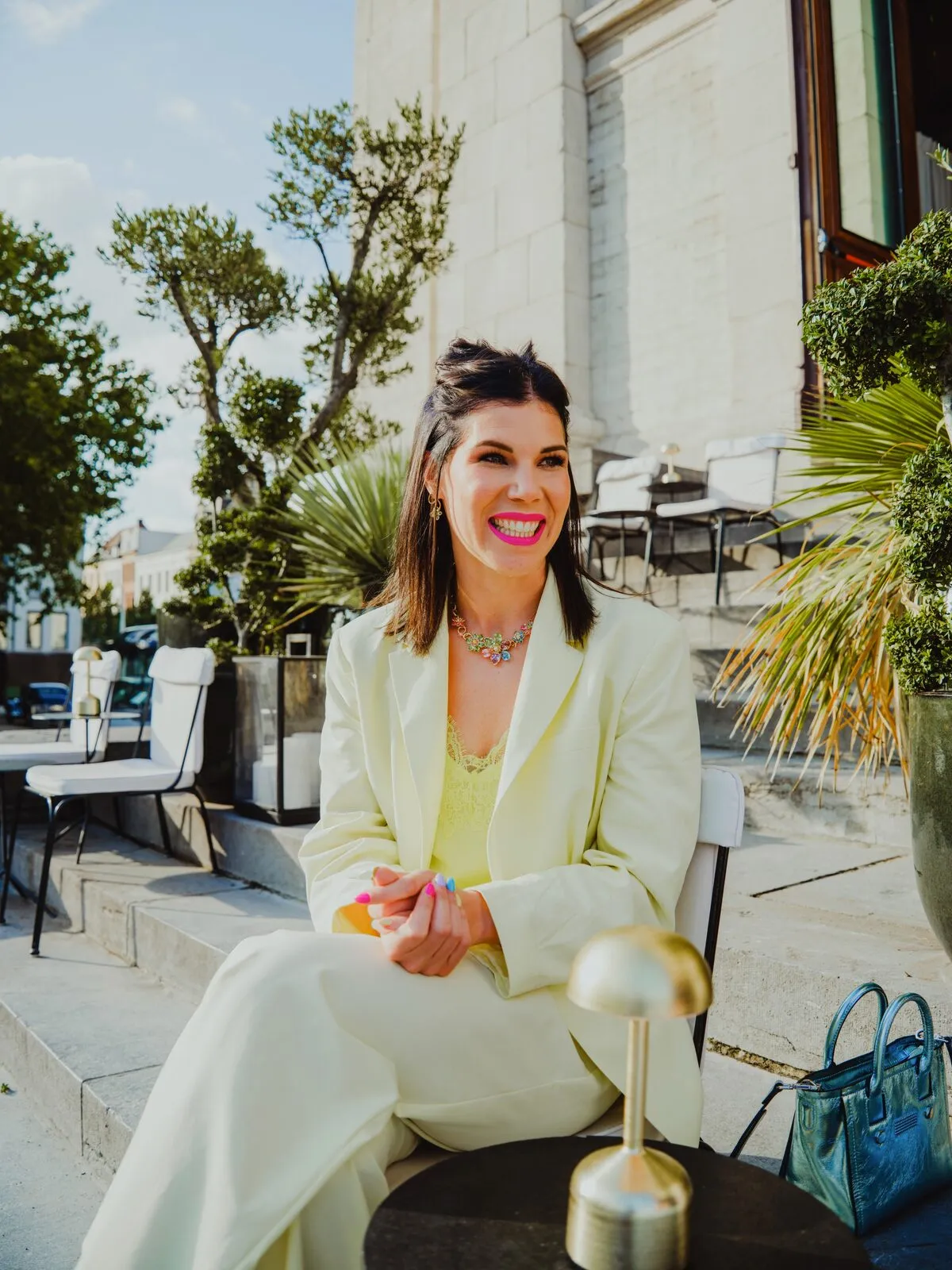
Davina Simons: Pink, without a doubt. It just makes me happy. I wear it all the time, and even my car is pink. That naturally stands out even more in the legal profession, which is still a fairly traditional world. Especially when I started out, I sometimes felt people looking at me as if to say: what’s she doing here? I really had to find my place and earn it. That changes when you do good work and people see what you’re worth. But sometimes I still feel a bit like Legally Blonde. I arrive at a police interview in my little pink car and see my client thinking: I didn’t expect that. (laughs)
Being different has brought me a lot too. You learn that you don’t necessarily have to fit into an existing box, and that you can get somewhere in your own way. Maybe it’s also made me more sensitive to people who don’t fit the mould. In my work, I see every day how easily we put people into categories: offender, prisoner, troubled young person. But behind every label, there’s still a person.
What did you learn too soon as a child?
Davina Simons: To take responsibility. I was ten when my mum got breast cancer. My sister and I didn’t really get much support through it. My mum was open about it, but of course she was the one who was ill. She was in hospital a lot with complications. So I took on things at home and helped look after my sister.
Illness and mortality entered my life very early as a result. After Mum got cancer for a second time, I decided at 21 to have a preventive double mastectomy. I was doing my master’s in Law at the time. I had six operations in total. Although the doctors said I’d be better off taking a year out, I wanted to keep going. It was pretty tough.
I wanted to focus fully on my career after my studies. I thought: if I’m going to do this, it has to be now. I didn’t want to start work and then tell my boss shortly afterwards that I’d be off for a few months to have my breasts removed. But fear was part of it too, of course. I’d watched my mum go through the illness twice, and the second time it was touch and go. I thought: if I can spare myself that, then please!
Who stood up for you when you were young?
Davina Simons: A few teachers, a member of staff at the CLB, and above all my grandad. They supported me when I wanted to study law. That was far from a given at home. My mum was a single parent, no one in our family had gone on to higher education, and the thinking was more or less: it costs a lot, it’s not for people like us. But my grandad and a few people at school believed in me. The CLB staff member even came with me to the university to enrol, and helped me find a room. I might not have taken that step without them.
Today, I try to give something back. I’m mainly a criminal defence lawyer, but I also represent young people. I see so many young people who we, as a society, step in to help too late, who go from one institution to another, miss out on psychological support or have to return to an unsafe situation. Then ten or fifteen years pass and we say: “Oh, look what that person has done.” And sometimes I think: where were we fifteen years ago? Everyone is responsible for their own actions, of course. But society has a responsibility too.
My grandad is still my best friend. “You have to draw on your own strength,” he says. Believe in yourself and start from where you are. When I’m stressed or find something difficult, I think of that: come on, draw on your own strength. It helps.
Is every person worth defending?
Davina Simons: Absolutely. The right to a defence is a fundamental right. I don’t defend the act, I defend the person behind it. I look at whether the procedure was properly followed, whether someone’s rights were respected, and I try to provide context.
That doesn’t mean I don’t have limits of my own. For example, I had a client suspected of very serious sexual offences involving children. He kept denying everything, even though, in my view, that was impossible to sustain given what was in the case file. I spoke to him and said: I’m not going to argue for an acquittal as if nothing happened. That conflicts with my conscience, my values and my professional ethics. But because he showed no insight into his guilt, I ended our working relationship.
And yes, I strongly believe in second chances. Most people in prison eventually come back out. I also see plenty of success stories: people who serve their sentence, go back to work, build a family, pay taxes and contribute to society. You just hear much less about those stories in the media.
What has the courtroom taught you about people?
Davina Simons: My work has taught me to see people in a much more nuanced way. I handle very serious cases. In a single day, I might visit someone in prison who is suspected of serious domestic violence and then speak to two people being held for murder. These are serious offences. But they are still people. There’s always a context. That doesn’t mean someone isn’t responsible for their own actions. I certainly don’t want to blame everything on external factors. But sometimes we make things far too easy for ourselves by saying: “I’d never do something like that.” You don’t know that. You haven’t been in those circumstances. Your context is different. There’s no need for that moral superiority.
Is life a struggle or a celebration?
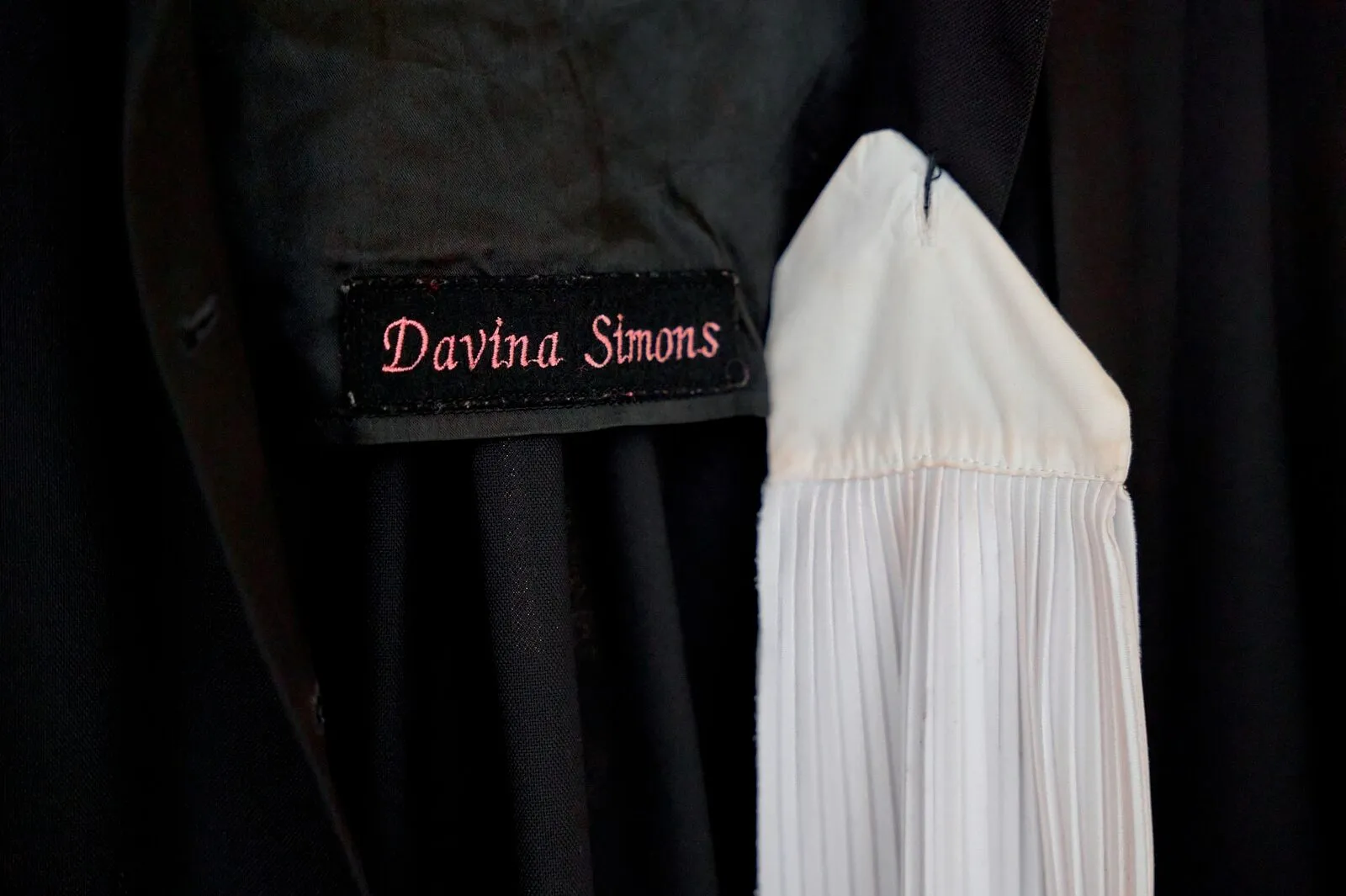
Davina Simons: A celebration, absolutely. I dress every day as if I’m going to a party. (laughs) I see terrible things happen in my work. Victims of crime, families who lose someone, people whose lives are turned completely upside down from one day to the next. I can completely understand that life can sometimes feel like a struggle.
But I also see how incredibly strong people can be. How someone can get back on their feet after something terrible, carry on and build something again. Sometimes I watch in real admiration. People can bear so much. Maybe that also makes me extra grateful for what I have.
I’ve been through things, of course. My mum’s illness, and a childhood that wasn’t always easy. But I’m also very aware of how lucky I’ve been: people who helped me, friends who are still there, opportunities that eventually came my way. So I really try to make something of it. I’m very much a “seize the day” person. It could all be over tomorrow. So you’d better make the most of everything you have today. And preferably in colour.
Question about this story? Ask your question
Keep following this
Get an email when a new story is published. No account needed.
- SubjectGeneral