VUB research centre is a European pioneer in electric driving and charging
Text Björn CrulImage MOBI
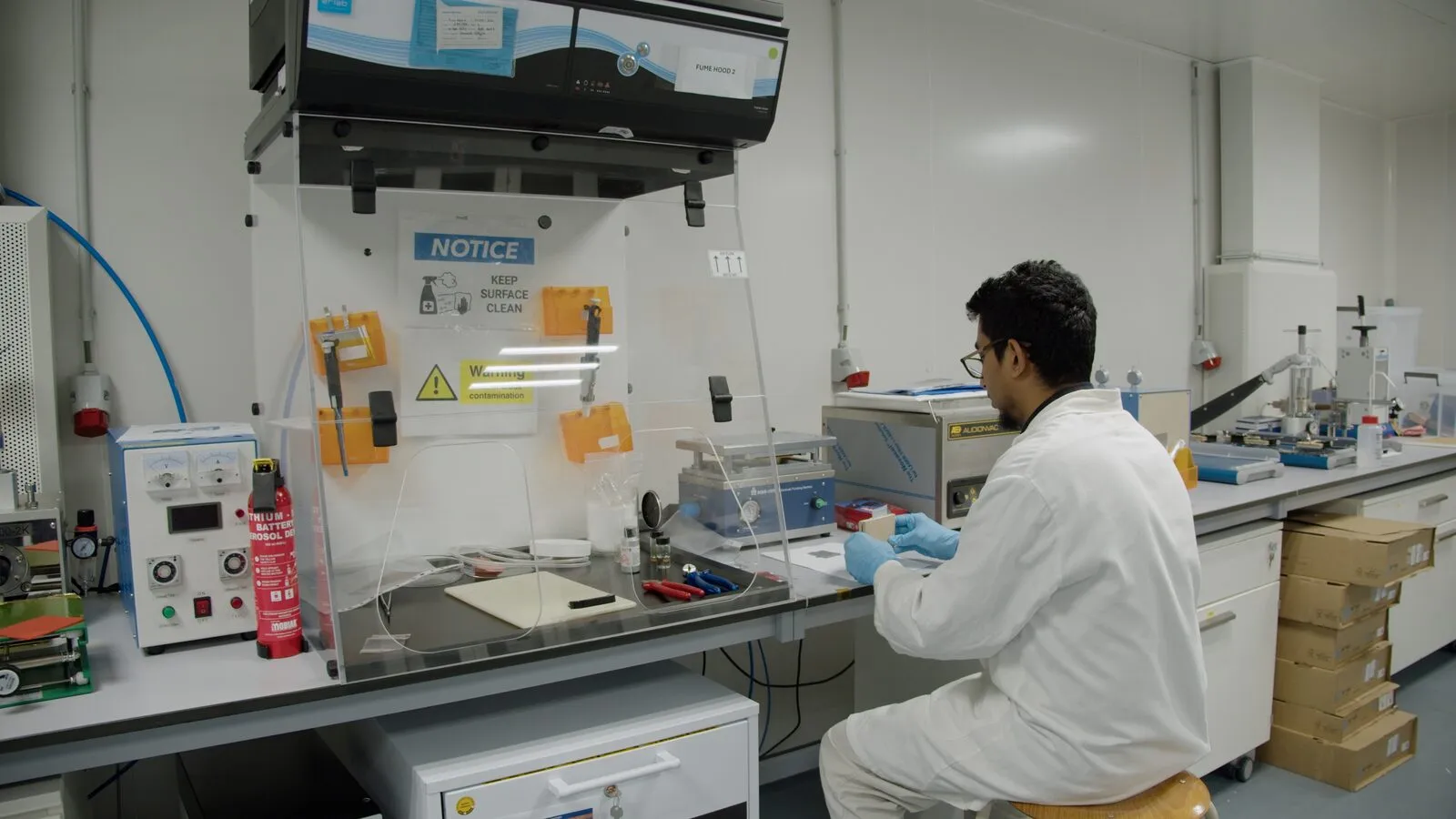
Electric driving has advanced at a rapid pace over the past decade. But the evolution is far from over: work continues on new battery technologies, more efficient drivetrains, faster charging options and, above all, the smart integration of charging infrastructure into the electricity grid. Our country plays a notably important role in this research. The VUB’s MOBI Electromobility Research Centre has 120 experts working with European carmakers and local technology companies on the future of electric mobility.
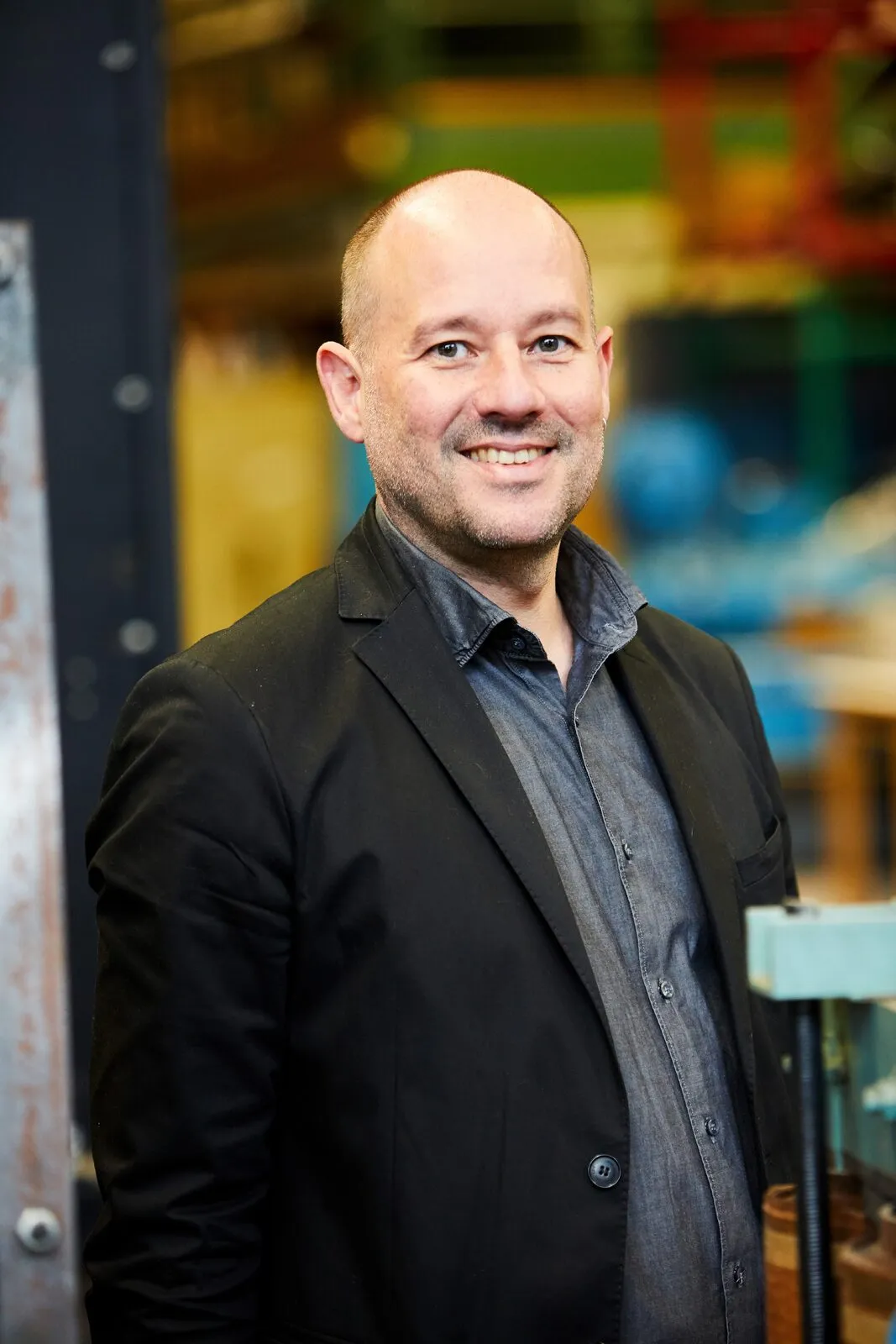
Research into electric driving at the VUB began 50 years ago. Since then, the MOBI research group has grown into one of Europe’s leading centres for electromobility. “We research various aspects of electric vehicles, from drivetrains, batteries and charging infrastructure to the socio-economic impact of e-mobility,” says Professor Joeri Van Mierlo. “In-vehicle technology is already highly advanced, but new challenges are emerging around charging, energy supply, component lifespans and integrating millions of electric vehicles into the electricity grid.”
A laboratory for European industry
Collaboration with companies is crucial in this field of research. MOBI coordinates several European projects in which it works with major carmakers and their suppliers, for example, to test the efficiency and reliability of battery technologies. “We can produce prototype battery cells ourselves. We also have a laboratory where up to 300 different cells can be tested simultaneously. This allows companies to assess whether a new battery technology is suitable for their applications.”
“Locally, we work closely with technology companies that are developing new charging solutions, for example, or seeking better models for predicting the lifespan of vehicle components. Bringing together this expertise and our state-of-the-art facilities makes it possible to develop megawatt chargers for freight transport, for example. That is unique in Belgium,” says Van Mierlo.
Smart charging is the next challenge
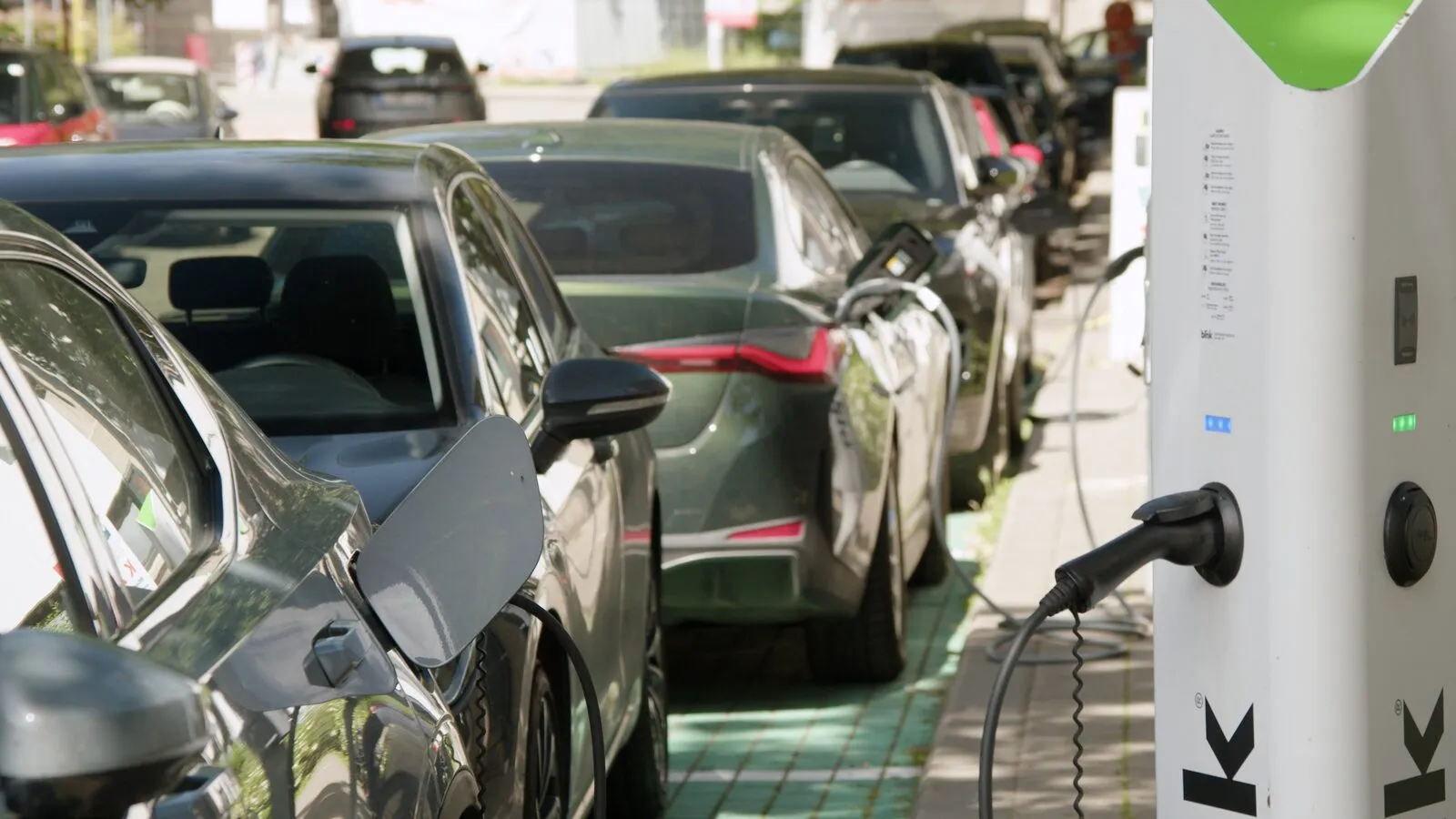
When it comes to charging infrastructure, the professor expects a major wave of innovation in the coming years. The more electric cars and charging points there are, the greater the risk of peak loads on the electricity grid. “A major challenge is to make our charging infrastructure smart, so that we charge at the right times, when there is plenty of solar power or electricity prices are low.”
Smart management can determine which car receives energy and when, adapting charging to available capacity, electricity prices and local renewable energy generation. “That is relevant for every application: households charging at home, large company car parks, and the entire distribution grid. If we can work with industry to develop smart technology that can also feed electricity back into the grid when needed, through so-called bidirectional charging, we will create a real lever for balancing peaks and troughs in electricity generation.”
Collaboration between research centres and industry can help Belgian companies develop, test and commercialise such new solutions more quickly. “We see it as our role to create economic value. The electric car is gradually reaching maturity, but the ecosystem around it is still a long way from mature. That is where the opportunities lie, both for us as researchers and for the technology sector.”
Brussels as a test bed
The MOBI Electromobility Research Centre also works with public authorities. Commissioned by the Brussels-Capital Region, for example, the researchers developed models to determine the best locations for installing charging points. “Among other factors, we take into account household income, whether homes have garages, consumer behaviour and so on. This information is particularly useful for companies investing in charging infrastructure, helping ensure it is used as much as possible.”
The model provided the basis for a charging-point policy plan for the capital. “We are now refining our model further using data on actual usage. This allows us to identify where infrastructure is used less intensively, where charging points are becoming saturated and where additional capacity is needed. This facilitates data-driven policy and investment,” concludes Joeri Van Mierlo.
Question about this story? Ask your question
Keep following this
Get an email when a new story is published. No account needed.
- ThemeTransforming business mobility
- SubjectMobility