




What Flemish entrepreneurs can learn from China
Text Bavo BoutsenImage David Holvoet, Piet Gruwez
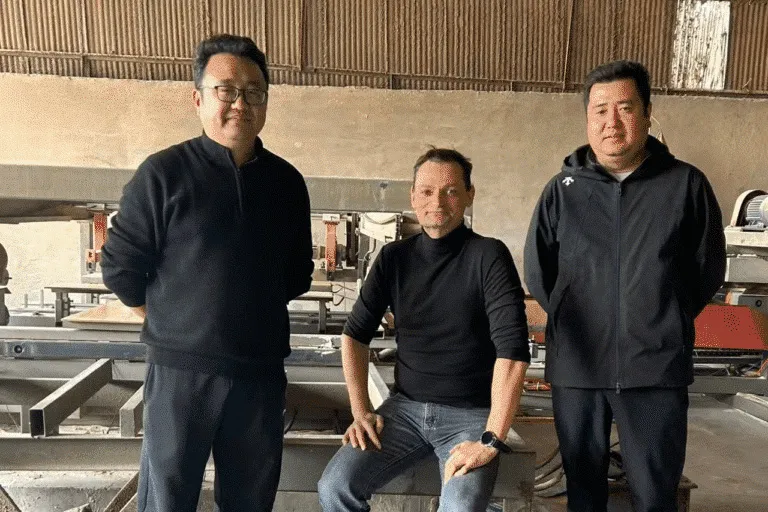
China is no longer the world’s factory, but is changing the rules of the game for industry. Products reach the market faster, innovations follow one another at pace and companies are constantly adapting. Flemish entrepreneurs who have been active there for years point to the major differences with Europe. “The West faces a choice: adapt to the new game or risk being left on the sidelines.”
Geopolitical tensions and concerns about the competitiveness of European manufacturing are pushing the question of how to deal with China’s presence in our markets ever higher up the agenda. The general feeling is that Europe has been overtaken by China, changing the rules of the game. “China is increasingly setting the rules. We will have to adapt, or risk being left on the sidelines as the rules the South wants to follow take shape,” says Pascal Coppens, summing up this sentiment in his latest book, China’s Next Miracle.
China speed
Perhaps the most important factor in this new game is speed. David Holvoet, a Flemish entrepreneur who has lived and worked in Shanghai since 1997, agrees. “China speed is a term often used here, including within our company. The speed at which products reach the market is truly impressive.” Piet Gruwez is CEO of Plastiflex, a market leader in the production of plastic hoses, and has been visiting China regularly for more than 25 years. In his view, this speed can be explained by the way the regime in Beijing has shaped business models: “The overall long-term strategy is very clear to everyone, so everyone is pulling in the same direction. Things are very different in Europe, where decisions often emerge from lengthy consensus-building processes.”
“In this kind of environment, innovation is everywhere,” adds Holvoet, who runs several companies in the timber sector. “It is really the only thing you can do if you want to stay ahead. It becomes a way of protecting your company. That also has to do with the fact that nothing in China is really secret. If someone invents something today, you see it everywhere tomorrow. That is the reality, especially in a sector like ours, which deals in relatively simple products.”
The speed of development is also partly the result of a completely different view of creativity, individuality and intellectual property. Pascal Coppens describes this as “smart copycat behaviour”. As soon as an interesting development appears somewhere, Chinese entrepreneurs treat it as a new starting point for further improvements. The same logic is applied to foreign products, explaining why, for example, Chinese carmakers dominate the electric vehicle market.
The individual and the greater whole
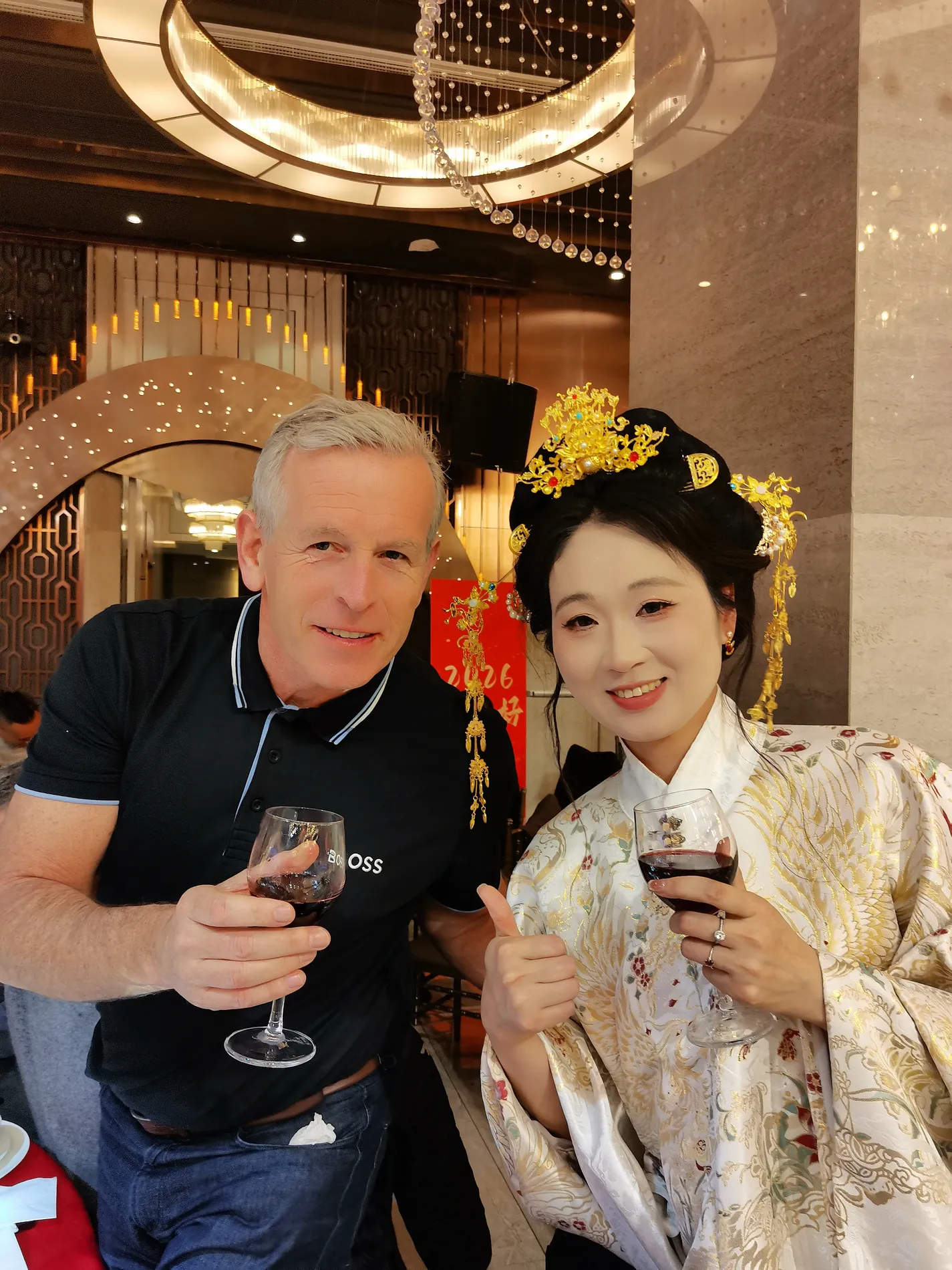
Piet Gruwez links this to the way Chinese people view their position as individuals. “Much more than we do, they grow up with the idea that they are part of a greater whole. There is far less emphasis on individuality, creativity or thinking outside the box, all of which we hold in very high regard.” For Holvoet, this also explains the Chinese attitude towards regulation: “Because of the country’s political structure, they have learnt that there is no point in resisting it. Instead, they consider how they can use the new context to their advantage.”
Both Coppens and Holvoet stress the importance of Chinese workers’ mindset. “They are very committed to their work. Although working conditions have changed considerably over the past few decades, and 16-hour working days are a thing of the past, commitment on the shop floor remains exceptionally strong,” says David Holvoet. “It is a misconception that there is no social protection in China. After all, the country still has a communist state structure.”
An inverted approach to innovation
Their approach to innovation always starts with the existing market, not with the makers’ vision. “Chinese companies prefer to develop only products for which there is market demand, so they invest less time and money in product development at the outset. Only much later do they try to become market leaders. The Chinese innovation model therefore moves from quantity to quality, unlike the Western model, which starts with quality and then scales up in volume over time,” explains Pascal Coppens.
At least as important is that the current AI revolution is ideally suited to this model. China’s national long-term strategy for the coming years aims to make it, more than ever, the world’s leading digital service provider. The new technological era is seen as a machine for creating opportunities, whereas in Europe it is also regarded as a threat.
According to the entrepreneurs, this means Europe needs to take a more strategic approach to industrial policy. “China controls its entire supply chain and has a large domestic market. The European single market is a powerful idea on paper, but it does not exist in practice. It requires harmonisation, standardisation and a genuinely functioning internal market. Until these are achieved, Europe will remain strategically fragmented and structurally disadvantaged,” says David Holvoet. Piet Gruwez agrees: “Today, valuable goods flow from China to us, not the other way round. Europe needs to pay much closer attention to what is happening in China and what we can learn from its model.”
Question about this story? Ask your question
Keep following this
Get an email when a new story is published. No account needed.
- ThemeBusiness growth and entrepreneurship in Flanders
- SubjectGeneral







