




“This is not an end point, but a process of continuous innovation”
Text Björn CrulImage Agoria-Triptyque
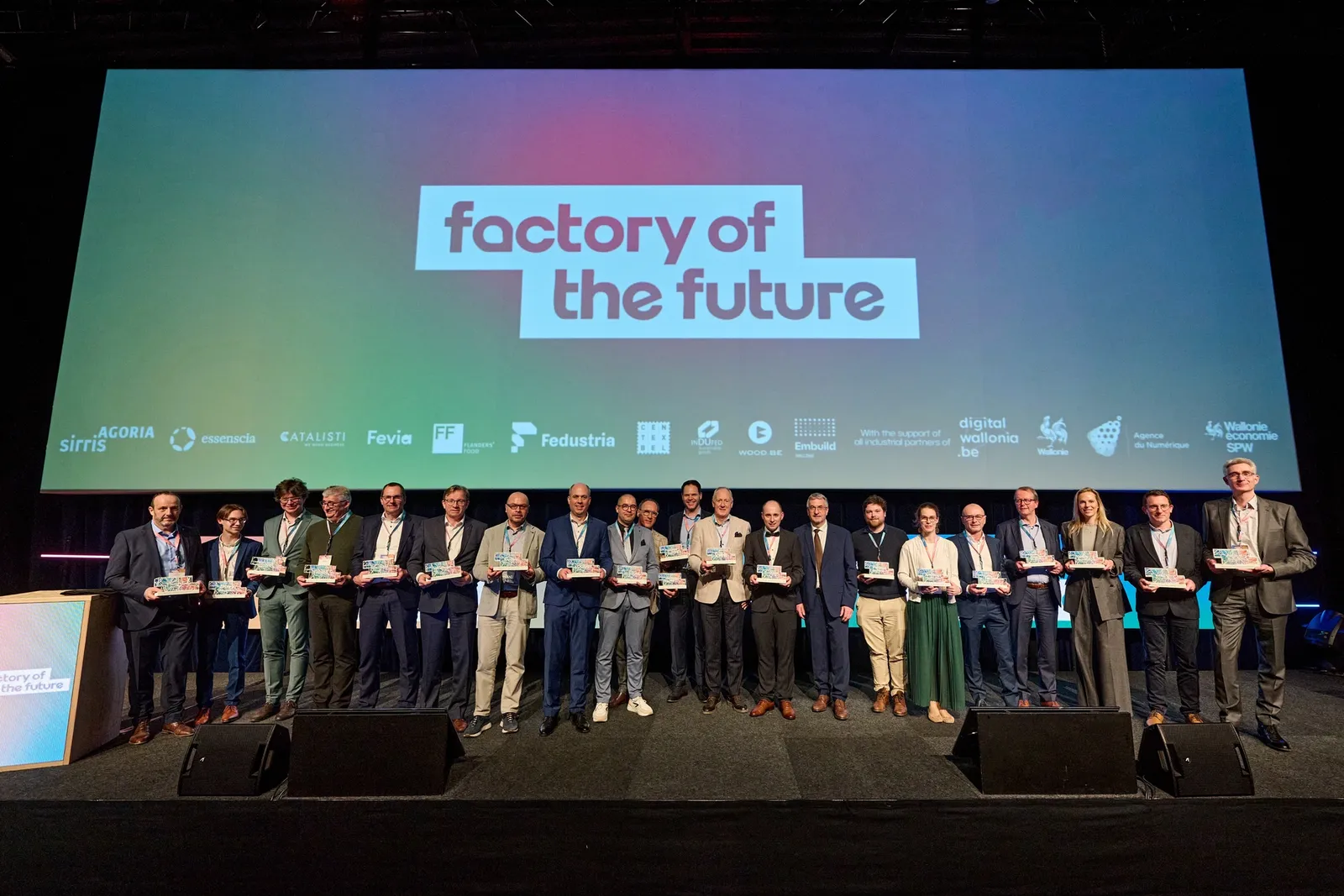
Belgium now has 84 Factories of the Future
Six Flemish companies have been added to the list of ‘Factories of the Future’ following a thorough audit. They are manufacturing companies from a range of sectors that are securing their future potential by investing in digitalisation, automation, greater sustainability and a people-centred organisation. The recognition is valid for three years and gives the award-winning organisations the chance to position themselves as pioneers of Industry 5.0 with customers, employees and other stakeholders.
The ‘Factory of the Future’ project is backed by the sector organisations and spearhead clusters of the manufacturing industry: Agoria, Sirris, essenscia, Catalisti, Fevia, Flanders’ FOOD, Fedustria, Centexbel, Wood.be and Embuild. They support manufacturing companies with their digitalisation and sustainability strategies. Once an organisation has made sufficient progress on the seven proposed transformations, it can receive the label following an assessment.
Chocdecor, a manufacturer of decorated chocolate lollipops based in Lokeren, is the only new addition among food companies. Luk Pattyn founded the company in 1995, and it now exports to 43 countries. Production manager Pieter Noé: “We are pioneers in 3D-printed chocolate. We have invested heavily in our production lines, including automated colouring machines, intelligent quality control and packaging robots. This has boosted our efficiency by 60%. We develop new technologies together with external partners and currently have 14 patent applications pending.”
Sustainability as a strategic pillar
Sports and Leisure Group, based in Sint-Niklaas and part of the TenCate Group, also now has the right to call itself a Factory of the Future. It produces artificial grass. “We produce six million m2 of artificial grass each year for sports pitches, gardens, landscaping projects and events,” says Andreas De Groote, head of operations and automation. The group controls the entire chain, from polymer to finished product. “We have developed a new coating that allows existing products to be fully recycled into new artificial grass or other products, enabling us to work on a cradle-to-cradle basis.”
Kitchen manufacturer Dovy has a state-of-the-art factory in Roeselare, which will hold the recognition for the next three years. Sustainability manager Lore Muylle: “As a Factory of the Future, we are building tomorrow today. We invest in machinery and people, as well as greener energy and water recovery. We manufacture to order, which limits waste. For us, Factory of the Future is not an end point, but an ongoing process of innovation and improvement: for our customers, our employees and the ecosystem we are part of.”
People and technology go hand in hand
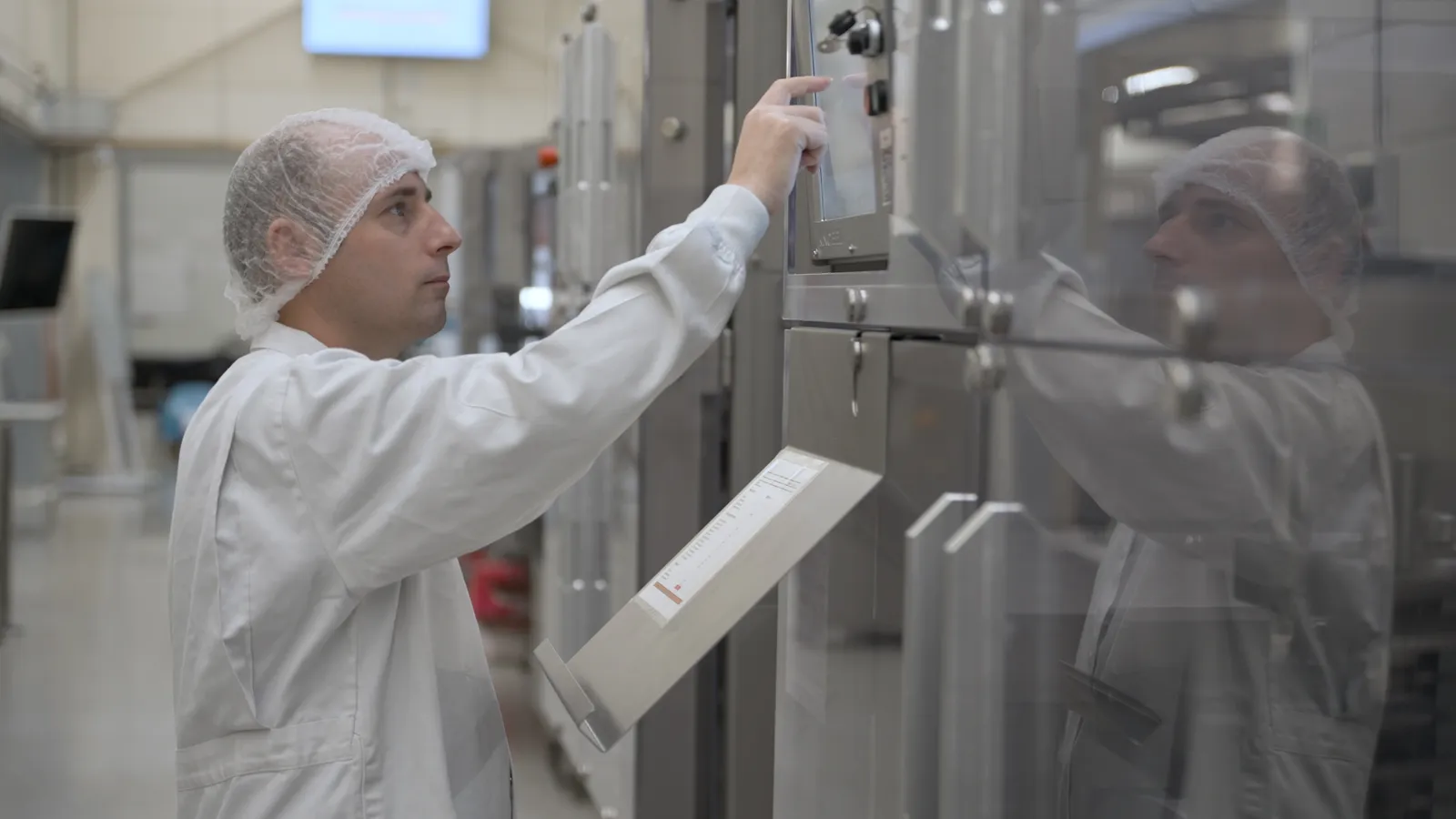
Family-owned Vika, based in Gullegem, produces 2,500 custom-made cabinets a week for kitchens, bathrooms and interiors. It has invested heavily in smart machinery, but also in HR. Flexibility is a common thread running through this factory of the future. “We place great emphasis on training and coaching on the shop floor. As a result, 80% of our employees can perform several different jobs,” explains HR manager Els Viaene. “They also know by now that every investment in ergonomics and digital support makes their work easier.”
Locinox, based in Waregem, develops and manufactures locks, hinges and automation systems for gates and fences. Its products are exported to 87 countries. CEO Bram Dierickx: “Our company continues to grow year after year, so it is important to do so efficiently and productively. The principles of Factory of the Future naturally help us achieve that: digitalisation, automation and making data available all contribute to production stability, short lead times and reliable deliveries.”
The sixth new award winner is Willy Naessens ALU, based in Wortegem-Petegem and part of the construction group of the same name. “We operate in a rapidly changing market and want to be a trendsetter,” says department manager Lieven De Langhe. “Digitalisation makes every stage of our aluminium joinery production traceable, resulting in fewer errors, shorter lead times and higher quality. This recognition confirms that we are on the right track, and we will continue with our initiatives.”
Question about this story? Ask your question
Keep following this
Get an email when a new story is published. No account needed.
- ThemeBusiness growth and entrepreneurship in Flanders
- SubjectGeneral







