Why tackling waste pays off for businesses
Text Roeland Van Den DriesscheImage Renewi
Waste management as the foundation of sustainable business
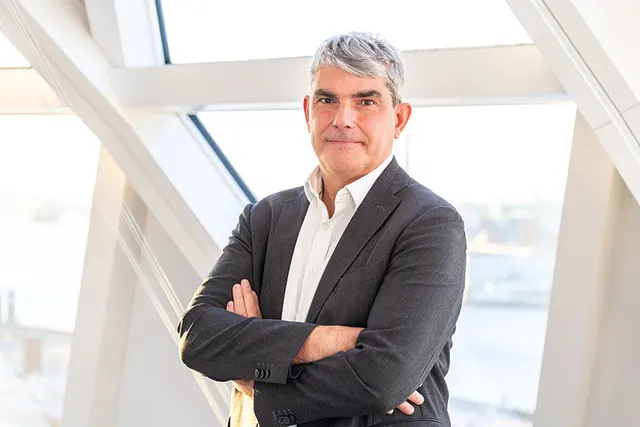
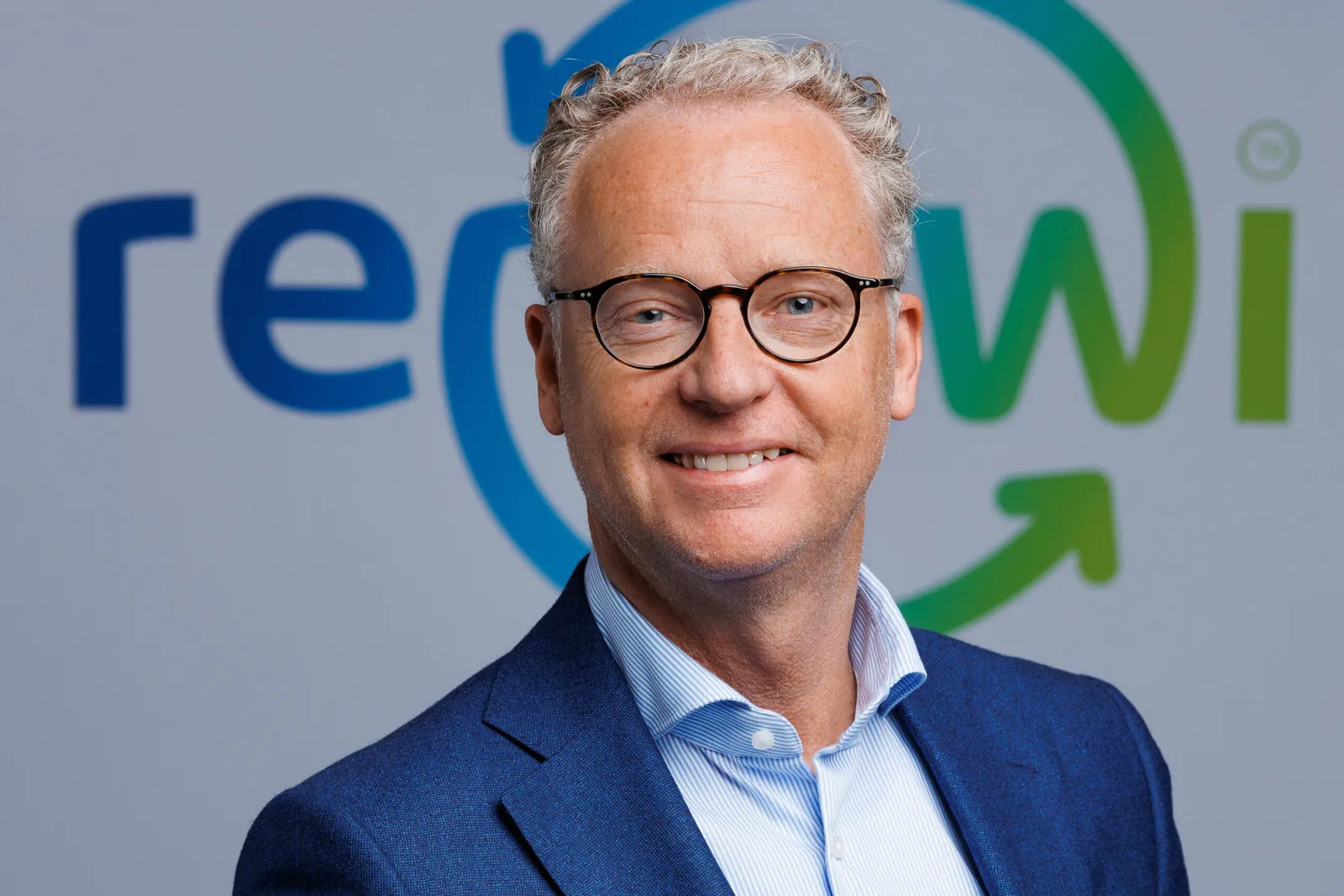
Anyone looking to reduce their ecological footprint should start with efficient waste management. But knowing where to start, how to optimise processes and how to get everyone on board is less straightforward. That is why more and more businesses are turning to a specialist partner such as Renewi. “Whatever your business activity, we deliver targeted improvements and tangible results,” says Bart Deswert, Director Ecosmart at Renewi.
With sustainability attracting growing attention, more and more businesses are looking for greener ways to manage waste. A well-considered strategy is crucial. “Businesses are on the right track, but there is still room for improvement in raising awareness and consistently implementing measures,” says Bart Deswert of Renewi. Businesses often lack clear instructions, or do not have the time and resources to embed their policies effectively. “That is where we come in, guiding them towards a Zero Waste environment, where residual waste has no place.”
Real change starts from within
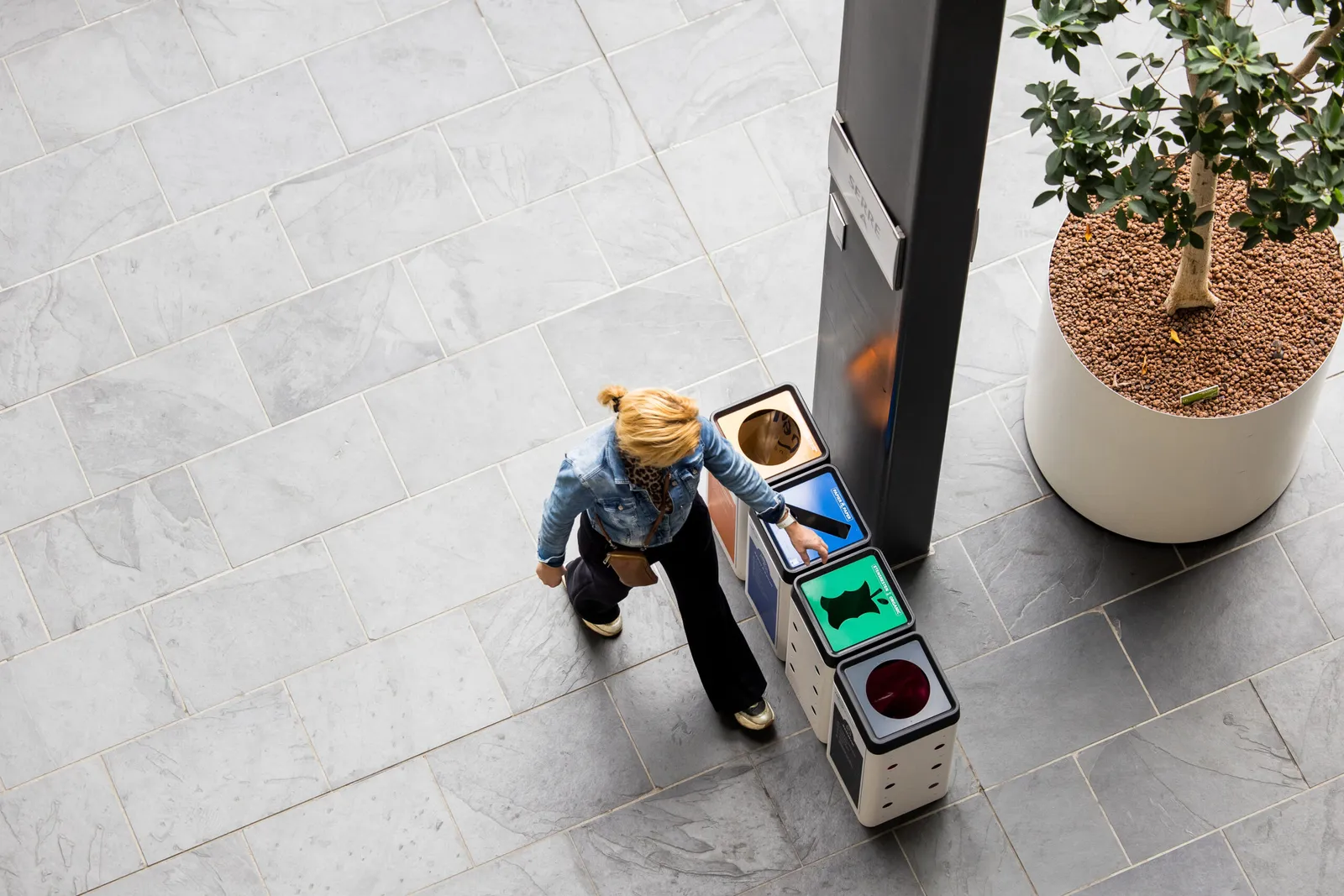
The journey towards a waste-free environment can be quite intensive. Only a handful of businesses can currently call themselves ‘Zero Waste’ companies. “It is important to map all waste streams first, including those from your suppliers, for example,” Deswert explains. Renewi has therefore developed the Zero Waste Office programme, a tailored process that starts with a thorough analysis of the organisation. “We look at how you could, for example, buy more intelligently, work more efficiently and, above all, how we can influence behaviour in the workplace. After all, sustainable change is impossible without engaged employees.”
Since no two businesses are the same, Renewi never takes a standardised approach. “There is no one-size-fits-all solution. That is why we always start with data and insights, which we gather in part through conversations with employees,” Deswert explains. These conversations are deliberately interactive and informal. “Together, we open a rubbish bag, analyse what is inside and look at what could be sorted better. This immediately raises awareness and motivates people to make a difference themselves. Once that understanding is in place, we are already a big step closer to real change and a circular economy.”
Working together is a win-win
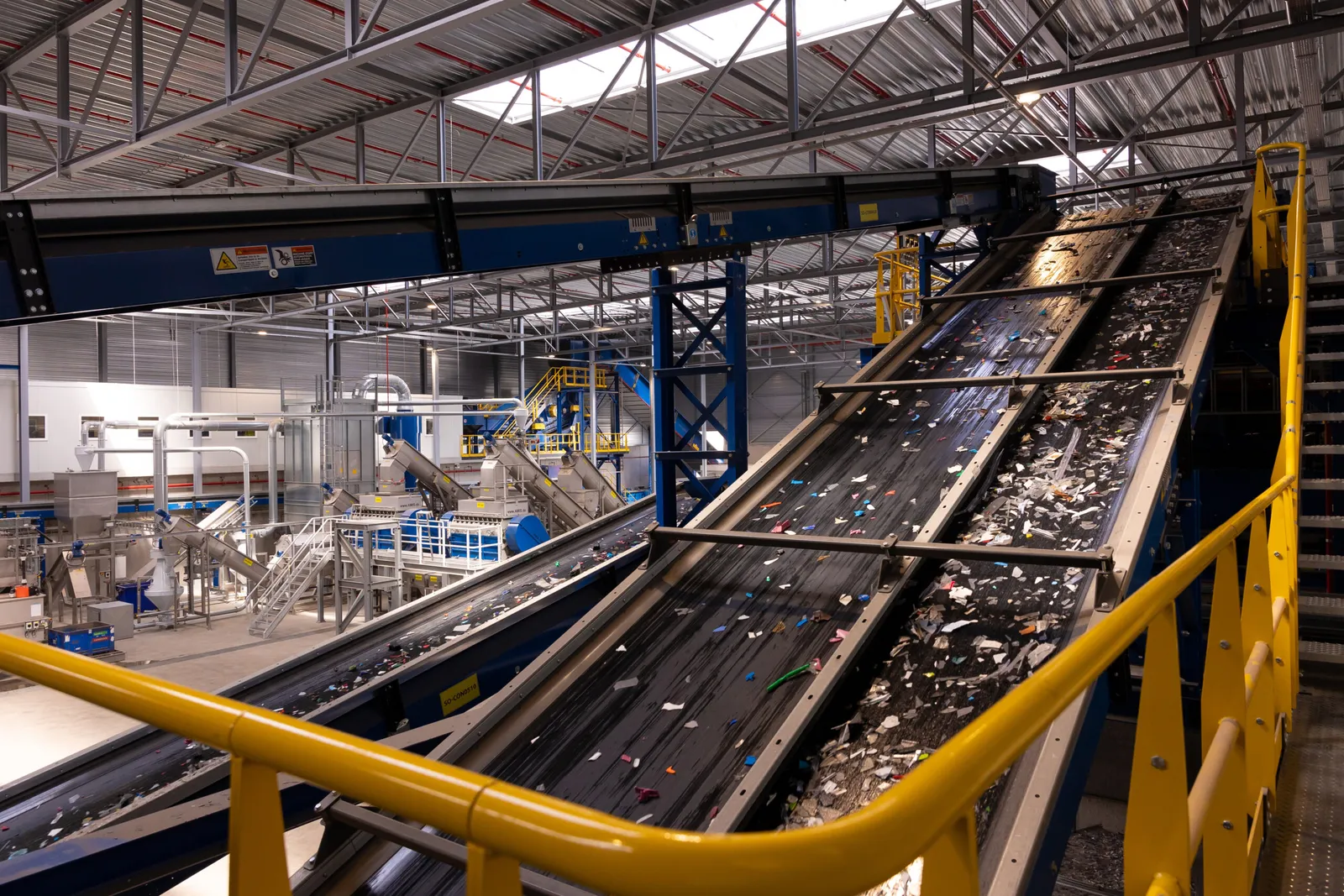
The better businesses sort waste at source, the more waste Renewi can recycle and reuse as circular material. “Turning discarded materials into valuable raw materials remains our core mission, and we need partners to achieve it,” says Deswert. Businesses that enter into a partnership stand to gain a great deal. “Alongside the environmental and financial benefits, a well-considered waste policy also enhances your reputation for sustainability. And that is what makes the difference today, as customers and potential employees increasingly choose organisations that take sustainability seriously. It can therefore give you a competitive advantage.”
Working with Renewi is also worthwhile in the context of European CSRD legislation. Measuring CO2 emissions and circularity, and reporting on them transparently, is becoming increasingly important. “That is why we have also developed a reporting tool that provides insight into the CO2 impact of waste streams. It gives businesses greater control over their waste management,” Deswert adds. These insights can then serve as the basis for developing a credible sustainability strategy. “In any case, it is an excellent starting point for anyone who genuinely wants to reduce their impact and grow with the future in mind.”
Question about this story? Ask your question
Keep following this
Get an email when a new story is published. No account needed.
- SubjectBV Antwerp