More efficient and sustainable paper and cardboard collection
Text Valérie CouplezImage Gilgemyn Recycling
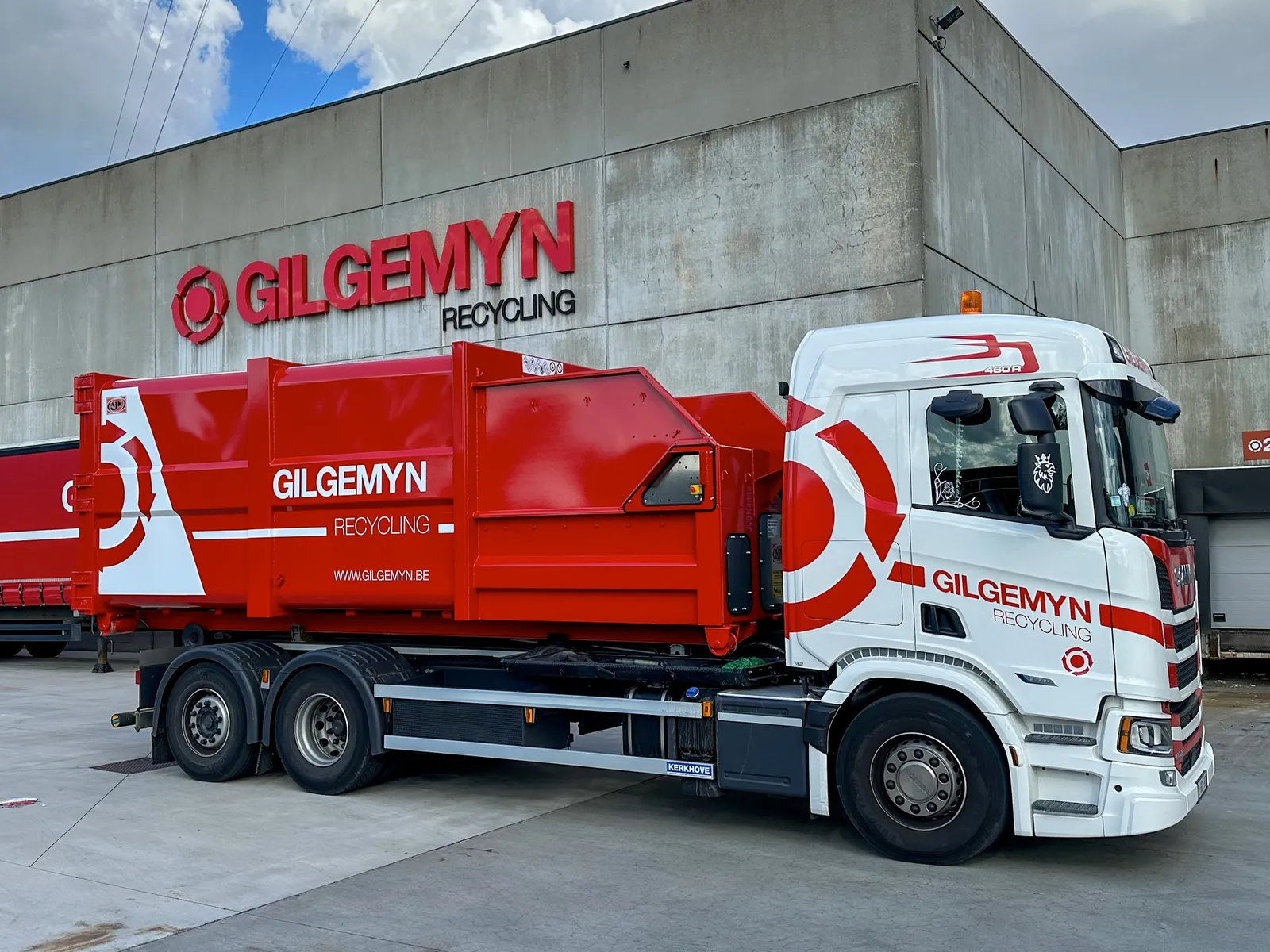
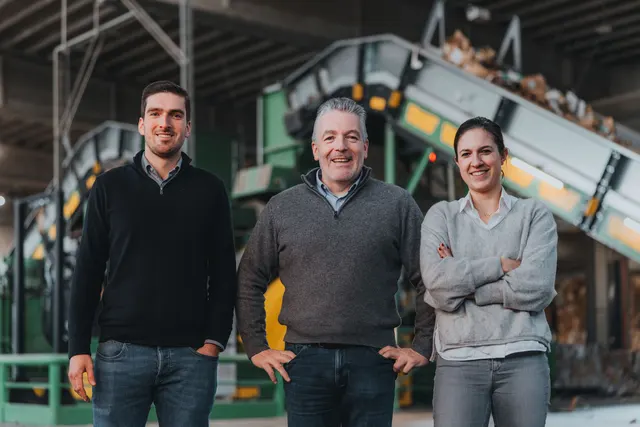
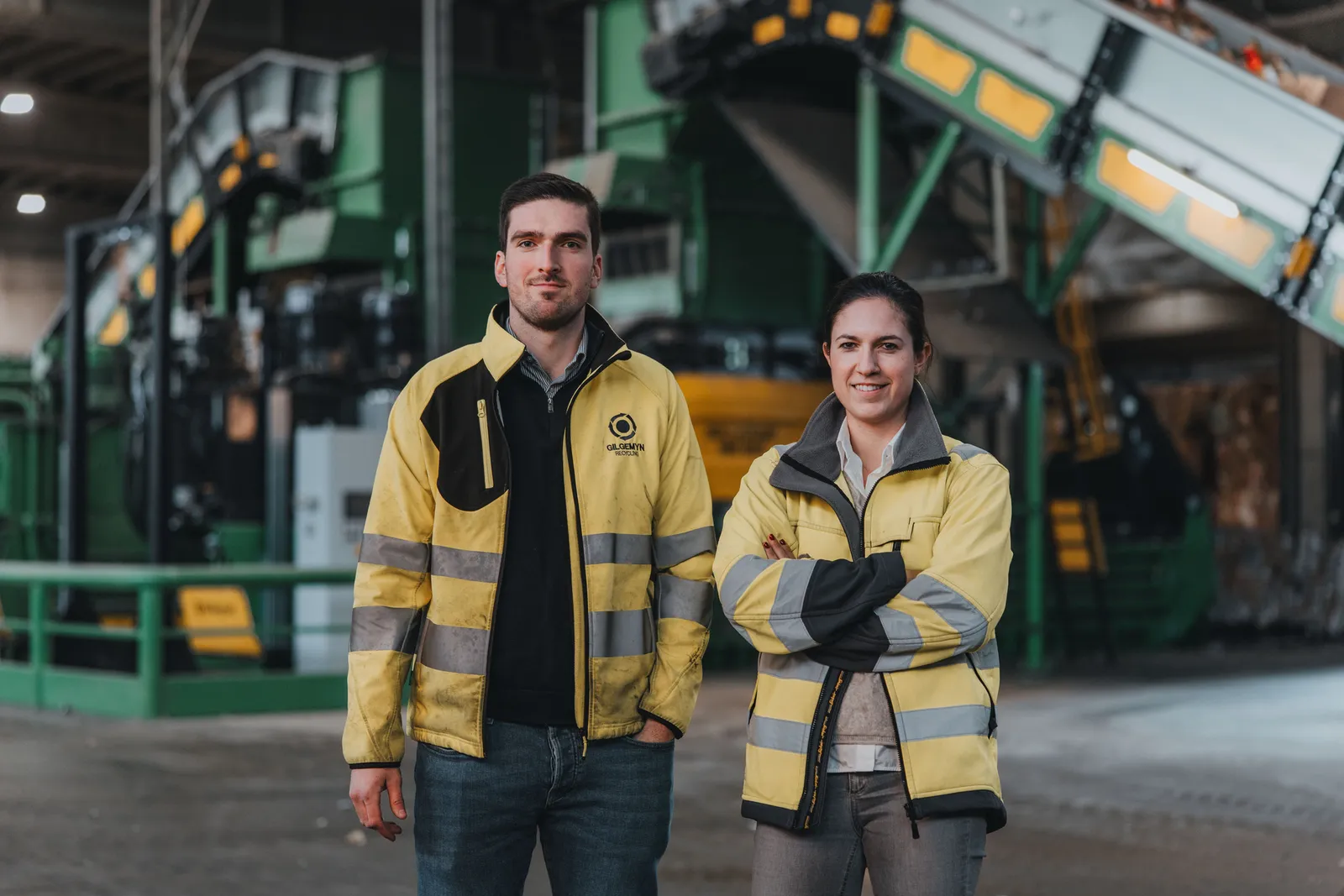
Sustainability is high on the agenda, but it does not necessarily have to come with higher costs. Companies that have opted for a container with a compaction system from Gilgemyn Recycling have already seen this for themselves. Its greater capacity means fewer collections are needed, reducing CO2 emissions. Good for the environment, and good for the bottom line. Maxim and Emma Gilgemyn, the third generation at Gilgemyn Recycling, explain exactly how it works.
As a specialist in paper and cardboard collection and processing, Gullegem-based Gilgemyn Recycling keeps its finger on the pulse. This led it to expand its offering 15 years ago to include containers with compaction systems. “It really comes down to a simple calculation. A self-compacting container (monoblock) or compactor container holds three to five times more than a conventional open skip. That means we have to empty the containers less often, so we drive fewer kilometres and emit less CO2.”
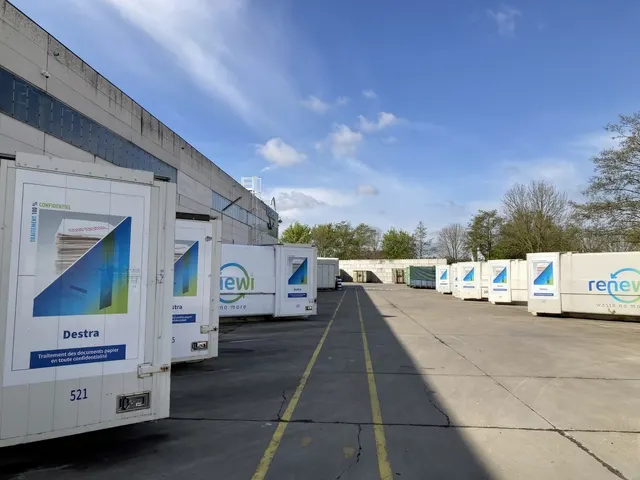
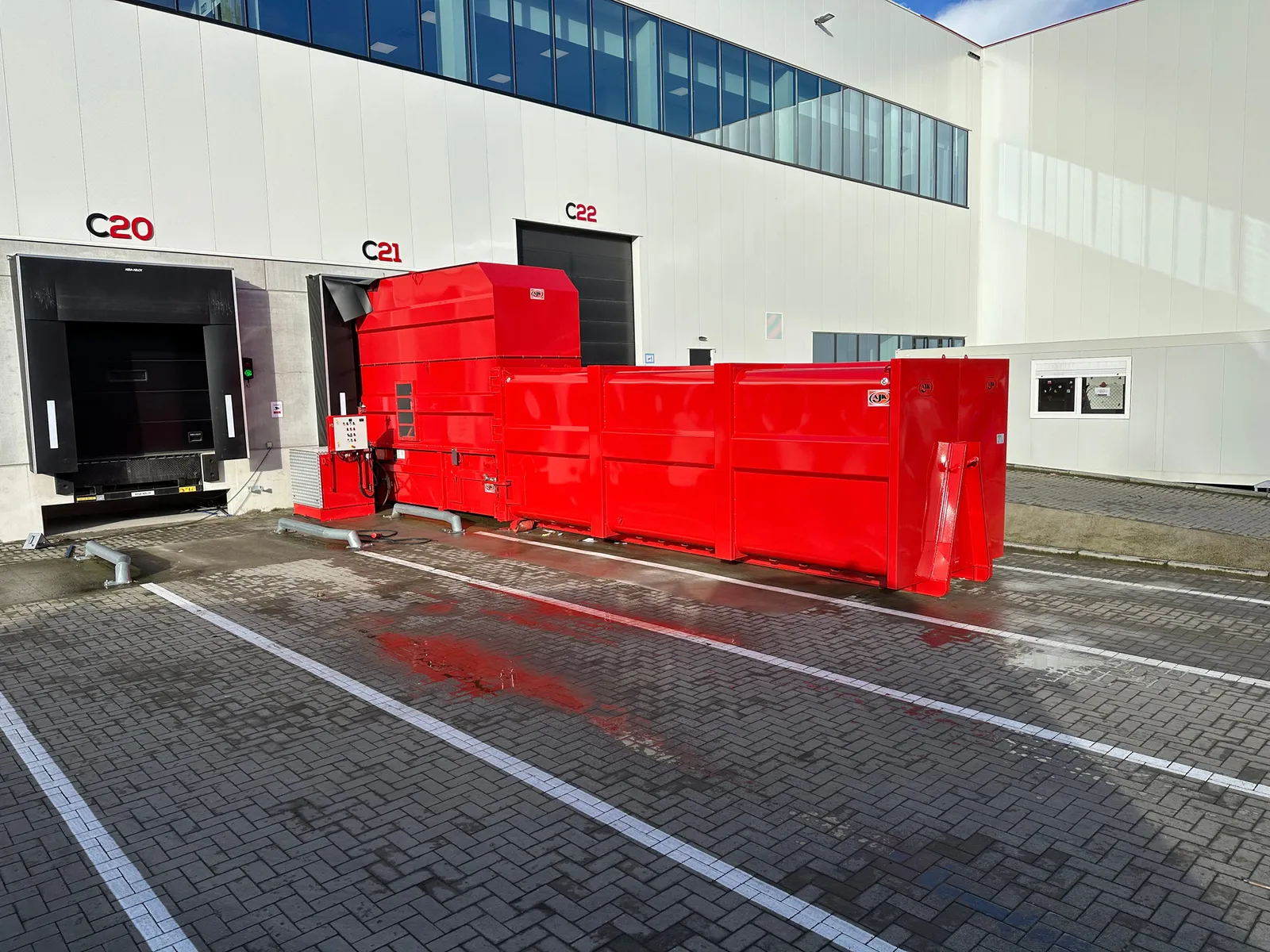
“In a monoblock, the compaction system is built into the container itself. So it is no bigger than a standard open skip. A compactor container is connected to a stationary compactor. The latter is an especially attractive solution if you have enough volume and can fully automate the compactor as part of your production process,” explains Maxim.
More efficient, safer, more hygienic
Gilgemyn Recycling has seen demand for monoblock containers rise. Last year alone, 35 were added. “This is not just about mandatory sustainability reporting,” says Emma. “Many companies have realised that it is simply more efficient too. There are no special preparations needed. You can get started with just an electrical connection.”
“Just work out how much time employees spend each week folding cardboard before putting it in the container. Or how quickly the container fills up if they do not, and what impact that has on capacity. On average, customers with a container featuring a compaction system need three times fewer collections. The extra rental cost of a monoblock can be weighed against the savings in transport costs. What’s more, it is easier and safer to work with because the loading opening is lower. They are also more hygienic because the containers are fully enclosed. And scoring better on sustainability criteria is an added bonus.”
A trusted partner
Gilgemyn Recycling is not concerned that it can charge for fewer collections. Quite the opposite. “As a recycling company, sustainability is part of what we do. Most containers are also fitted with a system that monitors the fill level. When they reach 80%, we receive an alert so we can add the container to our schedule,” says Maxim. Gilgemyn Recycling would rather give its customers sound advice than make a profit on transport. Emma says: “As a family business, our first priority is to be a partner who works with customers to find the best way to process their waste streams. If our data shows that they would be better off with a container with a compaction system, we proactively offer them the chance to trial one for a month.”
As Gilgemyn Recycling expands its fleet of containers with compaction systems, it also avoids driving around empty. “When the compactor container or monoblock is full, we simply swap it for an empty monoblock or compactor container. That way, the customer is never left without one. This is a major advantage for many manufacturing companies. We also save kilometres and reduce CO2 emissions.” The monoblock and compactor containers are available for paper and cardboard, and for plastic film.
Question about this story? Ask your question
Keep following this
Get an email when a new story is published. No account needed.
- ThemeEnergy security and the circular economy
- SubjectIndustry