Round table on the rise of populism: “Businesses and associations are part of the solution too”
Text Björn CrulImage Boris Vermeersch
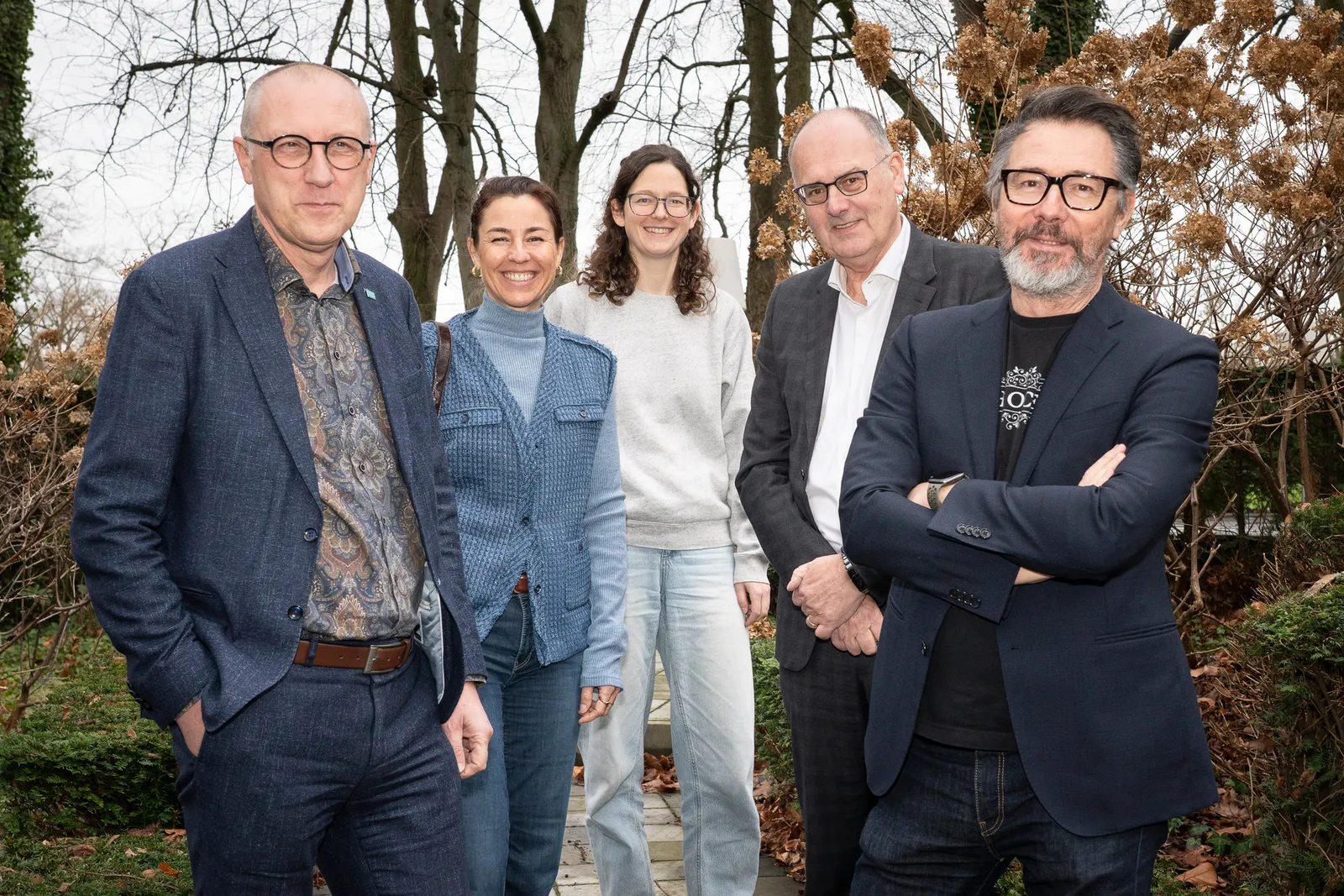
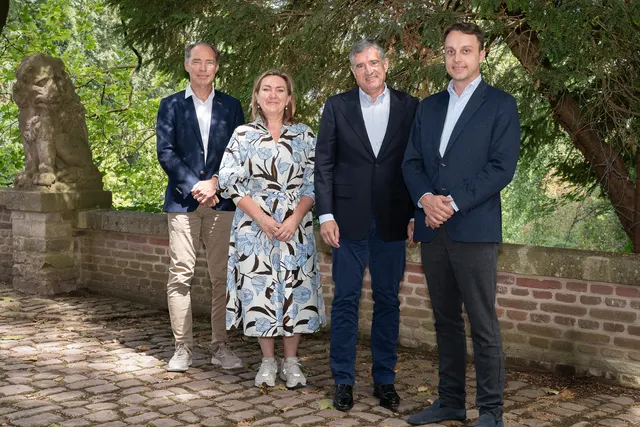
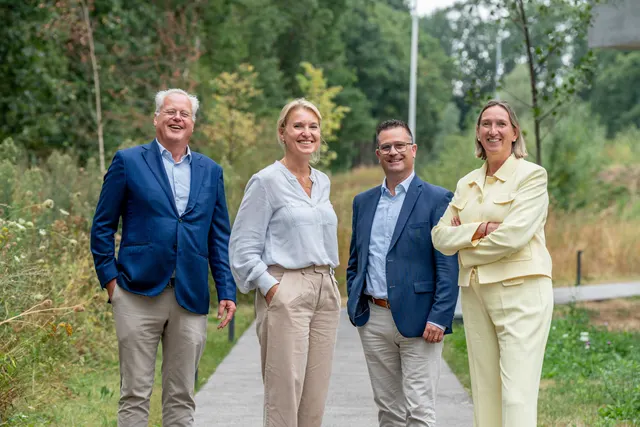
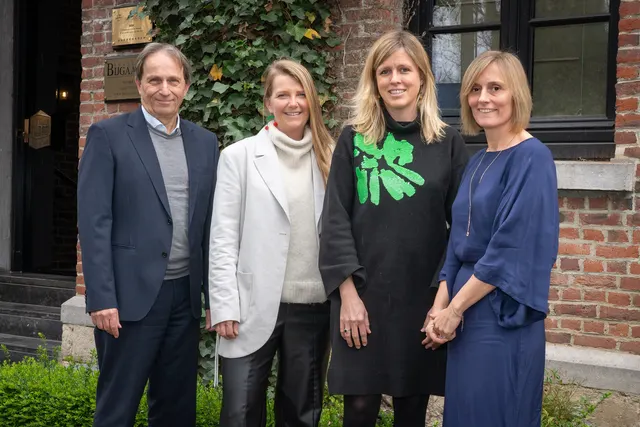
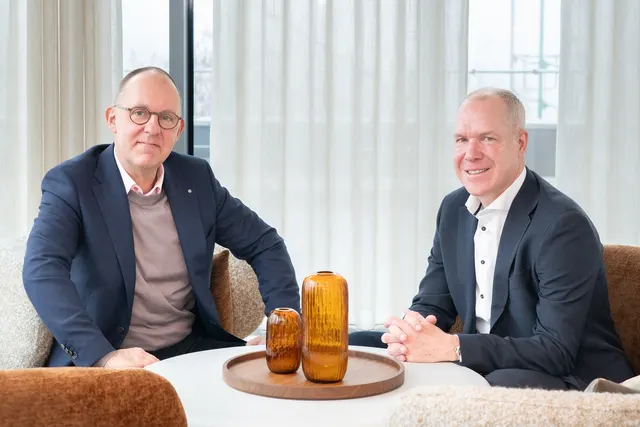
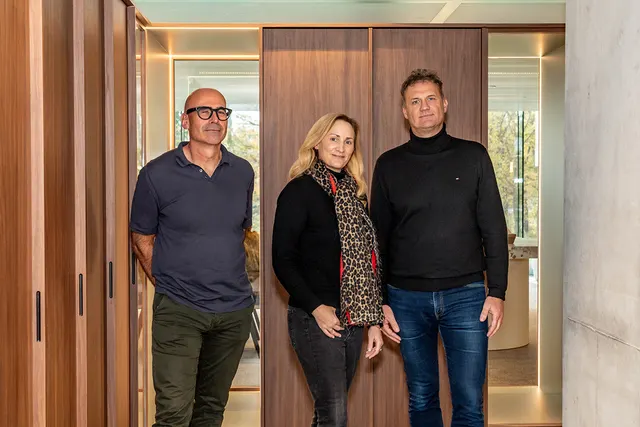
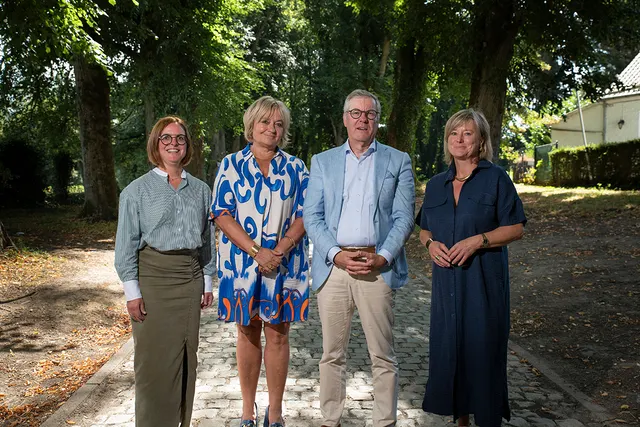
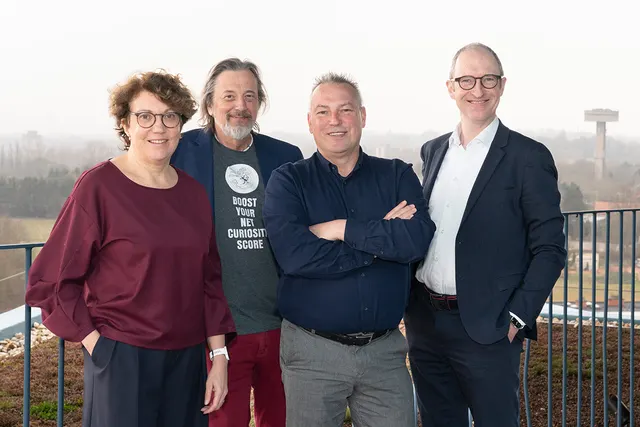
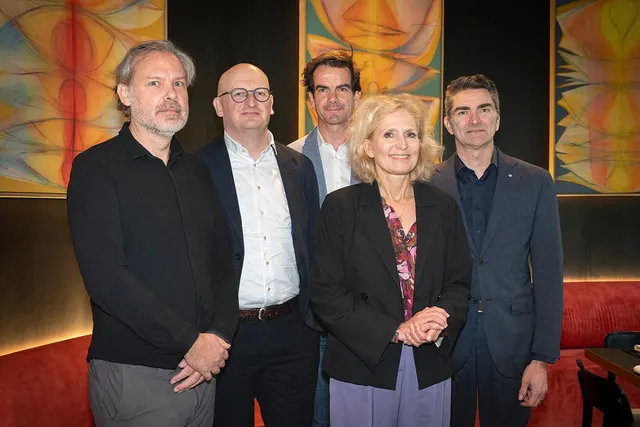
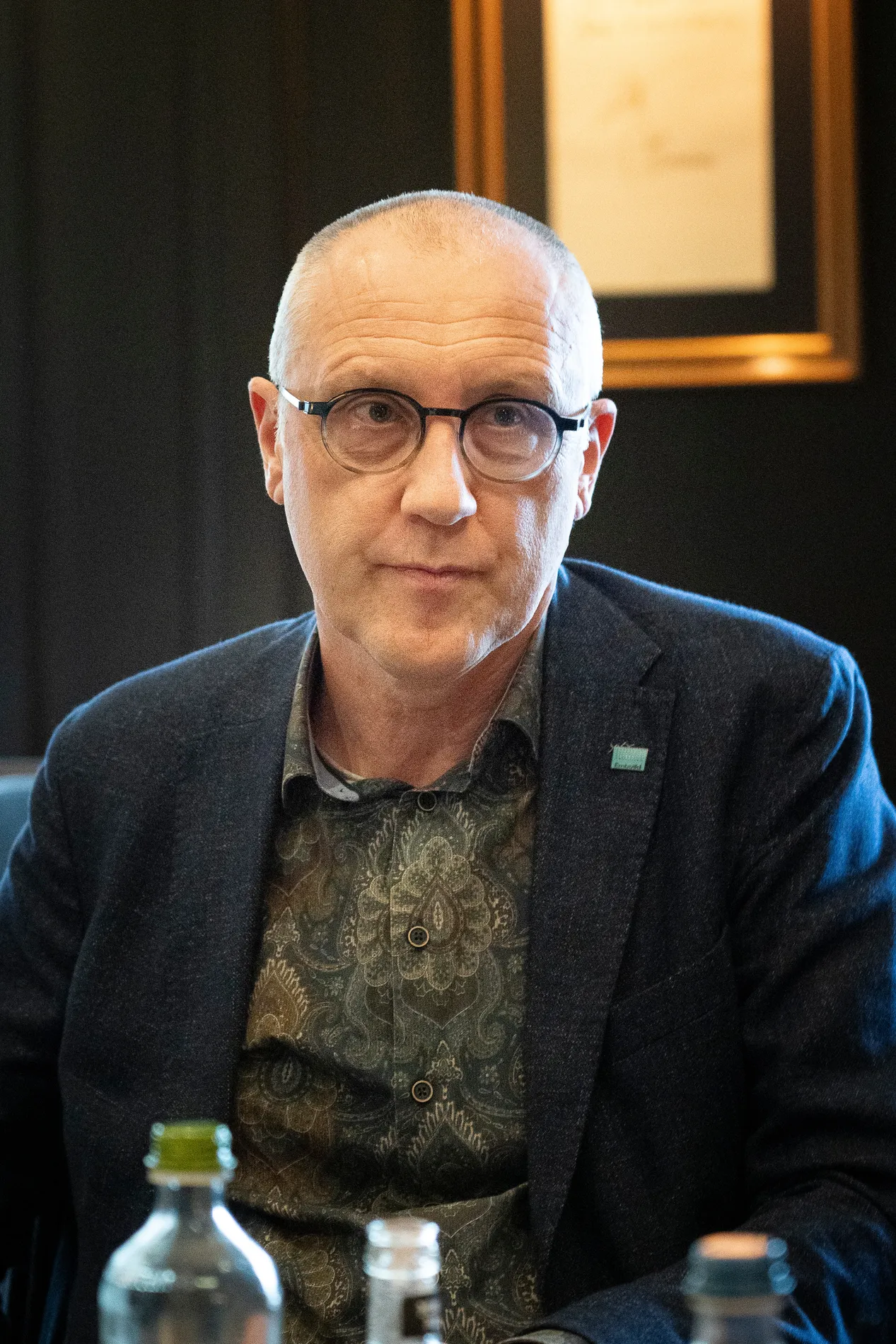
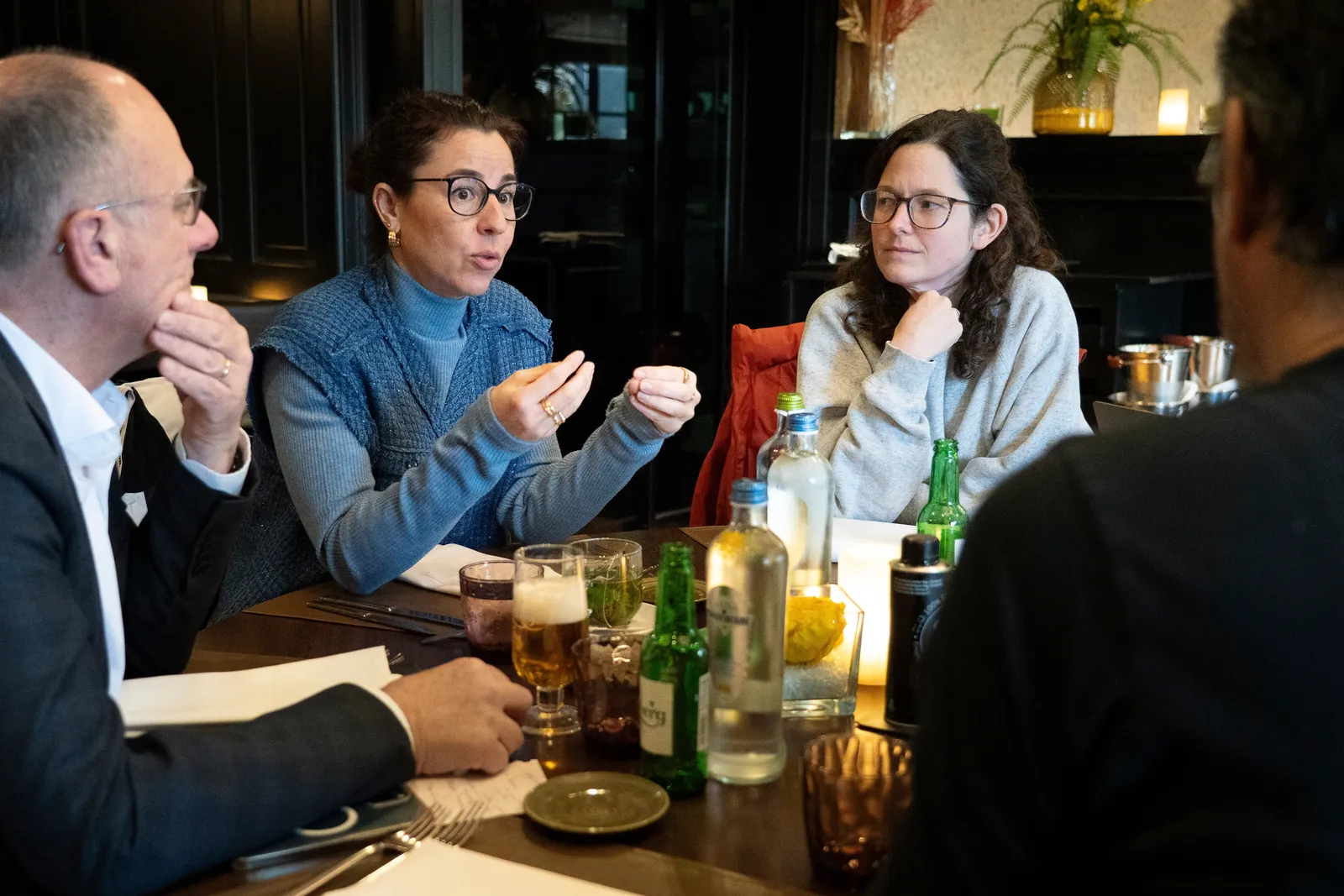
Donald Trump’s second term as US president has been defined by his right-wing conservative, populist agenda. His extreme positions are also gaining ground in Europe. This raises the question: what does that mean for our society, and how can politicians and businesses halt the advance of populism? Business Vlaanderen brought together a five-strong panel to answer these questions: Niko Demeester (CEO Embuild), Dewi Van De Vyver (tech entrepreneur), Julie Sevenans (political scientist, UAntwerpen), Bart De Smet (chairman of Ageas) and Jo Caudron (author and transformation strategist).
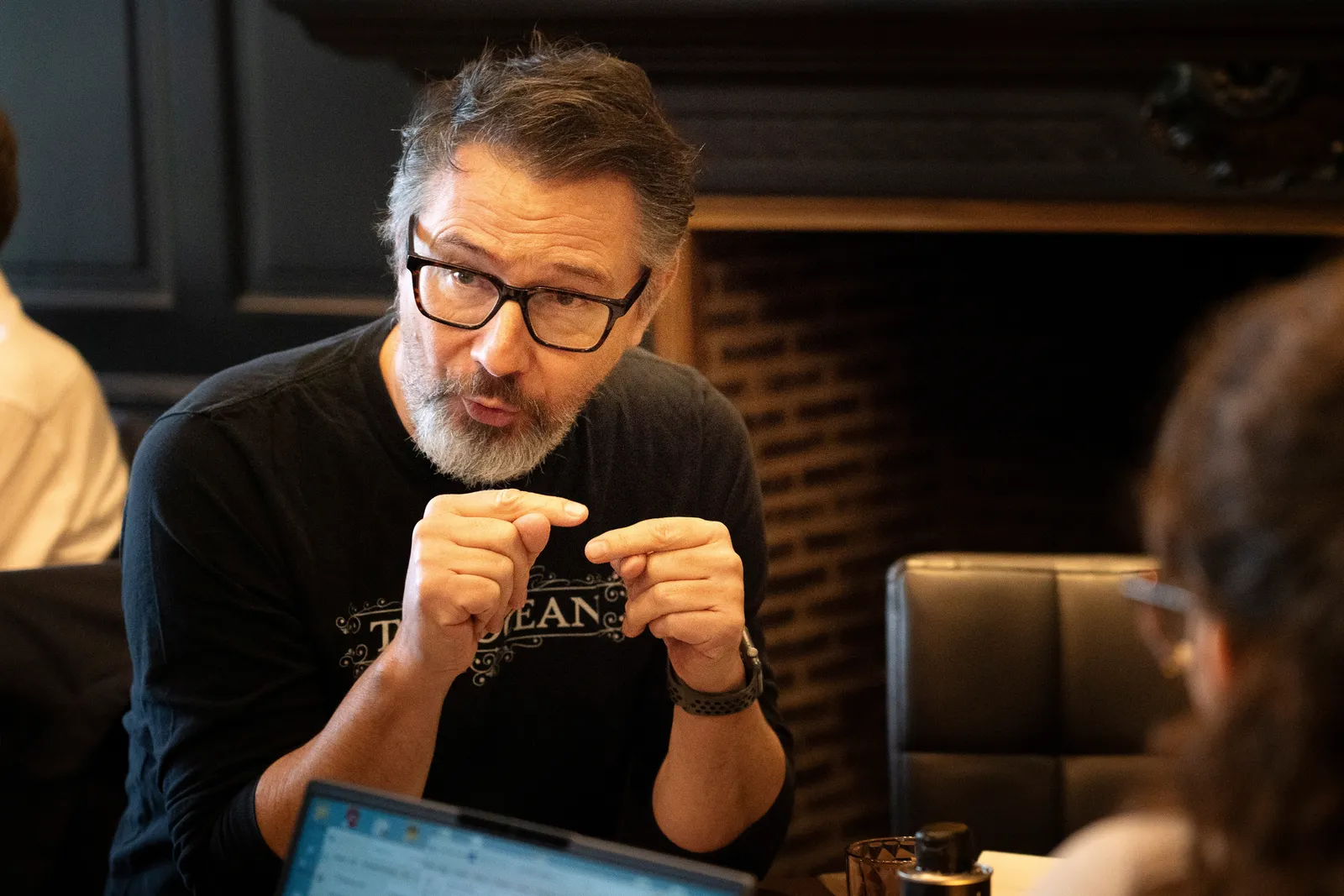
Jo Caudron’s latest book, ‘Fuck the system (en andere slechte ideeën voor de toekomst)’, explores in depth how an agenda is being implemented in the US with positions far more extreme than those Donald Trump was elected on. “His second term has been in the making for years, driven by the movement behind ‘Project 2025’, which had a clear right-wing conservative playbook ready, packed with measures that are now being implemented,” Caudron says. “Trump managed to mobilise a huge number of people with his simplistic slogans. But now that he is in power, a far more extreme agenda is being pursued. In many cases, that is not what voters wanted.”
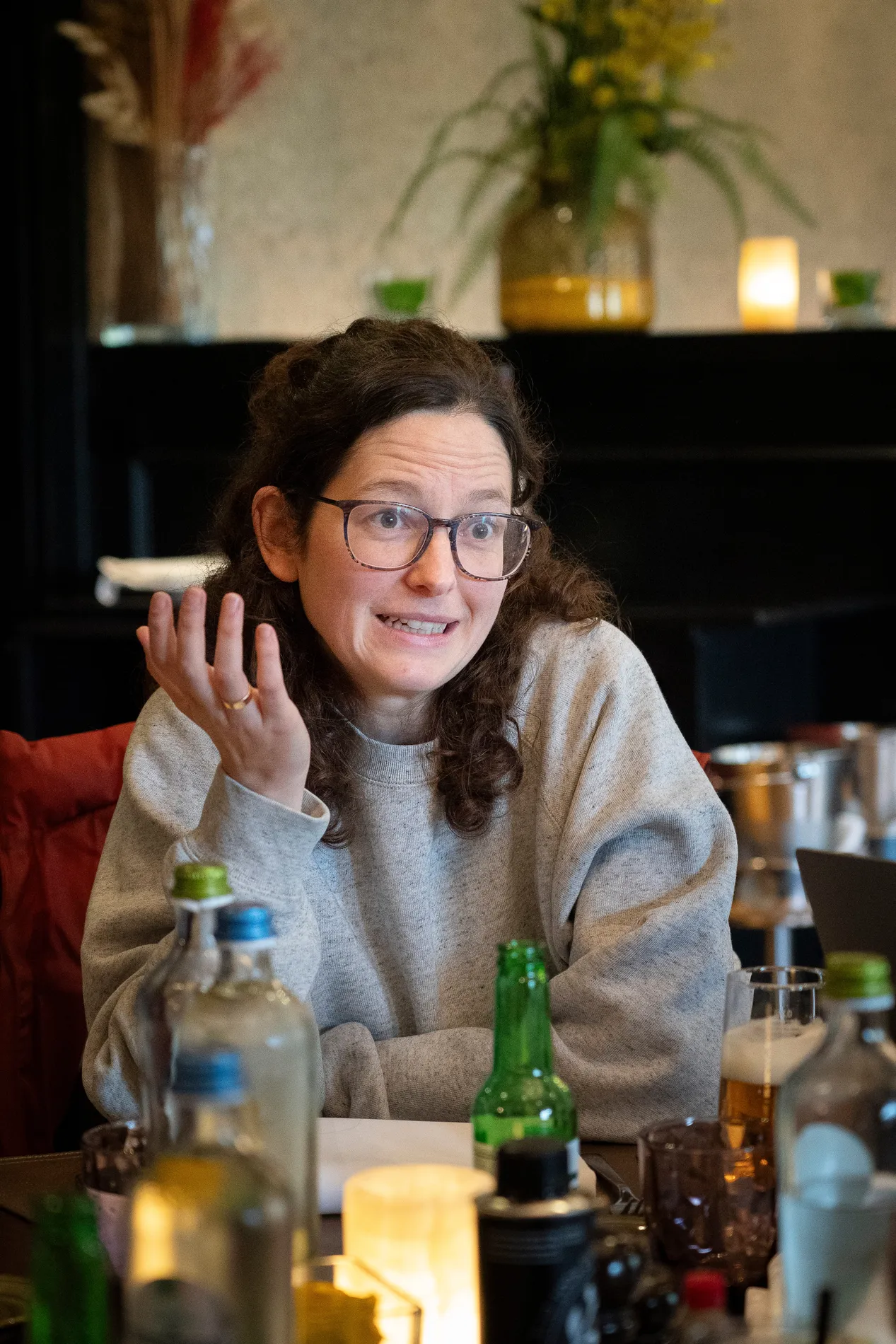
“There is a clear difference between populist views and extreme positions,” says political scientist Julie Sevenans. “In the most recent elections in our own country, for instance, we saw voters drawn to the arguments put forward by PvdA and Vlaams Belang. But research has shown that these voters often hold more moderate views than the extreme positions those parties espouse.”
And yet there is a general sense that populism is also on the rise in our country. “Even among people close to me, I notice that views are becoming more hardline and are being defended more forcefully,” says entrepreneur Dewi Van De Vyver. “In my family, we no longer talk about the conflict between Israel and Hamas or the war in Gaza. We can’t agree, and our views are diametrically opposed.”
“I’m in contact with both business leaders and construction workers, and in general people seem to hold back less in what they say. Pub talk becomes an opinion, and an opinion becomes a fact,” says Niko Demeester, CEO of Embuild. “People seem to think they have to react to everything and have an opinion ready on everything.” Bart De Smet spends a lot of time volunteering in the canteen at Volley Haasrode Leuven. “I notice the same thing there, people make sweeping statements more readily, without having much background knowledge. Reactions in discussions also seem more heated than they used to be, probably driven by social media and the press.”
The media are no longer gatekeepers
Traditional media are under pressure, meaning commercial interests are playing an increasingly important role in how they operate. “The media have lost their role as gatekeepers, their function of signalling what counts as important news. Their business model, based on broad audience reach and advertising revenue, is in a downward spiral. Today, all media have an incentive to keep people engaged for as long as possible. And since audiences naturally pay more attention to sensational and negative coverage, this inevitably leads to a decline in quality,” says Jo Caudron. “Although most journalists still do their jobs properly, let that be clear.”
So today, all media rely on clickbait: punchy headlines and sensational stories designed to attract web users, readers and viewers. Julie Sevenans: “News value is determined above all by the question: what will people click on? And the fact is that we are conditioned to pay more attention to negative news: conflict is more interesting than compromise. So the media favour crises because they engage people. They also like snappy quotes and simplistic statements. At US broadcaster CBS, they put it this way: ‘Trump may not be good for America, but it’s damned good for CBS.’”
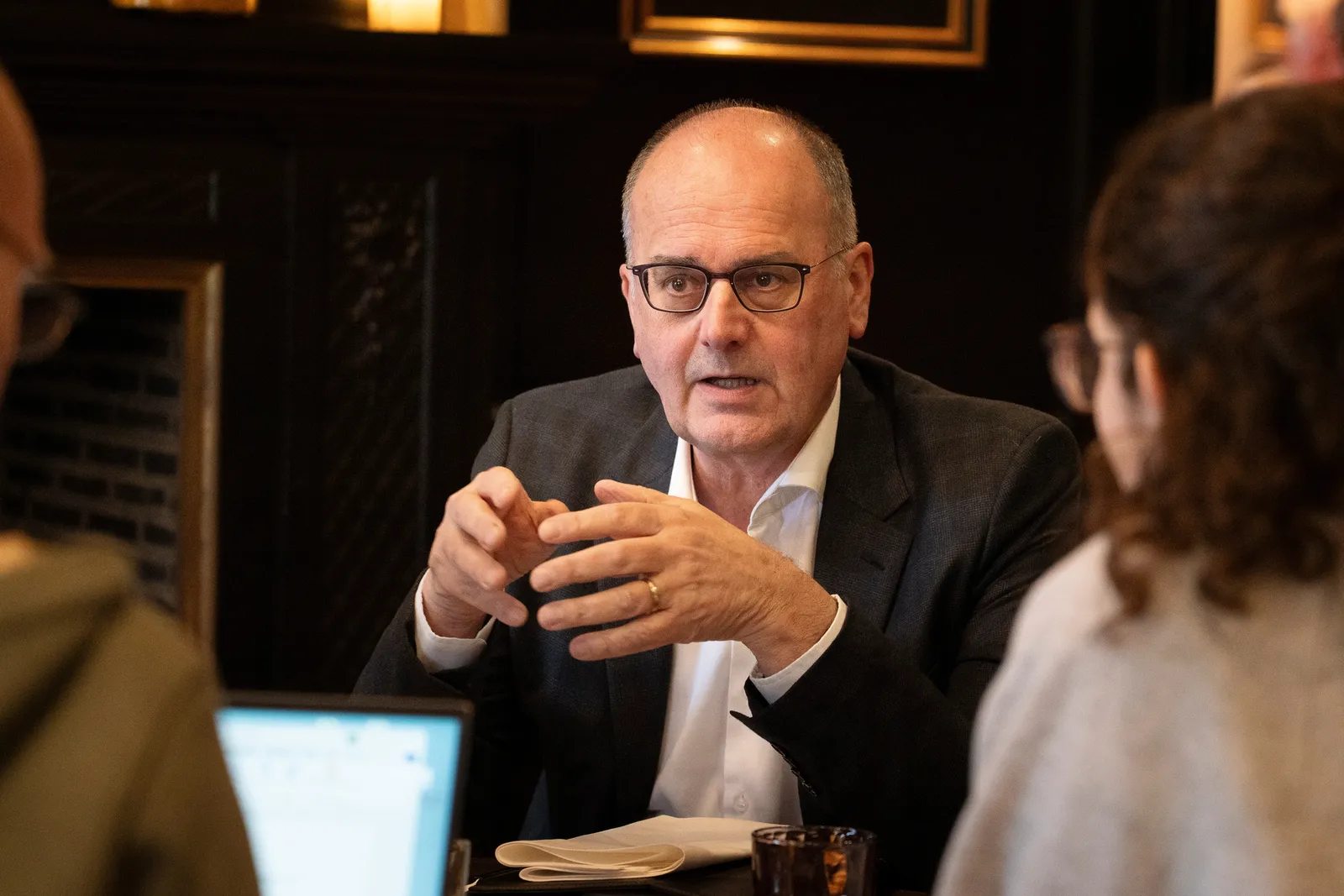
Dewi Van De Vyver sees another reason why populism is gaining strength: “There is far more digital illiteracy and digital injustice than we sometimes realise. It’s incredible how often people are passed from pillar to post when they have a problem with their energy supplier, telecoms operator or bank. You can’t get through to these companies, they have no solution to your problem … and that leads to frustration and a sense of injustice. That creates ideal conditions for populists to thrive.”
And that is probably the first key to curbing populism. “It is a symptom of an underlying problem. Too many people are disappointed or feel they have been treated unfairly. By businesses, by politicians, by those around them … The point is to identify those problems, ease the disappointment and look at how they can be tackled at a deeper level,” suggests Niko Demeester.
A compelling narrative
Research by UAntwerpen has shown that politicians do listen to public opinion and take it into account. Julie Sevenans: “Politicians are, of course, driven by their vision and ideology, but they constantly seek feedback from public opinion. They are all too aware that in five or six years they will need to be re-elected by that same public. But solving problems can take a long time, and politics cannot solve everything.”
Bart De Smet calls for politicians to tell compelling stories. “I miss storytelling from today’s generation of politicians. What is the powerful story that binds us? What can we all get behind and reach consensus on? I think Bart De Wever has a real talent for that.” Dewi Van De Vyver agrees: “I’m an atheist, but in the past at least you had the church, the priest and the doctor to turn to. Now many people no longer know where our values and standards come from or how we give them meaning collectively. A constructive debate about this could counter individualism and populism.”
Associations can also act as a buffer. That is what motivates Bart De Smet: “As a retired business leader, I spend a day and a half a week volunteering for the volleyball club, because I can contribute to a positive project there: young people receive training, and many volunteers aged between 50 and 70 are involved in supporting them. That helps counter social disaffection.” “But,” Jo Caudron observes, “a growing share of the population is also turning away from traditional media and no longer joining any association. They hear only the echo chamber of social media …”
The role of entrepreneurs
So the key question remains: what can businesses do, and how can they take responsibility in this regard? Niko Demeester: “I believe our sector, construction, plays an important role. Many people with limited formal education and new Belgians find work with us. We invest in driving lessons, teach them languages and provide the training in technology they need … This is obviously useful to their employer, but above all it is a step forward in terms of integration. And when it comes to pay and holidays, agreements are negotiated collectively within the sector, so everyone gets the same benefits.”
The initial enthusiasm many entrepreneurs felt about Trump’s second term and his sweeping cuts to the public sector has since cooled. “Entrepreneurs remain in favour of a more efficient government, but they have seen just how extreme the excesses of DOGE in the US have been, and above all how much those measures also pose a long-term risk,” says Jo Caudron. “What I’m seeing above all is that entrepreneurs are now convinced of the value of the EU and support closer European cooperation. Hopefully, as long as Trump keeps doing crazy things, we will make the most of that momentum.”
“People often complain about European regulation, but I don’t think they realise just how much the EU creates opportunities for entrepreneurs through its regulatory framework,” says Dewi Van De Vyver. “Anyone thinking long term will understand that sovereignty over our data and technology is of the highest value. Entrepreneurs and investors alike should realise that we absolutely need to keep these things within Europe.”
Question about this story? Ask your question
Keep following this
Get an email when a new story is published. No account needed.
- SubjectRoundtable