4 experts on the challenges facing family businesses
Text Björn CrulImage Carlos Lopezd
“Many entrepreneurs pay too little attention to strategy and the figures”
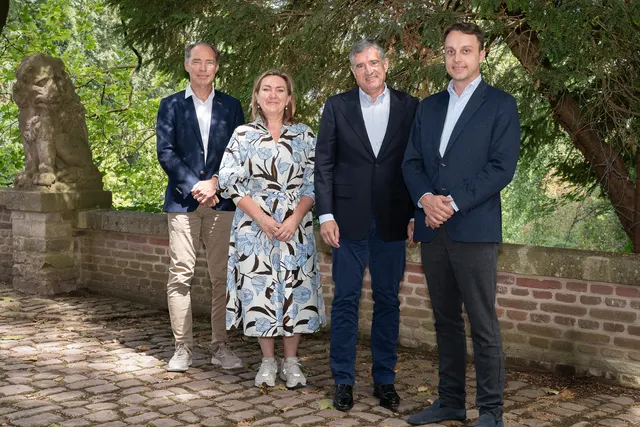
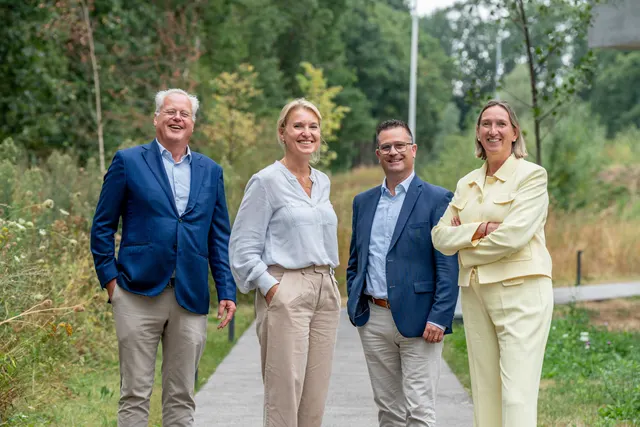
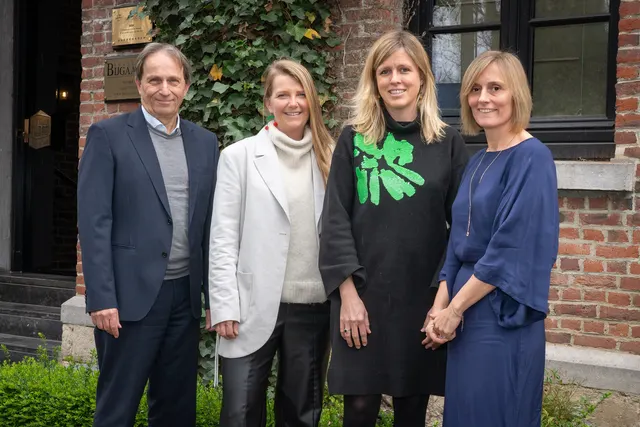
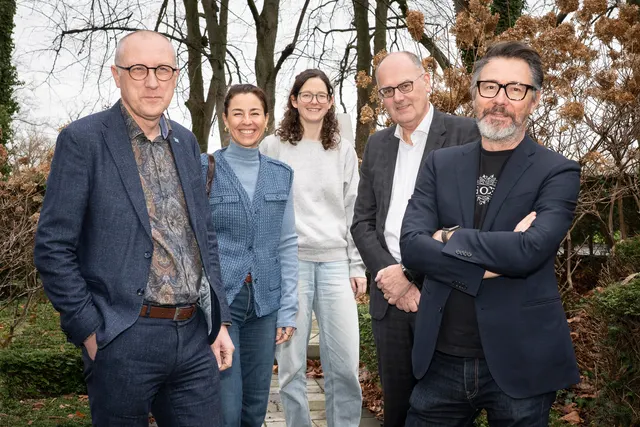
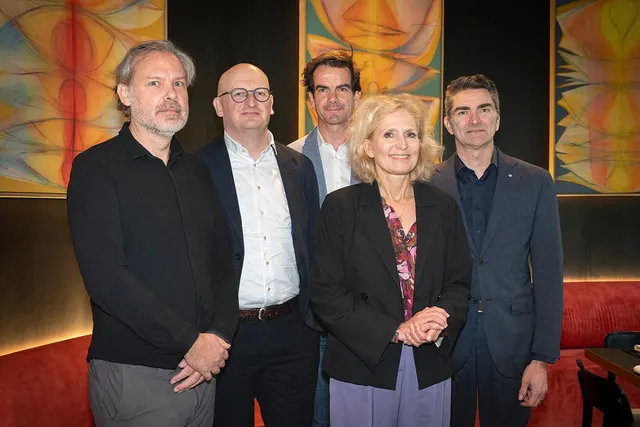
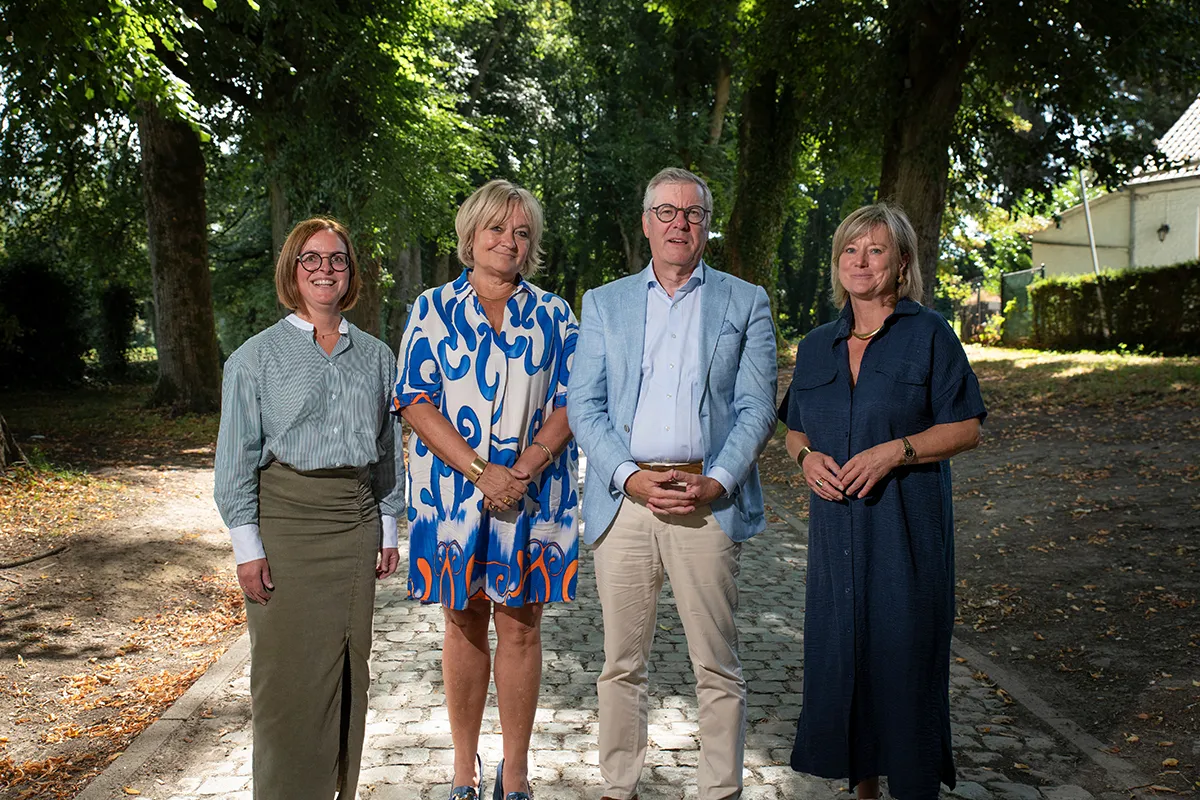
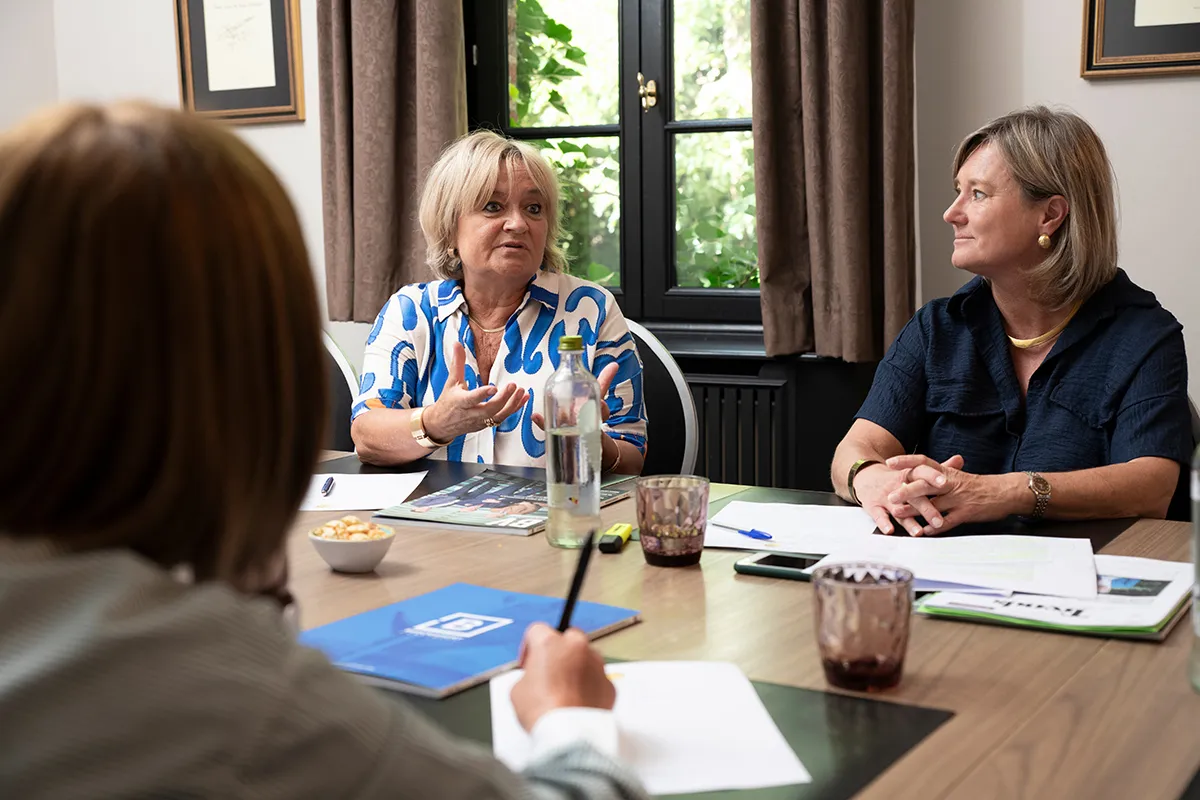
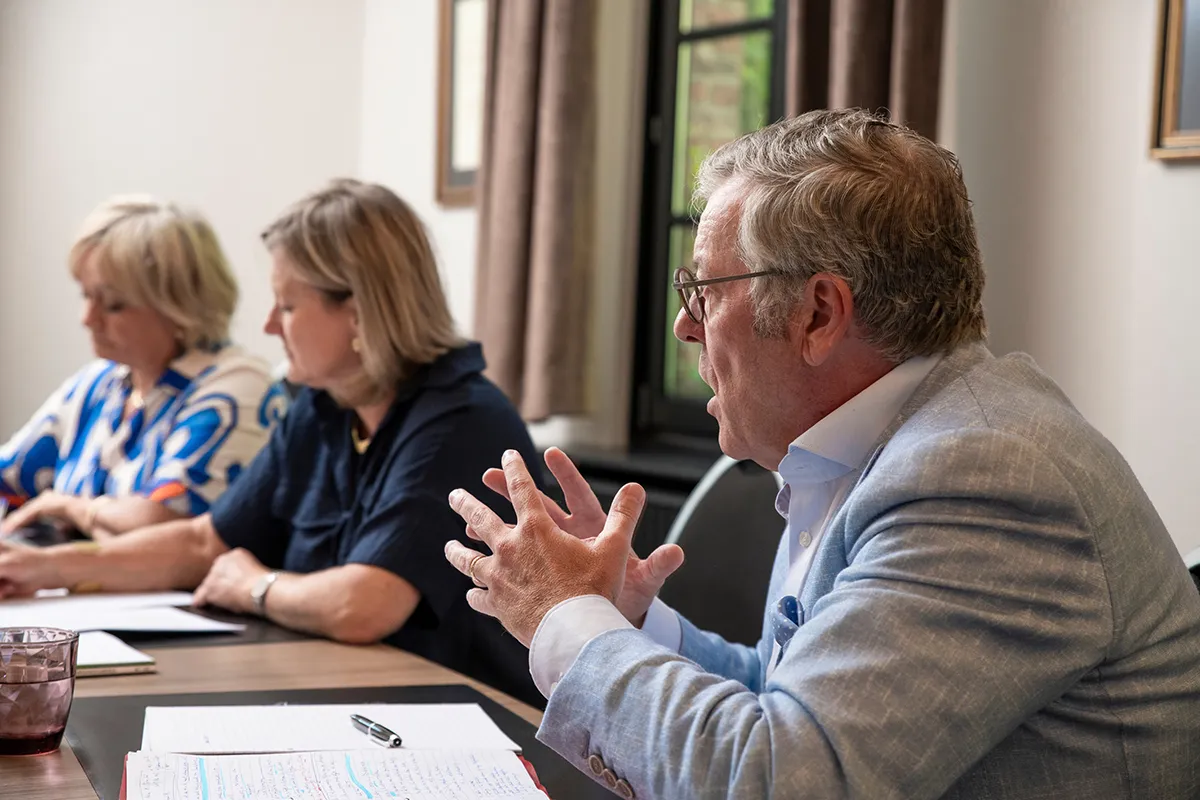
Family businesses form the backbone of the Belgian economy. In no fewer than 8 out of 10 companies, family shareholders have control. They are often SMEs, but there are also large listed family businesses. A recent study by Professor Johan Lambrecht examined the challenges facing family businesses. We brought the professor together for a round-table discussion with experts Charlotte Pille (VGD), An De Vylder (KBC Corporate Banking) and Liesbeth De Ridder (GUBERNA).
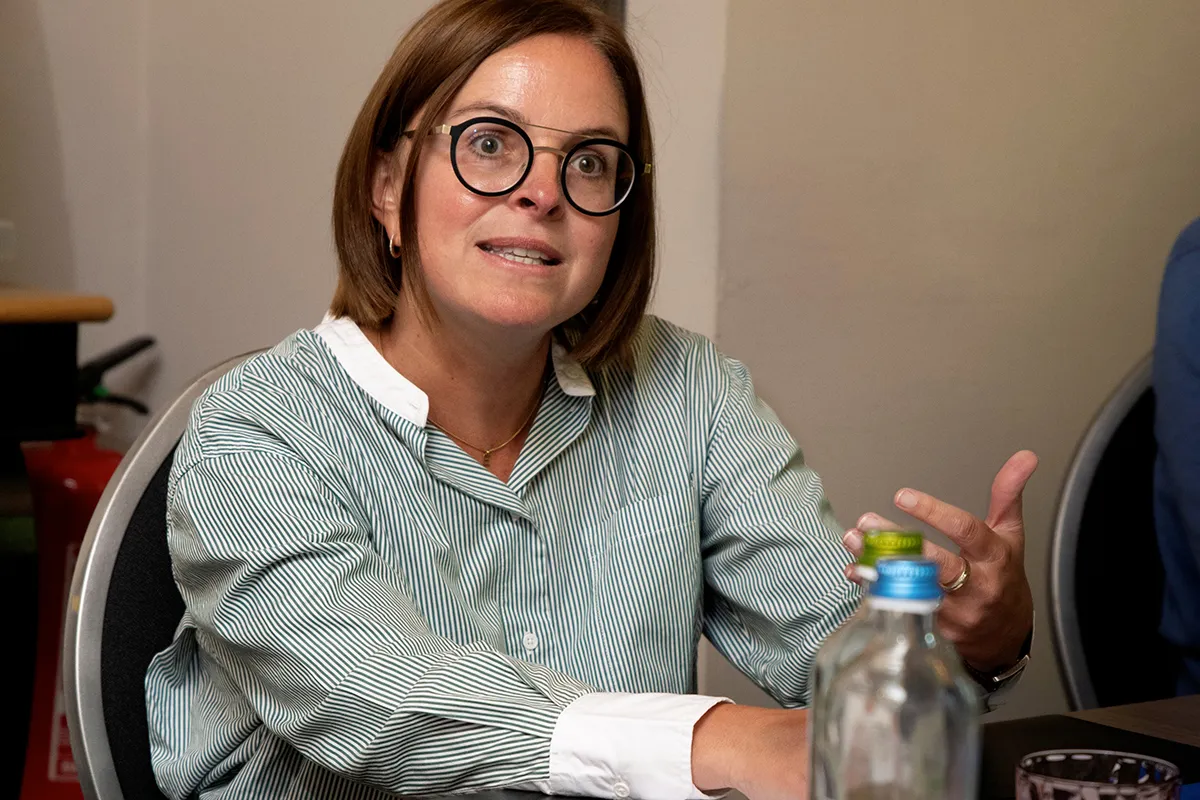
Professor Lambrecht (KU Leuven) has been researching the fortunes of family businesses in Belgium for more than 30 years. The economist is also an independent director at several companies. For his latest study, commissioned by BNP Paribas Fortis, he drew on a survey of 550 companies, focusing on the challenges they face. “One important finding is that productivity at family businesses, measured as value added per employee, is significantly lower than at non-family businesses,” the professor begins. “There is no single clear explanation, but I have found that family business leaders and directors sometimes pay too little attention to the figures. They tend to focus heavily on turnover and growth. But given that labour costs are high in this country and have risen sharply in recent years, a lack of productivity can put profitability and liquidity at risk.”
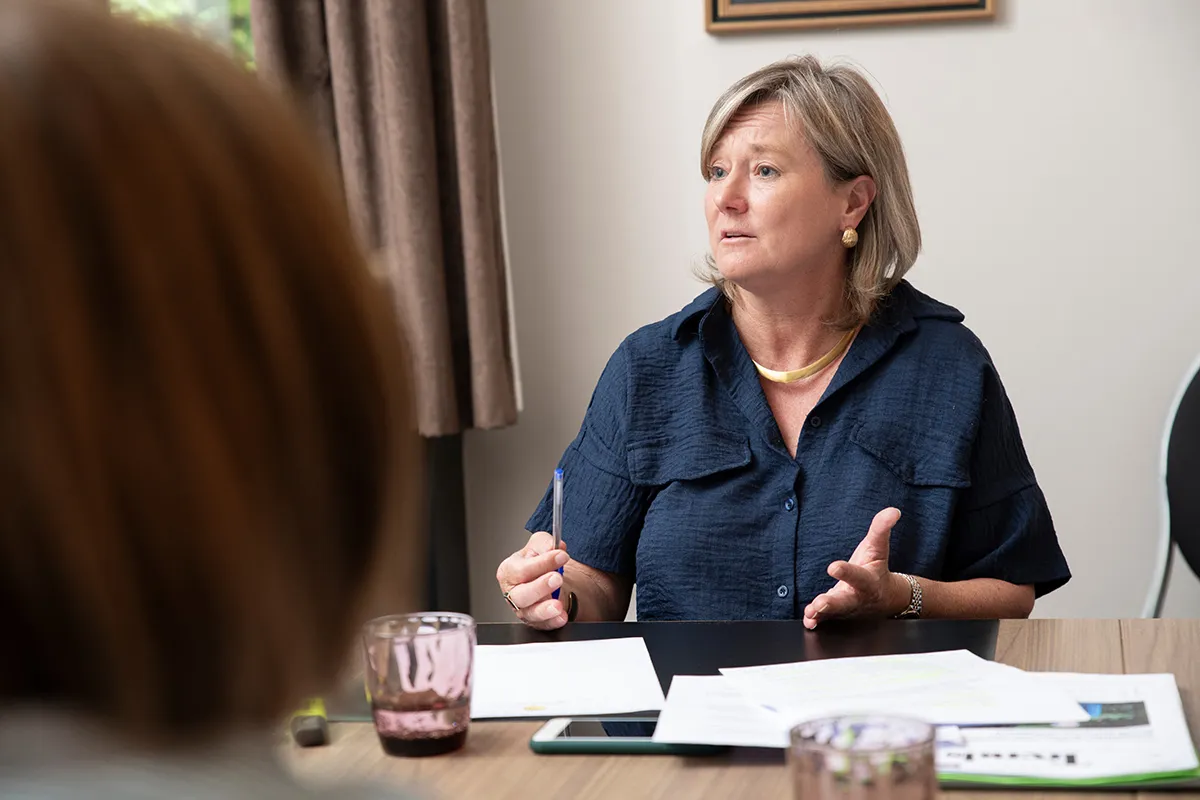
Charlotte Pille, accountancy partner at VGD, sees the same thing in her day-to-day work: “Unfortunately, we sometimes find that entrepreneurs are passionate about their business but pay too little attention to strategy and the figures. That is a big difference from clients where, for example, a private equity fund has a stake. You can see that the investor keeps management on its toes and that they keep a close eye on the figures. We work with family business owners to put the necessary dashboards in place, so that they have a clear picture of where they stand in terms of profitability and cash flow, for example. This can lead to some very surprising insights, which those business leaders can then act on to improve profitability and liquidity.”
Professionalisation lags behind growth
An De Vylder, manager of KBC Corporate Centre Kempen, recognises the problem too: “In my experience, it is more common in fast-growing companies, where professionalisation sometimes fails to keep pace with growth. As a bank, we see it as our role to identify the pain points in such cases and work with those companies to find solutions. We usually do this through a strategic analysis to see where they perform well and where there is room for improvement. This leads to fruitful, open discussions that look far beyond purely financial matters and also consider future planning and succession.”
The fact that a driven entrepreneur has often built up the business and made it successful appears to be one factor holding back professionalisation. “They sometimes underestimate how much a company and its environment change,” says Liesbeth De Ridder of GUBERNA, the Institute of Directors. “They do things the way they have always done them, and bring in too little new expertise. Yet external talent, whether in an operational role or on a board of directors or advisory board, can be a lever for taking your business to the next level. When you are growing strongly, a CFO, for example, plays a crucial role. They can ensure that financial dashboards are in place. But do not forget non-financial dashboards. Data on factors including your age profile, staff retention and sick leave, measured over a longer period, often explain what is going on.”
Reconciling tradition and the future
Yet a long-term focus is precisely what characterises many family businesses. They think and act across generations, making them “patient capital”. “That is indeed a strength of family businesses,” Johan Lambrecht confirms. “But they need to avoid falling into the illusion of continuity. Times change, and those who cling to tradition for too long can quickly run into trouble. That does not mean you should throw the past overboard in haste, but you do need to keep considering how to innovate and adapt. The Les Hénokiens association, which brings together family businesses with more than 200 years of history, can serve as an inspiration. They have apparently managed to survive by reconciling the present as effectively as possible with the future, blending ancestral know-how with technology.”
Liesbeth De Ridder agrees: “Good family businesses are both a museum and a laboratory. They cherish their heritage while encouraging innovation and renewal in practice. The board of directors has an important role to play here. But even at larger companies, where independent directors help set the course, it is not always easy to scrutinise a strategy critically. Yet it is so important to discuss the future, new business models and risk appetite … Family shareholders need to be open to this, while external directors must understand that, ultimately, the family has the deciding vote. Respecting that gets you a long way.”
Succession: still a taboo
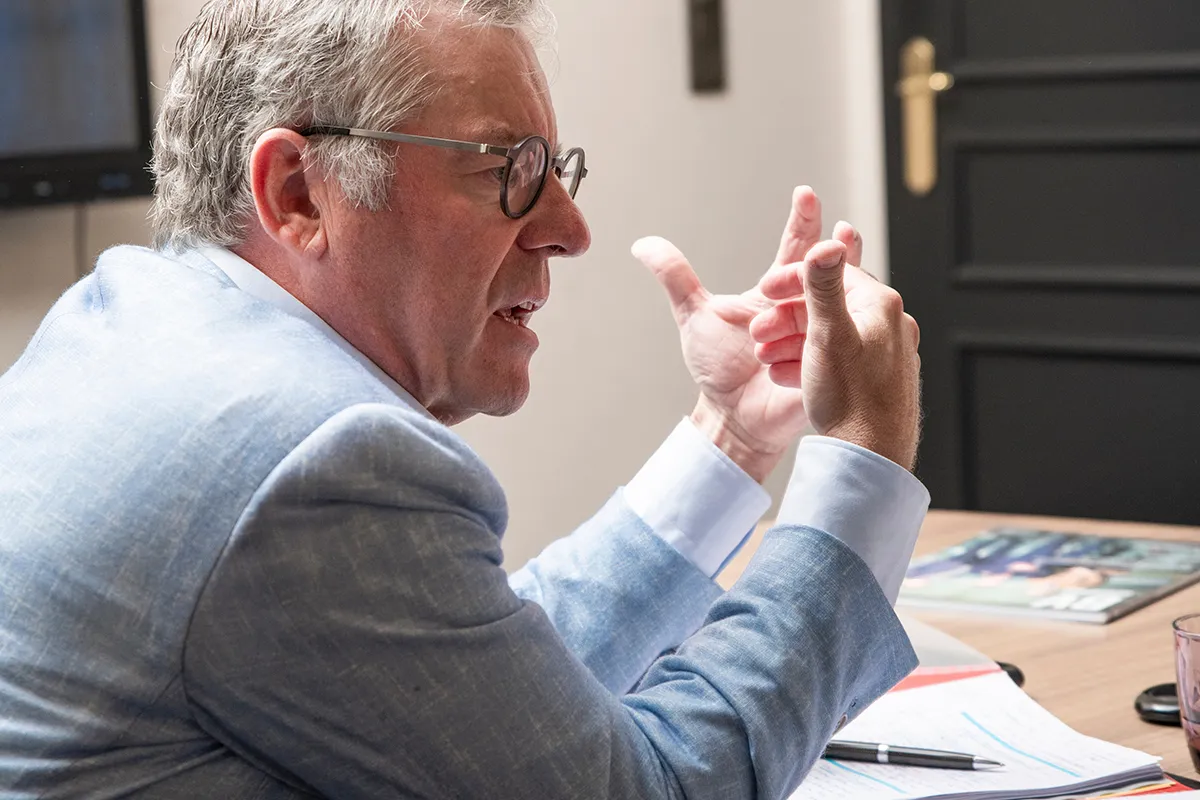
A second finding from KU Leuven’s latest study: 45% of entrepreneurs aged over 64 have no formal succession plan. Preparing for succession in a family business therefore remains taboo all too often, even though the Flemish government has introduced a tax incentive to encourage owners to make arrangements early enough. “That tax incentive is certainly a good thing,” says Professor Lambrecht. “But succession is still an emotionally and psychologically charged process. The late Willy Naessens described how difficult he found it to hand over operational management: ‘My heart often told me something completely different from my head.’ And I can understand why family business owners resist: the business is an extension of themselves and largely defines their identity. So they have to go through a grieving process when handing it over, confronting their own mortality and the prospect of a void in life after the business. Sometimes other stakeholders also resist: customers, suppliers or employees who wonder whether they will have just as good a relationship with the successor or successors …”
“It is indeed a very emotional process, as I often see with clients. They have built the business up and find it difficult to let their child take over. And it is hard to speed up the process,” adds An De Vylder. “At KBC, we take a multidisciplinary approach to supporting family businesses through transition. But despite all the advice, it is the entrepreneur who decides when they are ready.”
Charlotte Pille also sees the process becoming more complex at VGD: “When there are several children, and when you move from the second to the third generation, succession becomes increasingly complex: more parties are involved, and more interests need to be reconciled, for example to ensure that everyone is treated equally. As a result, it is often postponed. Or succession arrangements are drawn up, but the outgoing owner has so many clauses included that little can actually change in practice, meaning the handover of day-to-day management is delayed.”
Delaying succession has other effects too. The next generation needs to be prepared for its future role as a director or operational leader. Liesbeth De Ridder: “Regardless of the timing, high-potential employees need to be prepared for the future. And although dialogue between younger and older generations is easier than it used to be, succession remains a difficult subject. I find that family business leaders often become very emotional, even though they do not really know how to deal with those emotions. That is why GUBERNA organises discussion groups where they can talk to other entrepreneurs or even successors from other family businesses. This helps both generations develop empathy for one another.”
Ideally, the outgoing owner will eventually move into a different role, often as chair of the board of directors or advisory board. “They effectively become an adviser on request. My advice is this: if you can let go as an entrepreneur, you should still play a role in the future as an ambassador. But if you find it difficult to let go, it is better to leave. Hand over all visibility to the next generation,” concludes Professor Lambrecht.
Question about this story? Ask your question
Companies in this story

Keep following this
Get an email when a new story is published. No account needed.
- SubjectRoundtable
- CompanyVGD