“Continuity in family businesses is essential to our economic fabric”
Text Björn CrulImage Boris Vermeersch
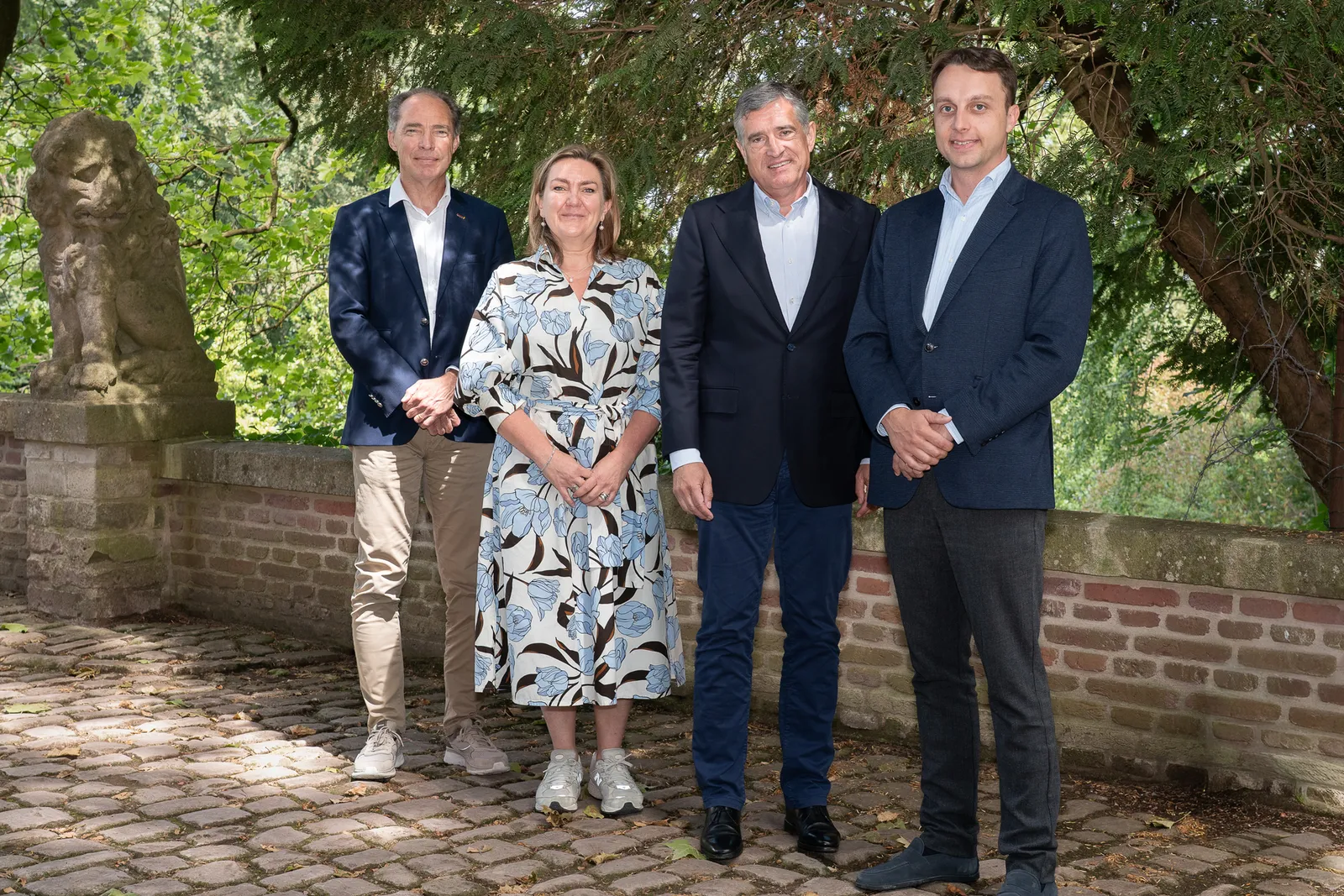
Round-table discussion on the future of family businesses
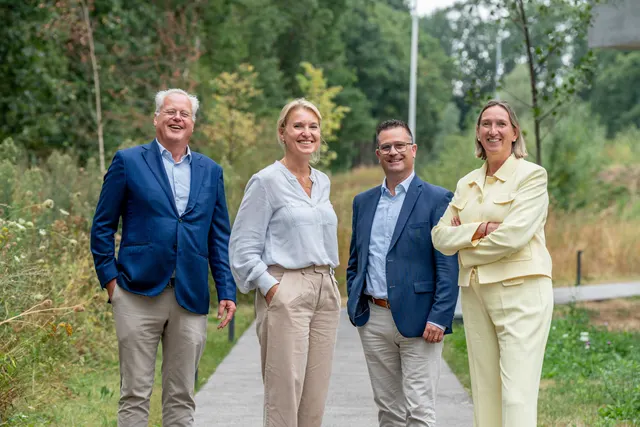
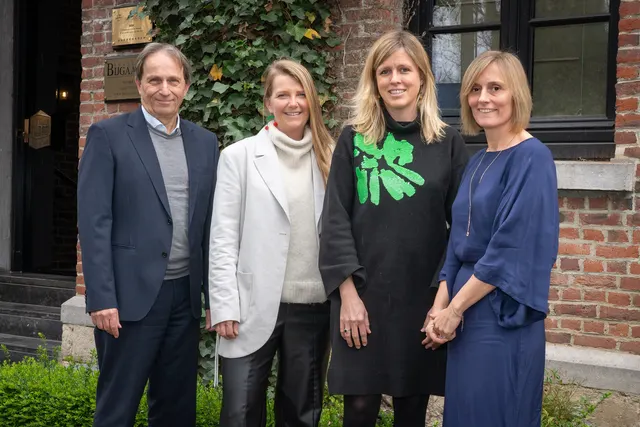
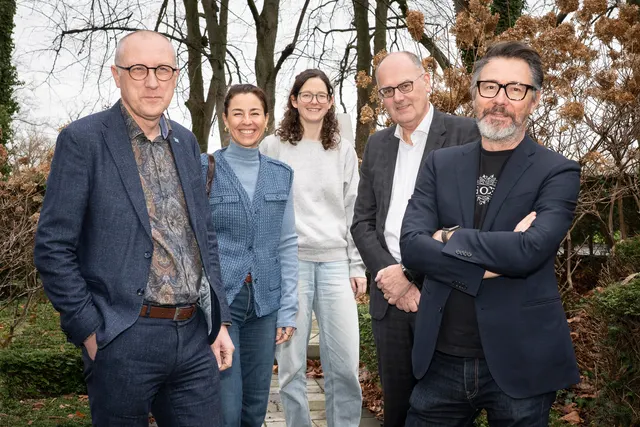
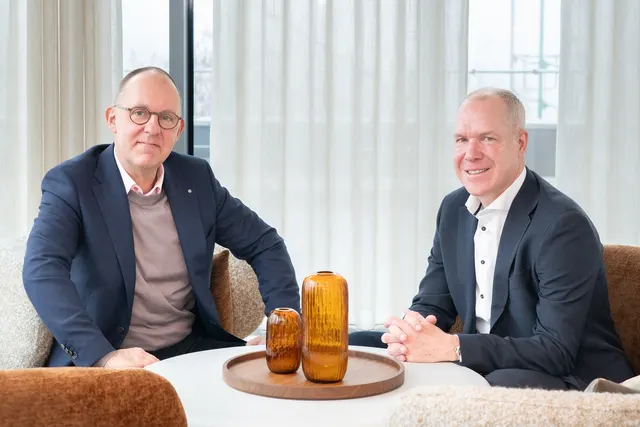
Our economy is powered by family-owned SMEs. That matters all the more at a time when businesses are under pressure. Their long-term focus makes family businesses a force for anchoring economic activity. Yet they also face a number of challenges, such as the need to become more professional, organise family governance effectively and preserve their culture as the organisation grows. Four experts around our table can testify to this: Guy Slagmulder (Alertis), Sofie Lerut (family business expert), Jan Oosterlinck (BDO) and Charles Roelants (Meroso Foods).
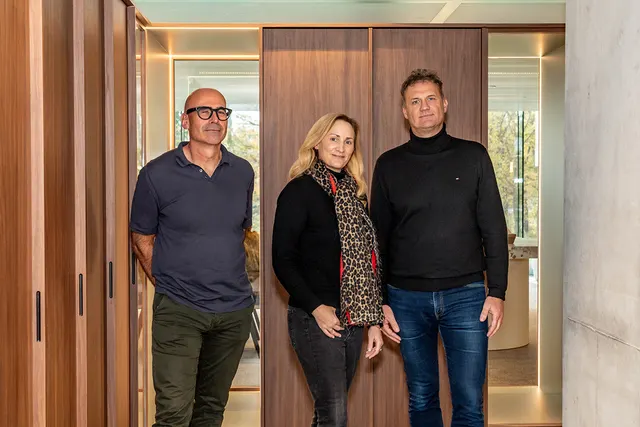
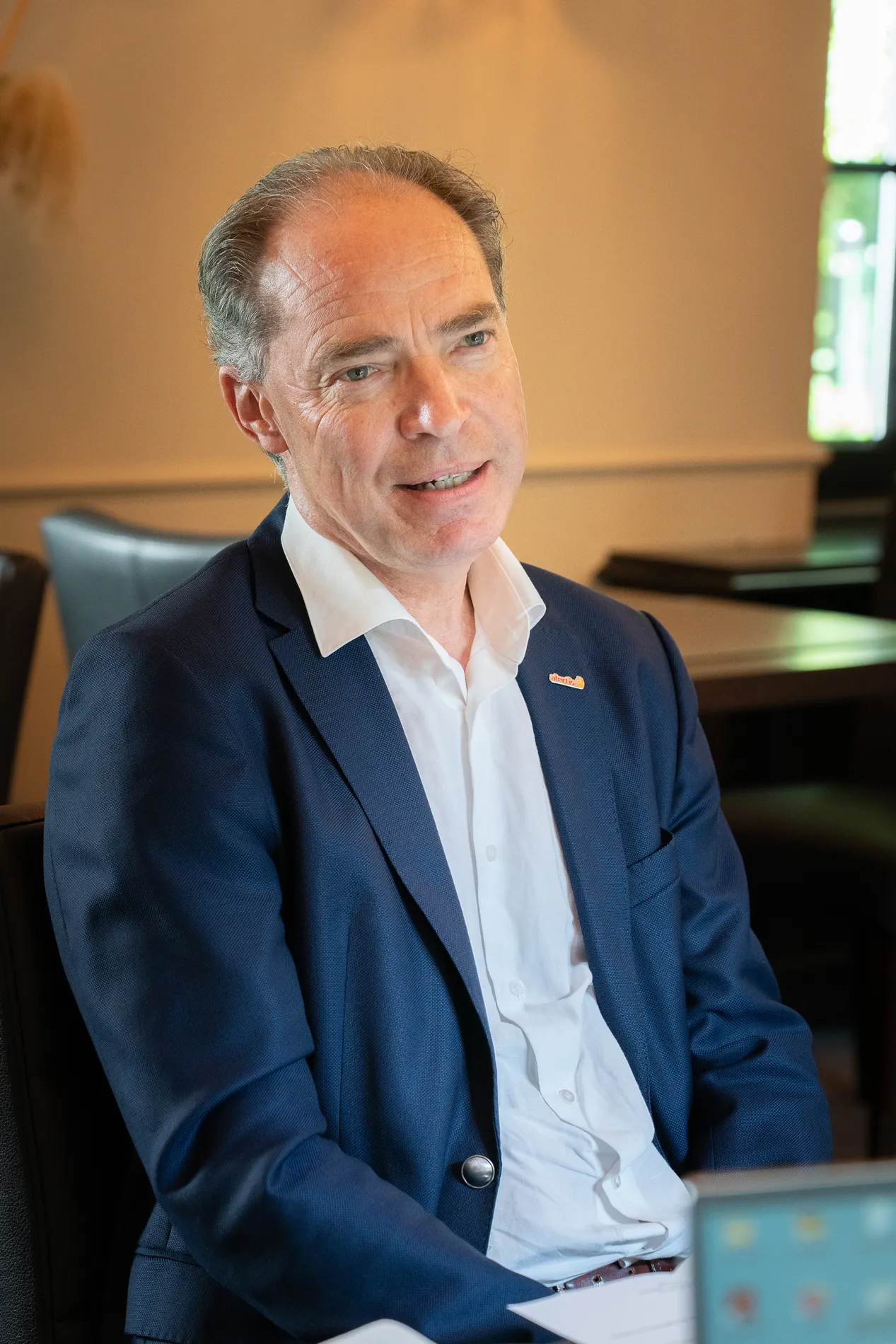
Entrepreneur Guy Slagmulder is at a crossroads in his career: after 23 years as CEO of Alertis, he recently handed over the company’s operational management. From now on, as a director, he will focus on strategic matters. “The process took several years,” he says. “The main trigger was the arrival of a new generation of employees, who have different expectations. In the past, people stayed with the same company throughout their careers and staff turnover was minimal. As I’m over 60, it’s better for younger people to run the company now, so that employees can identify with them too.”
Slagmulder set the succession process in motion step by step. “You have to redraw your organisation chart so that the right people are in the right roles. Our COO, who has been with the company for 14 years, has been promoted to CEO. My son Maxim has taken on the role of COO, and my daughter Louise now works at Alertis as head of HR. For the past two years, I’ve mainly been coaching the new management team. I now have complete confidence in them and can let go. That said, I’ll be an active director: I’ll keep a close eye on them and challenge them. Consolidation is coming to our security and access control sector, and we certainly have a role to play in that.”
The Slagmulder family has also made arrangements for the transfer of ownership, involving the two active children and one daughter who is not involved in the business. “My wife and I were determined to keep it a family business, so we gifted shares. We hope our daughter, who is a sleeping partner, will also take her role as a director seriously,” says Guy.
Emotion versus business
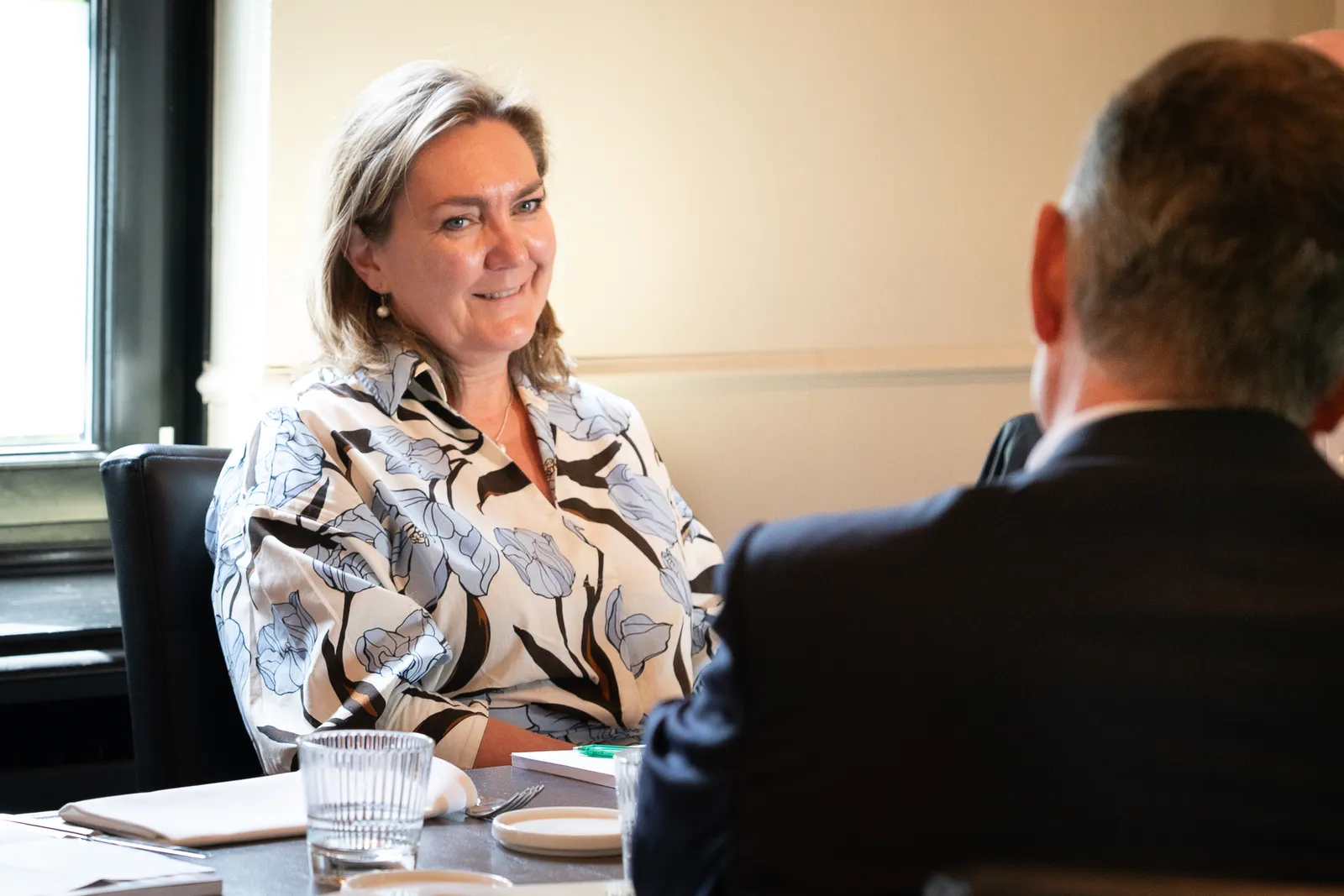
Jan Oosterlinck and Sofie Lerut, both of whom have extensive experience helping family businesses with succession, see Alertis as an example of how to get things right. “Handing over your business as an entrepreneur is both an emotional and a commercial process, with different dynamics influencing each other. Entrepreneurs often find it difficult to step back and let go of their business. Emotion certainly has its place, but it must not overwhelm the handover process,” says Oosterlinck.
“I find that people often focus heavily on the financial side of things or tax optimisation,” adds Sofie Lerut. “These are important aspects, but you also need to make space for family dynamics. Open communication is too often lacking. Parents make assumptions, while children make their own assumptions because they have too little information. When unspoken issues start to fester, you are heading for conflicts that benefit no one. That is why it is important to make everything open for discussion, and external guidance can help with that.”
A shared vision among owners
The experts highlight the importance of a shared vision among the owners: how the family sees the company’s future and who can play a part in it. “You need an objective process to make a handover succeed,” says Jan Oosterlinck. “This is especially true in companies moving from the second to the third generation, where cousins will be working together. There can be no more unwritten rules. A clear framework, recognised by everyone, also helps keep the family together.”
Over the past decade, family-owned SMEs in Flanders have taken significant steps to professionalise their management and governance, for example by bringing external members onto an advisory board or board of directors. Sofie Lerut: “That is certainly a positive development. But I think professionalising family governance, and especially the role of the family owner, deserves even more attention. How to keep the family involved in the business, how to build consensus around a shared vision for the future, what arrangements to make about who can take on an operational role in the company: all these things could be better organised.”
External investors too
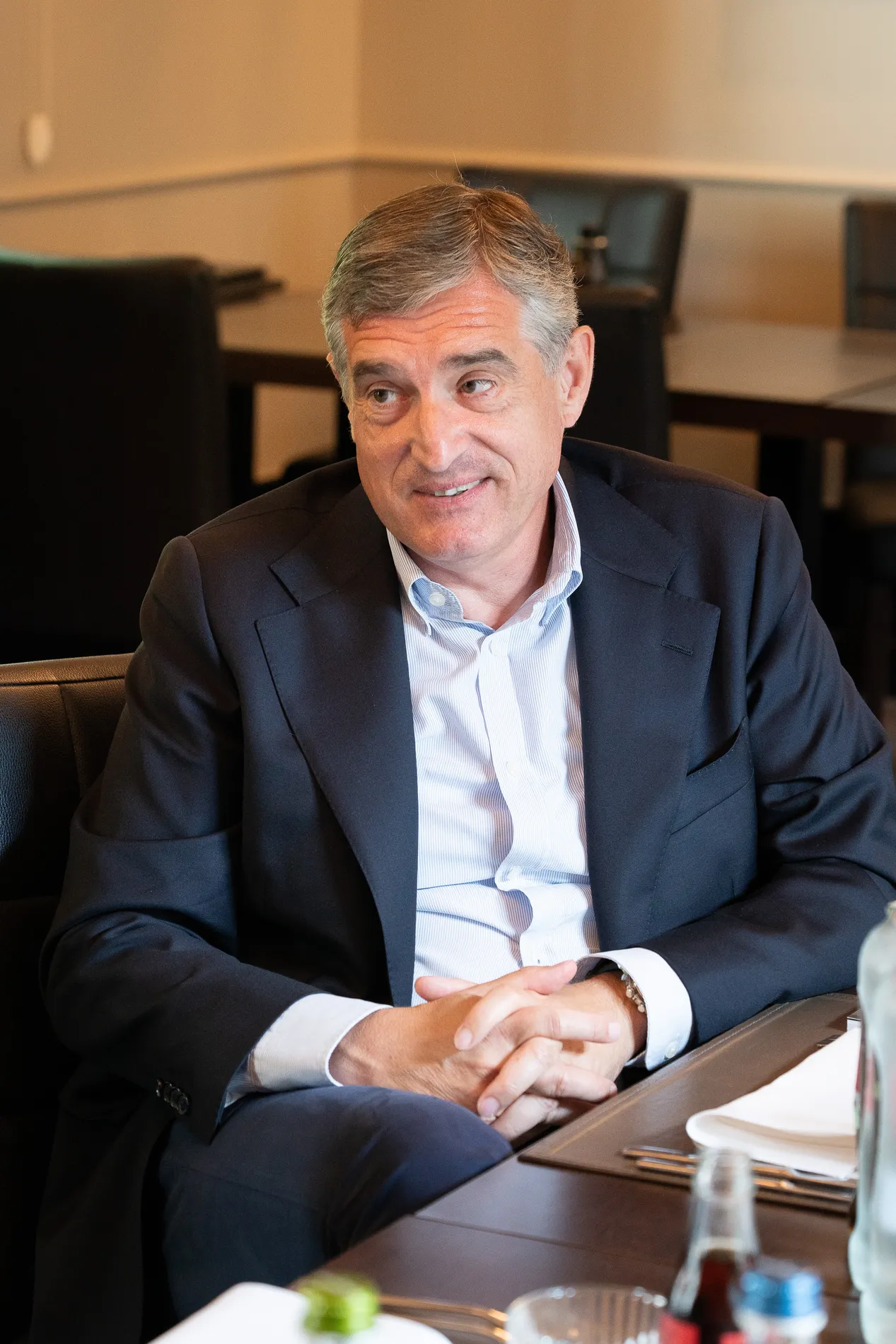
At Meroso Foods, a producer of Belgian chocolate truffles and lemon and lime juice, Charles Roelants took over as CEO from his father a few years ago. His father bought the company 30 years ago with two business partners. “Our company is still run as a family-owned SME, but the arrival of an external investor has certainly helped us become more professional,” says Charles. “We also have to report to our external shareholder. The advantage is that it is an Italian family-owned holding company active in the same sector. We share the same values and both take a long-term view, so the relationship works very well.”
Roelants is also convinced of the value of a shared vision among the owners: “We have a clear shareholders’ agreement with the Italian holding company. There is a clear multi-year plan, and we know where we want to take Meroso Foods. I am also now a member of the group’s board. We are working together on a vision for the next 10 years, covering all the companies. When I compare our Belgian business with other purely family-owned SMEs, I think we are further ahead and more forward-looking precisely because of the presence of an external investor.”
Ensuring continuity
In the coming years, the challenge for family-owned SMEs will be to ensure continuity and preserve their DNA. Jan Oosterlinck: “Our family businesses face many challenges, just look at sustainability and the huge impact of technology. I hope our SMEs can make full use of that technology to innovate and consolidate their position. New impetus from the next generation can add significant value here.”
Sofie Lerut also points to the social importance of family businesses: “Family businesses make up a large part of our economic fabric, including very large players such as a Colruyt, Lotus Bakeries or La Lorraine. Family businesses, including large employers, take a longer-term view and often pay more attention to local roots, employees and other stakeholders. That is a different approach from multinationals, which are primarily focused on quarterly results.”
Charles Roelants highlights the importance of long-term relationships with Meroso Foods’ suppliers. “They are quite often larger (family-owned) businesses. In the 8 years I’ve been with the company, we’ve been through 8 crises, from Brexit and covid to geopolitics. At times like that, it matters that you know where you stand with each other and can talk as genuine partners.”
“Trust is the key word for our customers,” adds Guy Slagmulder of Alertis. “We have access to a great deal of information, and security is critical for those companies. As a family business, with long-standing and trusted contacts, we are best placed to handle that. It is no coincidence that there are few successful multinationals in our sector.”
Question about this story? Ask your question
Keep following this
Get an email when a new story is published. No account needed.
- SubjectRoundtable