Roundtable discussion highlights positive signs in chemistry: “It’s not all doom and gloom in our sector”
Text Björn CrulImage Boris Vermeersch
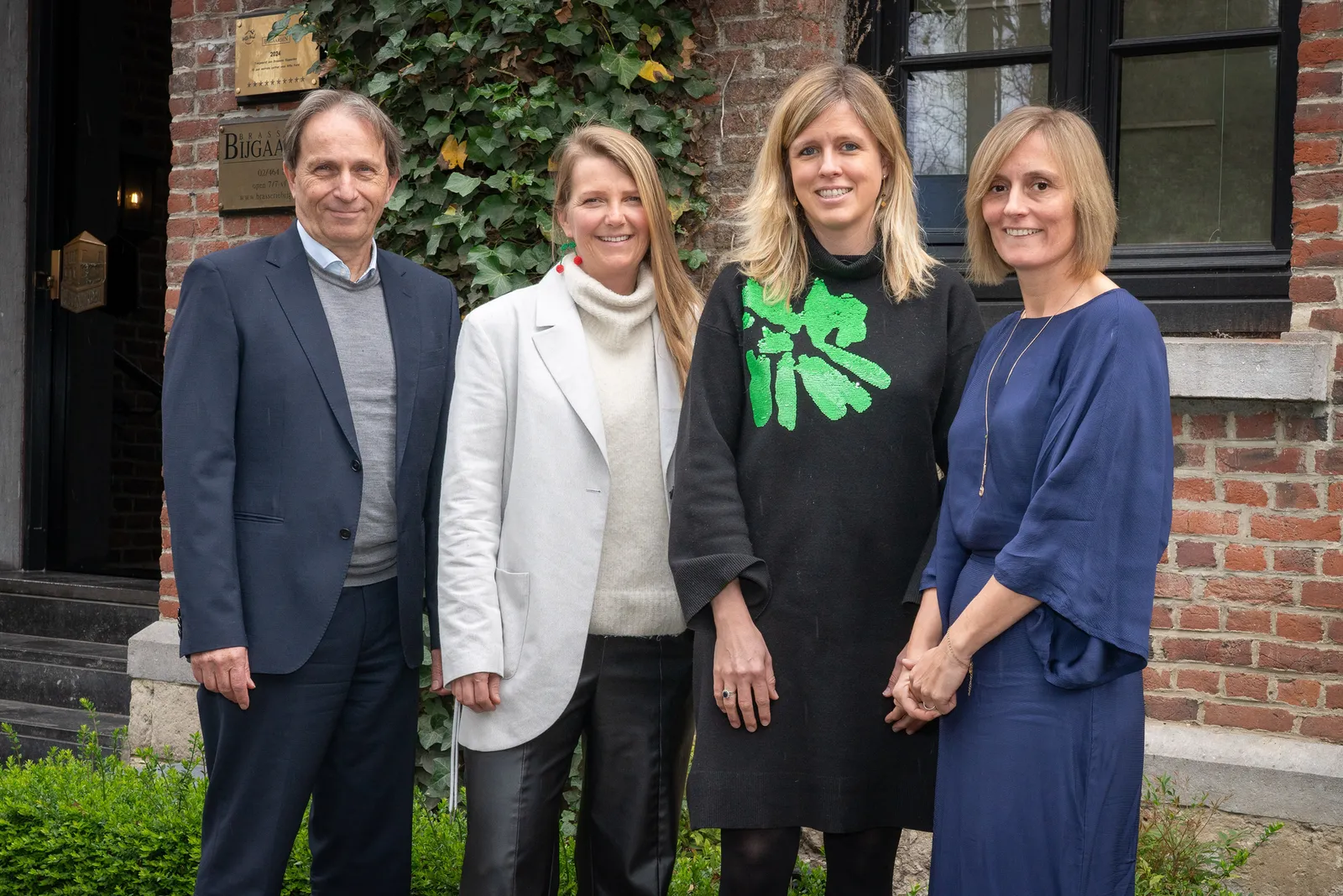
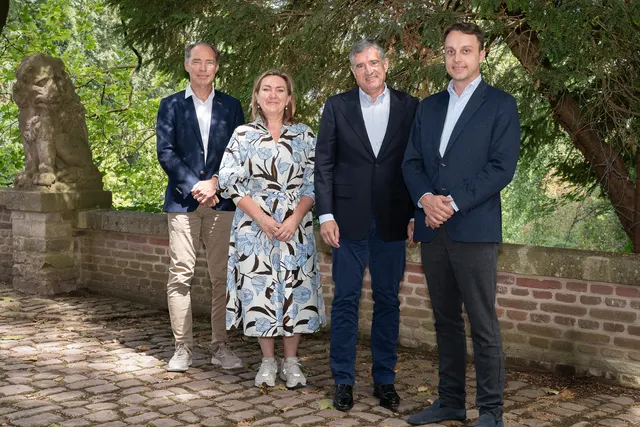
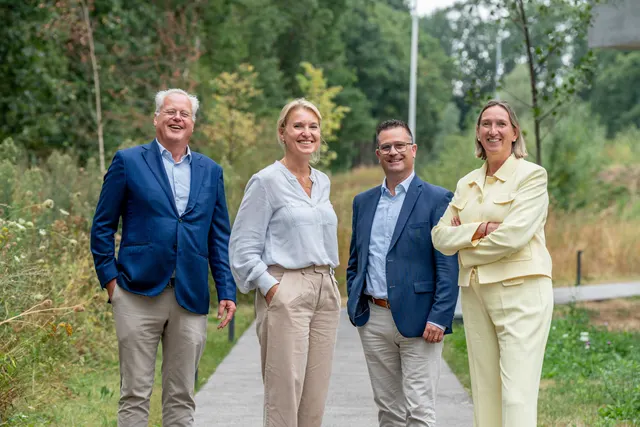
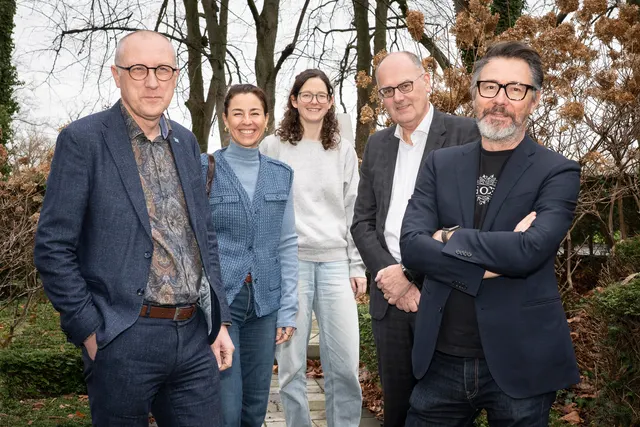
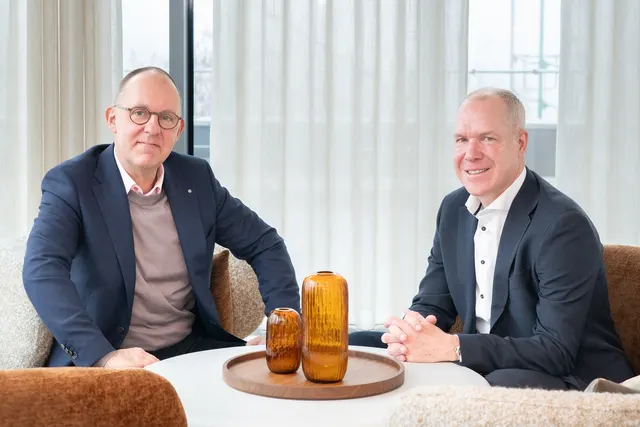
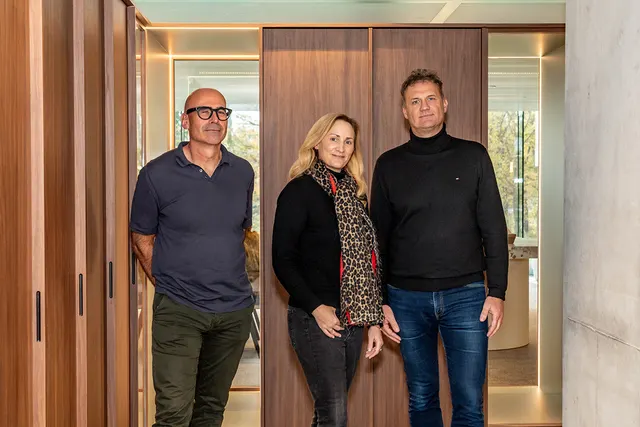
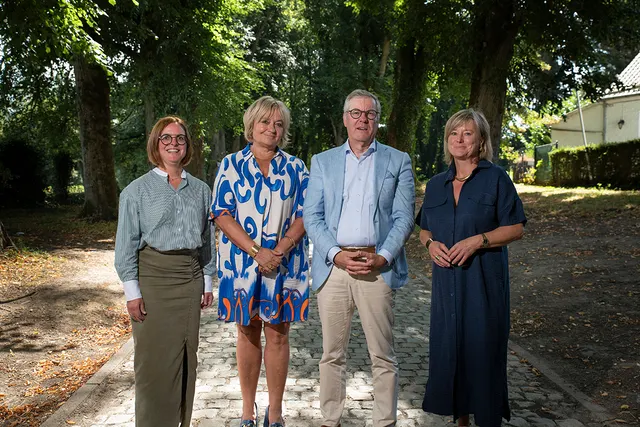
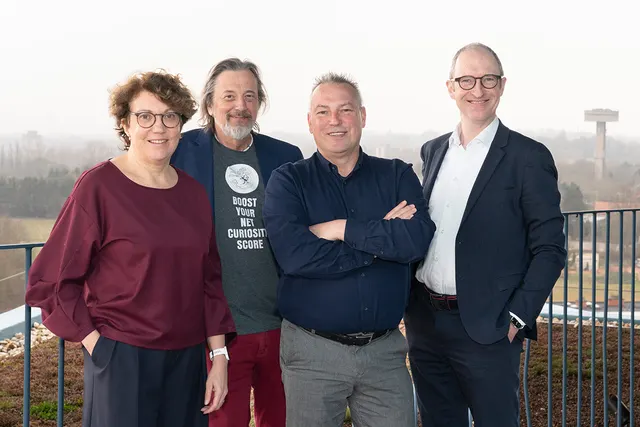
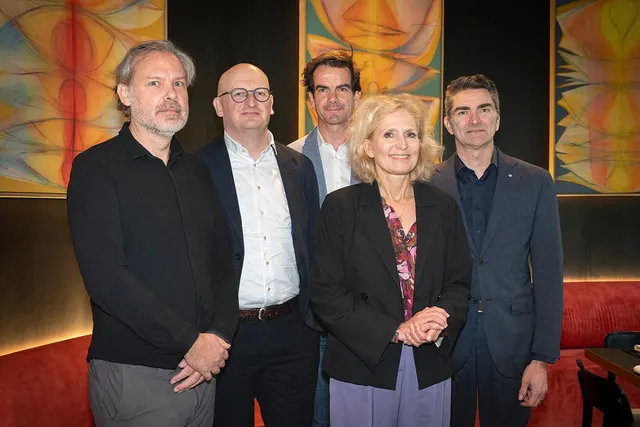
Chemicals and life sciences have been making headlines in recent months. Unfortunately, the stories have mostly been about activities under pressure, restructuring and investments being put on hold. Yet chemicals, biotech and pharma all remain sectors with significant potential for the future. We brought together a panel of four experts to hear some more positive news: Hans Vloeberghs (Fujifilm Electronic Materials), Sophie Roelants (AmphiStar), Barbara Veranneman (BlueChem) and Nele Van Roey (Molymet Belgium).
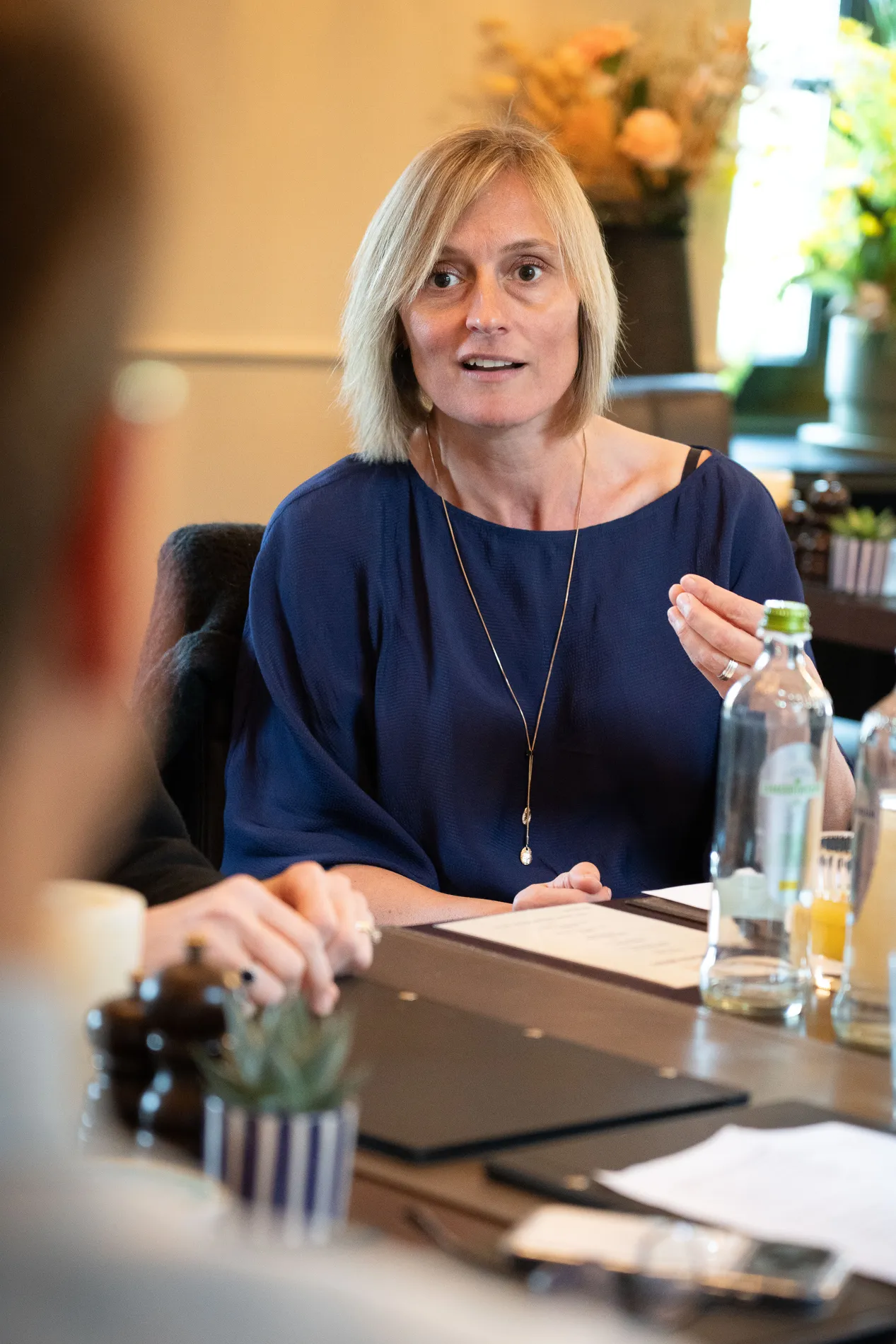
Molymet Belgium is a company in the Ghent Canal Zone that has been operating for more than 100 years and employs 150 people. It specialises in molybdenum compounds, a raw material used in stainless steel and applications in the green energy sector, among others. “2025 was a good year, and 2026 also looks promising so far,” says CEO Nele Van Roey. “We are the European market leader in our niche and supply customers across the continent. There is a clear trend towards higher-grade steel, and our products are designed to meet that demand.”
Multinationals invest tens of millions
The company has been part of Chilean group Molymet since 2003. “Since then, more than €200 million has been invested in our site. That includes our roasting furnace, now the largest in the world, upgrades to our sulphuric acid plant, and our own wind turbine and solar panels,” says Van Roey. “All the investment is funded by the group, which clearly believes in the strength of our plant. We are currently looking at a further expansion that would allow us to purify the raw materials we receive in-house.”
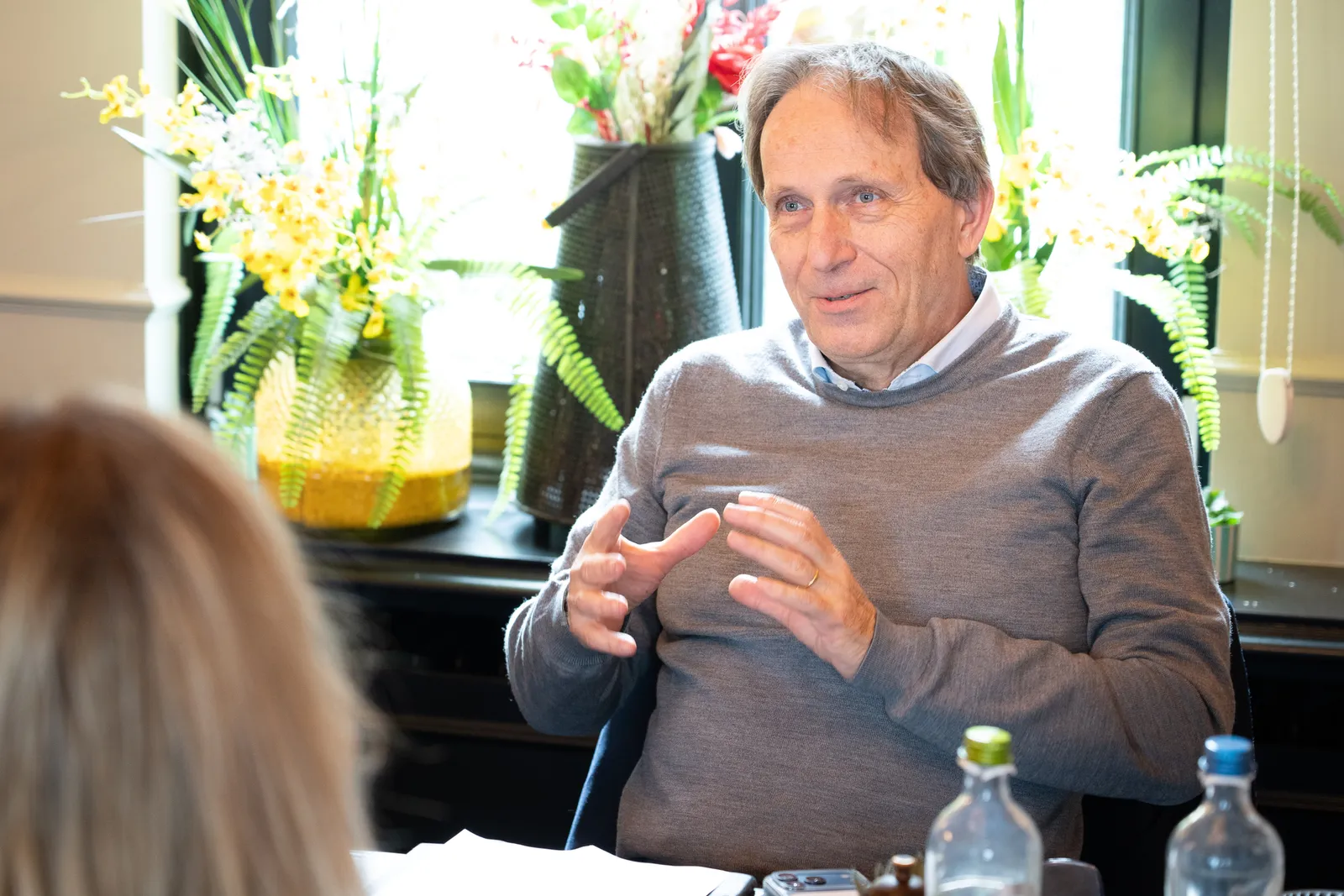
Hans Vloeberghs is president and managing director of Fujifilm Electronic Materials, whose European headquarters are in Zwijndrecht: “We have been active here since 1992, producing fine chemicals and polymers for semiconductor chip manufacturing. We have seen strong growth in microelectronics, particularly since the Covid period. Europe is now getting in on the act too. We currently have 250 colleagues in Zwijndrecht, but following acquisitions in the UK, France and Italy, our European division now employs 450 people.”
Fujifilm Electronic Materials is a highly specialised chemicals company that develops innovative formulations for manufacturing current and next-generation chips. “Our chemicals improve chip performance and quality. They are often developed for a specific application. We therefore have our own R&D department for one product line, which is regarded across Fujifilm worldwide as a centre of excellence for innovation,” says Vloeberghs. “Since 2020, around €100 million has been invested, including in an expanded laboratory, additional production lines and a new warehouse, part of which has already been converted into production space.”
A thriving start-up ecosystem
Alongside the strong presence of multinationals, Flanders also has a broad ecosystem of start-ups and scale-ups in the chemicals sector. BlueChem, an incubator in Antwerp, is one place offering them tailored facilities. Chair Barbara Veranneman says: “BlueChem opened in 2020. A total of 21 start-ups have already made it their home. They can use plug-and-play laboratories and draw on a network of partners for strategic support, IP or safety advice, and industry contacts. Not every start-up manages to turn its idea into a viable business, but we have seen several strong growers. Three companies are planning to build their own site. One of them is D-CRBN, which converts CO2 into new raw materials for the chemicals industry.”
As an incubator, BlueChem focuses on sustainable chemistry, a segment that is gaining momentum. Occupancy has generally been high in recent years, so the founding partners, sector federation essenscia, POM Antwerpen, the City of Antwerp and VITO, have decided to build a second incubator on the NextGen business park in the Port of Antwerp. “This will double our laboratory capacity to 1,800 m2. If all goes smoothly, the new incubator will open in May 2027.”
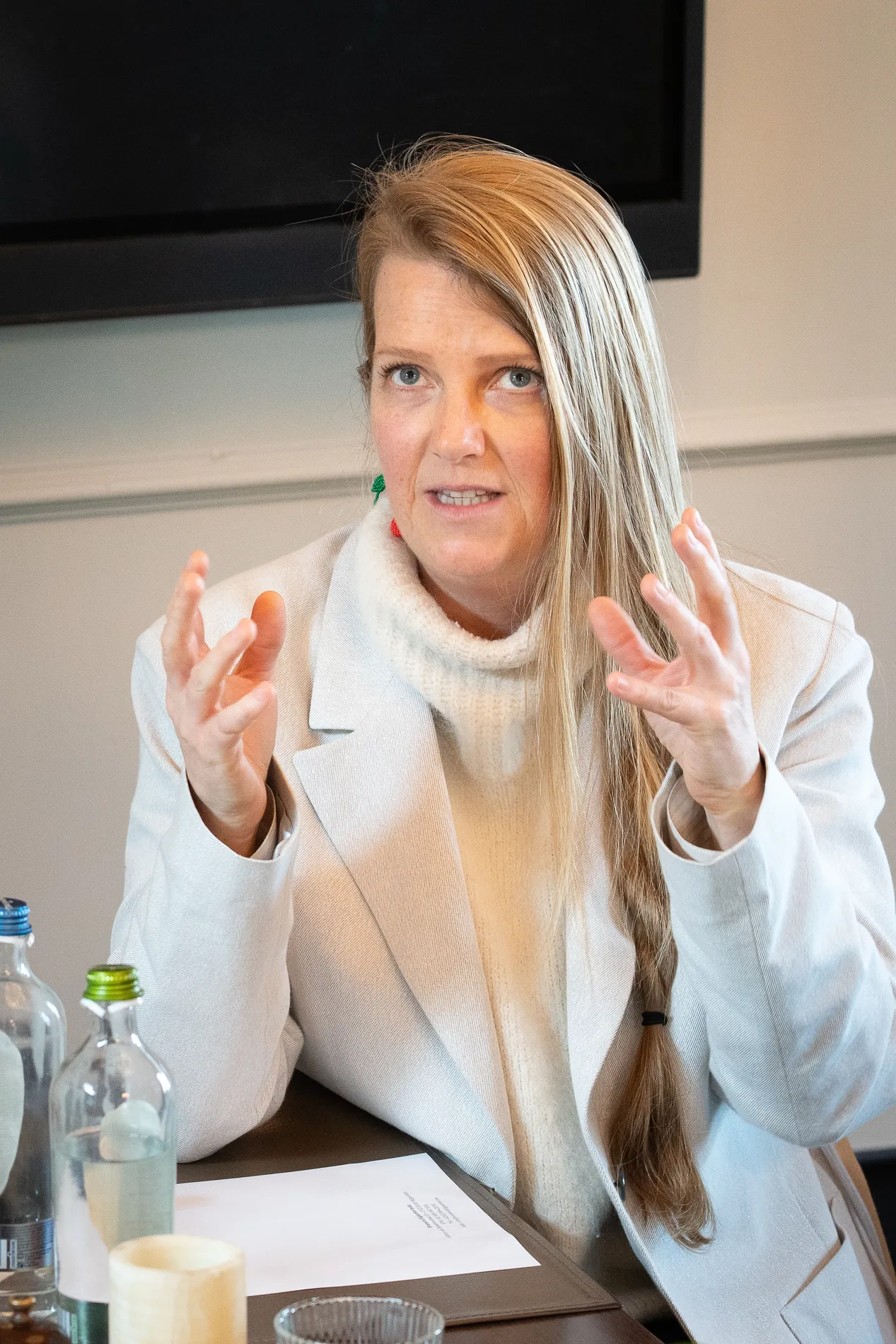
Sophie Roelants is COO and co-founder of AmphiStar, a biotech company that makes biosurfactants from bio-based waste and residual streams. These are biological raw materials for shampoos, soaps and cleaning products. “This is the result of research into a fermentation technology at UGent, which we were able to scale up at the Bio Base Europe Pilot Plant. Initially, we wanted to license our technology to B2B companies in the surfactants market. But it turned out they were more interested in finding a producer of bio-based raw materials, so we changed our business model and started producing ourselves,” she explains.
Ecover was one of its first customers. Several major projects with the cleaning industry are now under way in the US, and major personal care brands are also showing interest. “We still produce through third parties, but our ambition is to build our first factory somewhere in Europe in the coming years. We need to scale up to bring down the price of our products,” says Roelants. The shift from a knowledge-based to a manufacturing company means AmphiStar needs much more capital. Since 2024, it has raised just under €15 million through funding and subsidies. The company is planning another major funding round later this year.
The impact of geopolitics
That is where scale-ups face a challenge, says Barbara Veranneman. “Promising companies like the ones we get to know at BlueChem need investors and markets for their products. We are seeing the geopolitical situation put something of a brake on their innovation: customers are hesitant to invest in new applications, and investors are less willing to take risks and provide funding to scale-ups. Hopefully, the tide will turn soon.”
Geopolitics is also a significant factor for the multinationals around the table. Hans Vloeberghs says: “It is clear that reliable supply chains and local product availability are receiving much more attention today. Europe’s desire to become less dependent on non-European semiconductors is a positive development for us. We try to source our raw materials locally wherever possible. This reduces the carbon footprint of our logistics and makes us less dependent on suppliers further afield.”
Trade wars, the situation in the Middle East and energy prices are adding to the pressure. Yet Molymet Belgium is managing to grow its market share. “Like any company, we have to remain competitive on price. Our expertise, process know-how and high productivity are major advantages in that respect,” stresses Nele Van Roey.
“Molybdenum prices are highly volatile, so producing close to European customers and being able to respond quickly is an advantage. We are definitely seeing a trend towards buying more locally rather than, for example, from Asia.”
What policymakers can do
Sovereignty, local supply and sustainability … all these trends confirm the potential of the sector in Flanders. “Europe has taken note too,” says Barbara Veranneman. “At the end of last year, the City of Antwerp’s sustainable chemistry ecosystem received two awards at the prestigious European Enterprise Promotion Awards in Copenhagen. That is a welcome boost. But policymakers now need to follow through and continue supporting these innovations: enable chemical recycling, build infrastructure for CCS (carbon capture and storage) and ensure an adequate supply of affordable electricity. This would give all companies even more opportunities to grow.”
Hans Vloeberghs and Nele Van Roey stress the importance of continued investment in education and talent: “Demand for STEM profiles remains high. They will help us further optimise our production processes and develop the new products that will underpin our future growth. Flanders also still has work to do on its permitting policy: expansion too often remains a drawn-out process.”
Sophie Roelants sees a twofold challenge for policymakers at AmphiStar: “European regulation is one thing, but it is still often interpreted locally in the member states, which is a problem if you are a scale-up looking to scale. Hopefully, that can be addressed. We also hope to see more sustainability incentives in public tenders, such as requirements for a percentage of bio-based raw materials or upcycled content. That, too, could be a game-changer.”
Question about this story? Ask your question
Keep following this
Get an email when a new story is published. No account needed.
- SubjectRoundtable