Coastal property round table: “Buying a second home remains an emotional decision”
Text Björn CrulImage Wim De Wulf
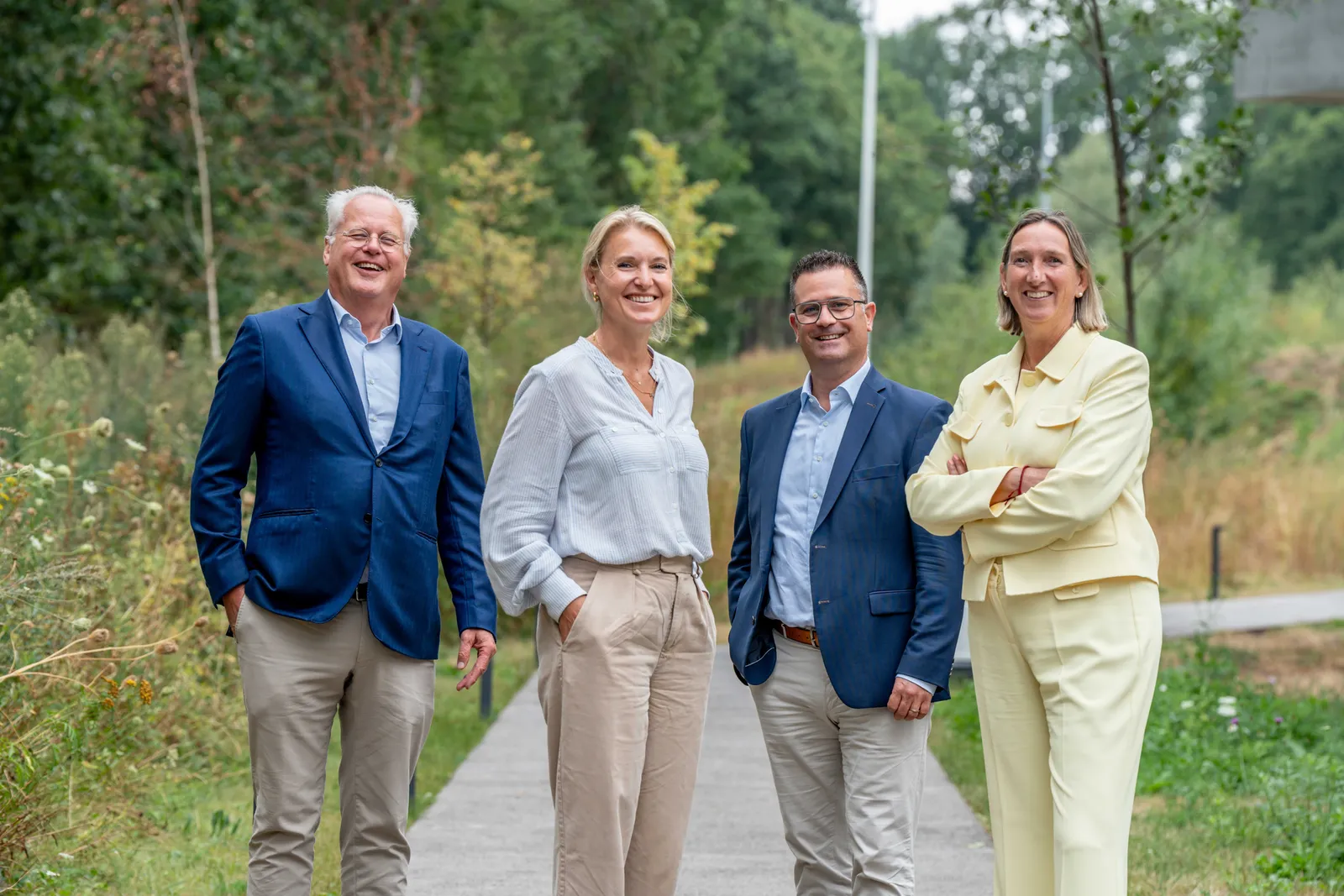
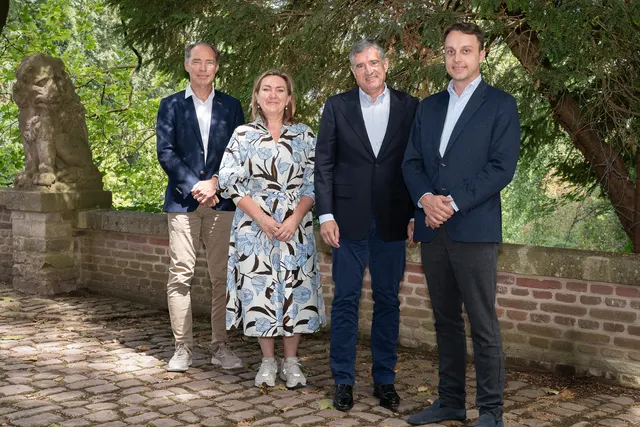
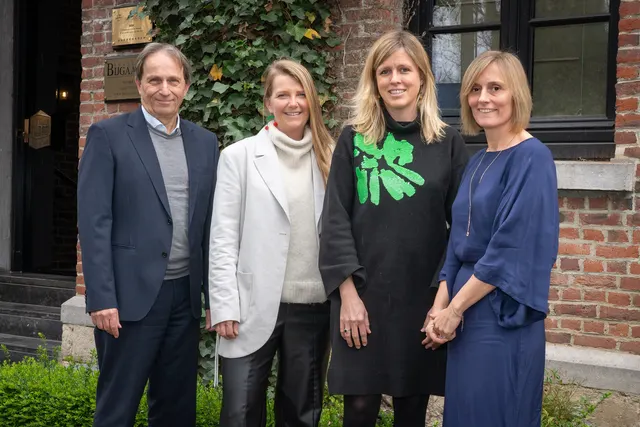
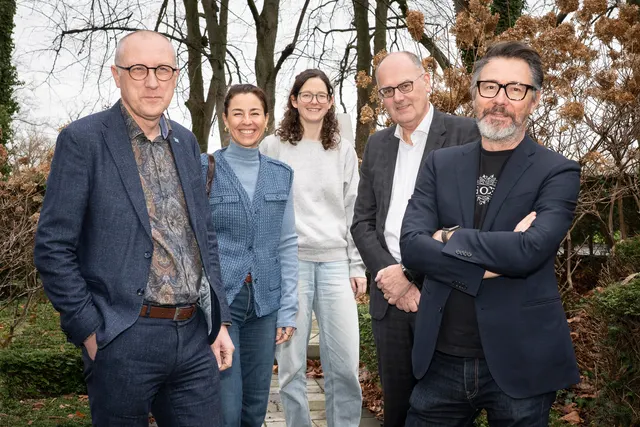
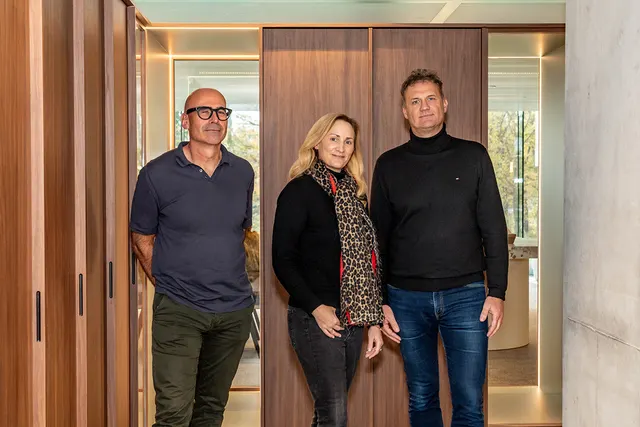
The glorious summer weather has confirmed it once again: the coast remains a popular choice for Belgians looking for a second home. Expectations today, however, are much higher than they used to be. Buyers want more space and comfort, while new building plots are scarce and coastal municipalities are seeking a balance with affordable housing for their own residents. Four experts take stock in our round-table discussion: Jan Hooijmaaijer (Hoprom), Elisabeth Van Damme (POC Real Estate), Jeroen Hautekiet (Dewaele Vastgoedgroep) and Cathy Coudyser (mayor of Knokke-Heist).
Exceptionally fine weather made for a fantastic summer by the sea. Since Covid, Belgians have clearly rediscovered the 67-kilometre coastline. “The coast has something for everyone: beaches, shopping, nature, events … Every seaside resort has its own character. Buying property by the sea remains an emotional decision: people are there in person, see a building they like and want to move quickly,” says Jeroen Hautekiet, head of sales at Dewaele Vastgoedgroep. “Another factor is that temperatures in southern destinations can sometimes get too high as a result of climate change. That means we are seeing investors increasingly look for a second home in their own country.”
Cathy Coudyser, mayor of Knokke-Heist, agrees: “At peak times in summer, up to 120,000 people stay in our municipality. But we make a great deal of effort to be an attractive destination throughout the year. Those visitors create important momentum for the local economy: the hospitality sector, shops and services depend on tourism and second-home owners. As a municipality, we must ensure that mobility and safety are guaranteed at all times.”
Changing expectations
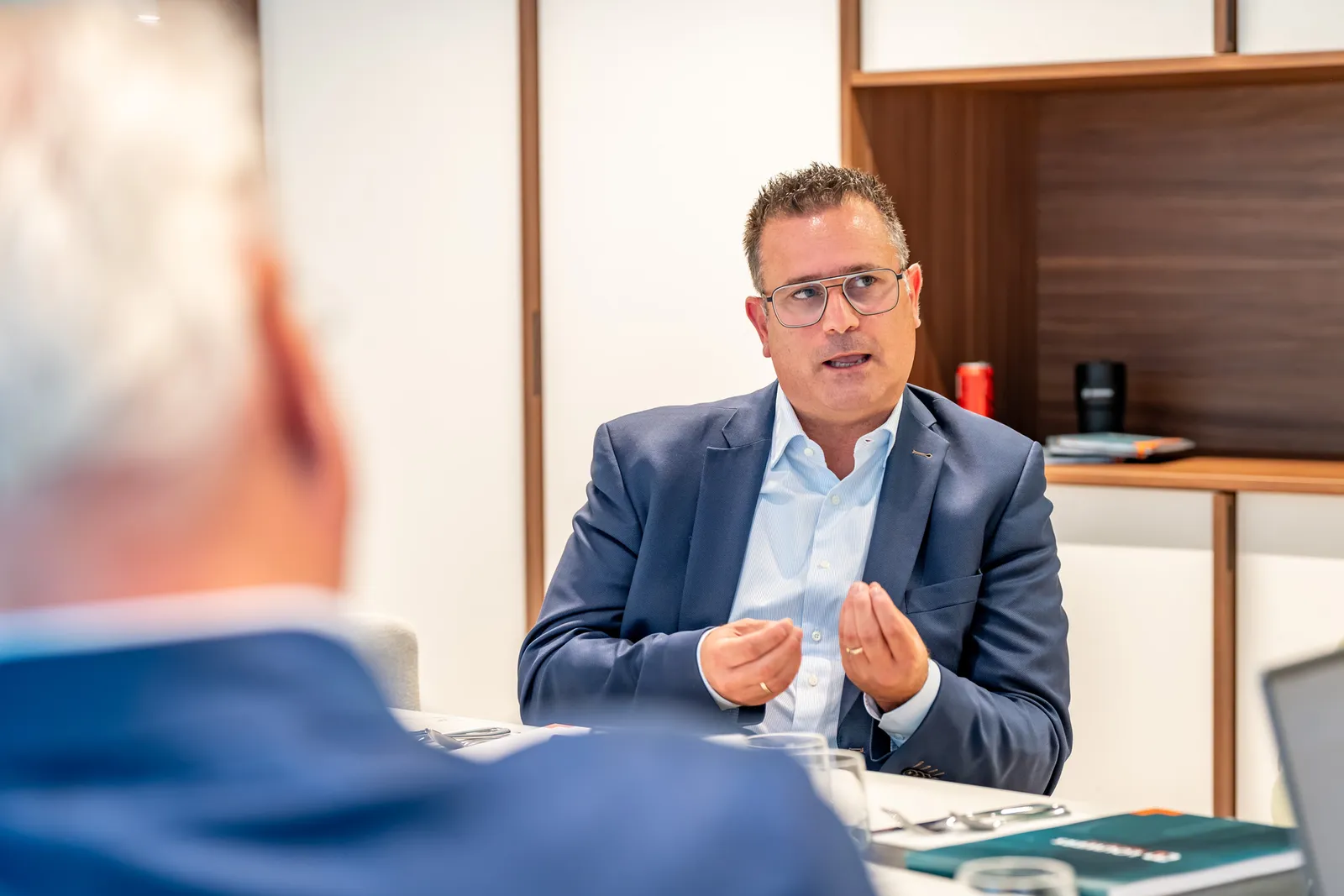
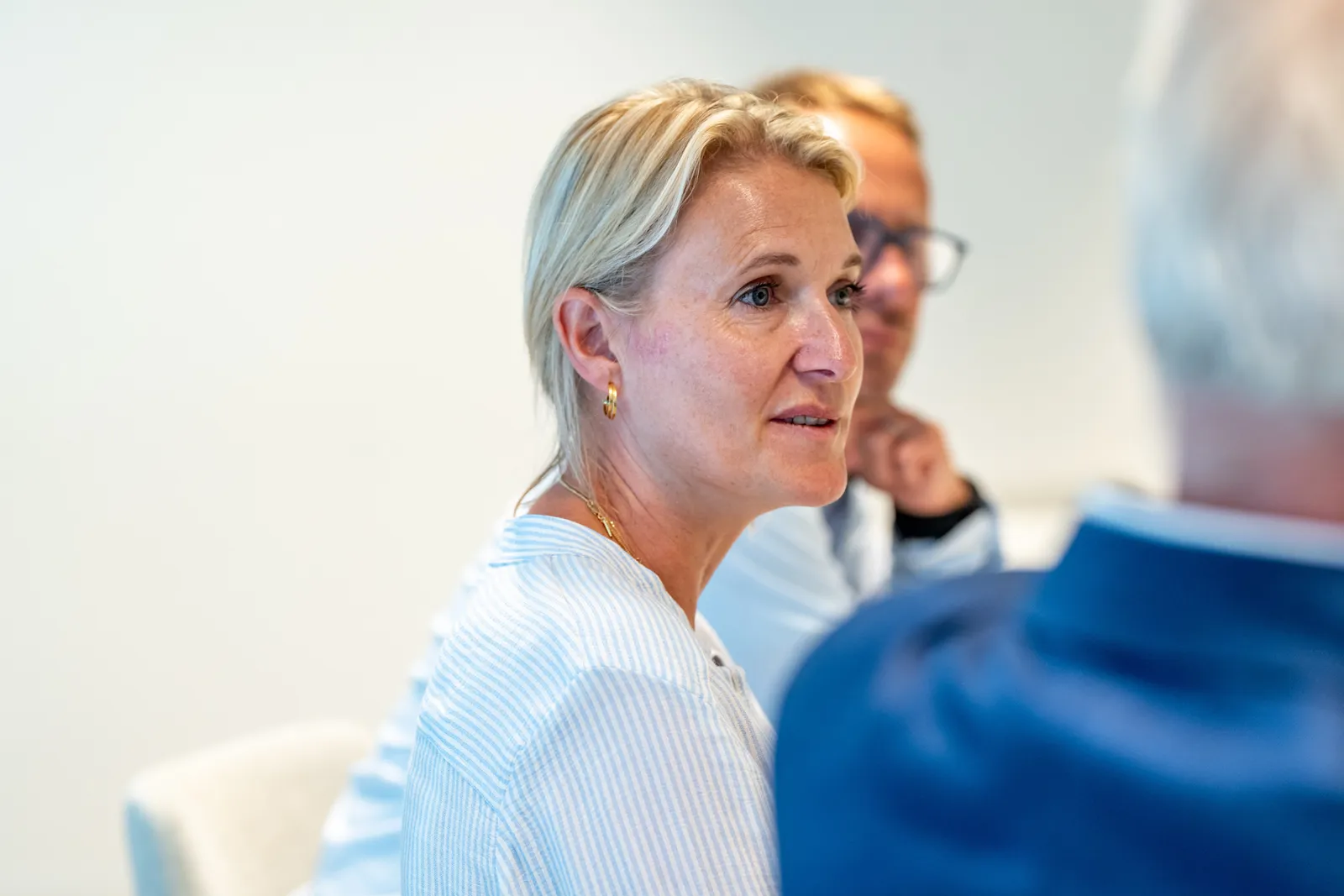
The typical buyer is aged 50 or over and often fulfils a long-held dream with an apartment by the sea. “The power of nature and the holiday feeling play a major role. People buy on the coast to unwind and escape the daily grind for a while. That trend has continued since the pandemic,” says Elisabeth Van Damme of POC Real Estate. “Our clients are more discerning than they used to be about location, though. A sea view is no longer enough. Orientation, accessibility, architecture and space are becoming increasingly important.”
Investors’ view of their second home has therefore changed. Today, it needs to be a fully fledged second home. Jan Hooijmaaijer of property developer Hoprom says: “Someone who bought an apartment by the sea 25 years ago would, so to speak, move their old furniture from home into it. Our clients now see it as an extension of their own home. They prefer a spacious apartment, a large terrace, plenty of light and sunshine, and ideally a garage in the building. The quality of the interior has also become much more important.”
These changing expectations also mean the seafront is no longer the only prime location. According to Jeroen Hautekiet, buyers take a much broader view of what makes an attractive place in their preferred coastal municipality. “Apartments on the seafront are often older, less spacious and have smaller terraces. The focus on light and space means that locations one street back or in the centre of the municipality can attract just as much interest. Mobility and accessibility also carry more weight in the decision than they used to.”
Rental yield versus personal enjoyment
Prices have risen sharply in recent years, partly as a result of growing interest. According to figures from Dewaele, the average selling price of an apartment on the coast is now 331,000 euros. In 2020, it was 227,000 euros, around 40 per cent lower. “That increase makes it harder to recoup the purchase price through direct rental yield,” says Hautekiet. “Investors looking purely for a return therefore tend to opt for smaller, less expensive apartments. They take a much more rational approach to such a purchase.”
For second-home owners, personal enjoyment is at least as important. Some buyers are even thinking beyond weekends and holidays. Elisabeth Van Damme says: “We are increasingly seeing people buy now with the idea that they might live there permanently later on. They are thinking long term and buying primarily for themselves, their children and grandchildren.” Where these clients buy remains closely linked to personal preferences. “Childhood memories certainly play a part: people like to return to the seaside resort they used to visit with their parents,” Van Damme notes.
This creates opportunities for several coastal municipalities. Popular destinations for second-home owners include Knokke-Heist, Oostende, Nieuwpoort, Koksijde and De Panne. It is no coincidence that these are larger seaside resorts with shopping and events throughout the year. “Every coastal municipality has its own profile. We see no significant differences in buyer interest,” says Jeroen Hautekiet. “The image of a seaside resort has a major impact on buyers’ expectations. As a developer, it is our job to develop the right product in the right place,” adds Jan Hooijmaaijer.
Building upwards becomes the norm
Rising demand and limited available space are putting pressure on spatial planning. As a result, taller residential towers have appeared in an increasing number of locations along the coast over the past decade. Mayor Cathy Coudyser believes the location of such projects requires careful consideration: “Sound spatial planning comes first. To use space efficiently, we simply have to build higher. As a municipality, we set out the permitted building heights in specific neighbourhoods through spatial implementation plans.”
Projects such as the Heldentoren and Hoost, the two landmarks that have changed the view of the district of Heist, caused a stir among local residents. “But if you look at how those projects are now giving the municipality a new impetus, it is a very different story. We have also invested in redeveloping public spaces, which has made Heist a much more attractive place.”
The municipal council has now designated six project zones where additional storeys may be built as part of future developments. Agreements are also being made with property developers on providing more green space and affordable housing. “As a municipality, we need those investors,” says Mayor Coudyser. “But cooperation must be transparent and based on mutual respect, and projects must take account of the neighbourhood’s capacity. It is about balance and respect for authenticity, including in the architecture.”
Developing more sustainably
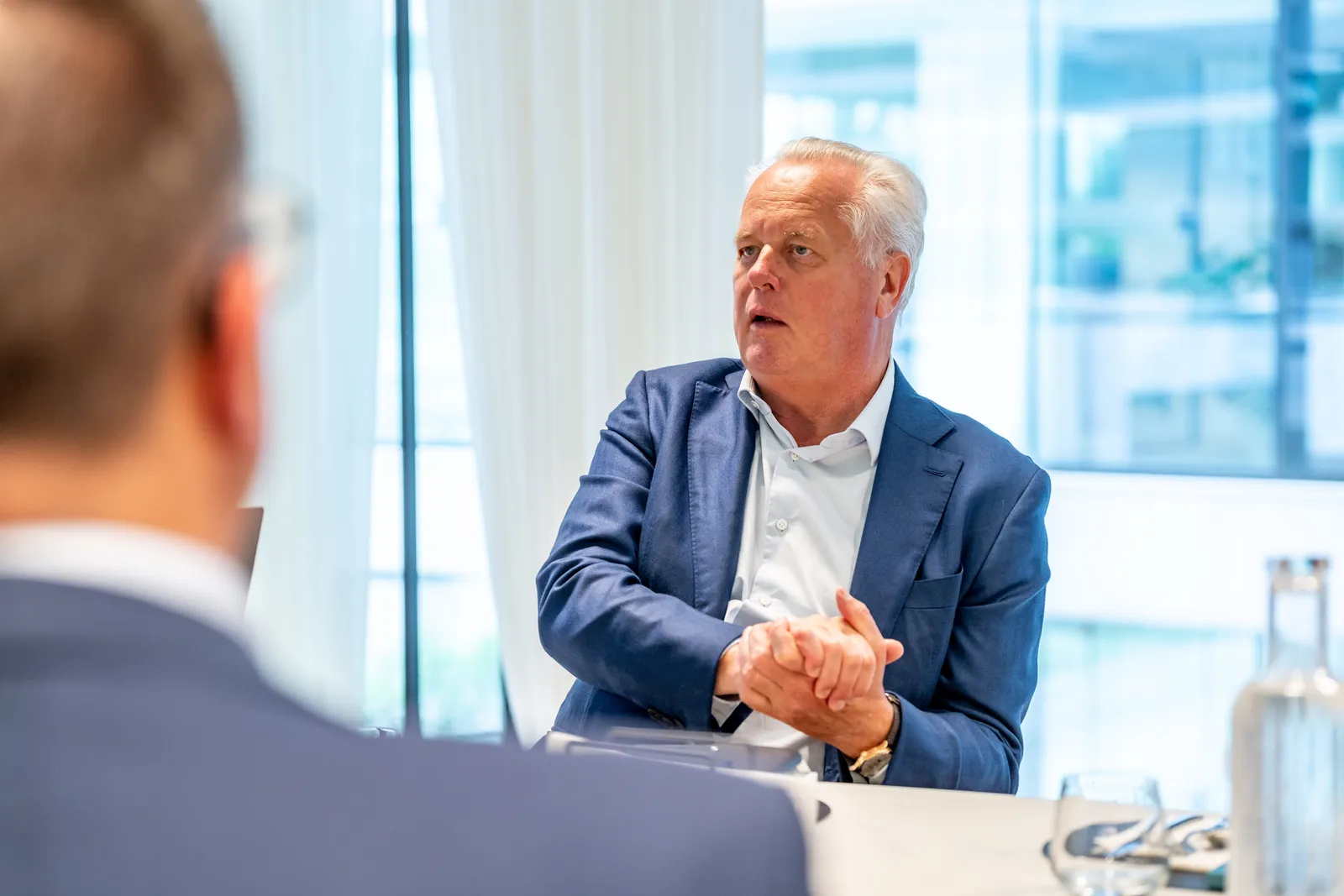
For Hoprom and POC Real Estate, the future of coastal property lies largely in redeveloping existing buildings. Elisabeth Van Damme says: “There is certainly still room for new projects, but we see the greatest opportunities in redeveloping existing properties. Many apartment buildings still date from the 1960s and 1970s and need a technical and energy-efficiency upgrade to meet today’s standards. Rather than continuing to renovate them, it is often more efficient to demolish those buildings and replace them with sustainable new-builds.”
Property developers POC Real Estate and Hoprom regularly work on exchange arrangements in which owners in an existing apartment building contribute their property to a redevelopment project. “For an owners’ association, this often offers a very attractive way to bring their building up to date,” says Jan Hooijmaaijer. “We look for ways to enhance quality and create sustainable added value. Where the spatial context allows, this can, for example, result in an additional storey. As the property developer, we guide the owners through the entire development process, from the legal and administrative preparation to the delivery of the project, removing the complexity for them.”
Balancing this with affordable housing
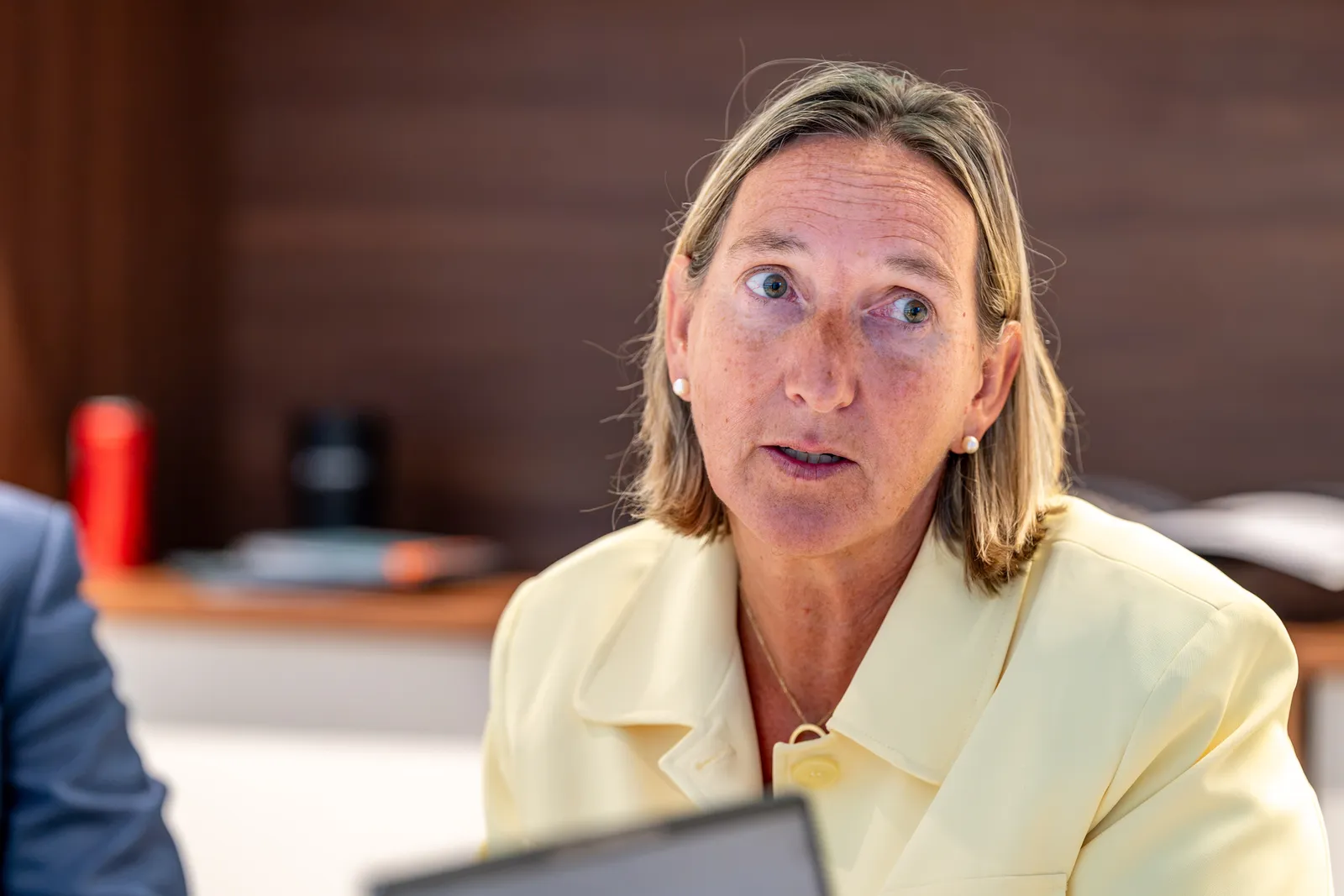
For local authorities, however, the biggest challenge is the relationship between second-home owners and permanent residents. Knokke-Heist has around 32,000 registered residents in 16,000 homes. By contrast, there are 21,900 homes and apartments without registered residents. “Affordable housing is essential. The local economy and care sector need workers, who should preferably be able to live in the imme
diate area,” says Cathy Coudyser.
That is why Knokke-Heist wants to gain greater control over the housing market. Among other measures, the municipality is looking into requiring residents to register at certain properties, with particular attention to people aged 25 to 50 who want to buy their first home. But regulation is not the only measure needed. “We have an Affordable Rental Office. Owners rent out their properties below market rates, but in return they are guaranteed rental income for nine years. When allocating the properties, we take into account whether applicants work here or have a connection with the municipality. We have also set up a housing cooperative, ‘De Pionier’, which will build 54 homes in Heulebrug. Selected residents pay a contribution to the scheme, for example 20,000 euros, followed by a monthly fee. We see these schemes too as a way to provide a solution for our own residents,” the mayor concludes.
Question about this story? Ask your question
Companies in this story


Keep following this
Get an email when a new story is published. No account needed.
- SubjectRoundtable
- CompanyPOC Real Estate
- CompanyDewaele