“We need to keep as many options open as possible”
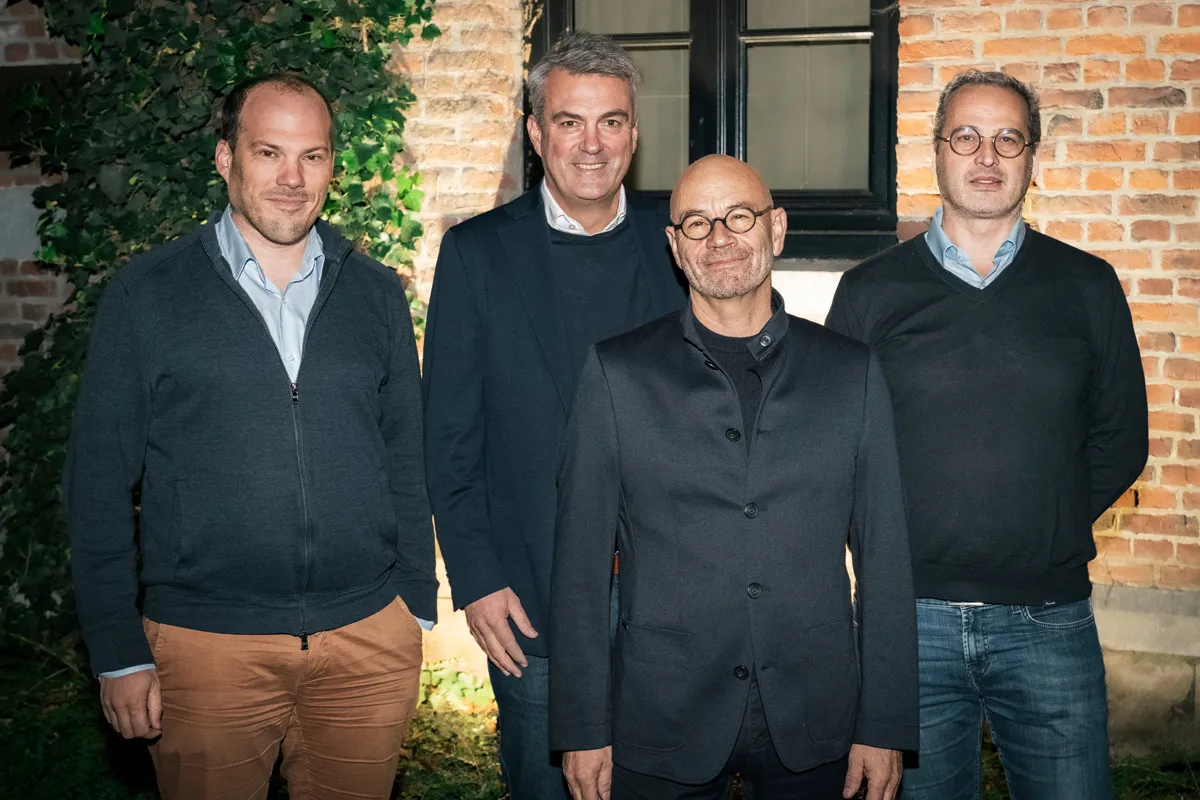
Four energy-sector entrepreneurs on the energy transition
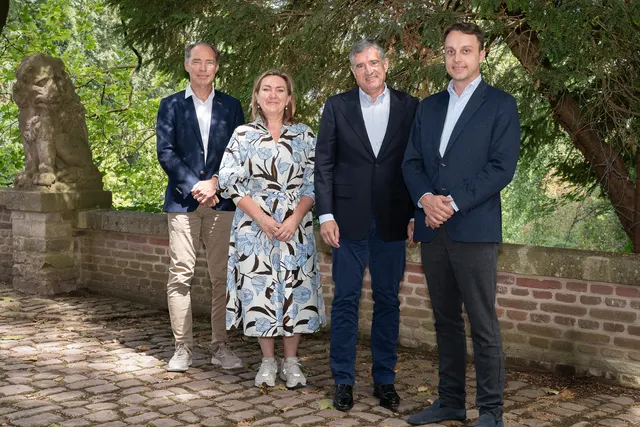
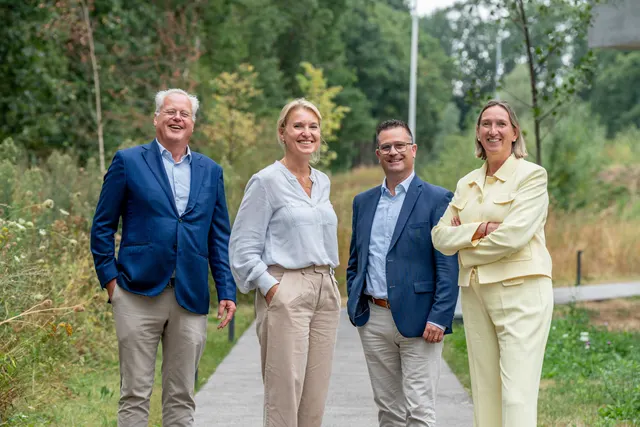
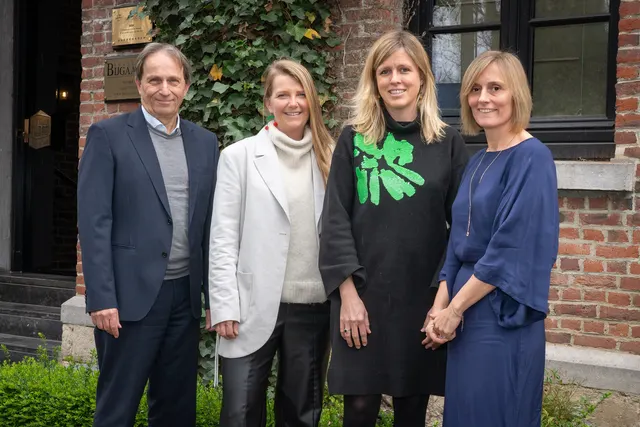
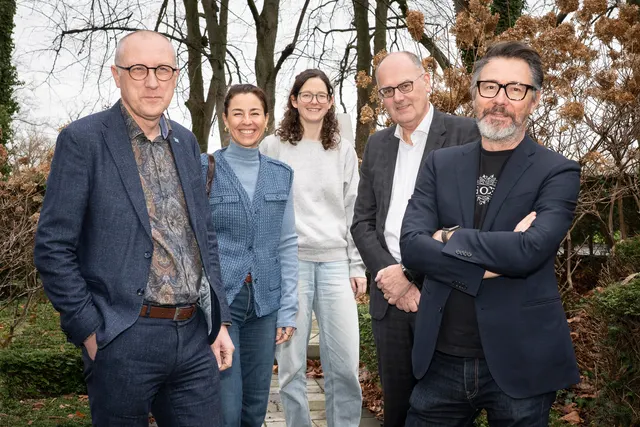
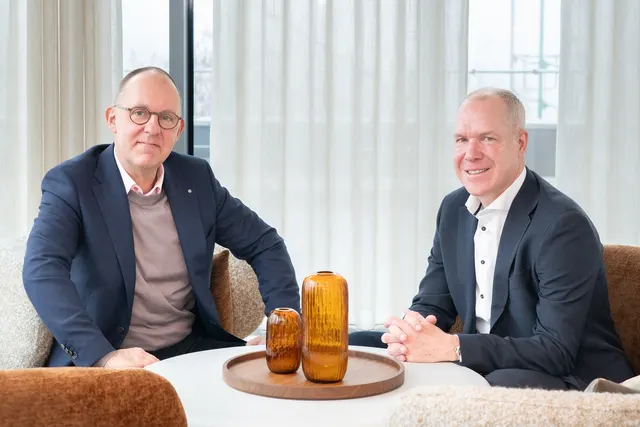
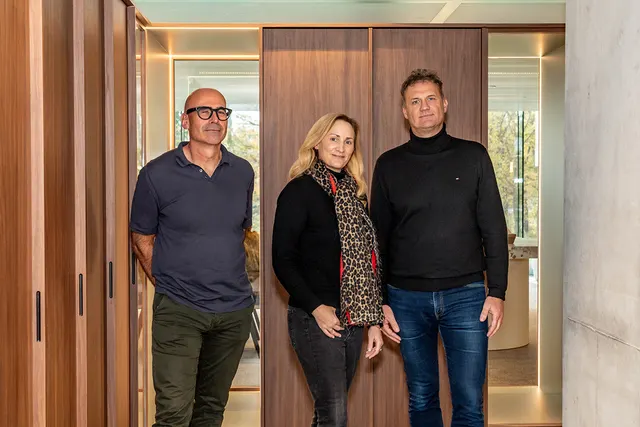
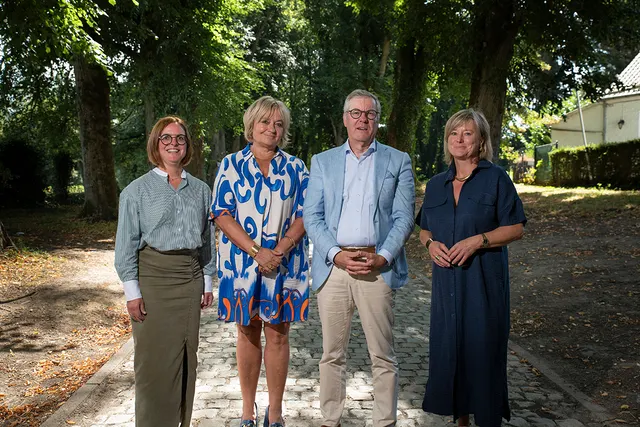
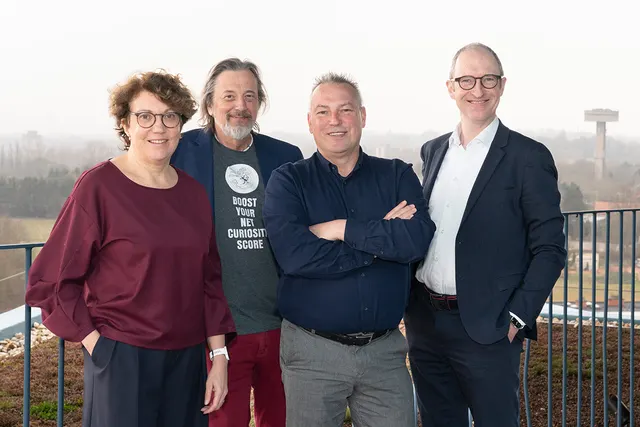
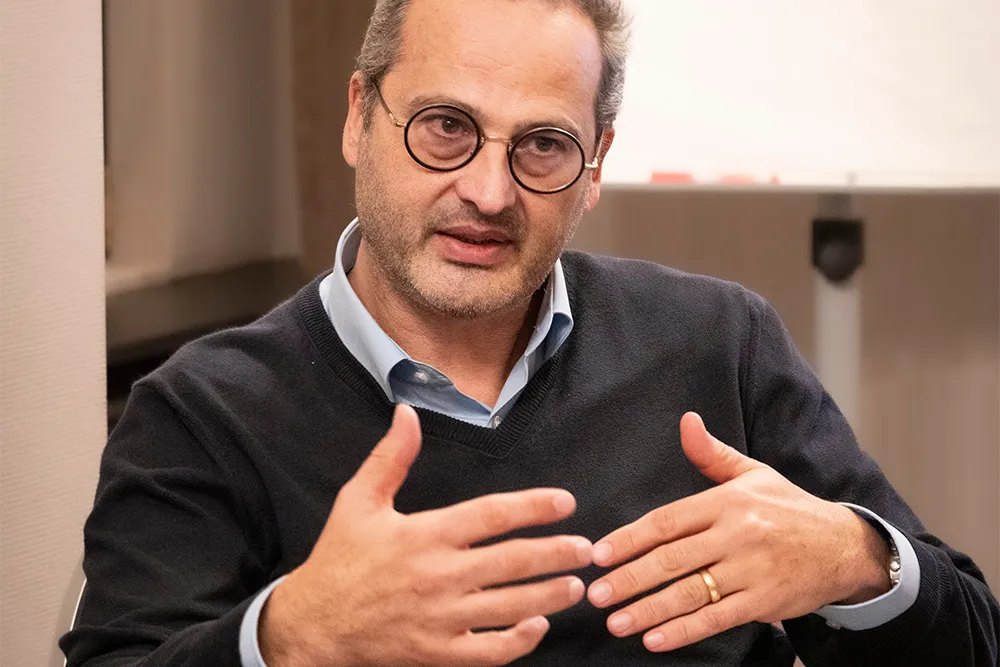
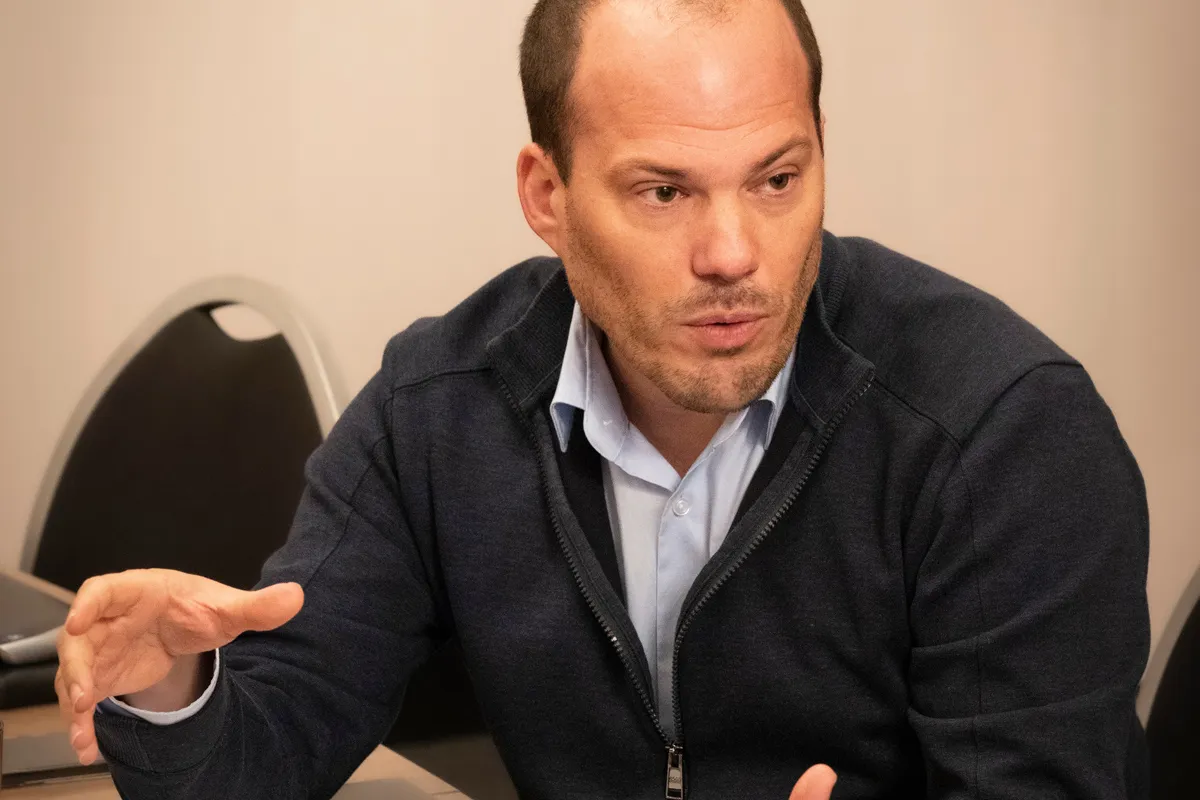
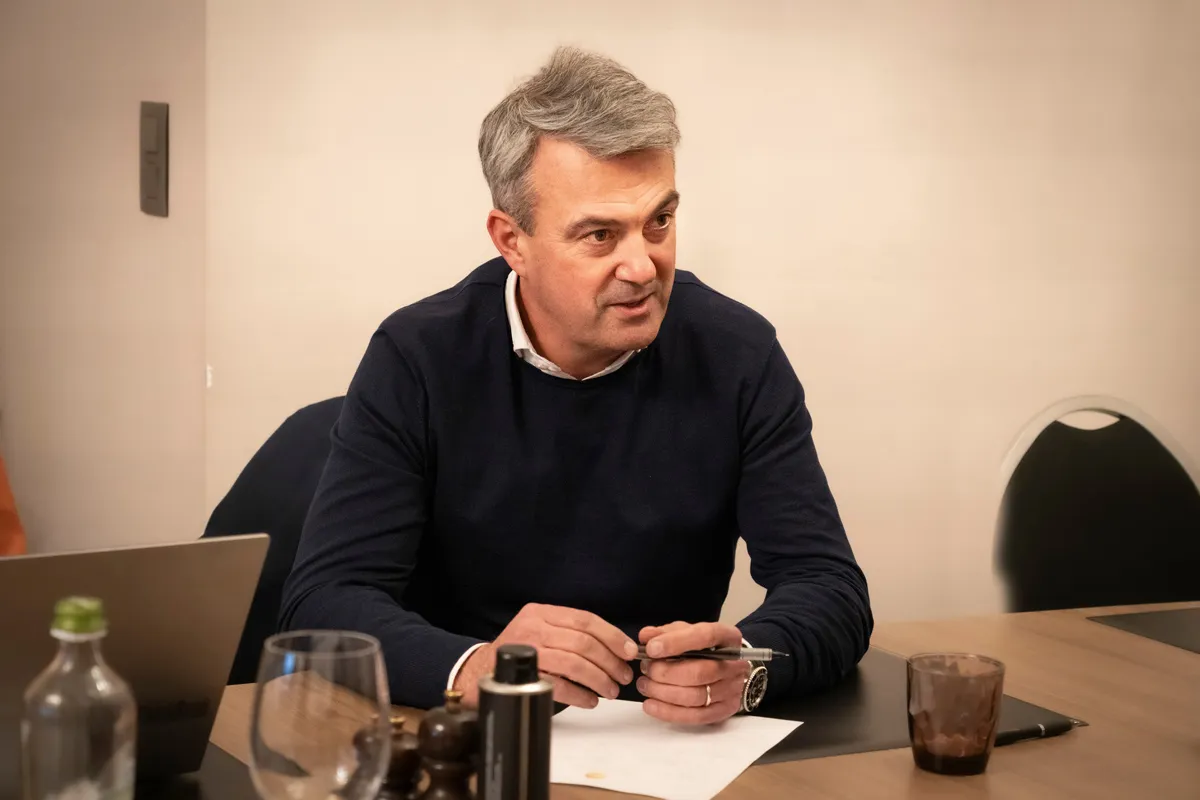
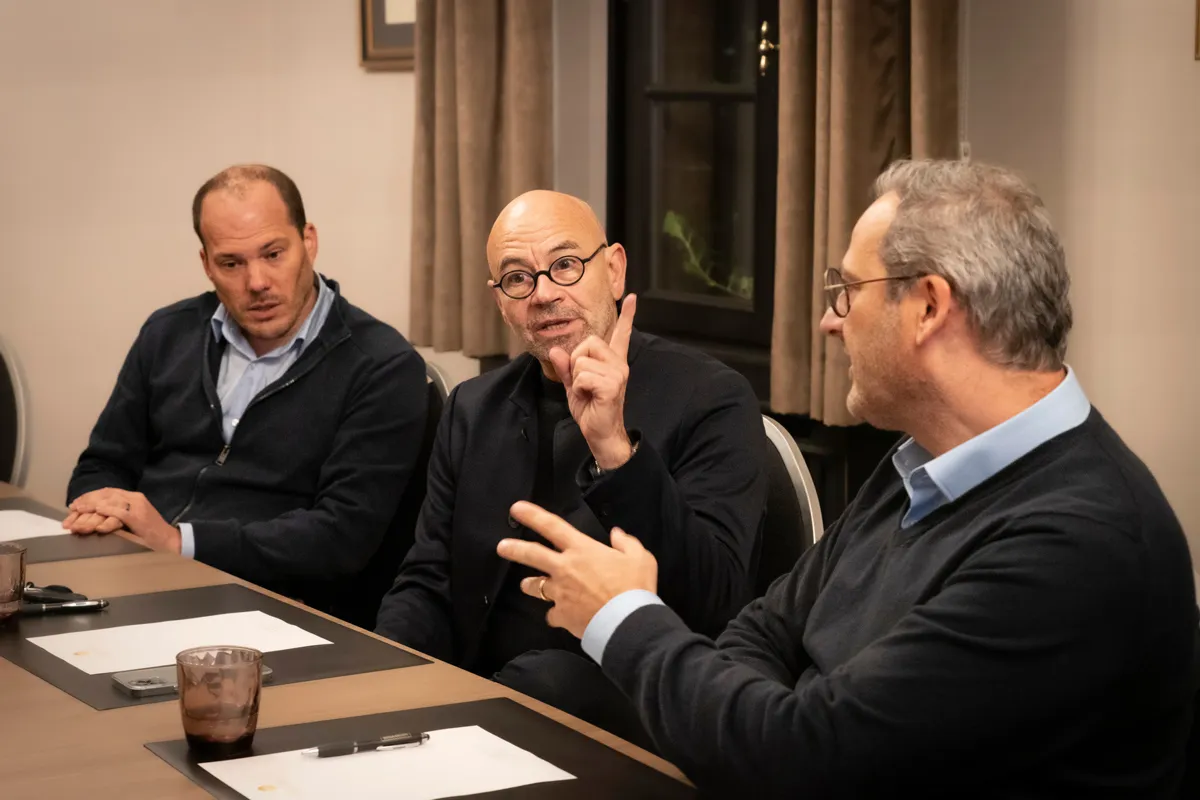
The energy transition is under way, and there is no going back. Companies in the energy sector are leading this evolution, but they too still face considerable uncertainty. Technological developments, changing market demands and government intervention are all having a major impact on the transition to a CO2-neutral energy system. We brought together four energy-sector players to take stock and discuss their vision for the future: Xavier Dewulf (G&V Energy Group), Stefan Grosjean (Smappee), Maarten Michielssens (EnergyVision) and Stephan Windels (Virya H2).
The energy sector has been through turbulent times. Last year, gas prices soared as a result of the war in Ukraine, pushing electricity prices sharply higher too. This led to a full-blown energy crisis, with Europe seeking to wean itself off Russian gas much faster than expected.
“We have seen that the crisis prompted many companies to consider how they could better protect themselves against future price spikes,” says Stephan Windels, CEO of Virya H2, part of Virya Energy, the energy arm of Colruyt Group and Korys. “For example, we received a lot of requests from industrial players to launch a study into replacing natural gas with hydrogen.” Over the past decade, we have gained considerable experience from hydrogen pilot projects within Colruyt. Virya Energy produces and supplies renewable energy, and also offers services to third parties, such as storage and advice on hydrogen.
Electrification is not yet a game changer
For G&V Energy Group, which operates a network of more than 220 filling stations offering conventional fuels as well as more sustainable options such as CNG, LNG and charging infrastructure, it was a turbulent year. CEO Xavier Dewulf says: “We saw an impact on volumes, mainly because private motorists paid more attention to the cost of their journeys and truck transport had yet to return to pre-pandemic levels. But our results were satisfactory. This year, our retail segment is performing well, but the truck segment is under pressure. This could point to an economic slowdown and may be a sign of an impending recession. Meanwhile, we are fully committed to electrification, investing in charging infrastructure for both passenger transport and trucks.”
Smappee, Stefan Grosjean’s company, is now an established name in the EV charging market. “Electric cars have finally taken off in Belgium, following changes to the tax treatment of company cars. More electric cars also mean greater demand for chargers. We are growing strongly, but not as quickly as expected. This is because lead times for electric cars are still long, and private customers often wait until the last minute to order their charger. We are also seeing demand slow internationally, probably due to economic uncertainty,” says the CEO.
Maarten Michielssens, founder and CEO of EnergyVision, has been on a rollercoaster in recent years. “The combination of the pandemic and the energy crisis tripled our turnover. Our solutions mean that private customers and businesses do not have to invest in solar panels or chargers themselves. We do it for them and supply the electricity. As a company, we match our renewable energy production with consumption. This enables us to be profitable while helping our customers save on their energy bills.”
The pros and cons of subsidies
In this capital-intensive business, EnergyVision chose to operate without subsidies. “When we started 10 years ago, it was a period without subsidies for solar panels. The technology was mature enough for us to make it economically viable without that support. So we did not apply for any later either,” says Maarten Michielssens. Subsidies for solar panels are now being phased out, but a new grant was recently introduced in Flanders for private individuals buying electric cars.
The question is which technologies the government should support to promote the energy transition. “We need to maximise the potential of solar and wind. They are free resources that we control ourselves, without geopolitical risks. And once the infrastructure has been paid for, it is pure profit. That is why subsidies should be approached with caution,” says Stefan Grosjean. “Take the new grant for electric cars, for example: that is money going to China. Fortunately, the grant for home batteries for private individuals has been discontinued, because it was simply a bad measure. A battery loses 10% in electrical efficiency anyway. It is much better to invest in large-scale, commercial batteries.”
“When you are pioneering, want to test new technology and get a market off the ground, subsidies can facilitate innovation. Targeted support is not a bad thing, provided you make clear choices and then assess their impact,” adds Stephan Windels of Virya H2. “Does the technology have sufficient potential? Is the market following? The government should adjust or discontinue its subsidies accordingly.”
The government plays a decisive role in the energy transition. But to keep the transition feasible and affordable, we need to keep as many options open as possible, says Xavier Dewulf of G&V Energy Group. “A clear choice has been made to electrify passenger transport. Tax rules for company cars have been adapted accordingly, providing a long-term outlook. We have therefore decided to invest in EV charging and turn our filling stations into ‘energy hubs’ where you can work, eat or find entertainment while charging.”
Technology neutrality
“The same shift is beginning to take place for trucks, and we will offer EV charging for them too. But for now, most still run on diesel. We see manufacturers promoting LNG and BioLNG as transition fuels. At the same time, the renewable diesel substitute HVO is gaining ground. We will need all of these options to decarbonise freight transport. Policymakers, including at European level, are paying too little attention to this,” says Dewulf.
Technology neutrality is also important to Stephan Windels. “In Belgium, we are still a small energy market that is heavily dependent on connections with other countries. The high-voltage grid operator Elia has also invested heavily in this. But if we are serious about achieving CO2 neutrality, we will need a mix of every possible solution. Above all, we need to be pragmatic and keep all options open, so we do not move from one dependency, Russian gas, to another.”
When it comes to keeping options open, the business community is clearly calling for the nuclear phase-out to be reconsidered and nuclear energy to be included in the future energy mix. “If we want the energy transition to be feasible, affordable and clean, having a balanced share of nuclear energy in the mix is a logical choice,” says Maarten Michielssens. “We must not be naïve about this. Look at what is happening in Germany after the nuclear power stations closed: they are now producing energy from lignite again, causing CO2 emissions to rise. Surely that cannot be the intention?”
Stefan Grosjean does not support further investment in nuclear power stations: “20 years ago, I was still in favour of nuclear energy, but today it is too late. Look at where uranium comes from: mainly Russia and Africa. That creates a geopolitical risk. It is also considerably more expensive than wind and solar, and nuclear waste remains a problem. I see more promise in connecting Northern and Southern Europe, and east with west. I also think expanding natural energy storage, such as the planned Prinses Elisabeth Eiland in the North Sea, is a good solution.”
Much remains to be done by government
One point our panellists clearly agree on is that Belgium still has work to do on permits and energy networks if it is to deliver on the energy transition and its climate ambitions. “Red tape is holding us back,” says Maarten Michielssens. “We are installing solar panels on social housing on a large scale, and in Wallonia we have to submit an application for each resident rather than for a single connection. This is seriously delaying our project, and therefore the energy transition.”
“We find that it often takes a very long time for grid operators to connect our new infrastructure to the electricity grid,” adds Xavier Dewulf. “Investment in the grids absolutely has to continue, because demand for capacity will only increase. We must avoid reaching a point where no new connections are possible, as is already the case in some parts of the Netherlands.”
Flexibility is also part of the solution: matching energy consumption to peaks and troughs in production. Smappee has developed intelligent technology to do this. Stefan Grosjean says: “Flexibility will only work if it is as automated as possible, so users do not have to give it a second thought. For example, if there is enough sunshine, the energy management system will switch on the washing machine or charge the car. Smart control based on price incentives is the future, both for households and businesses.”
Colruyt Group is already matching as much of its consumption as possible to production. “You can achieve a great deal with intelligent control. But we do not believe in going completely off-grid: you are always connected to the grid somewhere and have to move with the wider energy system,” says Stephan Windels. “And when flexibility is rolled out on a large scale, we will need to be careful. Market prices will give many players the same incentives. So I would not rely on that too much.”
Question about this story? Ask your question
Keep following this
Get an email when a new story is published. No account needed.
- ThemeEnergy security and the circular economy
- SubjectRoundtable