“We need more politicians who dare to take risks”
Text Björn CrulImage Dieter Meyns
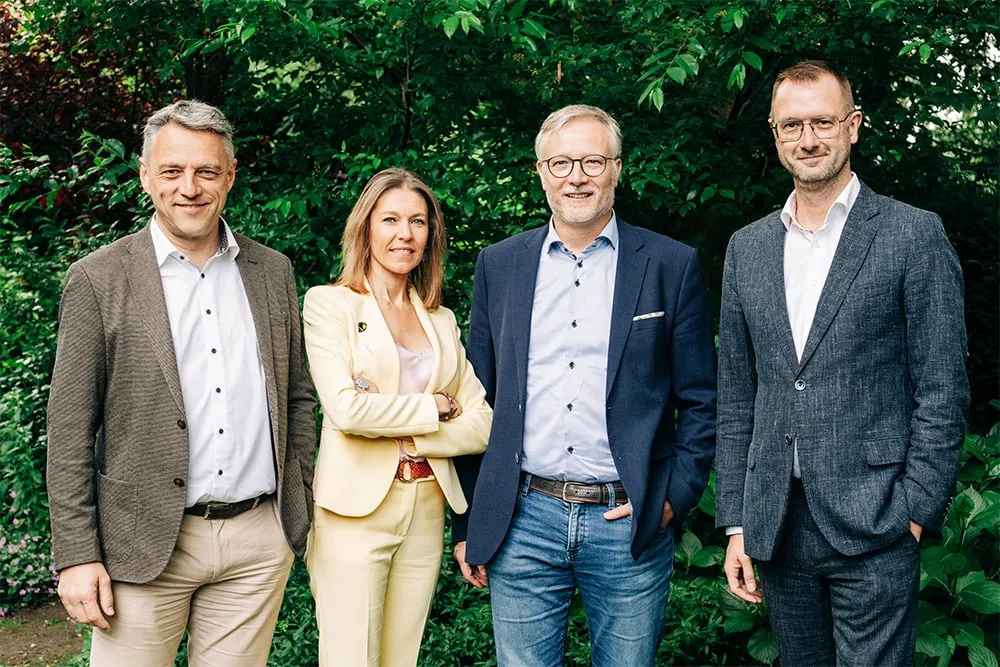
Round table: Entrepreneurs in politics
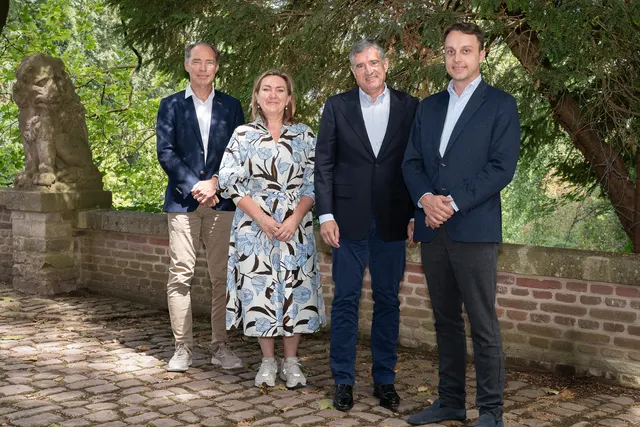
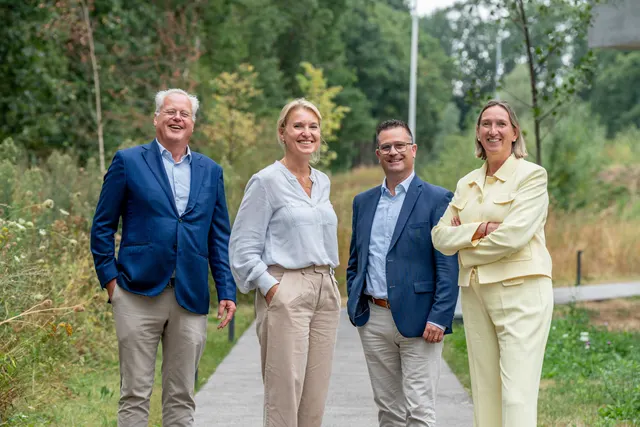
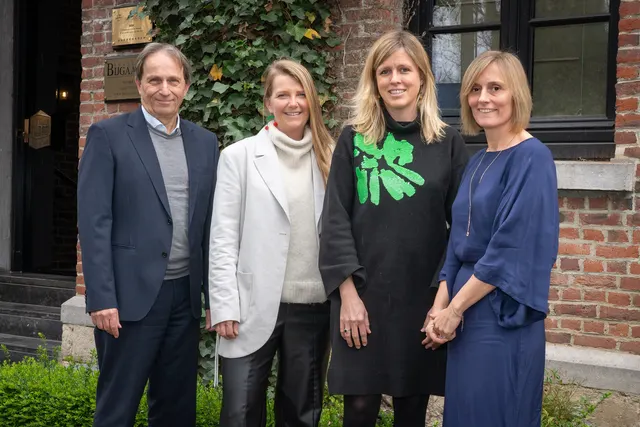
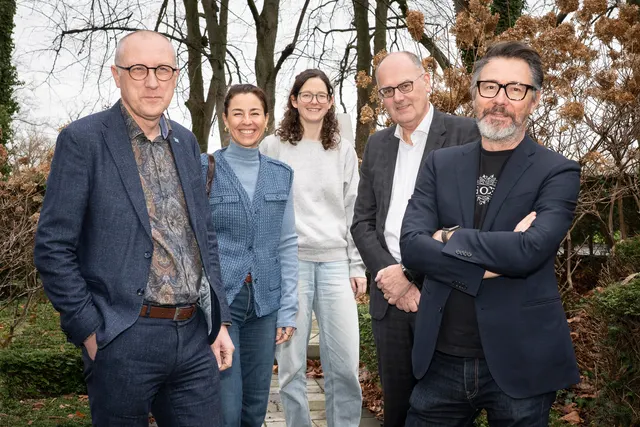
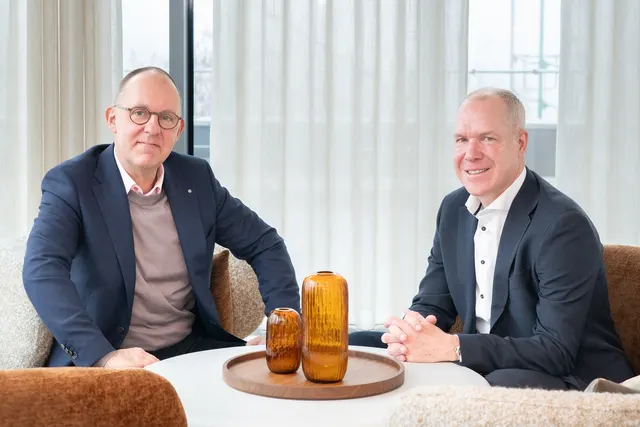
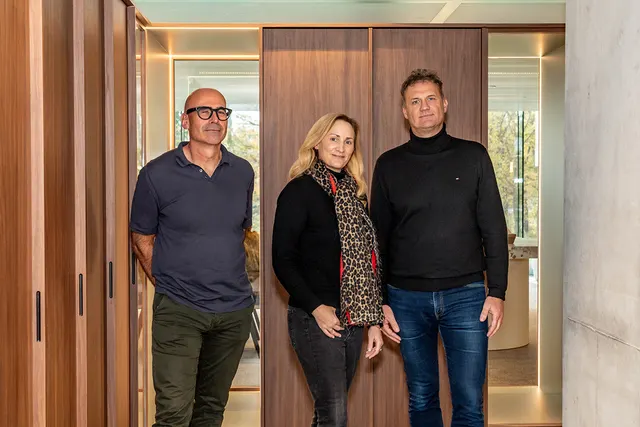
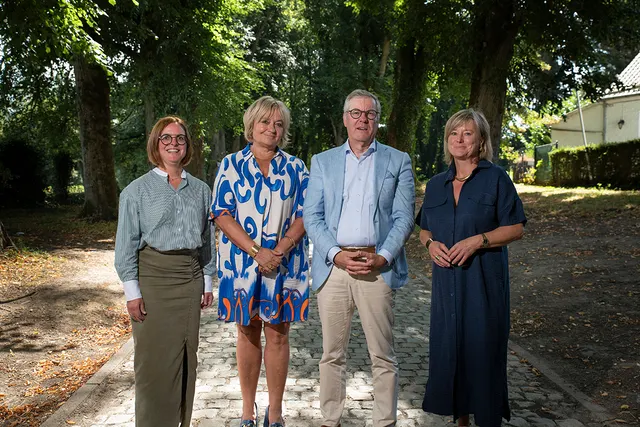
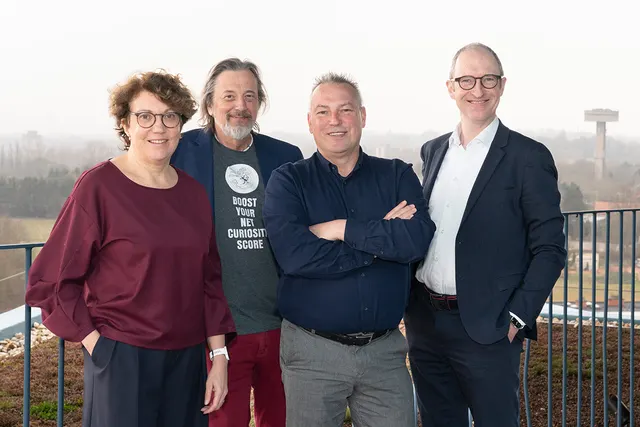
2024 is an election year. After the European, federal and Flemish elections, voters will go to the polls in October to elect new municipal councils and provincial councils. A number of entrepreneurs are also standing for election. Business Vlaanderen brought together four entrepreneurs who hold local political office for a round-table discussion: Piet Delrue (alderman for Lokaal Liberaal in Roeselare), Nele Caus (municipal councillor for N-VA in Bruges), Maarten Blommaert (alderman for N-VA in Aalst) and Dieter Mannaert (alderman for CD&V in Dendermonde).
Entrepreneurs who take on political office remain a rare breed. Politics is a time-consuming occupation, and anyone running a business is busy enough as it is. Our round-table discussion reveals that political engagement is often passed down from one generation to the next. Maarten Blommaert has spent 24 years on Aalst municipal council: “My parents, who were both active locally in the Volksunie, sparked my interest in politics. I was 19 when I was first elected. I wanted to stand up for young people and became one of the youngest municipal councillors in Belgium. This term, I started out as N-VA group leader, and when the alderman for spatial planning stepped down, I was able to succeed her. It was a dream come true.”
The Delrue family has a long political tradition: Piet is the fourth generation to hold local office. “Politics was never far from the conversation at home. My father was a municipal councillor and also served on the provincial council. When I was nearly 40, I made a double career change: I became self-employed and stood for Open VLD in the municipal elections. I finished eighth in 2012, and in 2018 the party asked me to lead the list. That made me chair of the municipal council, and I have been an alderman for the past two years.”
The desire to get things done
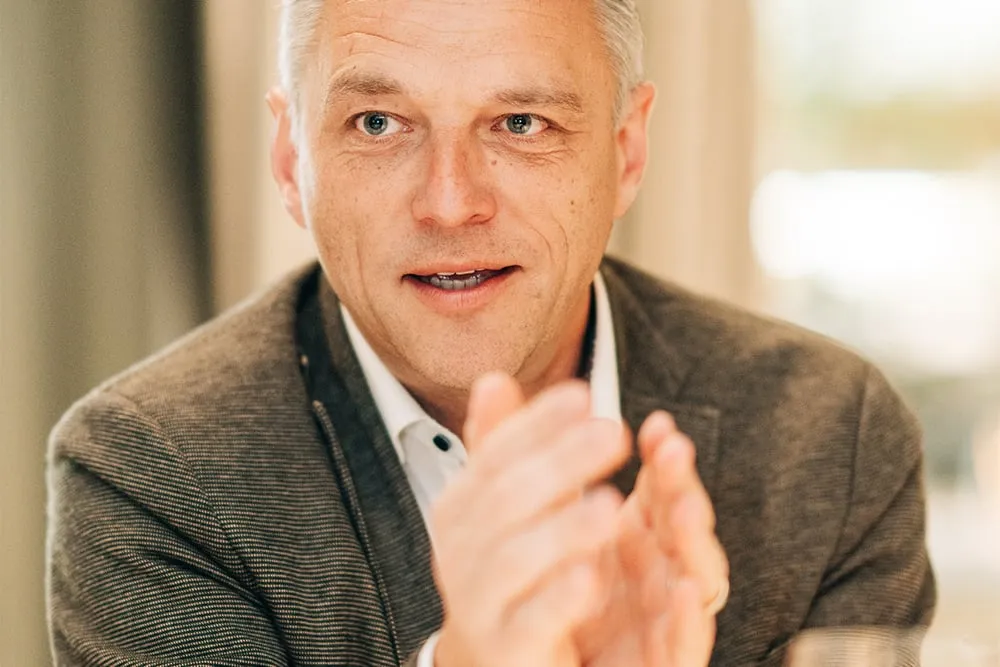
Dieter Mannaert’s grandfather and uncle were politically active in Sint-Gillis and Dendermonde. He himself took the plunge 12 years ago. “When I moved back to Dendermonde, I was active as a hospitality entrepreneur, running a nightclub and a function venue. All the parties came to ask me to join their lists. I eventually chose CD&V because of its capable administrators. You go into politics to get things done, after all, and locally they were the leading party, with Mayor Piet Buysse as their figurehead. I was elected as a municipal councillor the first time around. During the last term, I was first an alderman, then chair of the municipal council, and now I am an alderman again.”
Nele Caus, who runs several hospitality businesses in Bruges with her husband, tells a similar story: “I studied political science and had always been very interested in politics. Various parties tried to recruit me. But it was only when Dirk Barbier, the late former chair of N-VA Brugge, knocked on my door during a canvassing visit that he really sparked my interest. After talking to the local party leadership, including Pol Van Den Driessche, I decided to stand for election. As a newcomer, I was given second place on the list in the previous municipal elections and now sit on the municipal council. You can stand on the sidelines and criticise, or you can try to make a difference yourself. That was my motivation.”
Efficient planning is essential
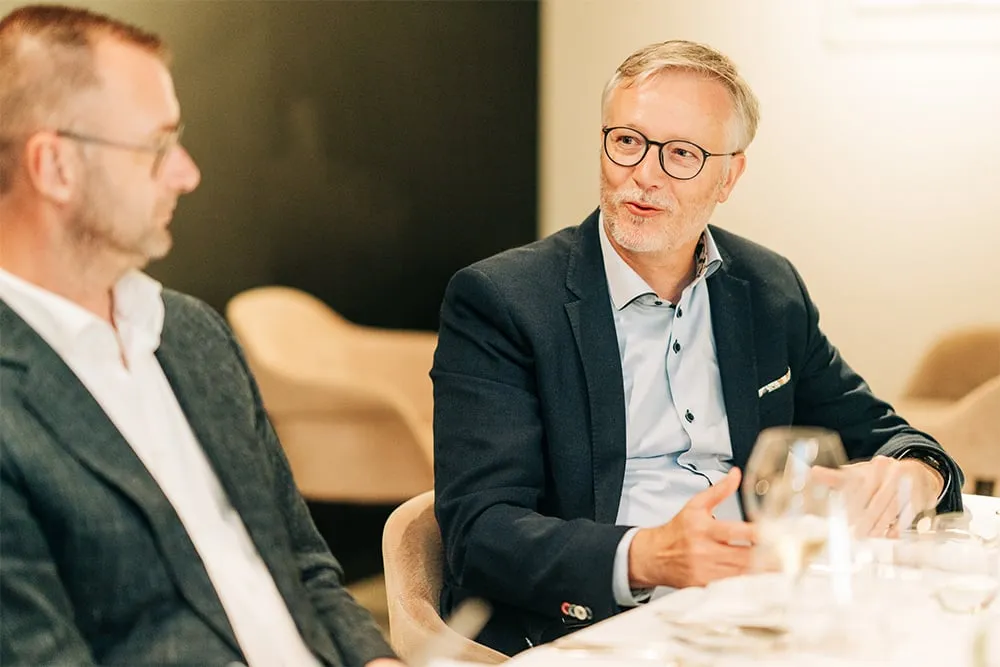
Combining a business with political office is no easy task. Good planning and a business structure that makes the commitment possible are crucial to success. “I’m hugely interested in politics, but my company remains my main priority. I’m still ambitious,” says Maarten Blommaert. He has headed Ablo Blommaert for 26 years, a company that produces exclusive wall decorations for hotels, restaurants and furniture shops. “When I became an alderman, my brother took over the day-to-day running of the business and I hired an extra member of staff. But I still spend every evening and one full day a week at the company, keeping an eye on things.”
Dieter Mannaert deliberately scaled back his business activities to make room for his political work. “An alderman’s work mainly takes place between 9 and 17: office work, meetings with departments and numerous other meetings. But if you want to make a name for yourself, you also have to be out and about in the evenings and at weekends, meeting people. Those were exactly the peak times for my function venue and nightclub. It was a conflict, so I gave them up. My wife and I now run B&B Casa Cava together. Every morning I help with breakfast from 5 to 9, then my political day begins.”
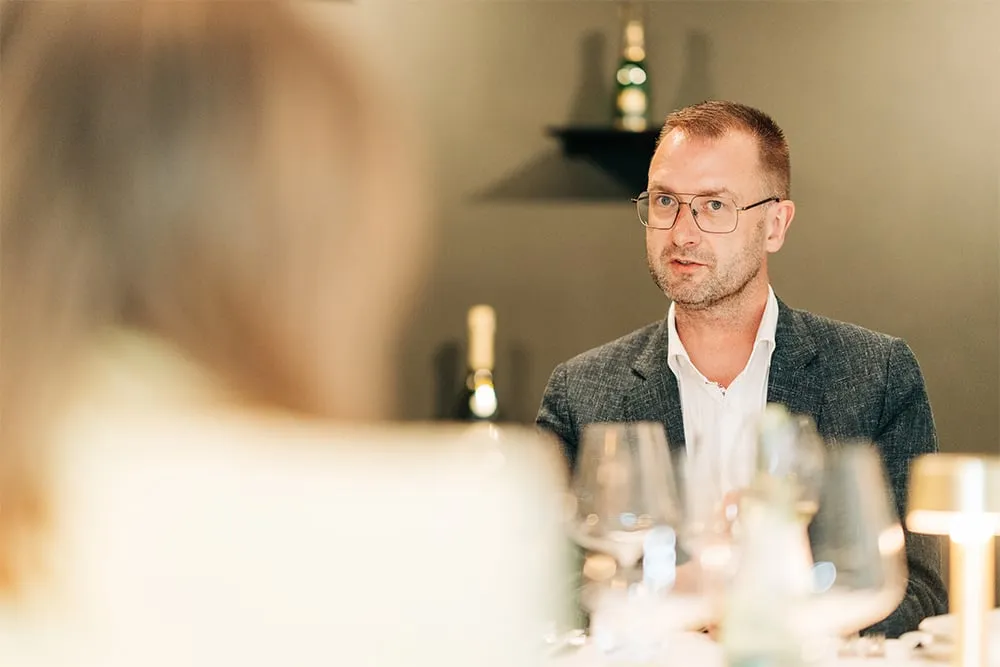
Piet Delrue’s business activities include selling chemicals for the construction sector and running a carpet agency, with products sold through DIY shops. “Because I have no staff in the business, I can combine my activities fairly easily. My sport and events portfolios require a major commitment at weekends, but business is largely at a standstill then anyway. My schedule is also very flexible: I can be travelling for the business and making calls on behalf of the city, or vice versa. It’s mainly a matter of planning efficiently and keeping your diary manageable.”
Serving as a municipal councillor is less time-consuming. “But I find that most people underestimate how much time and effort you put into it. Politicians really aren’t in it for the money,” says Nele Caus. “If you want to be well prepared for a municipal council meeting, you need to read up and follow the case files. That’s the only way to have an impact if you’re not in the majority. You also serve the people who elected you. And of course I have to look after my PR too. I hope to become an alderman one day in the most beautiful city in Flanders.” (laughs)
Customers’ reactions
Do customers still take issue with entrepreneurs openly declaring their political allegiance? “Times have changed, thankfully,” says Nele. “Just look at entrepreneurs who now stand on a Vlaams Belang list without embarrassment … When I first stood for election, I knew I wouldn’t lose customers at our hospitality businesses. Our customers knew I had strong opinions. And colleagues admired me for daring to take the plunge.”
In 24 years, Maarten has never received a negative reaction from a customer. “But most of our customers are now based abroad. 95% of our turnover comes from exports, so a local political mandate is no issue at all,” he says. “I do try to keep the business and politics somewhat separate during the campaign,” Dieter admits. “We deliberately don’t put up signs or posters at the B&B. Our guests come from outside the city and it wouldn’t mean anything to them anyway.”
Everyone at the table agrees that the political world needs more entrepreneurs and entrepreneurship. “We need more people in politics who dare to approach things in an entrepreneurial way and aren’t risk-averse. Government could do with being run a bit more like a business,” says Maarten Blommaert. “I really enjoy working with my fellow aldermen,” says Dieter Mannaert. “But our executive board includes a lot of teachers and historians. They see things very differently. Entrepreneurs want to move forward and try things. We accept that some things will fail. Not everyone dares to do that.”
The slow pace of government
“There are also too many lawyers and legal professionals in politics, proportionally speaking. I think they see more problems than solutions. If we ran our business the way the public sector does, we’d already be bankrupt,” says Nele Caus. “My biggest frustration is that everything moves at an exasperatingly slow pace, even at local level. Too many studies are commissioned and consultants brought in before any decision is made. Good ideas get lost in the institution’s sluggishness.”
Maarten agrees: “Slowness frustrates me too. But it often has to do with rules imposed from above, which are well-intentioned but don’t work in practice. That’s not an approach we’re used to as entrepreneurs. As alderman for spatial planning, I try to encourage civil servants to focus on solutions. Rather than just saying what isn’t allowed, they should help find ways to make things possible. That helps everyone save time in the permit process.”
Piet Delrue sees another reason: “The slower pace is also down to the organisations being larger. That automatically means you need more consultation. As an alderman, my job is to move things forward by helping to make decisions and supporting our civil servants so they dare to do the same. That’s precisely why I think it’s important to remain both an entrepreneur and a politician, so I can keep the drive to make progress in mind. I also think Flemish cities have generally become more entrepreneurial over the past decade.”
Question about this story? Ask your question
Keep following this
Get an email when a new story is published. No account needed.
- SubjectRoundtable