Lifelong learning is a necessity
Text Björn CrulImage Boris Vermeersch
“We need to rethink how we view qualifications, roles and careers”
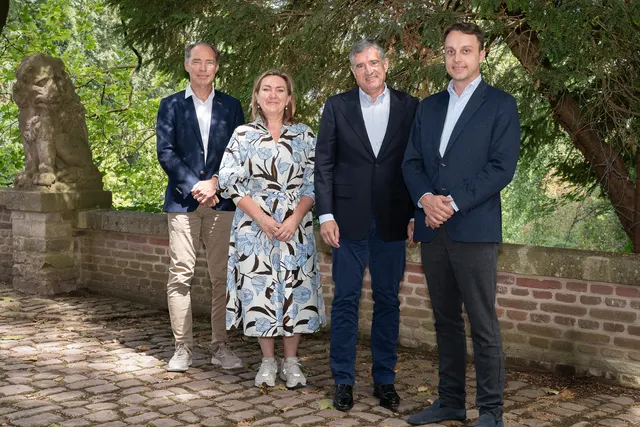
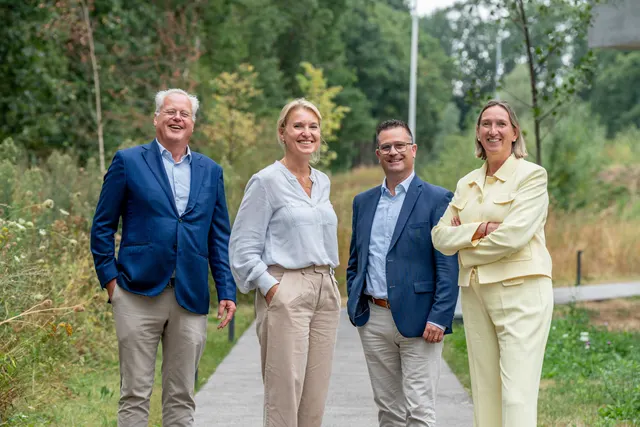
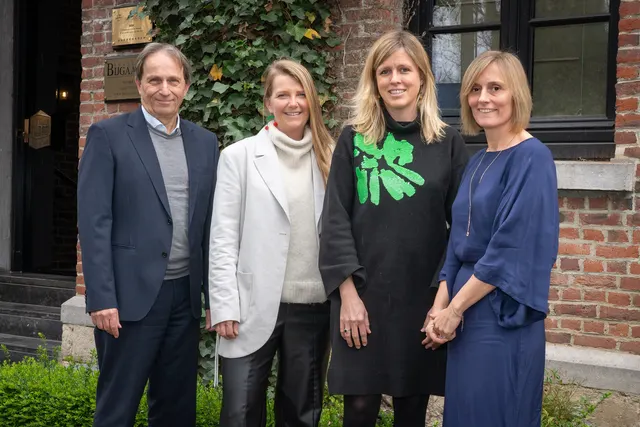
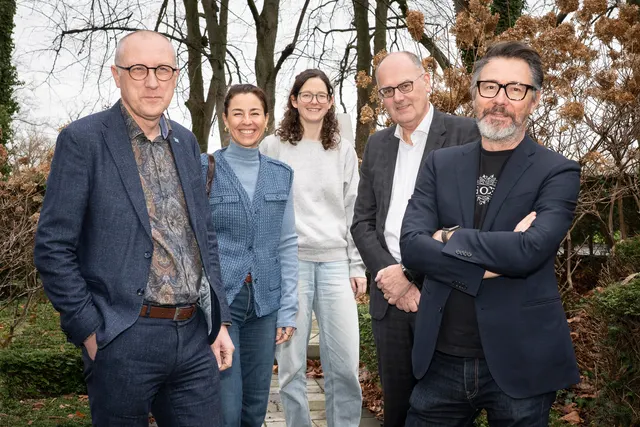
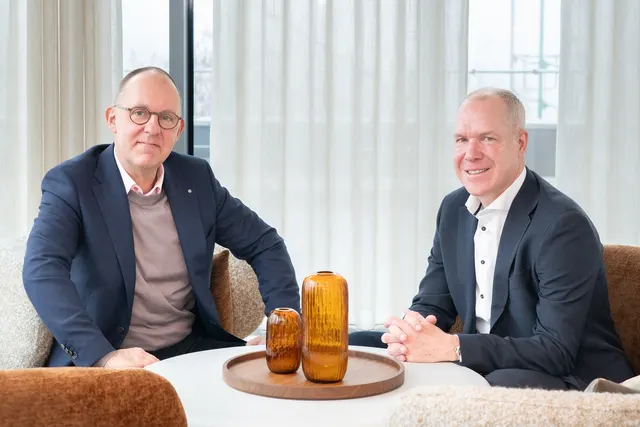
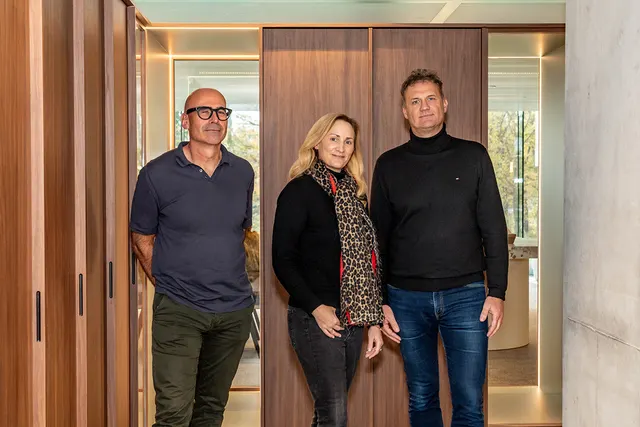
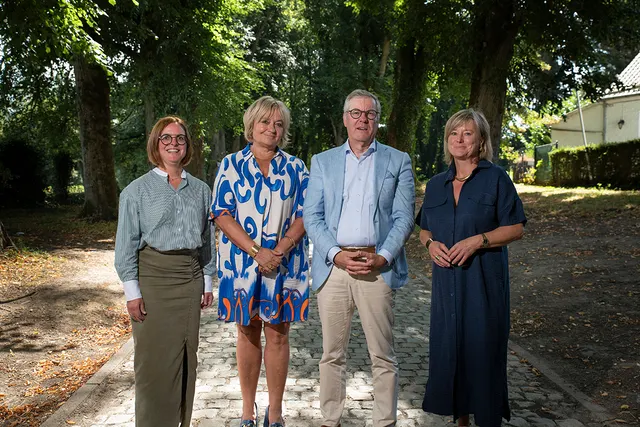
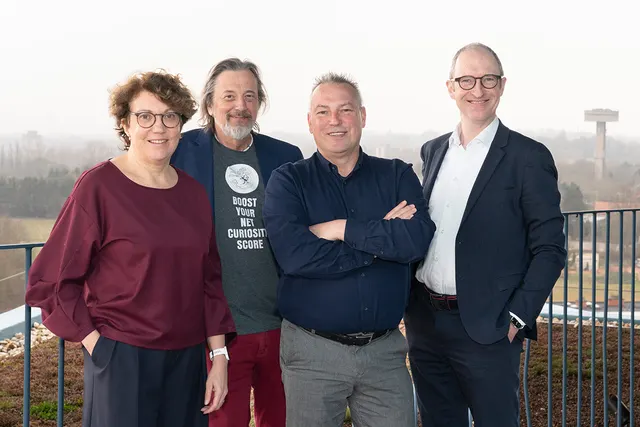
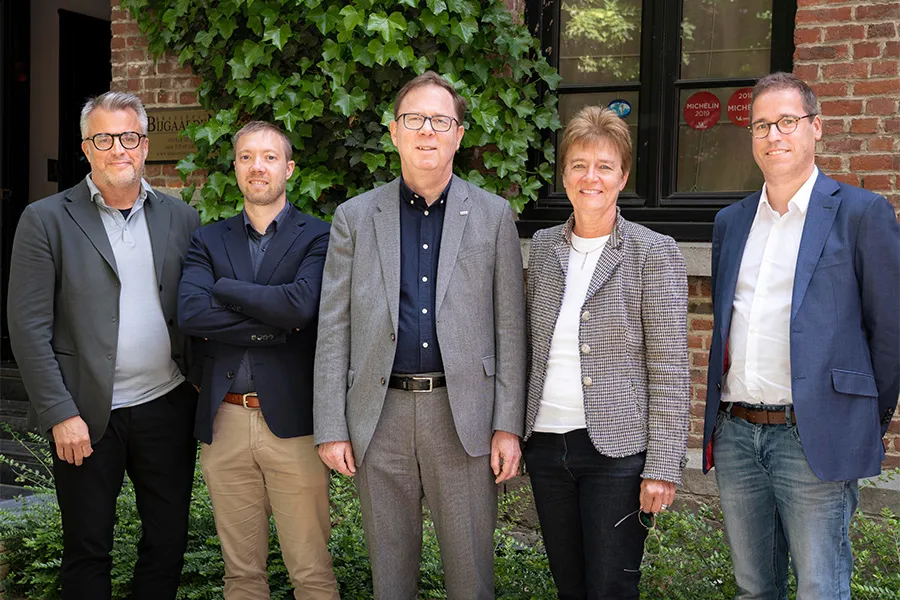
Attracting new employees and retaining strong talent is a top priority for every company, especially as labour shortages persist. Lifelong learning is one solution: continuing education, upskilling and reskilling… What is the best way to approach this? And what does it all mean for education and training providers? Business Vlaanderen brought together a panel of experienced learning & development experts: Björn Hassert (NOA Trainings), Thierry Lescrauwaet (Uqalify), Saskia Van Uffelen (Agoria), Jan Vandekerckhove (VIVES, Dienst Levenslang leren) and Olivier Vermeersch (Syntra West Groep).
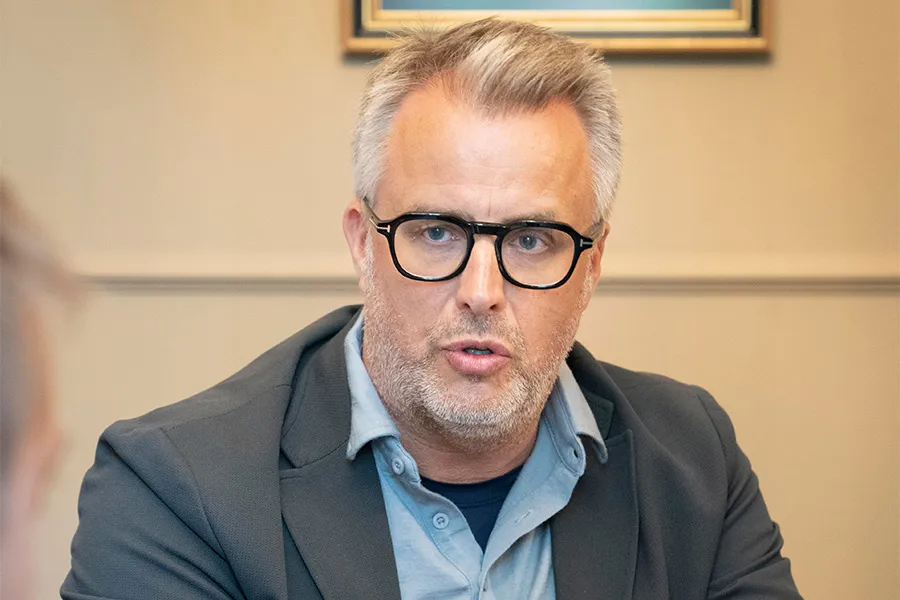
The labour market is constantly changing, but one thing is clear: demand for employees will continue to rise. “Without an appropriate policy, we may be unable to fill 600,000 vacancies in Belgium by 2030,” says Saskia Van Uffelen. She is digital manager at Agoria and an ambassador for the Be The Change project, which monitors labour market trends and aims to offer solutions. “The problem is demographic on the one hand: there are not enough students, and the ageing population is leaving the workforce rapidly. On the other hand, mainstream education curricula are not aligned with the needs of the manufacturing industry and technology companies. To keep everyone in the labour market for as long as possible, and with plenty of passion, my slogan is: long live lifelong learning. We need to accelerate the development of a culture in which everyone recognises its added value.”
The impact of inflation
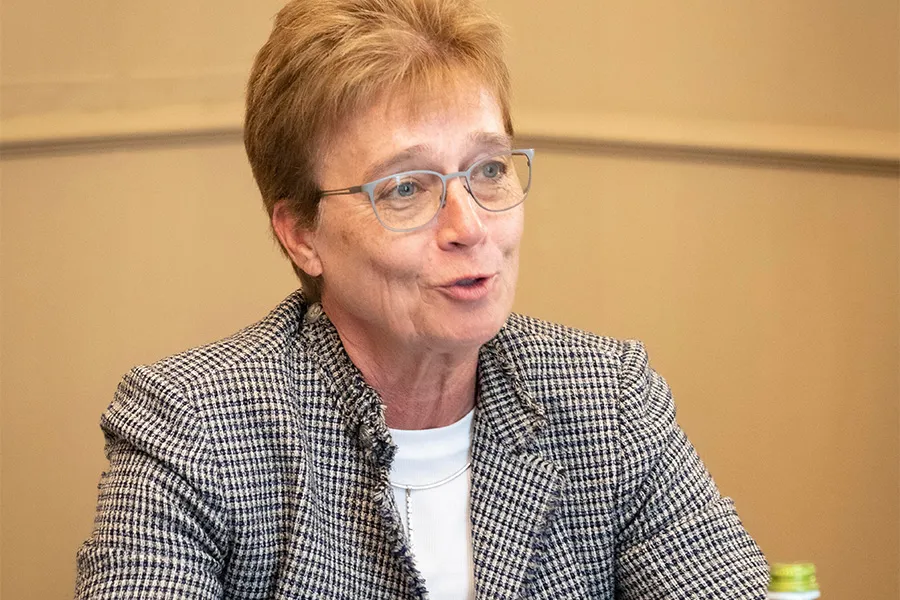
Olivier Vermeersch of Syntra West Groep has a good overview of what is happening. As well as vocational evening and daytime courses, the training provider offers advanced training and tailored learning solutions for businesses. “The picture is very varied at the moment. We’re seeing more and more companies embrace the idea and make efforts to develop a genuine learning culture within their organisation. On the other hand, we can’t ignore the fact that some organisations are also focused on the short term and are cutting training budgets as a result of cost inflation.”
“Because NOA Trainings specialises in safety and healthy working training, we haven’t really seen that impact,” adds Björn Hassert. “Safety isn’t just a box-ticking exercise, it’s an investment in employees that helps avoid the consequences and costs of an accident. We’re seeing rising demand for training, advice and guidance on safety culture. That’s a positive development. Employees and employers alike are motivated to invest in professional development so they can improve their chances of success in a tight labour market.”
Companies have no choice but to invest more in training and development. “A new generation is entering the labour market, and it places great value on training and on how it can develop. Many employers don’t seem to have realised that yet. HR departments still focus too much on recruitment and not enough on employee development. Even the better learning management systems barely achieve 15% engagement, so we need to take a different approach to learning. In future, it will also need to include a social component if it is to have an impact. Sharing knowledge and learning from mentors, but especially from colleagues and peers, will be key to success,” says Thierry Lescrauwaet of UQalify, which helps companies boost employees’ willingness to learn through social learning communities and microlearning.
Shorter, faster, more flexible
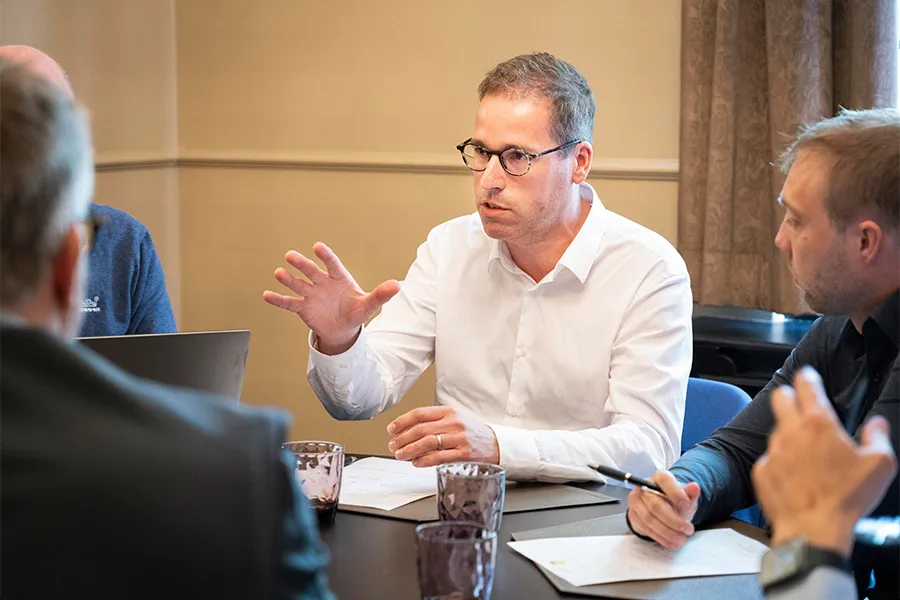
Learning formats and provision need to evolve to meet the needs of employers and employees alike. For Jan Vandekerckhove, director of lifelong learning at Hogeschool VIVIES, that is only logical: “We started pioneering distance learning 30 years ago, so that our courses would no longer be aimed exclusively at 18- to 21-year-olds. That was the start of learning independent of place and time. Alongside compulsory continuing education for professions such as accountancy and nursing, we gradually expanded our offering. This included, among other things, everything related to healthcare and professional development in care, which we see as a social responsibility. We also increasingly began turning the findings of our practice-oriented research into further education: a study day, workshop or short training course.”
Saskia Van Uffelen sees this as a very positive development, because these formats make it possible to give people new knowledge quickly, in areas such as cybersecurity and AI, for example. Mainstream education struggles to keep up. “Our entire way of thinking is based on the old concept of qualifications, roles, pay scales and careers. Society is becoming digital, green and sustainable. That calls for new skills to tackle things in a completely different way. We need creative people who can ask ChatGPT the right questions to solve challenges. That runs counter to how education works and how many companies still think and recruit.”
Olivier Vermeersch of Syntra West Groep is familiar with the problem. “For our regular education activities, we receive funding, among other things, based on the number of course participants. That forces you into a particular straitjacket, which can make it harder to organise new courses in response to needs. At the same time, we also need to get companies on board with the innovative learning solutions we want to offer. Some can still be conservative and prefer traditional classroom-based training.”
Training providers also need to keep their finger on the pulse. “We’ll all have to learn to adapt more quickly. We need to find out what users need and how best to meet those needs while also fulfilling the wishes and expectations of the TikTok generation. That’s why I believe in microlearning and integrated digital learning platforms, where you can quickly earn the credentials you need, based on your own requirements and always at your own pace,” says Björn Hassert.
To develop short courses that can flexibly respond to market needs, a number of university colleges in the association with KU Leuven decided to bring their online offering together on the Continue platform. Jan Vandekerckhove: “We offer postgraduate programmes, certificate courses and microcredentials. Some can be taken partly or entirely online. Topics include cybersecurity, the energy transition, healthcare technology and more. You can earn a credit through a short course and put it to use straight away. You can also build on your credits year after year. And we’re keen to develop tailored provision for businesses too.”
Government measures
Provision is growing, and governments have introduced various measures to encourage lifelong learning. At federal level, there is the Labour Deal; in Flanders, the Lifelong Learning Partnership. “One of the challenges we face is making the available provision from training providers and sectors better known and sharing it through active ecosystems,” says Thierry Lescrauwaet. “Sector funds have an important role to play here. They also have the money to facilitate this training. Too many companies aren’t making use of it. We need to prevent those funds from simply being stockpiled and, above all, make it easier for companies to find their way to the provision available.”
There is another seemingly simple measure that could help companies step up their lifelong learning efforts. “If you invest in a machine or a building, you can depreciate that investment over several years. But if you invest in an employee’s future, you have to bear the cost all at once. Why can’t an accounting solution be found for this? It would give learning and development a guaranteed boost,” concludes Saskia Van Uffelen.
Question about this story? Ask your question
Companies in this story
Keep following this
Get an email when a new story is published. No account needed.
- ThemeAttracting and retaining people
- SubjectRoundtable
- CompanySyntra West