“If you lose manufacturing, innovation will disappear too”
Text Bavo Boutsen & Björn CrulImage Dieter Meyns
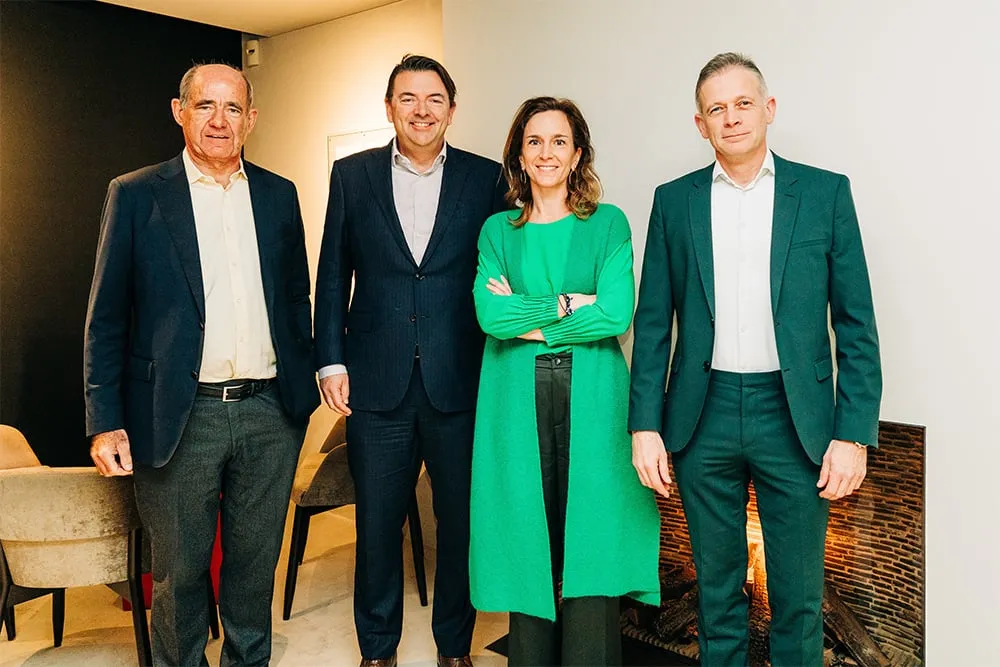
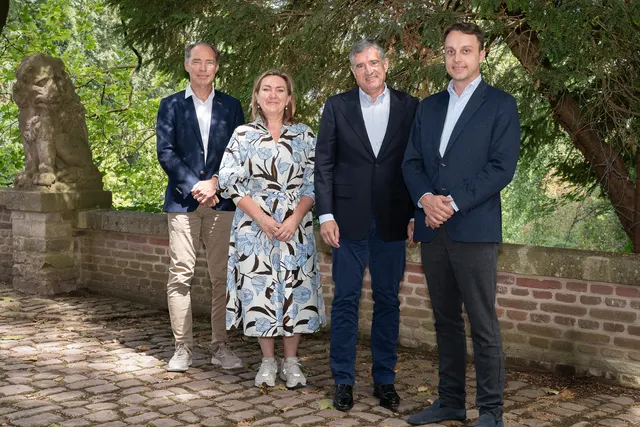
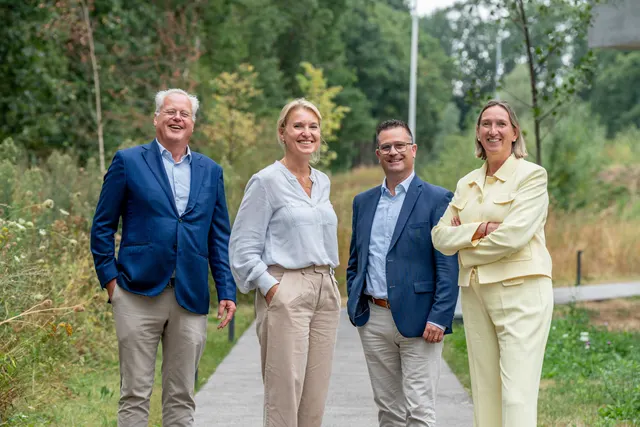
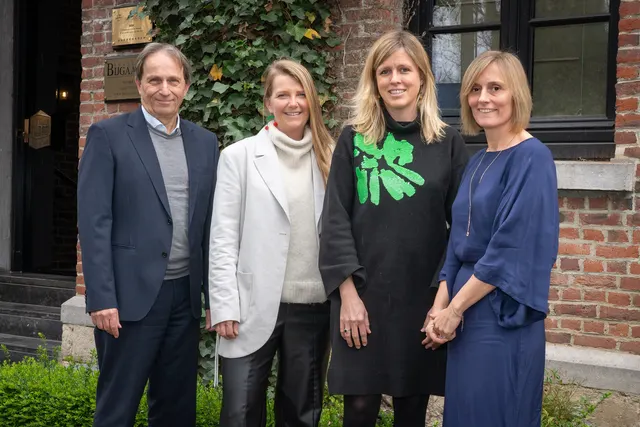
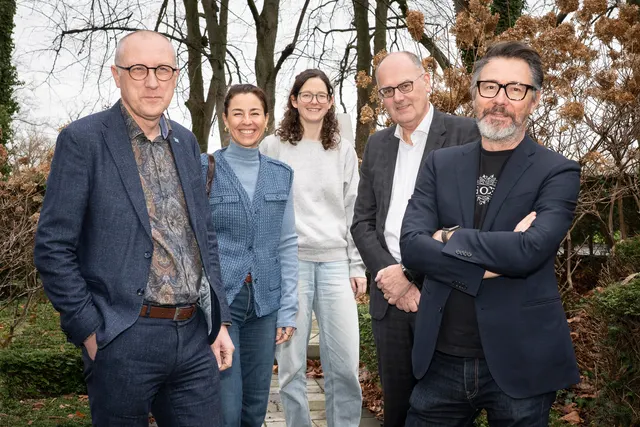
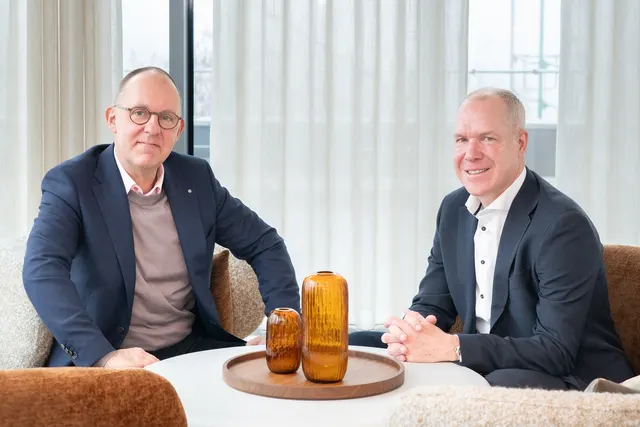
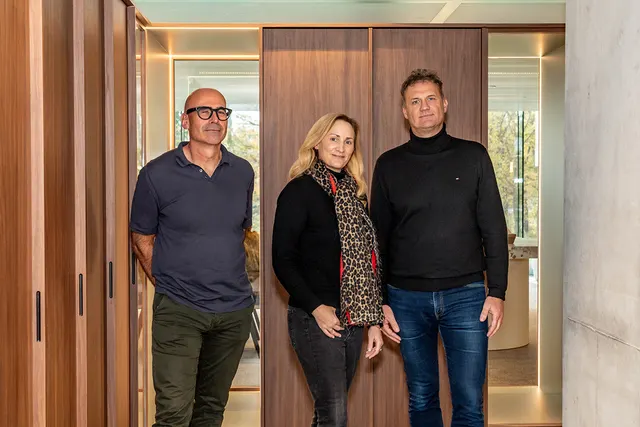
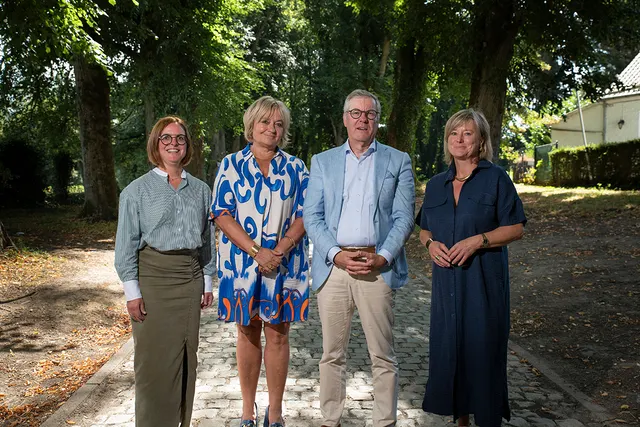
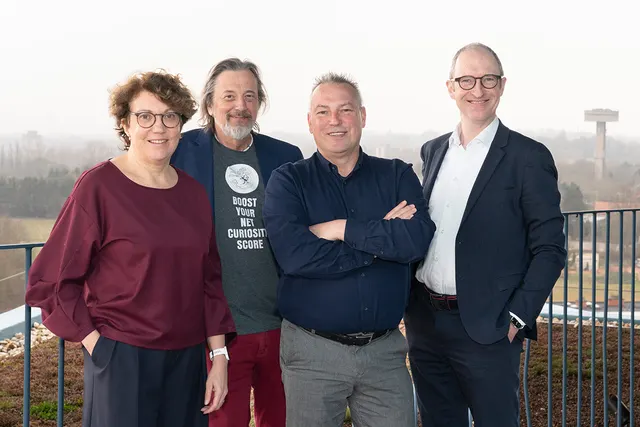
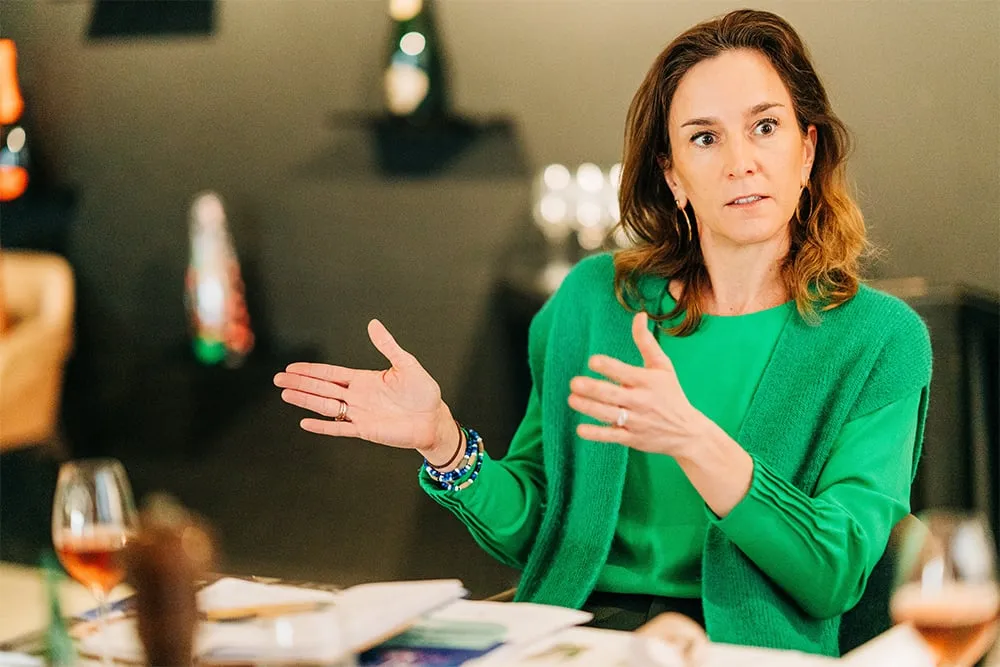
Industrial policy has become the burning issue of the moment in recent weeks. The problems in the chemicals sector and at bus manufacturer Van Hool have amplified calls for a clear political framework and support. Business Vlaanderen brought four captains of industry together for a discussion about policy shortcomings and solutions for the future: Karla Basselier (CEO of Fedustria), Tim Berckmoes (CEO of ABC Engines and chairman of Agoria Vlaanderen), Michaël Corten (CEO of Belgian Eco Energy) and Paul Renson (CEO of Renson). “Although industrial policy is, by definition, a long-term undertaking, in practice we are faced with a growing accumulation of rules, many of them contradictory.”
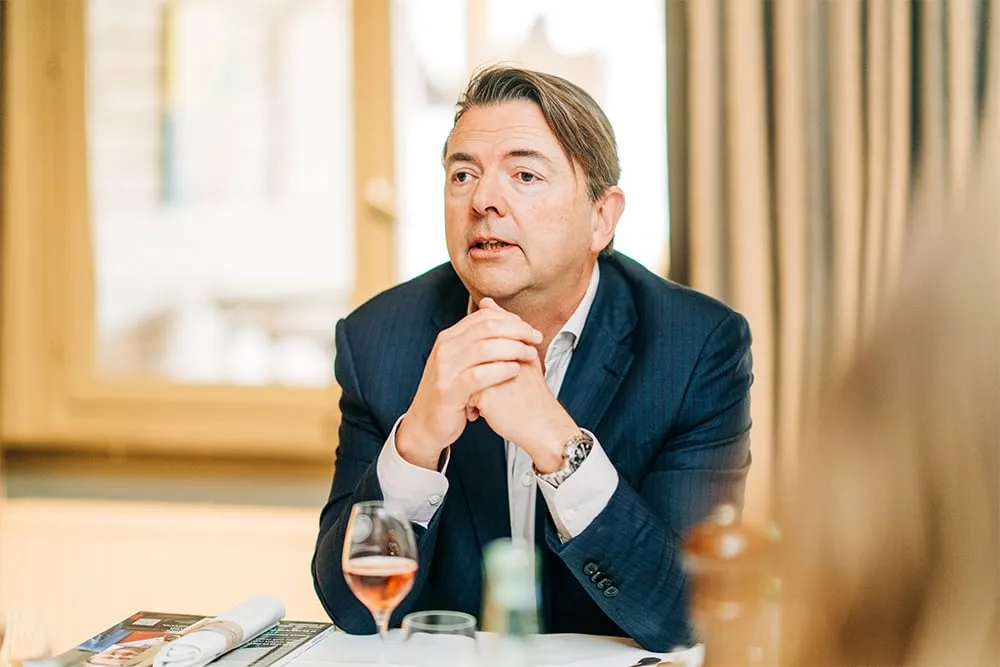
The many alarm calls from the industrial world leave little room for interpretation: our industrial policy needs a system change. The top priority for businesses remains finding enough workers. Paul Renson, CEO of the family business that bears his name: “Above all, the employment rate needs to rise. If we can increase it, many problems will solve themselves. I am also convinced that many people would like to work more, including students and pensioners. That is why work needs to pay more. Employers who give their staff a pay rise are making themselves look ridiculous, because hardly any of that money reaches the worker.”
As well as attracting and retaining skilled talent, policy must also tackle energy costs for manufacturing companies, according to Tim Berckmoes, CEO of ABC Engines and chairman of Agoria Vlaanderen. “Energy and distribution costs have soared as a result of the recent COVID-19 crisis and the energy crisis that followed, putting many companies in difficulty. Energy also has a major impact on labour costs through automatic wage indexation.”
Overregulation
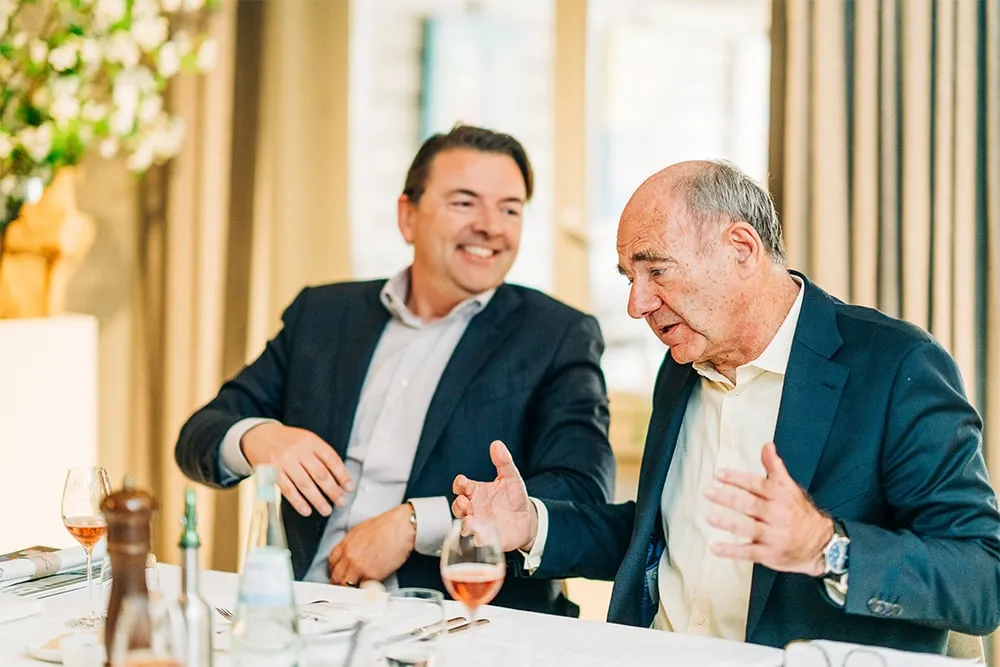
The debate becomes most animated, however, as soon as the regulatory framework is brought up. “Overregulation and excessive legalism, for example in the area of permits, are relatively recent developments and are becoming increasingly prominent. This leaves business owners feeling that they are no longer wanted, or at the very least that people are no longer proud of them,” says Karla Basselier, CEO of Fedustria, the federation of the textile, wood and furniture industries. “Although industrial policy is, by definition, a long-term undertaking, in practice we are faced with an accumulation of rules imposed on us, many of them contradictory. There is no vision behind them. When I speak to our members, this is invariably the first issue they raise, alongside the loss of competitiveness caused by higher costs than abroad. Let us not forget that manufacturing is primarily export-oriented.”
This criticism applies at every level of government. Michaël Corten, CEO of Belgian Eco Energy (BEE): “Policy today is far too prescriptive, including in Flanders. Government is omnipresent. Take collective labour agreements, for example: they are almost impossible to keep track of without a raft of advisers. Government needs to question its own role much more and determine where it can genuinely make a difference to prosperity, because it certainly can. ‘Less is more’ should be the guiding principle. A debate about core responsibilities is overdue, but unfortunately I find that this discussion is barely happening, if at all.”
This is primarily the responsibility of politicians themselves. “Politicians in Wallonia, in particular, have no idea what industrial policy entails today. That is dangerous, because it creates expectations among their voters,” says Tim Berckmoes. The consultancy sector’s prominent role in policymaking is another important factor. Karla Basselier: “Consultants benefit from the flood of regulations and help create the culture of paternalism that business owners have to contend with.” Michaël Corten agrees: “The reality today is that major consultancy firms would lobby against administrative simplification. They have, in effect, made complexity part of their business model.”
Another decisive factor is the increase in European regulation. Much of the regulation that affects businesses originates here, partially eroding national and regional decision-making powers. Our captains of industry find that European rules are often highly prescriptive for the businesses that have to comply with them and are not always coherent. “Take energy mix policy, for example. At European level, it effectively does not exist. Someone driving a Tesla in Germany today is effectively running it on electricity generated from coal, using a Chinese-made battery. And yet this is being promoted! The same goes for the CO2 tax, which was raised 4 times last year but primarily affects European companies. You cannot explain that to customers outside Europe,” says Tim Berckmoes.
Seizing the opportunity
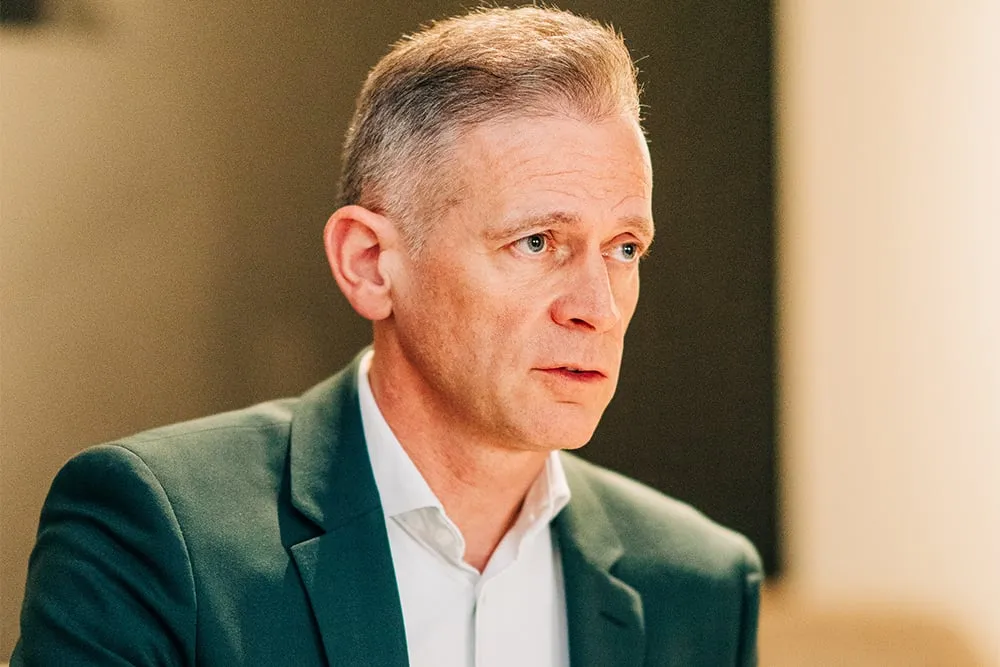
The growing recognition that reform is needed, given extra impetus in recent weeks by the problems at Van Hool, also presents many opportunities, according to our panel. “The opportunity is here. We need to seize it. Politicians at both Flemish and federal level, as well as ordinary people, need to realise that innovation is impossible without industrial policy. If you lose manufacturing, innovation will disappear too,” says Berckmoes.
To turn this opportunity into political action, the four industry federations Fedustria (textiles, wood and furniture), Fevia (food), essenscia (chemicals) and Agoria (technology) presented their Toekomstpact voor de Vlaamse industrie at the end of March. The Flemish government also co-signed the pact. It is therefore an important commitment to making industrial policy a core responsibility and priority. The pact was signed at the industrial summit in Antwerp, held alongside the Flanders Technology & Innovation festivals.
In the pact, the federations and the Flemish government set out a blueprint for the future of industry. Karla Basselier: “We explain that industry is what creates growth and prosperity, and that it is therefore the industry that will provide solutions for the climate transition. In short, an industry embedded in the fabric of your economy is essential to our future. Every other part of that fabric, from the entire services sector to social security and its affordability, is linked to it. We now need to tell that story far and wide.”
“The pact’s greatest strength is that the four federations are clearly speaking with one voice. That makes it much easier to exert political pressure and gives policymakers a clearer basis for making choices,” says Tim Berckmoes. “The most important thing is that our Toekomstpact becomes a pact for action,” say Berckmoes and Basselier.
Above all, that means policymakers need to be willing to make clearer choices. “We should take more pride in our own products and expertise. Public procurement should take much more account of our own industry and the products we make. Specifications should be drawn up with a much clearer focus. This happens systematically abroad,” says Tim Berckmoes.
Mutual trust
“A small country like Belgium needs to be able to differentiate itself in order to innovate and therefore grow through exports. If we do not, we are doomed economically. It is as simple as that,” says Paul Renson. Policy can certainly support domestic industry, provided it does so in the right way, stresses Michaël Corten: “Just look at the saga surrounding the gas-fired power stations. They were ultimately awarded to Engie and Luminus, both French companies, because the tender was written to suit them perfectly by a consultant hired by the government. That was precisely the opposite of what the government had intended to achieve, and a missed opportunity to open up much-needed competition in the energy market.”
In other words, the proposed paradigm shift is mainly about building a relationship between politicians and business owners based more on mutual trust, while recognising the social value added by manufacturing. “One way to achieve this shift is through outcome-based legislation. It sets out the objectives but gives business owners the freedom to decide how to achieve them. That means giving them autonomy and trust,” says Karla Basselier.
“There is no denying that many political parties today tend to brush entrepreneurship under the carpet. That stems from a lack of long-term vision, when that is precisely what we need more than ever,” concludes Paul Renson.
Question about this story? Ask your question
Keep following this
Get an email when a new story is published. No account needed.
- ThemeBusiness growth and entrepreneurship in Flanders
- SubjectRoundtable