Four bankers round the table | “Without any shocks, 2023 will be a year of modest recovery”
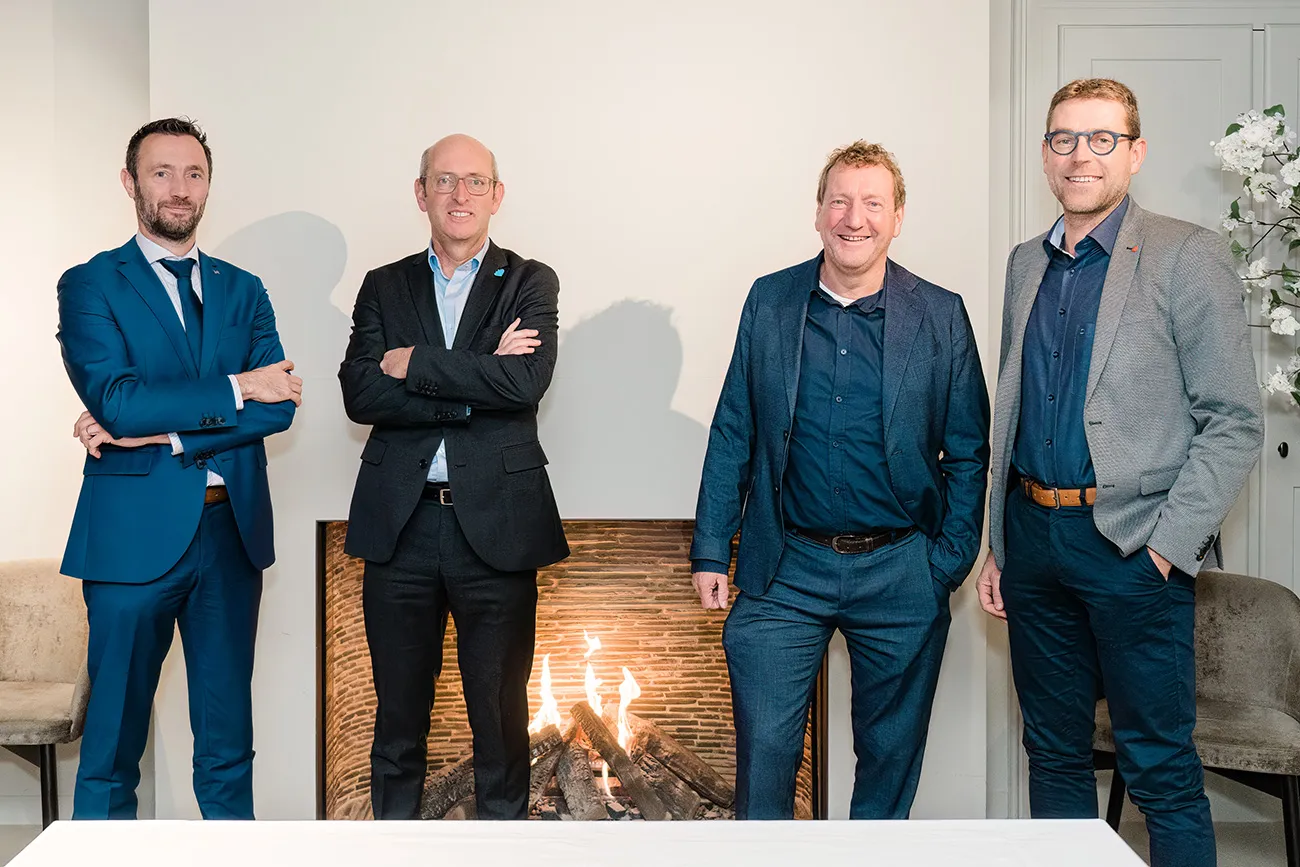
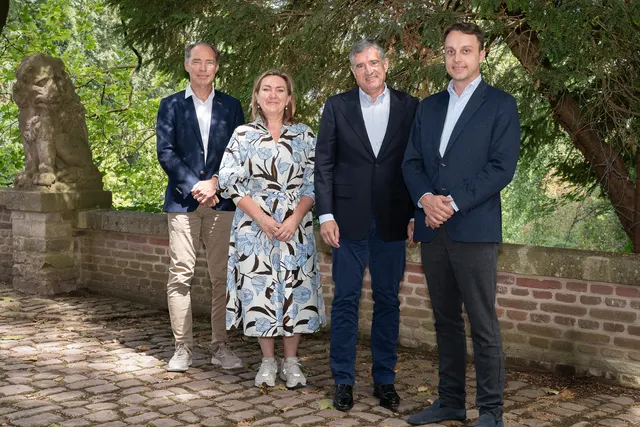
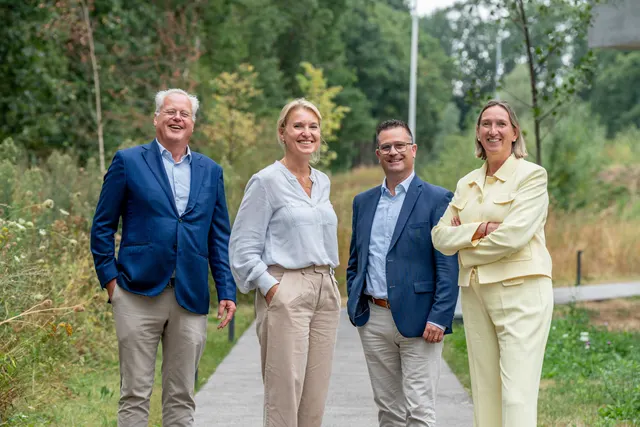
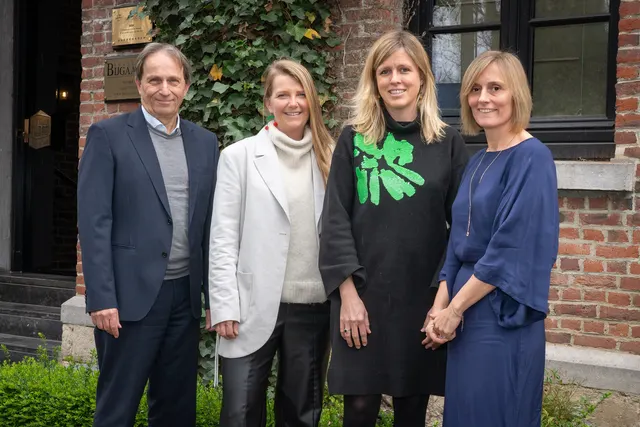
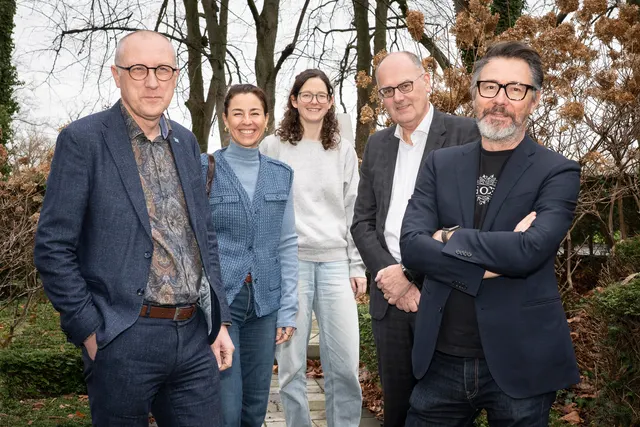
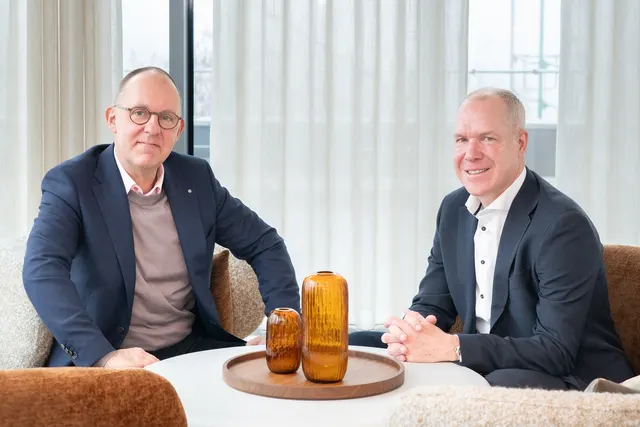
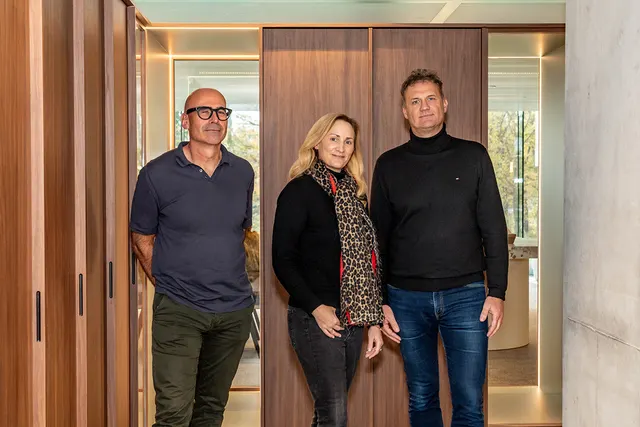
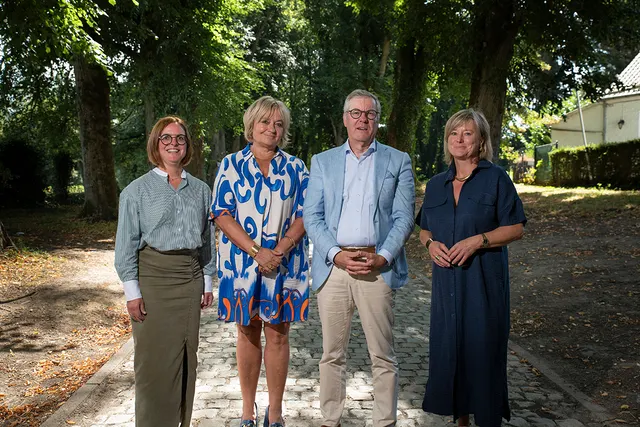
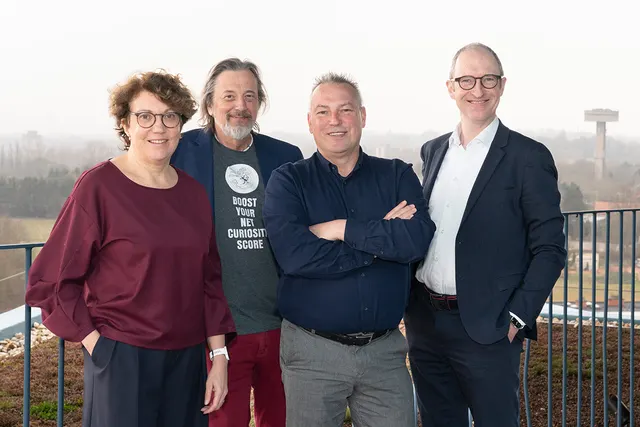
Our economy is going through a difficult period. Rising energy and raw material prices, disruption to some supply chains, automatic wage indexation and the ongoing labour shortage are fuelling a creeping recession. At times like these, a good relationship between a business and its banker is crucial to maintaining working capital and continuing to invest. How do bankers assess the economic situation? And what do they expect from 2023? Business Vlaanderen brought together Andy De Doncker (Bank Van Breda), Rudi Deruytter (CKV), Bart Rogiers (KBC Corporate Banking) and Adel Smaele (Degroof Petercam) for a round-table discussion.
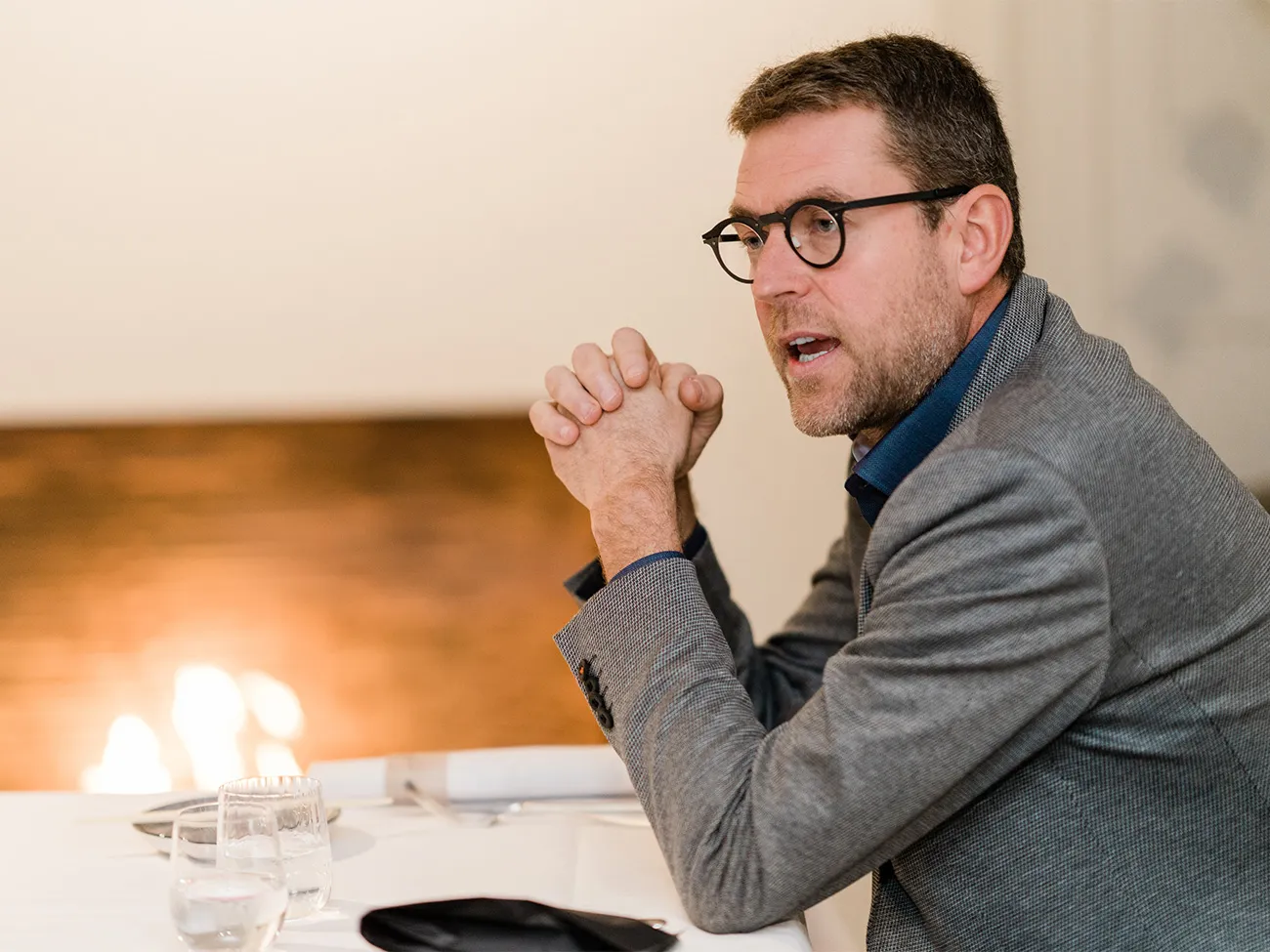
The four bankers who accepted our invitation work closely with entrepreneurs in East or West Flanders, so they have their finger on the pulse. Andy De Doncker, district manager for West Flanders at Bank Van Breda, says: “I’ve noticed that many entrepreneurs are still somewhat in the dark about the real impact of cost inflation driven by energy prices and automatic wage indexation. SMEs sometimes find it harder to factor this into their prices, because they often lack pricing power or only carry out strategic planning when the financial year closes.”
Concerns, but no panic
Larger companies are already working on this in earnest. “Budget planning for 2023 is under way. For energy-intensive businesses, the difference is often now being made by how they hedged their energy supply in the past and the type of contract they signed,” says Bart Rogiers, business centre director at KBC Corporate Banking. “Pricing power is indeed crucial. Many sectors work with annual contracts, and negotiating adjustments is often far from straightforward. What we as a bank have noticed is that planned investments have been postponed in recent months. The M&A market is also cooling.”
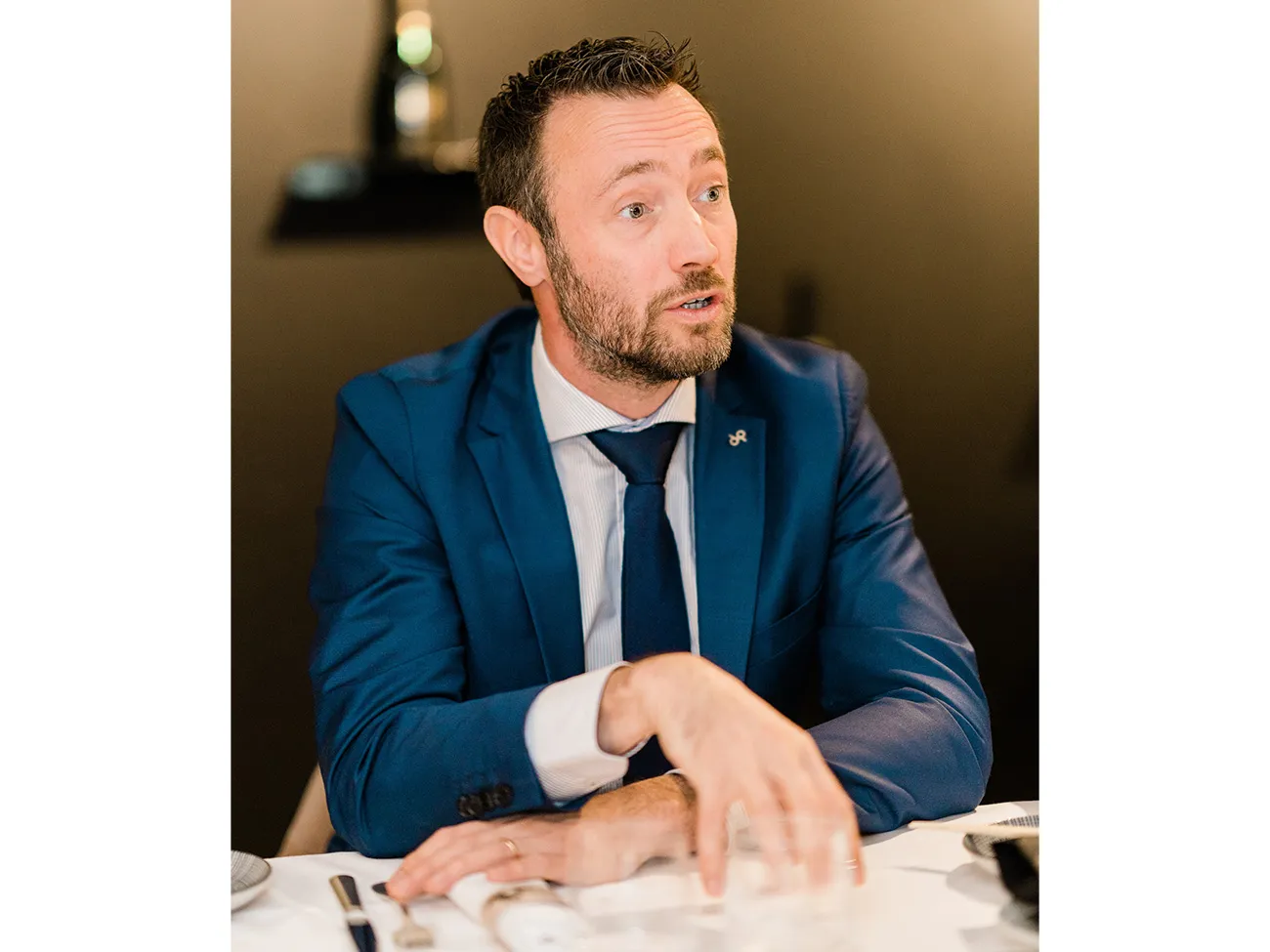
Adel Smaele, regional director for East Flanders at Degroof Petercam, says: “From my conversations with clients, I hear that current production volumes are fine, but margins are under pressure and order books are becoming harder to fill. Entrepreneurs are concerned that challenges are following one another in quick succession: Covid, Ukraine, the supply chain, inflation… This is causing concern, but there is certainly no panic.”
CKV Bank, headquartered in Waregem, is an outlier in Belgium’s financial sector. The bank specialises in lending to entrepreneurs who cannot secure financing elsewhere. “Because we help businesses in difficulty, we are a relatively counter-cyclical business,” says CEO Rudi Deruytter. “The number of credit applications has risen sharply recently, particularly from businesses that are solvent but need cash to maintain their working capital. In my experience, these businesses generally manage to get through a difficult period like this, after around 18 months.”
Adapting to the next generation
Another thing these bankers have noticed is that, alongside financial management, staffing remains entrepreneurs’ biggest challenge. Adel Smaele says: “Finding competent people for new vacancies or replacements remains a struggle. This is partly because the younger generation has different priorities and expectations for their careers. As an employer, you have to be able to deal with that reality. A business has no choice but to adapt to its employees. But that is also a source of enrichment.”
Automatic wage indexation could come back to bite, Rudi Deruytter fears: “From January, labour costs are likely to rise by 10% in many sectors. I hear that a number of SMEs will have to tighten their belts. A company with 10 employees will effectively have to pay for 11 people from next month, and may instead consider cutting its workforce to 9 to keep labour costs at the same level. That could well come back to haunt the government.”
Supporting succession
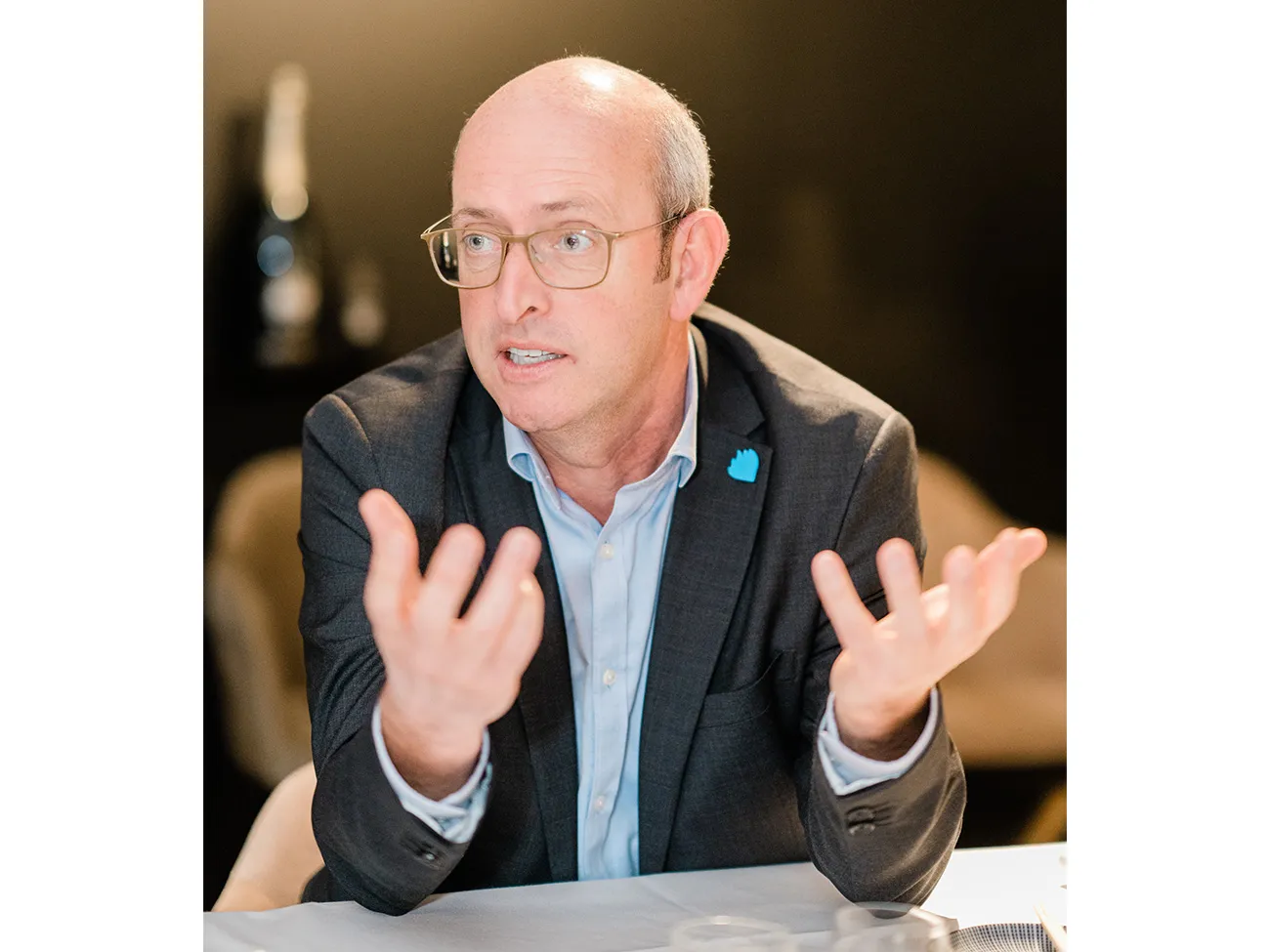
The relationship between banker and entrepreneur is much more open today than it used to be. As well as a financial adviser, the banker is a trusted confidant to their client. “I’ve been in corporate banking for 30 years. I’ve noticed that family businesses in East and West Flanders trust us much more,” says Bart Rogiers. “In the past, people often looked for the cheapest supplier of a banking service. Now clients also call us for advice when times are tough. We also proactively raise topics such as sustainability and succession in share ownership.”
Adel Smaele agrees: “Family shareholders are very focused on structuring their businesses with the future in mind. Alongside tax and legal matters, our estate planners also pay close attention to the emotional aspects of succession. We help families navigate all these different aspects.”
Bank Van Breda advises entrepreneurs and professionals in liberal professions on both their company affairs and their private wealth. Andy De Doncker says: “I see a lot changing among the clients in their 50s. They are entrepreneurs who suddenly find themselves having to deal with so many issues: the war for talent, cybersecurity, GDPR rules, mounting red tape and bureaucracy… This combination of challenges can prompt entrepreneurs to think sooner about the future of their business. We are seeing a sharp rise in interest in our events on business transfers and succession.”
What will 2023 bring?
Finally, we ask our guests to take a look into their crystal balls. “We are looking towards the first quarter of 2023 with some trepidation. Ongoing uncertainty and cost inflation could still fuel the recession. But from the second quarter, as inflation continues to ease, we expect a modest recovery,” says Bart Rogiers. “Of course, that is on the assumption that the conflict in Ukraine does not escalate and no other unexpected events arise. One positive sign is that a number of larger companies are gradually dusting off their investment plans.”
“I think we’ll have a slow, mild recession. It could last eight to nine months. That would also mean there are no spectacular economic problems. Belgian banks act as a kind of buffer in this respect. We are taking a forward-looking approach to banking to prevent problems,” says Rudi Deruytter. “Given that the need for working capital remains high, CKV expects strong growth in the first nine months. After that, our business will probably stabilise.”
Degroof Petercam is expecting a more stable 2023. “2022 was a perfect storm: almost all asset classes took a hit, and even gold, the traditional safe haven, performed poorly,” says Adel Smaele. “The shift towards sustainability is continuing, and I see that among both businesses and our investors. There is a lot of investment in it. But this transition will undoubtedly remain a challenge for businesses in the years ahead.”
Andy De Doncker is also keeping his fingers crossed for a better 2023: “The robust labour market stands out in particular, and that gives us confidence about next year. But, as others have said, we don’t need any further negative factors. I also wonder how long the negative sentiment in the press and among the public will persist. We need consumer confidence to break the negative spiral and return to growth.”
Question about this story? Ask your question
Keep following this
Get an email when a new story is published. No account needed.
- SubjectRoundtable