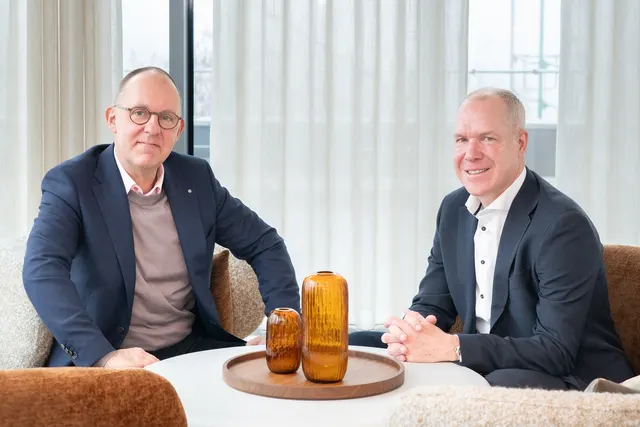
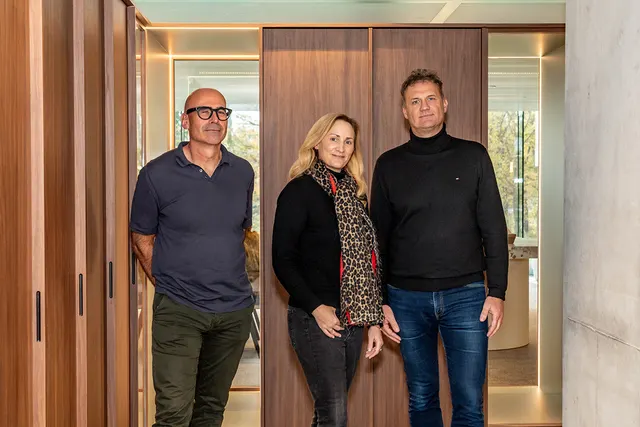
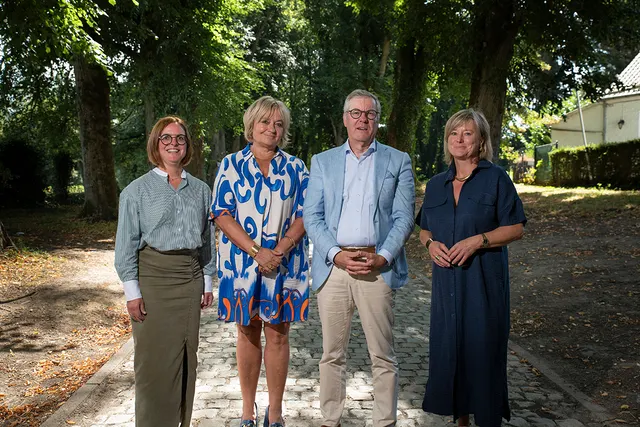
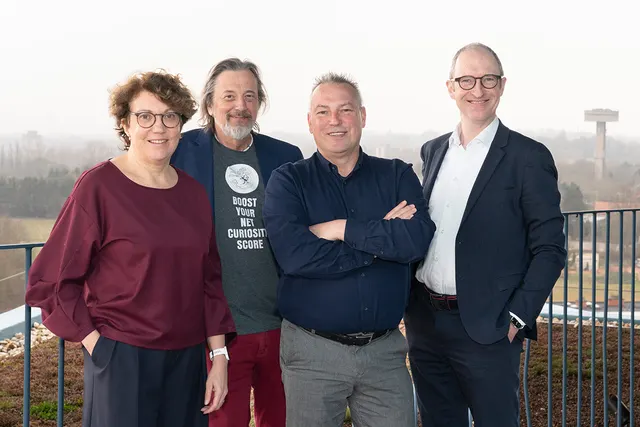
Five sector federations around the table
“Better no new measures than bad ones”
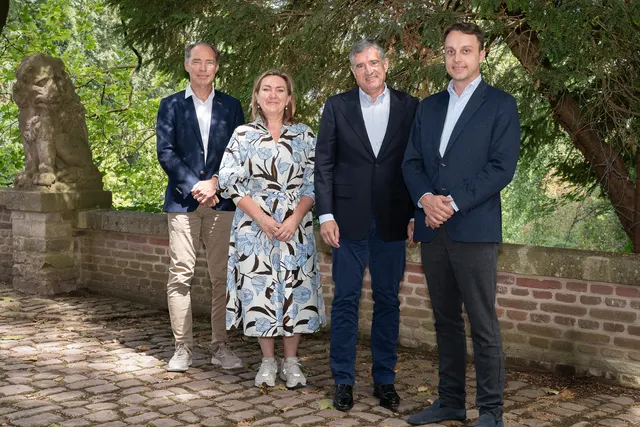
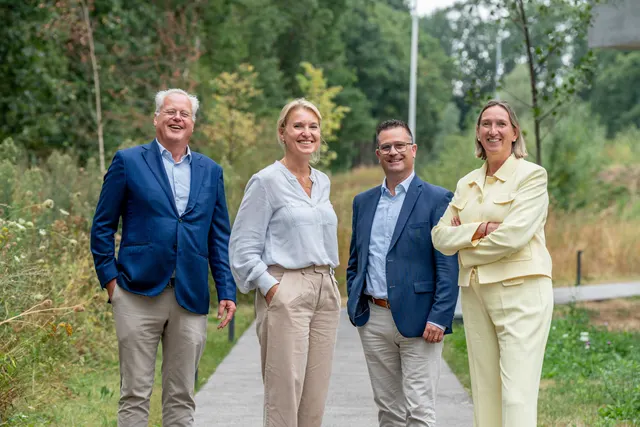
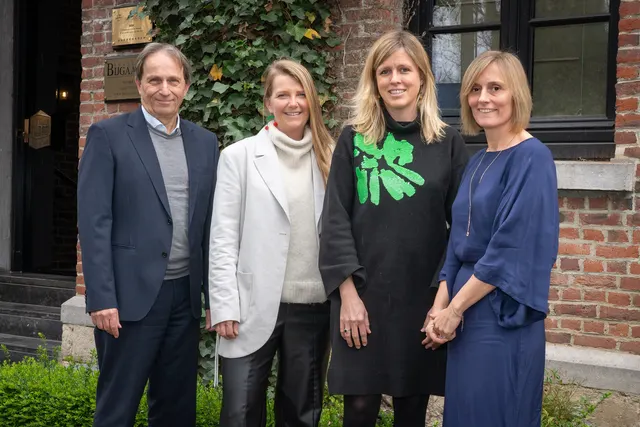
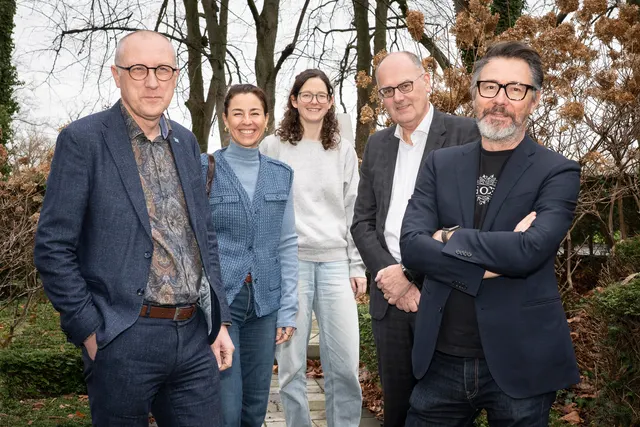
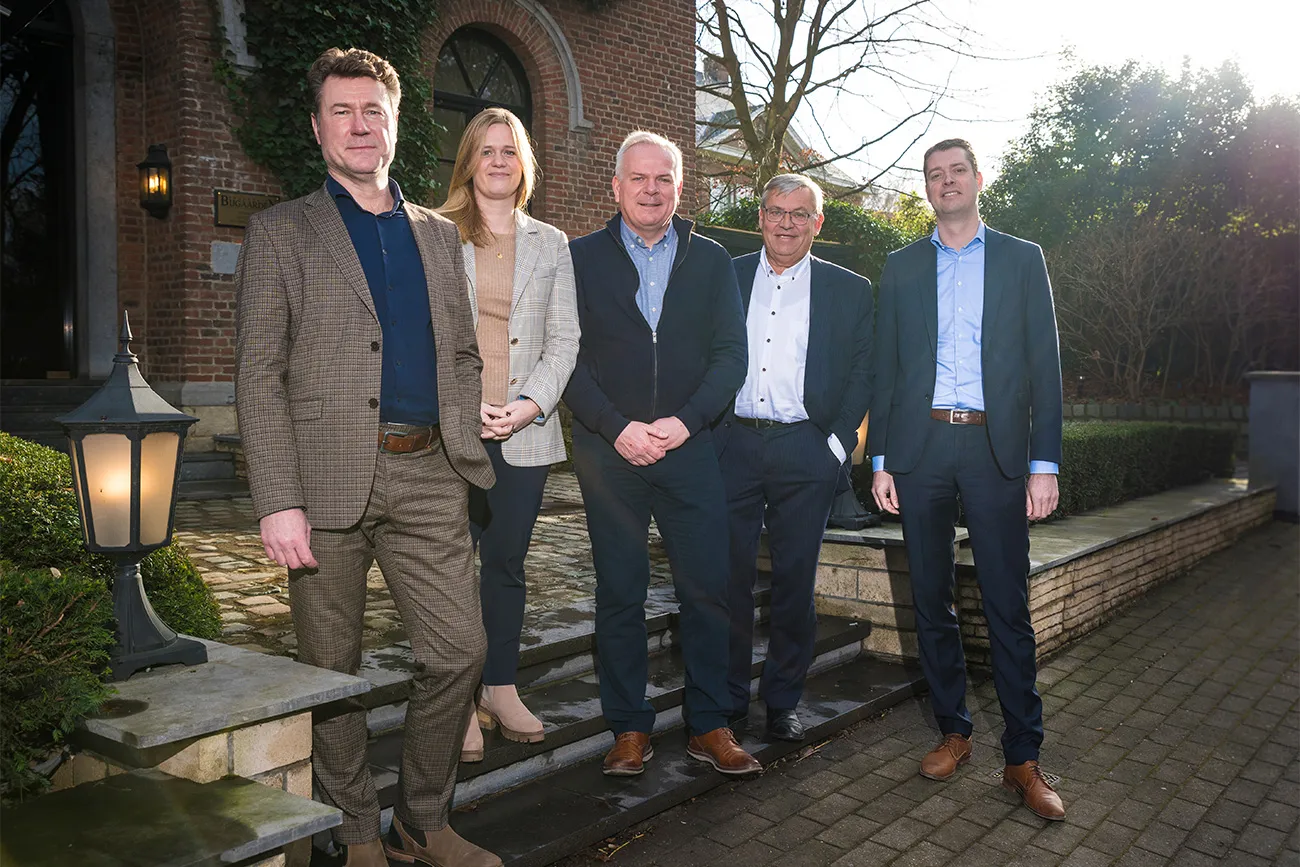
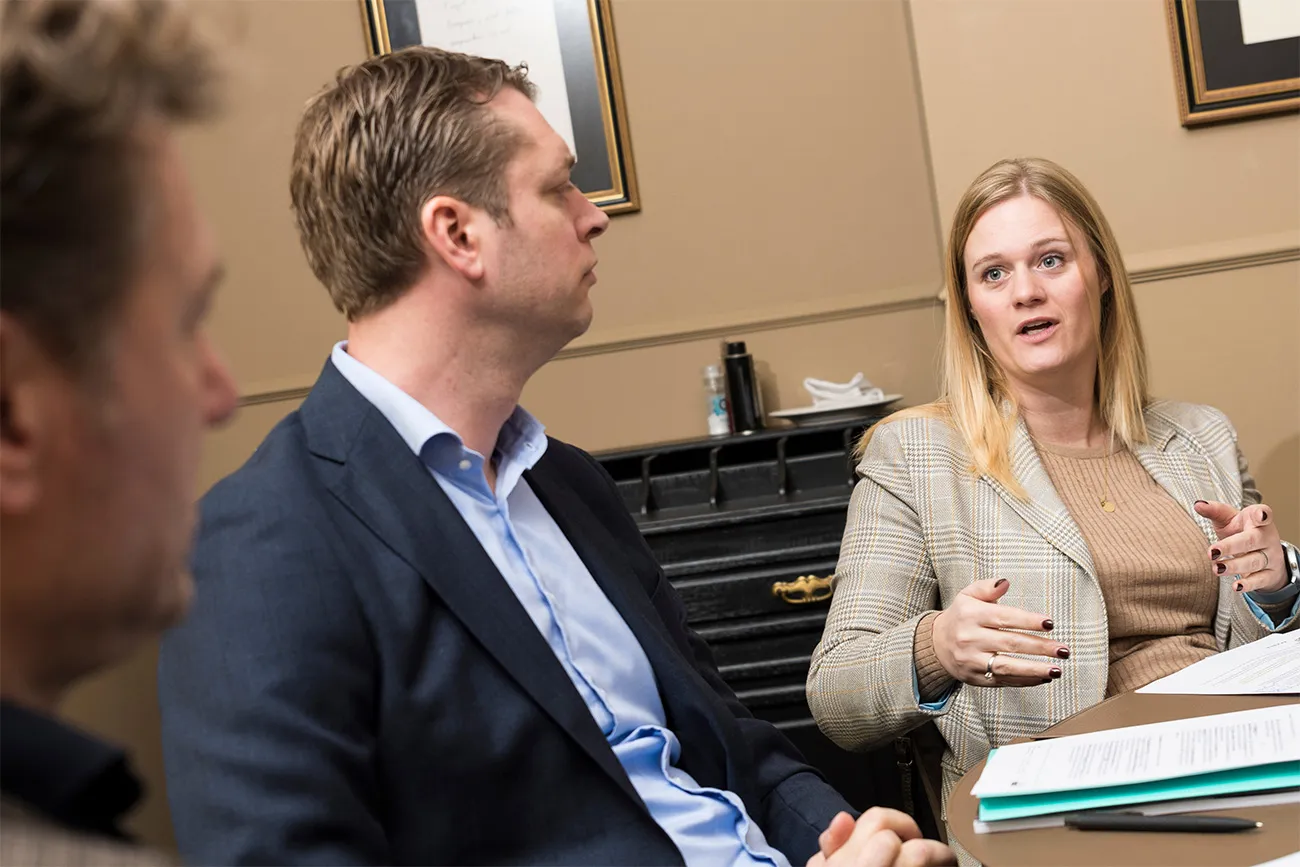
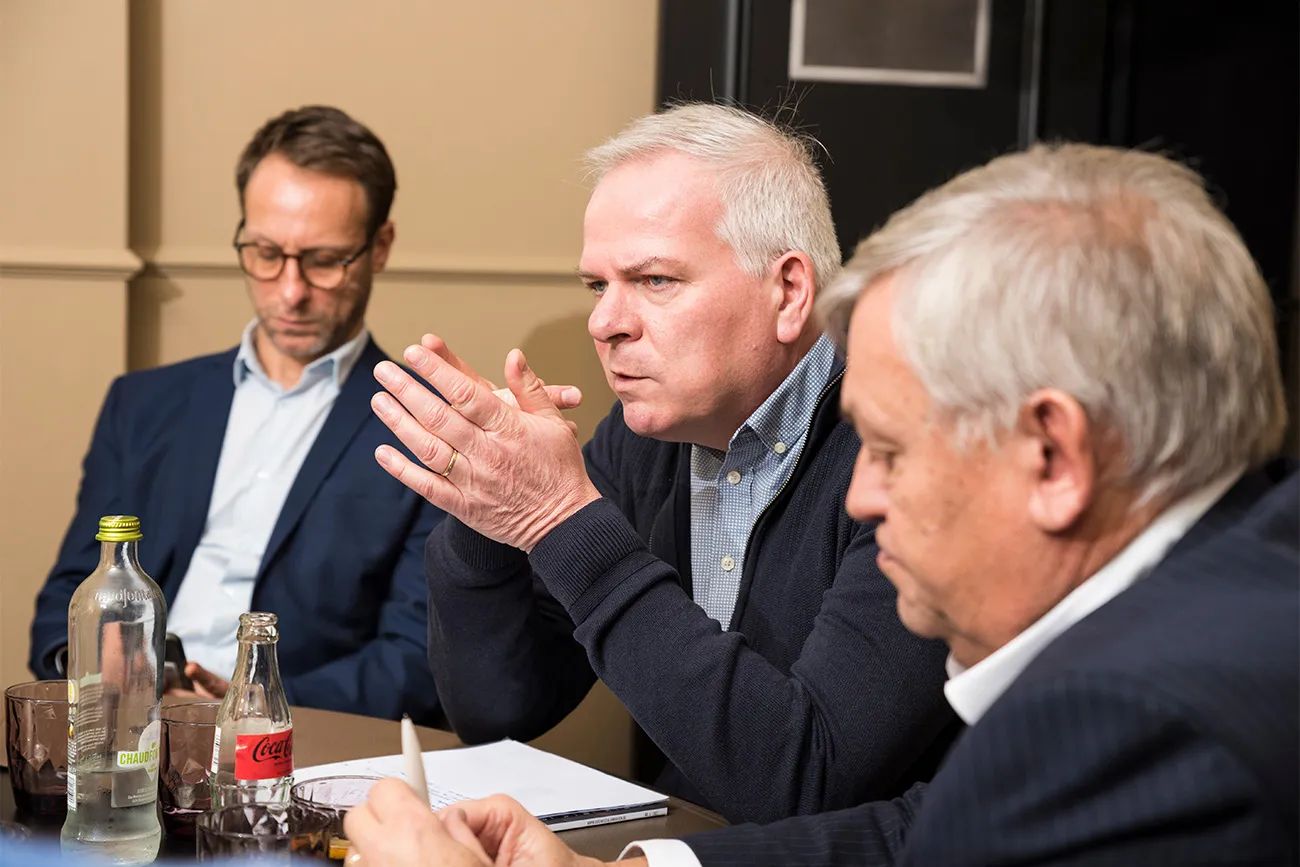
Our economy is going through turbulent times, and policymakers are being urged to take the necessary measures to soften major shocks. Around the turn of the year, most business organisations published their lists of priorities. How can governments give businesses a helping hand in 2023? Business Vlaanderen brought five representatives of sector federations together to discuss their concerns and expectations: Bart Buysse (Fevia), Jolyce Demely (Agoria), Erik Magnus (Creamoda), Klaas Soens (Comeos) and Paul Verschueren (Federgon): “More than ever, we stand shoulder to shoulder in defending our businesses.”
“This year is all about focusing on our core business and staying profitable,” begins Bart Buysse, head of Fevia, the food industry federation. “I see our members working hard to improve efficiency: saving energy, using raw materials more sparingly, adopting more sustainable technologies and securing supplies. There is also a great deal of investment in digitalisation, automation and robotics. The downside is that production costs are rising sharply in the short term, and we need to ensure that this extra spending on wages and energy does not come at the expense of long-term investment in innovation and new solutions.”
Businesses struggling to breathe
Profitability and cost-cutting are also top priorities for retail and related services. Klaas Soens of Comeos Vlaanderen says: “Our sector operates on small margins, which are coming under increasing pressure. Supermarkets and retail businesses have to optimise, automate and become more energy-efficient. They need to keep pace with the growth of e-commerce, but that requires additional investment. Many business owners in our sector therefore expect 2023 to be tougher than 2022.”
Erik Magnus of Creamoda, which represents fashion brands and clothing manufacturers, agrees: “Our sector is made up of SMEs, often very small businesses. They suffered badly during the coronavirus pandemic. The mandatory closure of clothing boutiques and intense competition from e-commerce are still having an impact. With purchasing power under pressure and consumer confidence at a historic low, some businesses are struggling to stay afloat. Politicians have a major responsibility to support entrepreneurship.”
For technology companies, the challenge is more complex. Jolyce Demely, Managing Director of Agoria Vlaanderen, says: “The manufacturing industry has already come a long way towards becoming the factory of the future. For many businesses, there is little more to be gained from investing in transformation and efficiency. I see the opportunity in greening, decarbonising and making the shift to a circular economy. The next crisis is likely to be one involving shortages of materials and raw materials. Recycling and closing material loops are then both the solution and the opportunity.”
Demand for workers remains high
Federgon's members are HR service providers: temporary employment agencies, recruiters, training institutes, outplacement and wellbeing providers, and so on. “Although demand for workers remains high, we are seeing demand for temporary agency work fall, particularly in industrial sectors,” says Paul Verschueren. “Demand for recruitment and selection or project sourcing services, on the other hand, is holding steady. We have also seen labour shortages put issues such as wellbeing at work and sustainable employability on the agenda. Companies are much more focused on these than they used to be.”
All the panellists have heard from members that they are still struggling to attract motivated new workers. Bart Buysse says: “Food companies have an average of more than 1,500 vacancies unfilled every day. This labour shortage is weighing on production. Some businesses cannot operate at full capacity because they do not have enough staff.”
Last year, retailers also felt the impact of labour shortages for the first time. “That is a warning sign,” says Klaas Soens. “You can work in a supermarket or shop without qualifications and with little experience. Training is provided on the job. So if we can no longer find people, there is a real structural problem. Fortunately, recruitment seems to have become a little easier again recently.”
“One challenge facing manufacturing is to invest even more in training and education,” adds Jolyce Demely. “When we automate and introduce robotics, we need different profiles to operate the machines, or people have to move into another role. There is certainly room to do more when it comes to lifelong learning, and that applies to both employers and employees.”
The labour deal falls short
Federgon naturally welcomes the increased focus on lifelong learning. However, some measures in the recent labour deal have raised concerns. Paul Verschueren says: “The cost of labour is a major concern for our members too. The combination of automatic wage indexation of 10%, the introduction of a four-day working week and the requirement to provide 5 days of training risks having the opposite effect to that intended. Our competitive position in Europe is coming under increasing pressure.”
“And that is without even mentioning the removal of the requirement for a medical certificate for a single day of absence, or the introduction of a fine if too many employees are on long-term sick leave, applied retroactively,” Klaas Soens continues. “That only makes it harder for businesses to keep operating. The labour deal contains plenty of social measures, but offers employers little or nothing in return.”
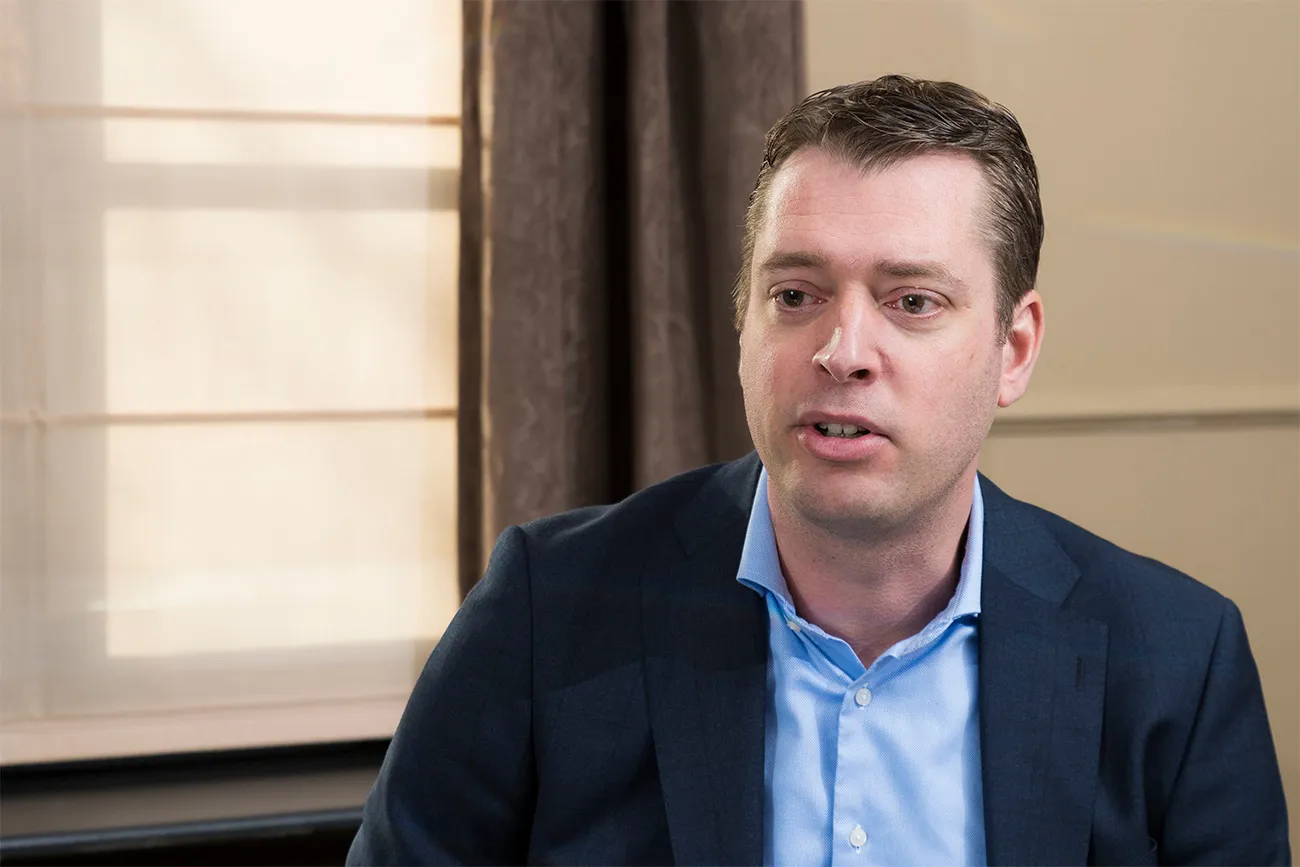
Erik Magnus agrees: “Too often, there is an assumption that employers cannot be trusted. Or measures are introduced that are completely out of touch with reality. Take the compulsory five days of training, for example. As if we would not make the necessary effort ourselves. Do we really need to force people who are on the verge of retirement to take additional training?”
A stable regulatory framework
That brings us neatly to employers’ organisations’ expectations of politicians. “Our businesses are in the midst of a transition towards greater digitalisation and sustainability. This involves technological innovation, changes to processes and change management for employees. That takes time and money, so our SMEs need a stable framework,” says Bart Buysse. “Our tax system is already a lasagne, so we are asking policymakers not to pile on any more burdens. Better no new measures than bad ones.”
Klaas Soens adds: “Payroll costs remain a major concern. In just a few years, Belgian labour costs have spiralled from 10% to as much as 16% above those in neighbouring countries. The government is offering some compensation in the form of a temporary waiver of the RSZ contribution and a deferral of payment. But in the end, that amounts to compensation of just 0.6%. That is too little, too late. In the meantime, we are losing competitiveness against other countries. That is why we are calling for net indexation, so employees gain purchasing power while businesses get more breathing space.”
Creamoda also supports a ‘standstill’. “The government must provide greater legal certainty instead of constantly issuing new rules. That is also highly damaging to Belgium’s image among the head offices of multinationals,” says Erik Magnus. “The ambition to raise the employment rate to 80% is the right one. But I still see no considered policy to tackle the unemployment trap and activate people who are not working. Yet we absolutely need that potential to secure economic growth and future prosperity.”
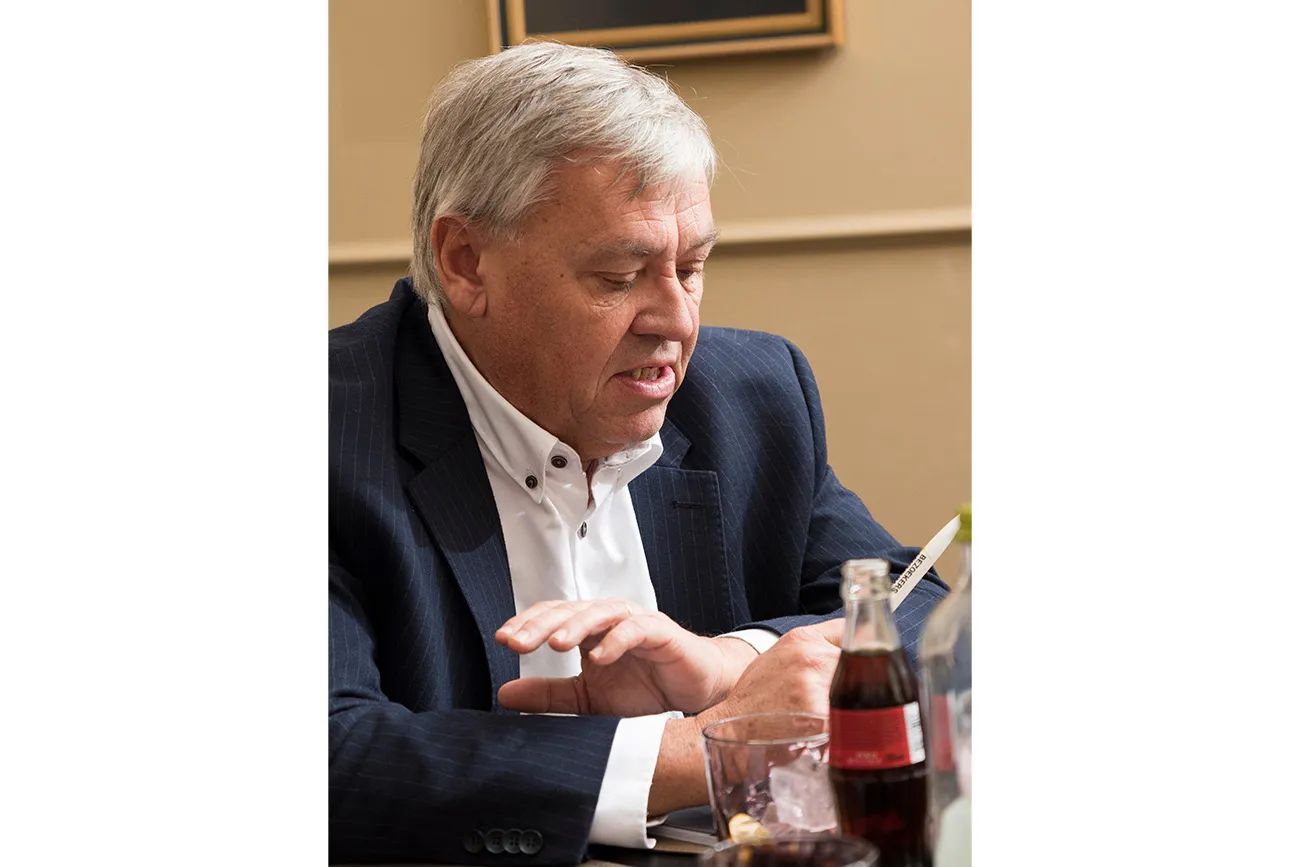
“In fact, everyone of working age who is not in work should be part of an activation scheme,” adds Paul Verschueren. “But these schemes need to be tailored to different groups: young jobseekers, the long-term unemployed, people returning after incapacity for work, and so on. Politicians need to realise that jobs are the best guarantee of future purchasing power. And the good news is that there are many possible activation measures that would cost nothing!”
Finally, Jolyce Demely calls for a more ambitious industrial policy: “Our export figures are rising, but at the same time we are seeing our international market share fall. And now there are countries providing much greater support for their industries, such as Germany, France and the US, putting us at an additional disadvantage. I would like to see the Flemish Minister-President also take responsibility for industrial policy. That could make a number of things easier and help us raise specific industrial issues at European level.”
Question about this story? Ask your question
Keep following this
Get an email when a new story is published. No account needed.
- SubjectRoundtable