“A clear long-term plan benefits everyone”
Text Björn CrulImage Boris Vermeersch
Will there be tax reform this time?
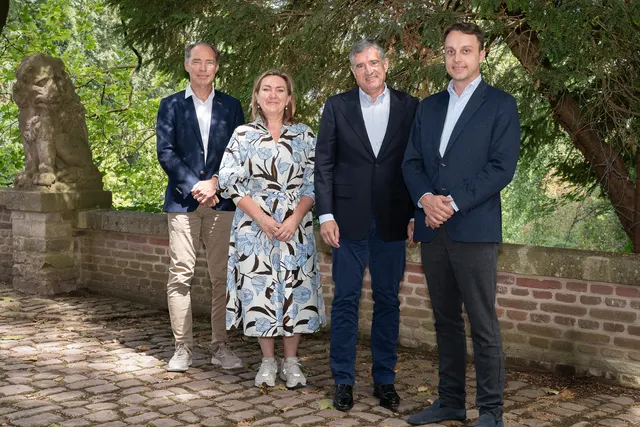
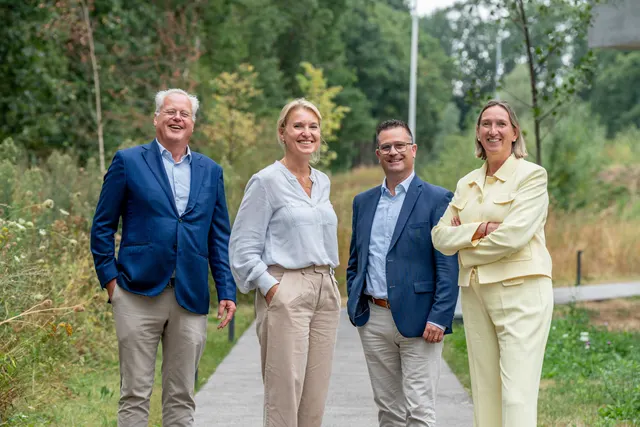
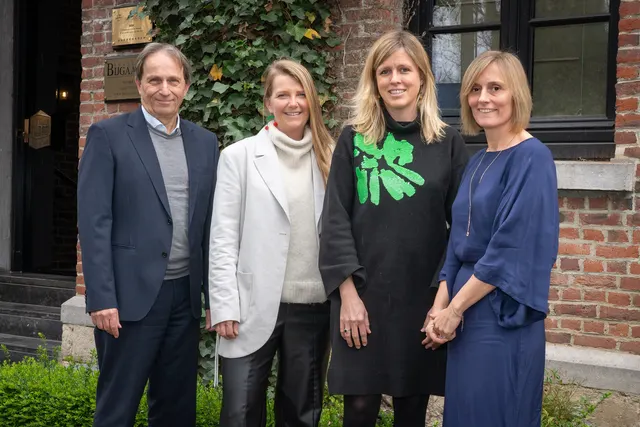
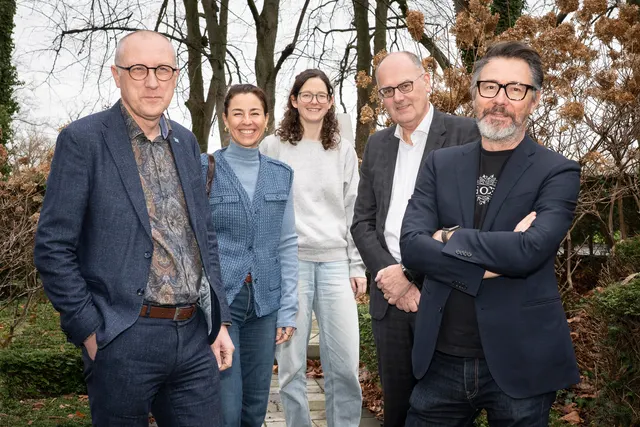
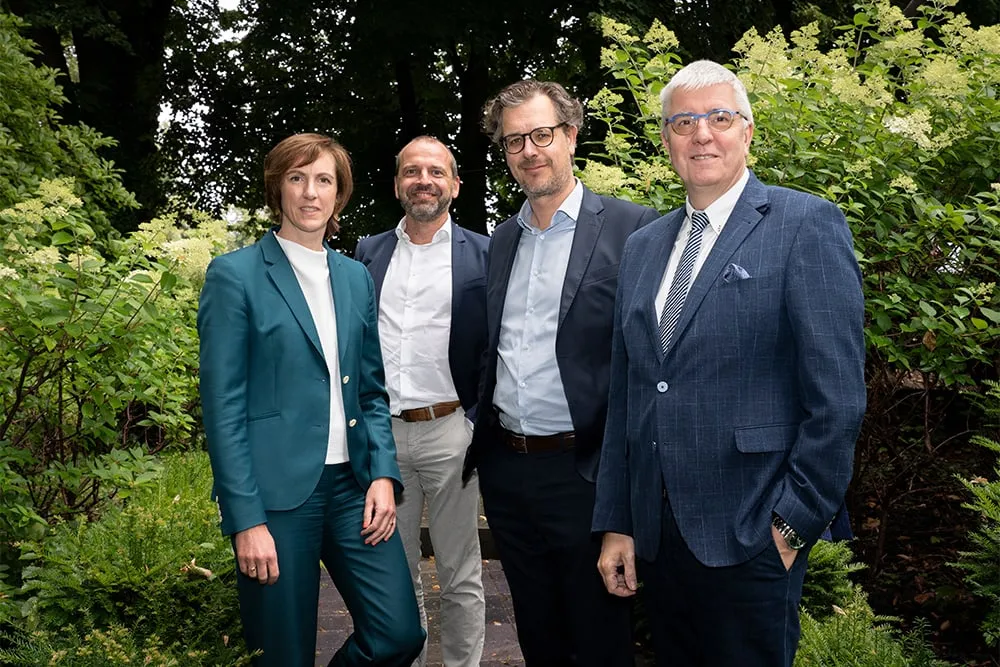
One of the major challenges facing the federal government in the coming years is tax reform. The Belgian tax system is an extremely complex tangle of rules, rates and exceptions. An attempt to reform taxation stalled just short of the finish line under the De Croo government. But calls for a simpler and fairer system continue. Business Vlaanderen brought four experts together to discuss how our tax system should evolve: Annelies Van Gronsveld (Bank Degroof Petercam), Jo Roseleth (Moore Belgium), Mark Delanote (UGent/Delanote.law) and Pieter Timmermans (Verbond van Belgische Ondernemingen).
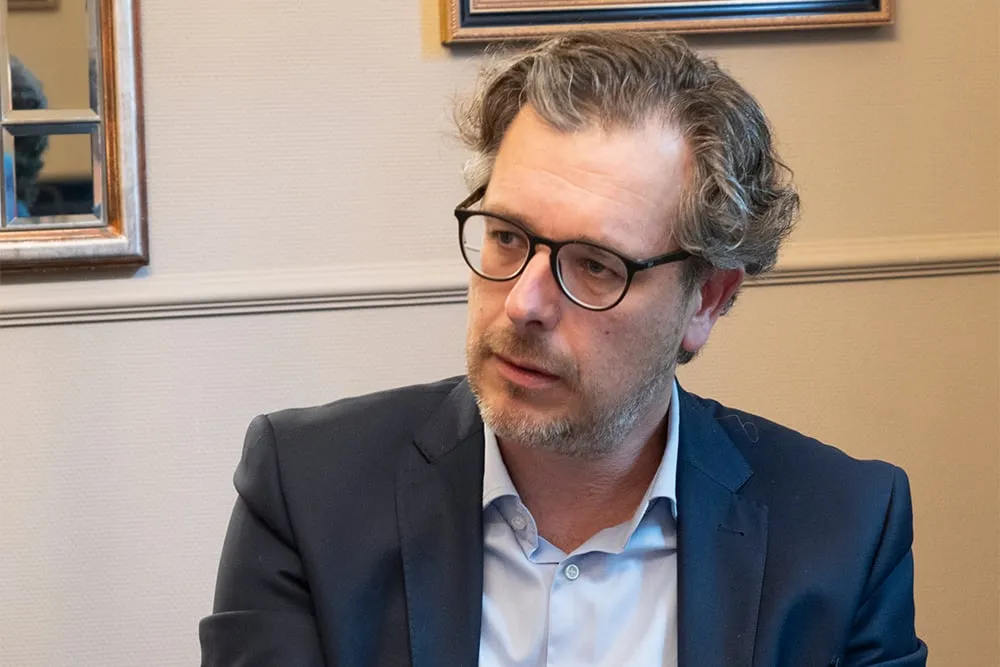
Mark Delanote was closely involved in the reform prepared during the previous legislative term. As a professor of tax law, he led an expert group tasked by Finance Minister Van Peteghem with preparing the ‘Vision Note’ for reform. The minister drew on it when presenting his ‘Blueprint’: “Our exercise aimed to simplify the tax system and thereby provide greater legal certainty. To do that, we need to move away from a piecemeal approach, in which policy is made haphazardly in response to specific, often budgetary, needs.”
An efficient and effective system
“I believe there should be a tax framework in which politicians mainly adjust the rates. That would allow them to make ideological choices about redistribution: the more progressive the system and the higher the tax rate, the more wealth is redistributed. Or they could shift the tax burden towards consumption and pollution, for example,” Delanote explains. “This would still leave room for targeted policies. Tax incentives for research and development have proved useful to our economy. But we need to monitor their effectiveness and efficiency carefully, so that the incentives do not benefit taxpayers they were not intended for.”
However the tax system is organised, taxation always has an impact on certain groups. “We want an efficient tax system that preferably taxes every type of similar income in a similar way. But we must take care to do as little damage as possible to our economic output,” says the professor.
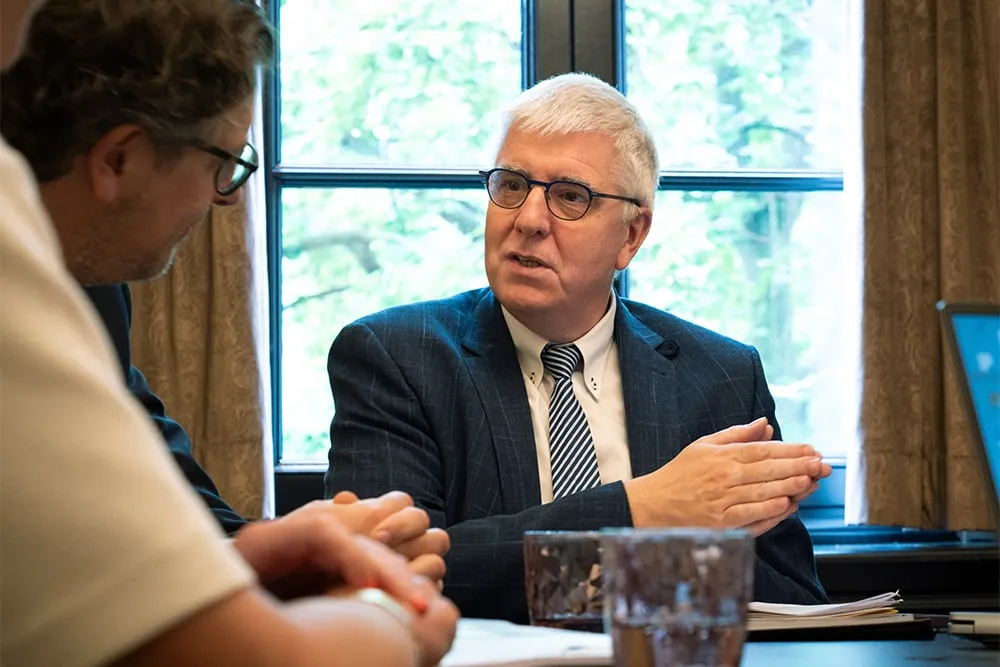
That is what Pieter Timmermans, CEO of the VBO, warns against: “One major challenge is therefore the taxation of wages. There are three issues. First, the tax wedge between what an employee costs their employer and what they take home. On average, one hour of work costs an employer about three times as much as the employee receives. Then there is our overly progressive system, which pushes employees into the highest tax bracket far too quickly. We therefore need to widen the tax brackets and lower the rates. Finally, our biggest economic competitors are our neighbouring countries. We should benchmark Belgian taxation against Germany, France and the Netherlands to remain competitive.”
Long-term predictability
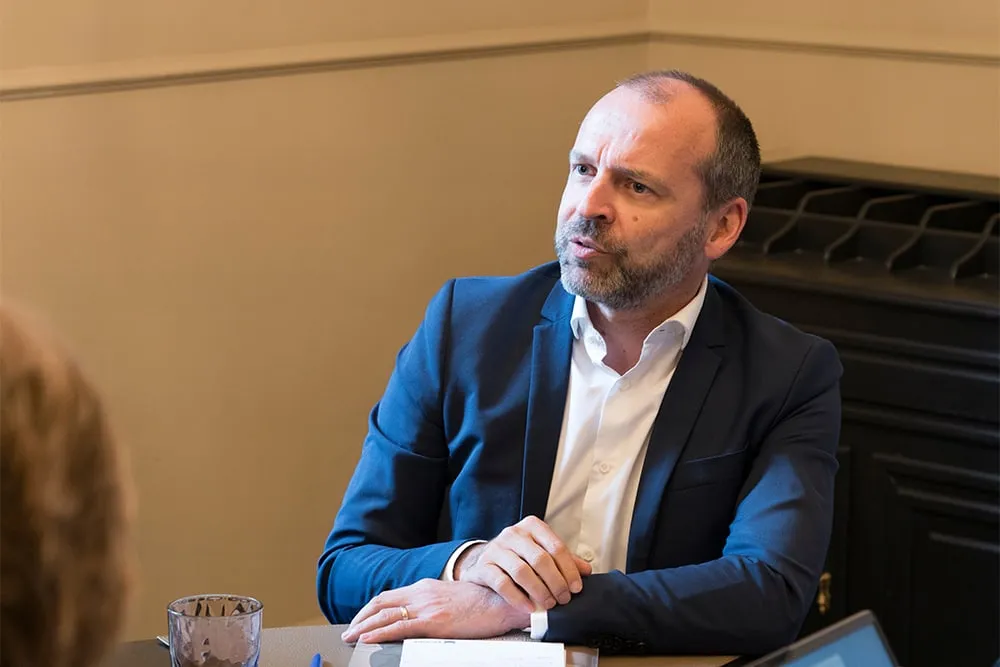
As an adviser to businesses, Jo Roseleth, managing partner Tax & Legal Services at Moore Belgium, is in contact with entrepreneurs almost every day. “Legal certainty is particularly important to them. They want to know what lies ahead in the coming years so they can align their strategy and investment policy accordingly. Entrepreneurs have no problem with paying taxes as such, provided the tax system is predictable: they want their efforts to continue to pay off in the long term,” says Roseleth. He points to the changes to car taxation as a good example of how tax policy should always be shaped: “With a clear long-term plan that is predictable and provides legal certainty, that measure steered the electrification of company car fleets in the right direction.”
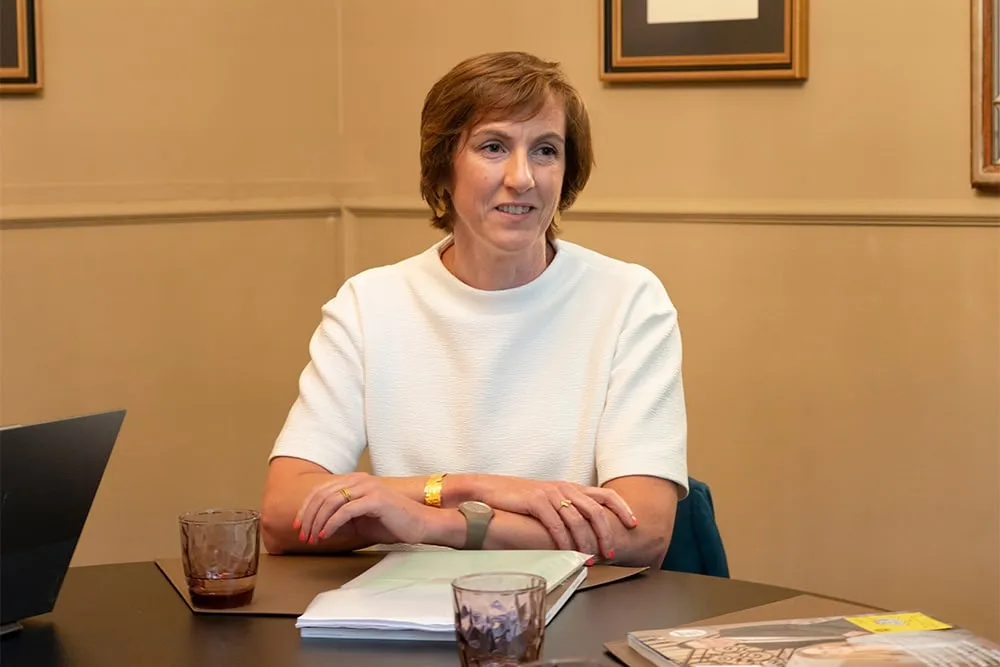
Annelies Van Gronsveld is an estate planner at Bank Degroof Petercam, advising entrepreneurs and wealthy families. She too stresses the importance of predictability. “We work mainly in the areas of investment taxation and inheritance and gift taxes. The way these are regulated is incredibly complex and piecemeal. Tax on investment income is still governed by the 1992 Income Tax Code, but since then numerous measures and additional rules have been introduced, and sometimes withdrawn again. A thorough reform is therefore urgently needed. Our clients realise this, and some are concerned. But if there were a clear plan that offered certainty over the longer term, that would be better for everyone.”
End ‘salami slicing’
Everyone at the table agrees that the ‘Vision Note’ and the subsequent ‘Blueprint’ deserve credit for putting tax on the agenda for debate, at the very least. It also became an election issue in June. “What bothers me, though, is that most politicians do little more than make promises without asking how they will pay for them,” says Pieter Timmermans. “We let spending rise, then taxes have to go up to generate the revenue needed. As a result, our tax system has become a complex tangle, and every Belgian feels they pay too much tax. All levels of government should also review their spending and look at how they can work more efficiently. That is just as important as tax reform.”
Meanwhile, more and more parties are calling for wealthy Belgians to pay more tax so that ‘those with the broadest shoulders carry the heaviest burden’. The proposal sparks lively discussion at our round table. “Depending on the political make-up, our tax system has always been based on a divide et impera strategy: certain groups are targeted to spare others. Add salami slicing, with each level of government setting its own priorities, and you end up with the perception that taxes are high,” says Mark Delanote. Delanote. “Another problem is that wealth taxes are designed inefficiently. Financial transactions are taxed today, for example, but not the actual capital gains on investments…”
A tax on capital gains?
Jo Roseleth: “It is true that our country is one of the few EU Member States without a tax on capital gains from shares. But this is a measure that needs to be approached with caution. In a country of family-owned SMEs, where the government has encouraged the transfer of family businesses through favourable tax arrangements, taxing the gains on those shares could have the opposite effect.”
Pieter Timmermans is concerned about the negative effects a capital gains tax could have on entrepreneurship: “After the Second World War, we created multinationals, particularly in Flanders: family businesses that grew into global players, such as Sioen and Lotus Bakeries. As a small, open economy, we need to give our companies every opportunity to grow and conquer international markets. We also need more scale-ups that attract local investment. We must not stifle that dynamism with additional wealth taxes.”
Annelies Van Gronsveld sees another problem with the political debate: “In many cases, no distinction is made between wealth, income from wealth and returns on wealth. If anything changes in this area, it should be part of a much broader reform that also considers inheritance and gift taxes and reduces the tax burden on income from work. Large fortunes are often mobile. As long as there are international escape routes, introducing additional taxes is of little use. It could quickly prove counterproductive.”
More than tax reform
The question, then, is what comes next for tax reform during the 2024-2029 legislative term. “For me, the note drawn up by the expert group led by Professor Delanote remains the ideal starting point. It contains many good ideas that could form the basis of a political agreement. The most important thing is to reduce the tax burden on labour and pursue a reform that is neutral for the economy,” says Jo Roselth.
For Pieter Timmermans, what is needed above all is broader policy that delivers far-reaching reform. “Alongside tax reform, we also need decisive measures for the labour market. Getting more people into work means fewer budgetary measures will be needed. It is the easiest way to generate more revenue. The government also needs to improve its efficiency. Further digitalisation will mean fewer civil servants are needed. And I hope our politicians reach agreement on tax reform in the first years of the legislative term, so it can be implemented in the second half, when we are out of the economic and budgetary malaise. Last time, the process stalled because the elections were too close.”
“Moreover, taxation is increasingly being viewed in an international context,” Annelies Van Gronsveld adds. “Multinationals face a global minimum tax of 15%, the OECD is calling for an international tax shift that places a greater burden on pollution, and Europe will also have an increasing impact. The world has become a village. Look at how companies shop around when deciding where to invest in new sites. The Belgian authorities must therefore be aware that their reforms will be measured against what is happening abroad.”
The final word goes to Professor Mark Delanote: “Hopefully, the Vision Note will continue to guide reform. There are, of course, different political views on where we should be heading, but with a little goodwill, compromise should be possible. My main message is this: devising sound tax policy is not rocket science. Choose a good tax structure with simple basic rules and plan a reform that reaches cruising speed by 2030, giving everyone a clear outlook.”
Question about this story? Ask your question
Companies in this story
Keep following this
Get an email when a new story is published. No account needed.
- ThemeFinancial and legal decisions
- SubjectRoundtable
- CompanyBank Degroof Petercam