Environment, energy & waste management
“Those who value water can make substantial savings”
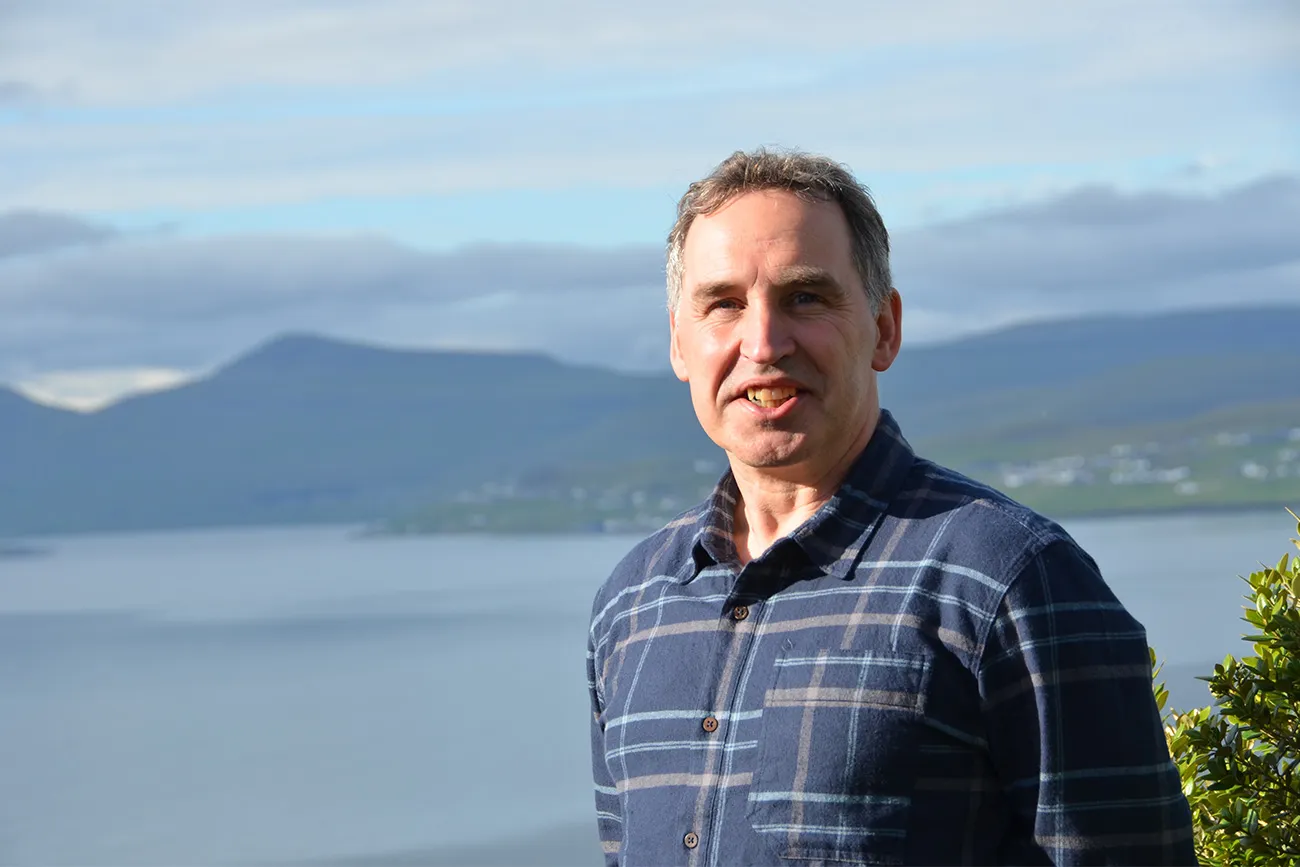
Groundwater is precious and increasingly scarce. That is why the Flemish Government wants to promote circular water use and has called on companies to invest in wastewater reuse. The call is increasingly being heeded. “Companies are finally aware of the water crisis. Alongside the environmental benefits, they recognise that investment in water treatment can also bring financial benefits,” says Frank De Poortere of water company Azulatis.
Flanders is reaching the limits of what its water system can cope with. Companies, too, are increasingly feeling the adverse effects of drought and flooding, and are being forced to seek solutions to protect themselves better. To address the problem structurally, the Flemish Government launched the Blue Deal. ‘Vlaanderen WaterProof’ is one of the programme’s larger initiatives and aims, among other things, to make companies less dependent on groundwater and precious mains water.
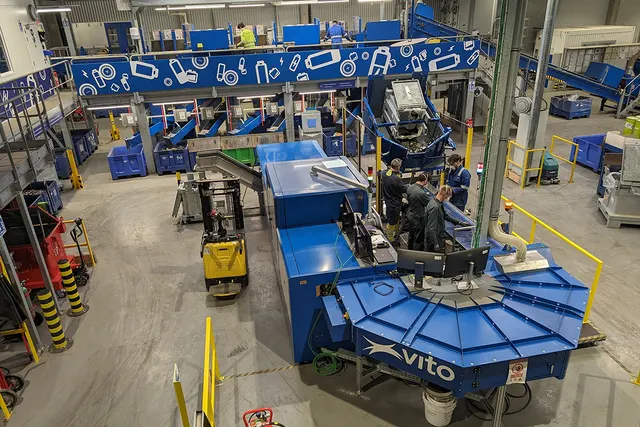
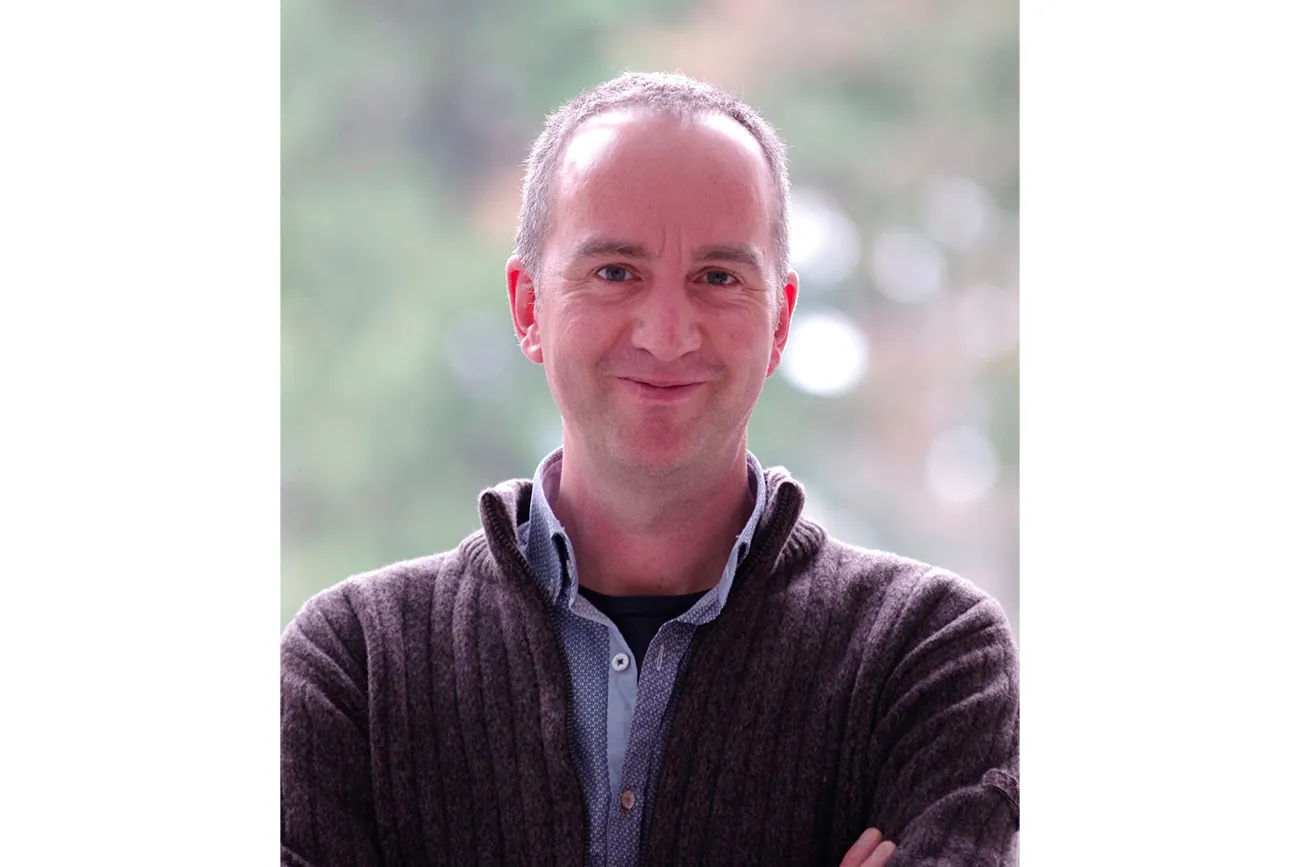
Wim Schiettecatte, project leader at VITO: “We need to value water, both by using less of it and by using it more efficiently. Water issues often extend beyond the local level, too, and collaboration is needed to create a robust water system. That is why we have set up initiatives with local stakeholders in three locations in Flanders. These cases are generating new insights and expertise into how Flanders can get more value from water.”
Tielt Noord as a source of inspiration
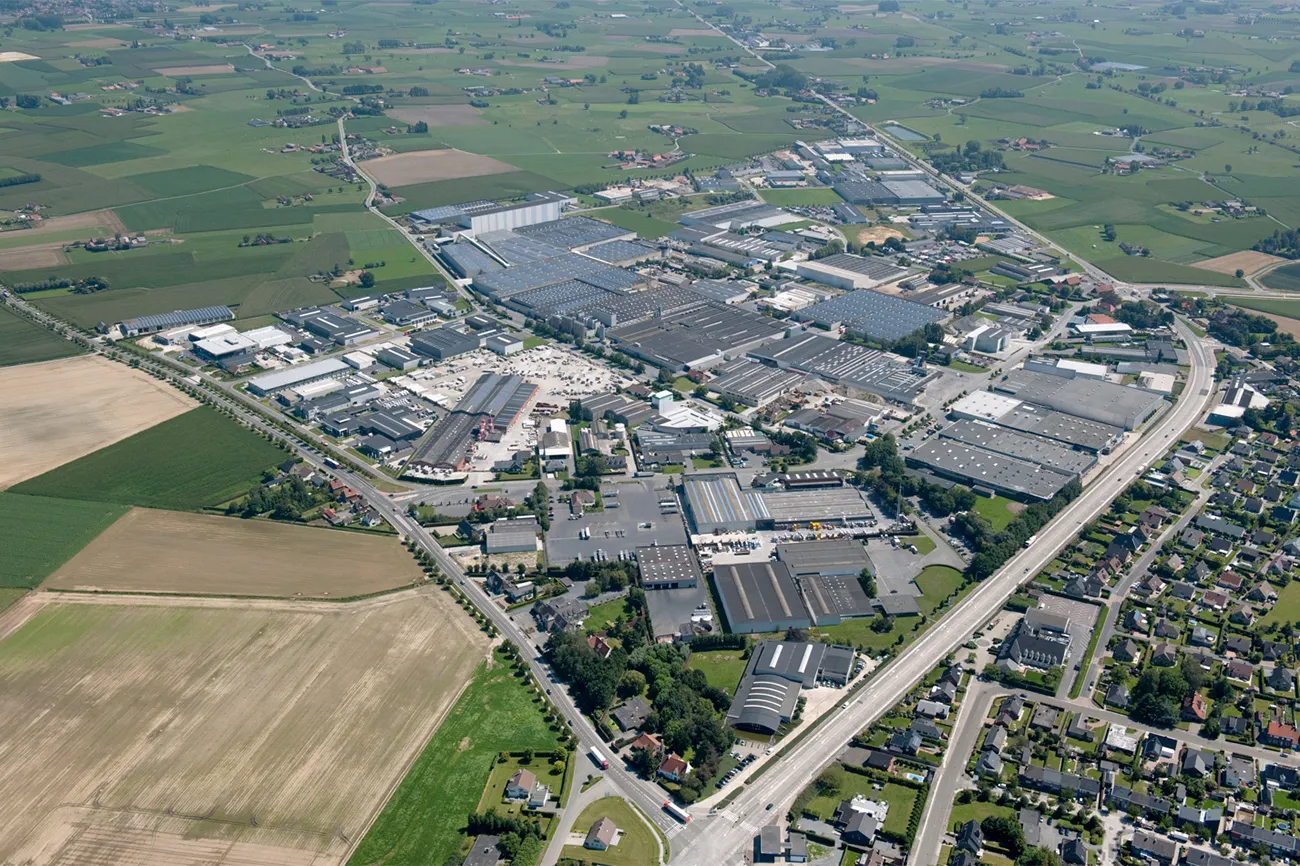
One of these demonstration cases is located at the Tielt Noord business park. “Water use at Tielt Noord is diverse, and together with local businesses, farmers and public authorities, we want to make the most of rainwater by infiltrating, storing, treating and reusing it. At the same time, we also want to achieve other benefits, such as more green space for a more pleasant working environment and safer cycle paths when sewer systems and roads are upgraded. Our aim is to make Tielt Noord a true source of inspiration, showing business parks what action they can take.”
A number of practical measures to get more value from water have now been identified in Tielt. “For example, we are storing more rainwater so that it can be supplied again as a sustainable water source for industry and agriculture. We are mapping potential pollution and testing remediation and treatment techniques. Smart monitoring of water levels, flow rates and water quality will also allow us to track and manage the system as a whole,” Wim explains.
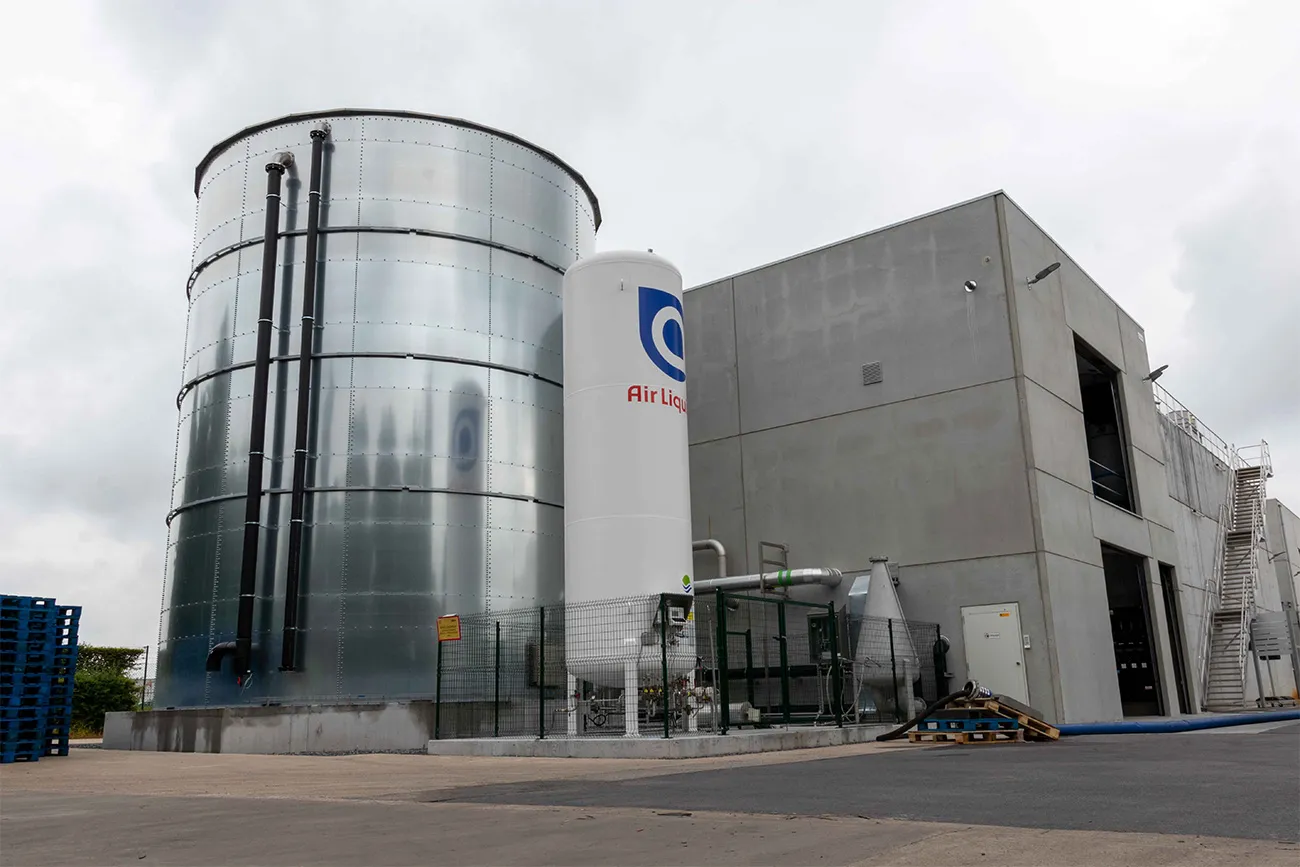
“More and more companies are investing in circular water use, because water is often an essential part of production,” adds Frank De Poortere, interim CEO at Azulatis. “At Alpro in Wevelgem, for example, we installed a new water reuse plant. Combining several filtration techniques, it converts process water into drinking water so it can be reused in production. With a capacity of 720,000 m³ a year, the equivalent of 372 Olympic swimming pools, it is the largest water reuse plant in Flanders.”
Financially attractive, too
Like Alpro, Milcobel, another major food producer in West Flanders, invested in a new treatment plant two years ago. “That investment is paying off, too. The plant not only closes the water loop, but also indirectly increases capacity on the drinking water network. What’s more, Milcobel can now make substantial savings on mains water. In uncertain economic times, that financial benefit is certainly welcome,” says Frank Depoortere of Azulatis.
Question about this story? Ask your question
Keep following this
Get an email when a new story is published. No account needed.
- SubjectEnvironment, energy & waste management