Environment, energy & waste management
Belgium’s first green hydrogen plant under construction in Zeebrugge
Text Roeland Van Den DriesscheImage Hyoffwind, Volvo
“A crucial foundation for the green hydrogen economy in Flanders”
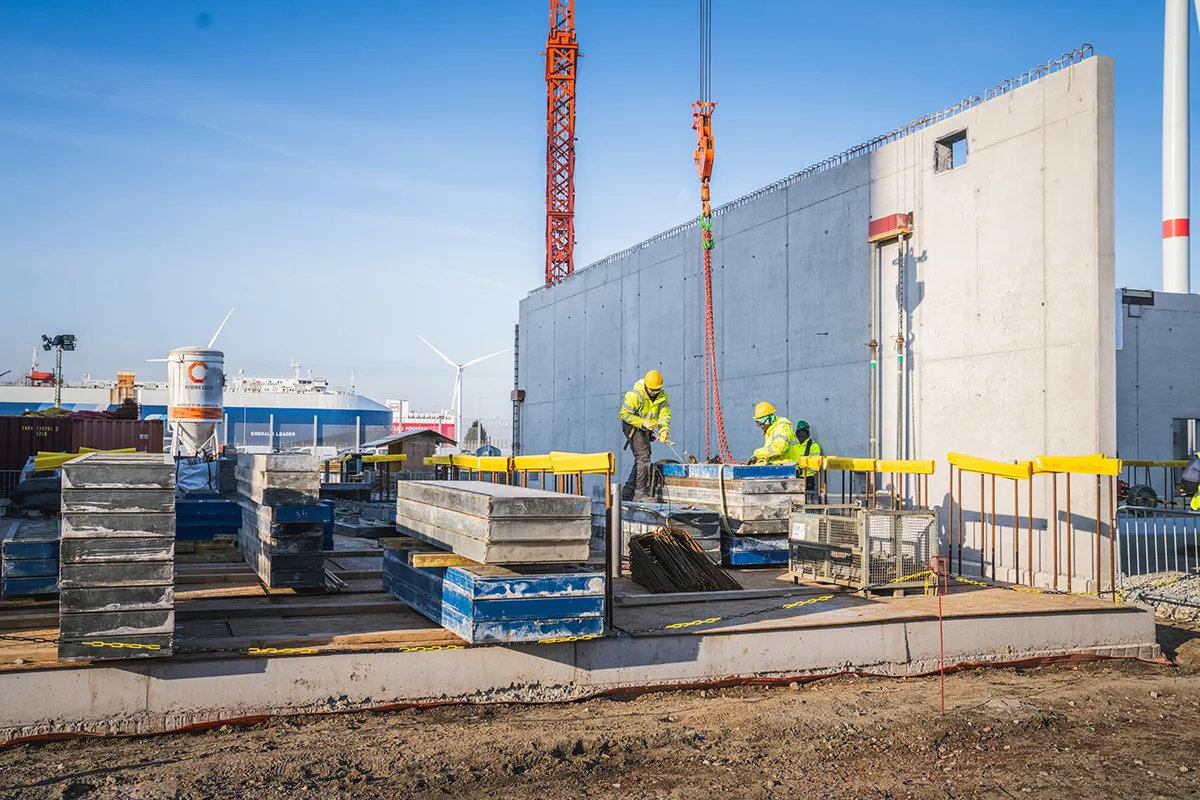
Construction has begun in Zeebrugge on Belgium’s first green hydrogen plant. Green hydrogen is produced using solar or wind power, without emitting greenhouse gases. The technology is promising, but production costs remain high and its practical viability is still uncertain. Is green hydrogen the holy grail of the energy transition, or an expensive gamble?
Belgium is falling short of its climate ambitions, and urgent action is needed. Hydrogen could play a key role. It offers an energy solution for sectors where direct electrification is not feasible, such as heavy industry and transport. Hydrogen can also act as a buffer for renewable energy, helping to keep the electricity grid stable.
However, the technology is not without controversy: producing hydrogen is relatively expensive and requires enormous amounts of electricity. And not all hydrogen is equally green. Today, most of it is produced from fossil fuels, still generating significant CO2 emissions.
From potential to practice
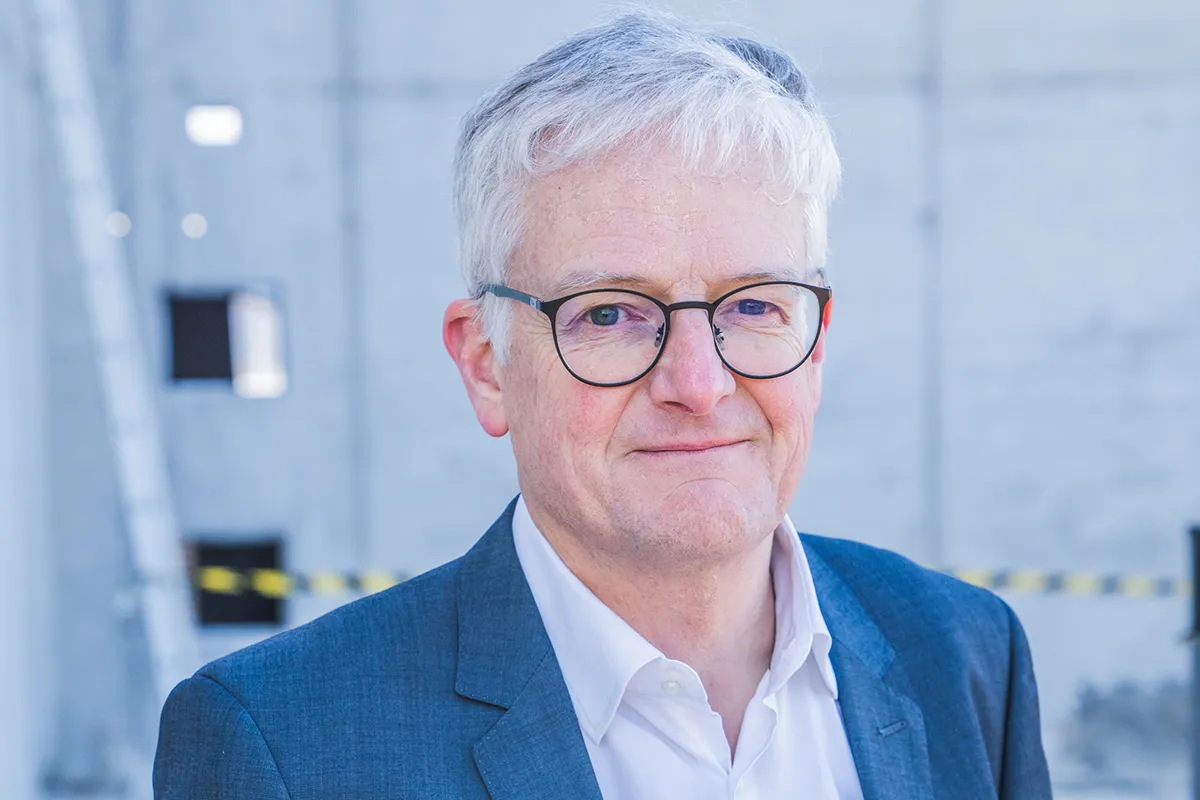
The major breakthrough is expected to come from green hydrogen, produced using electricity from solar or wind power. But producing green hydrogen also comes with a hefty price tag. Electricity must first be generated, which helps explain why demand for the product remains relatively limited for now. “I nevertheless believe green hydrogen will be a game-changer. For now, it is mainly a matter of scale,” says Paul Tummers of Virya Energy, the Colruyt Group subsidiary that is one of the driving forces behind the consortium developing the Zeebrugge hydrogen plant.
The consortium, which also includes Messer, a manufacturer of industrial gases, investment holding company Hyoffgreen and Vlaamse Energieholding, is investing 80 million euros to build Belgium’s first green hydrogen plant. “The initial production unit will have a capacity of 25 megawatts. We intend to sell the hydrogen produced to industrial customers and also use it to balance the electricity grid,” Tummers explains.
The importance of a sufficiently large market
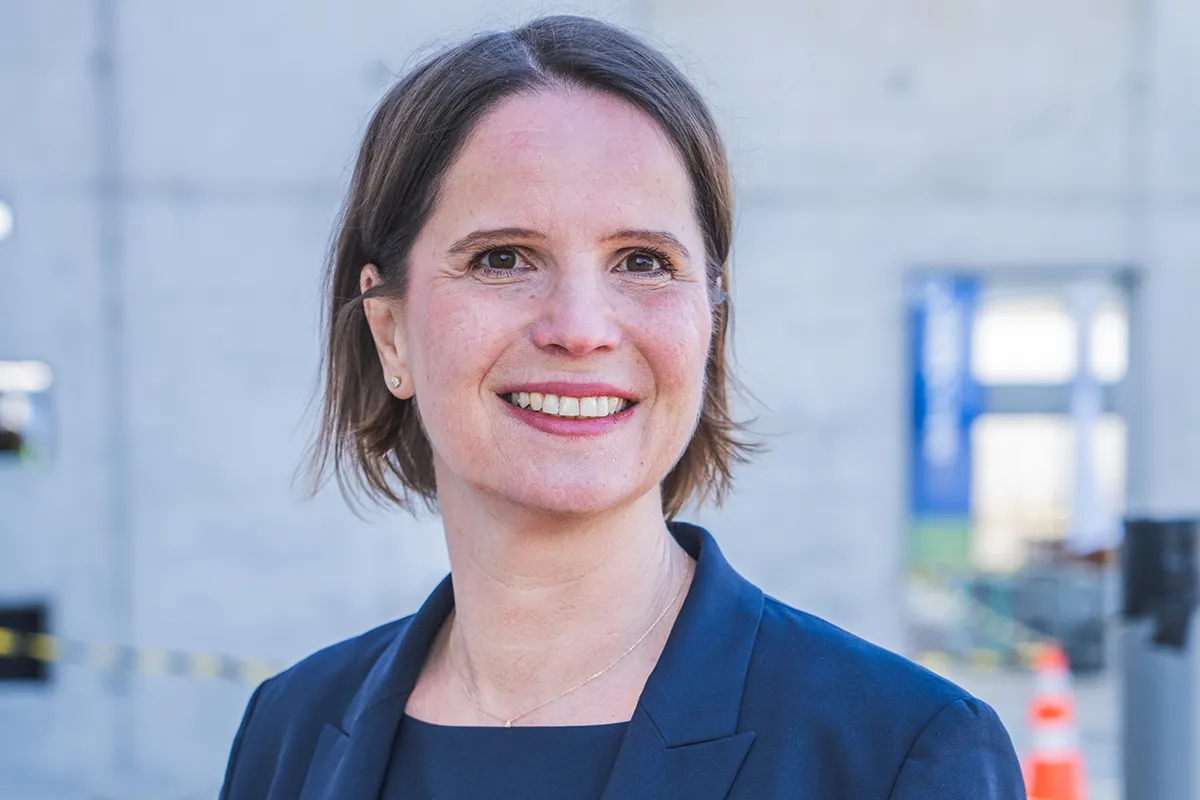
If all goes to plan, the plant should be operational by the third quarter of this year. This will enable Belgium to cut its emissions by 25,000 tonnes a year. By way of comparison, Belgium emitted a total of 98.6 million tonnes of CO2 in 2024. “Every saving helps us meet our climate targets,” says Annett Beier, director of Messer. The question remains, however, whether there will be a sufficiently large market for hydrogen in the longer term. At present, for example, only a few manufacturers have concrete plans to build hydrogen-powered cars. “It is clear that the future will lie in a mix of hydrogen and battery-powered vehicles,” Beier acknowledges.
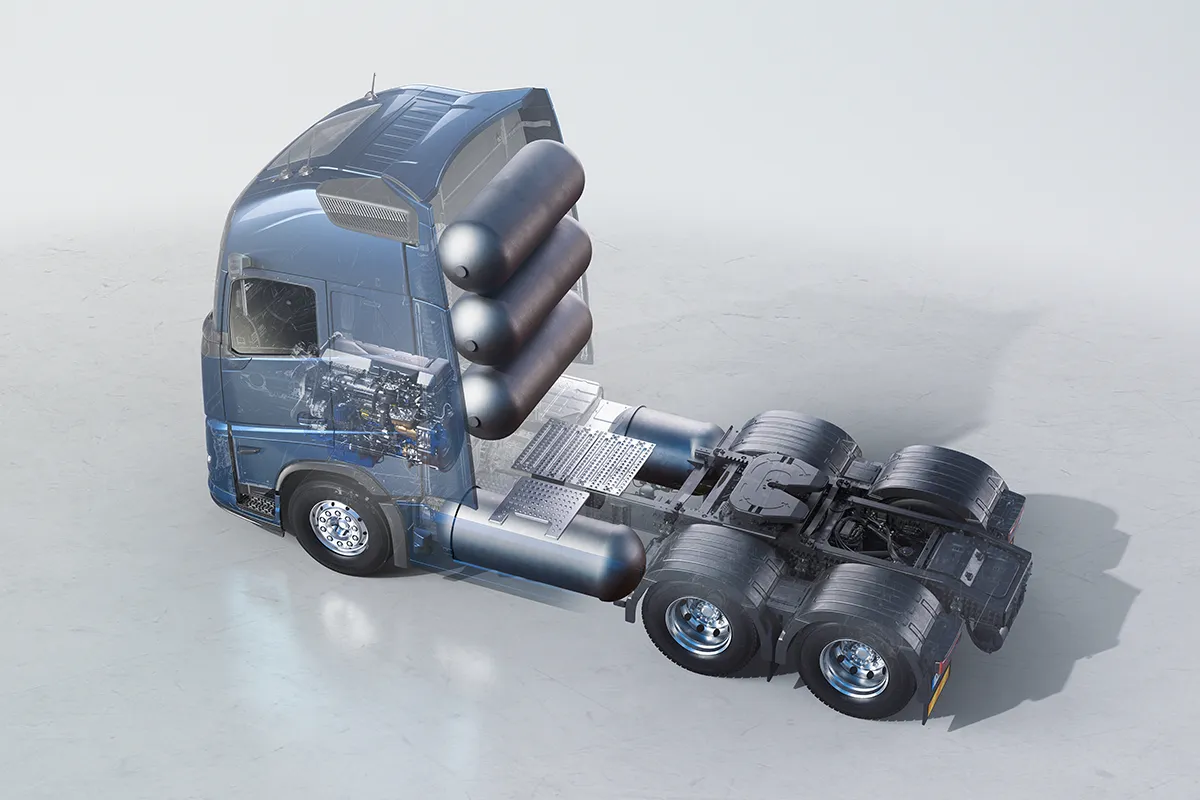
Volvo Trucks, which has a plant in Ghent, is one manufacturer already investing heavily in hydrogen technology. Last year, it announced that it would begin the first on-road tests of trucks with hydrogen combustion engines in 2026. These engines use High Pressure Direct Injection, a technique in which a small amount of ignition fuel is injected at high pressure to enable ignition. The trucks are therefore not fully CO2-neutral, but their very low CO2 emissions qualify them as ‘Zero Emission Vehicles’. Their major advantage is their range, which will be close to that of diesel trucks.
Putting it to the test
As green hydrogen is not yet being produced on a large scale, the plant could play an important role in that value chain. But whether this will be enough to make the plant profitable remains an open question. That is why the consortium is also exploring wider possibilities, such as injecting the hydrogen produced into the natural gas grid. “In any case, it will be crucial to consider the entire chain, so that every part is perfectly aligned,” says Teresa Ribera, European Commissioner for Climate Action.
The new plant will also serve as a test bed, positioning Belgium at the forefront of the hydrogen economy. “Demand for green hydrogen will only increase in the years ahead, and this plant will enable us to play a pioneering role. This project provides a crucial foundation for further developing the green hydrogen economy in our region,” concludes Flemish Minister-President Matthias Diependaele.
Question about this story? Ask your question
Keep following this
Get an email when a new story is published. No account needed.
- ThemeEnergy security and the circular economy
- SubjectEnvironment, energy & waste management