Environment, energy & waste management
“Storytelling is our most powerful weapon against climate change”
Text Bavo BoutsenImage Britt Buseyne, Stefaan Vandist en Go Forest

Many companies today are reluctant to communicate actively about the efforts they are making to become more sustainable. This is not without consequences, as communication and storytelling, as engines of inspiration, are the most powerful weapons companies have to strengthen their actions in the fight against global warming. Experts believe a shift in mindset is needed: “Storytellers are entering a golden age.”
The shift towards a new, low-carbon world is gathering pace. Companies across almost every sector are rethinking their entire value chains and taking a critical look at all aspects associated with CO2 emissions, waste and environmental impact. Others are making it their mission to guide these companies, and an entirely new ecosystem is beginning to emerge.

Greenhushing
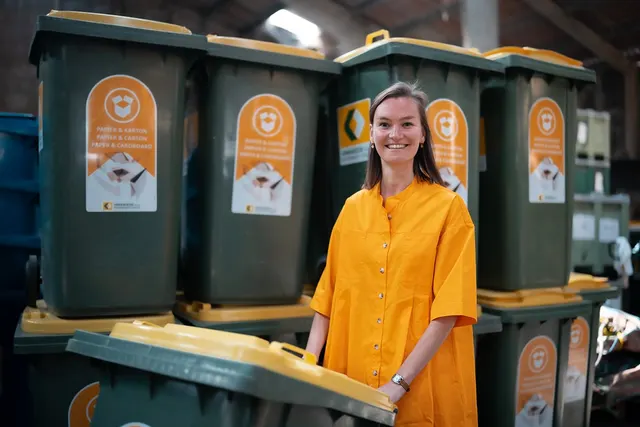
It is striking that these same companies seem reluctant to communicate about their efforts. Many businesses hesitate to tell the wider public about their green initiatives for fear of attracting criticism. “This practice, also known as greenhushing, has become more or less the new normal,” says Sarah Parent, co-founder of Go Forest, a Belgian company that enables businesses to plant their own forests through partnerships, helping to combat deforestation. The ecosystem growing around this includes Go Loud, a specialist sustainability communications agency led by Delphine Van Hoecke.
The fear of negative reactions is not unfounded. The Sustainapoll, a large-scale survey of what Belgians know and think about sustainability, found that two thirds of them consider companies’ communications about their sustainability efforts to be unconvincing. The reasons for this mistrust are, of course, complex, although it is also linked to the political debate, which is likewise struggling to find the right tone on sustainability.
The consequences of greenhushing can be significant, because credible sustainability communications have the potential to inspire everyone they reach. Well-told stories about tangible sustainability measures and CO2 reductions prompt audiences to reflect on their own roles and actions. In other words, when efforts go unreported, the greatest potential for impact is lost and the transition ultimately slows down. That is why more and more people argue that corporate greenhushing is actually more harmful than greenwashing, whereby companies present themselves as greener than they are.
Words matter
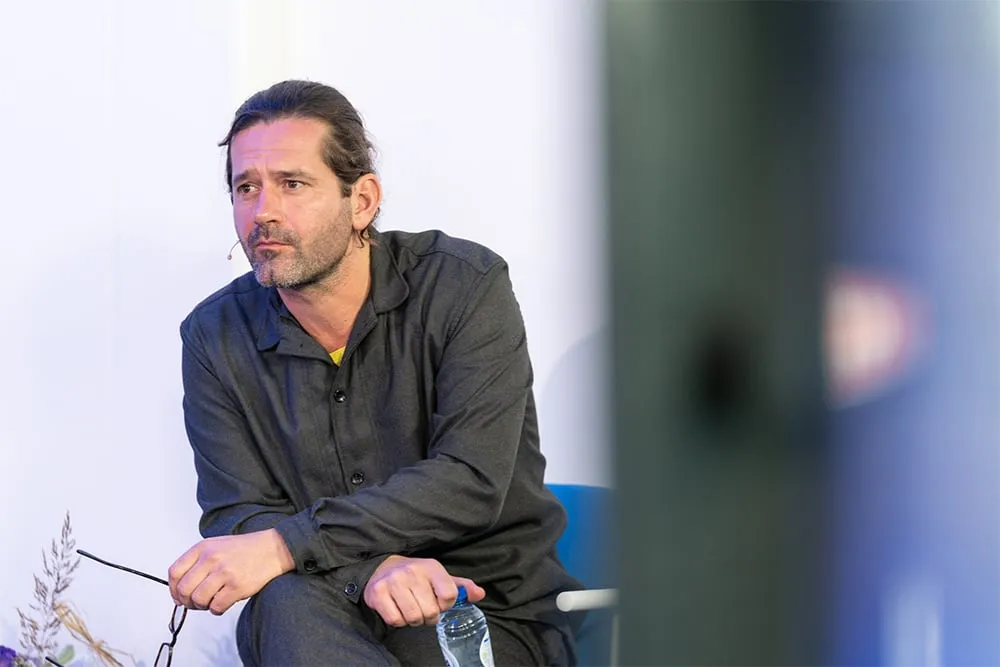
“The climate transition is arguably the worst-told story in human history. The prevailing idea today is that we are all responsible for it, but that we can do little or nothing to change things through our own actions. This needs to be replaced by a new story that inspires people by awakening their sense of wonder at the possibilities offered by an era of transition,” says Stefaan Vandist. He is an author and curator of the Love Tomorrow festival, the largest sustainability event held at the Tomorrowland site.
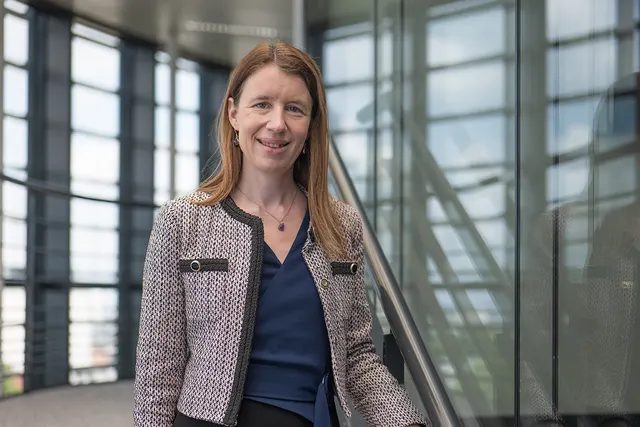
The key question, then, is this: how can a company communicate its sustainability efforts in a credible and inspiring way? Britt Buseyne, a columnist at Trends and the driving force behind the Sustainababbels podcast series, in which she talks to entrepreneurs who put sustainability and social impact at the heart of their work, says: “The power of stories and storytelling is immense. Stories should therefore always be the starting point. You also need to be aware that people make choices based on emotion, and that disasters and risks invariably have a restrictive and demotivating effect.”
Buseyne therefore advocates telling stories that emphasise local impact and show how you can make a difference in the short term. “Language and terminology are essential here. In practice, a lot is still lost because too little is explained about what exactly is meant. We cannot simply assume that everyone is familiar with sustainability concepts. Take car-sharing or sustainable investing, for example. These usually need further explanation.”
Storytelling as a weapon
Mandatory sustainability reporting, introduced by the European Corporate Sustainability Reporting Directive (CSRD), represents a major opportunity. The reporting itself, and particularly the work companies have to put into preparing it, provides a wealth of material for inspiring stories. “Storytellers are entering a golden age. The stories are there for the taking, and the potential for impact is immense. Storytelling is, in fact, the most powerful weapon we have in the fight against climate change,” says Vandist.
“That is precisely why I advocate sharing ideas about sustainability with the outside world as soon as possible. Talking about them takes them out of the meeting room, so to speak. That is still too often where these ideas die. It also means that ideas are developed and tested at a much earlier stage. I call this provotyping, meaning provocative prototyping, an activity at the intersection of innovation and speculative design. If you do it successfully, you can get people thinking and, above all, inspire a sense of wonder about the defining transformation of our time. That is ultimately what we need to make the climate transition succeed, and it is also the starting point for Love Tommorow,” Vandist concludes.
Question about this story? Ask your question
Keep following this
Get an email when a new story is published. No account needed.
- ThemeReaching and connecting with customers
- SubjectEnvironment, energy & waste management