Environment, energy & waste management
Pilot projects prove there is still plenty of potential in food by-products
Text Björn CrulImage ILVO, Port of Antwerp-Bruges
Social and circular hubs are tackling waste and the loss of bio-based resources
One of the challenges facing our economic system is how to avoid waste. In the transition to a circular economy, by-products and materials at the end of their life cycle are processed into new raw materials. Establishing such circular flows is not easy. By supporting social and circular hubs, the Flemish Government aims to give pilot projects every opportunity to build the expertise and experience they need, including in collaboration with businesses.
Everyone agrees on the objective, but putting a circular economy into practice is less straightforward. Closing loops is labour-intensive and often requires specialist expertise. Adapted work companies and other social economy organisations can play an important role. They are therefore closely involved in the 12 hubs for circular and social entrepreneurship recognised by the Flemish Government. Other partners include local authorities, businesses in the mainstream economy, waste intermunicipal associations and knowledge institutions.
Food is one of the sectors where specific efforts are being made to increase circularity. Too much surplus food and other bio-based resources go to waste. Yet they can often still be processed into high-value products, delivering environmental, economic and social benefits. The City of Antwerp has therefore developed a dedicated food strategy aimed at encouraging more responsible food practices, minimising waste and reducing CO2 emissions.
Ferment the bananas or process them further?
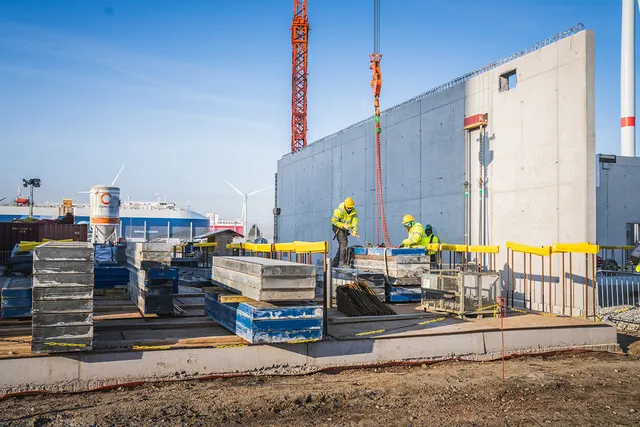
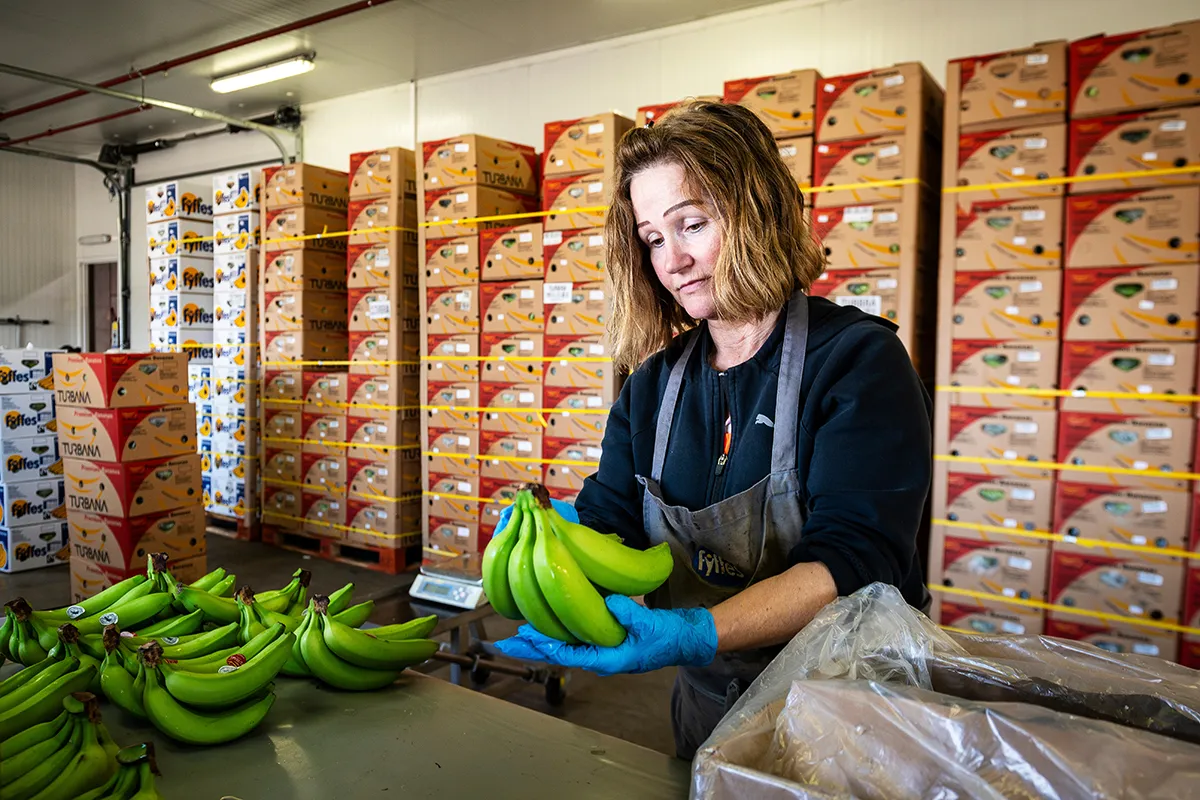
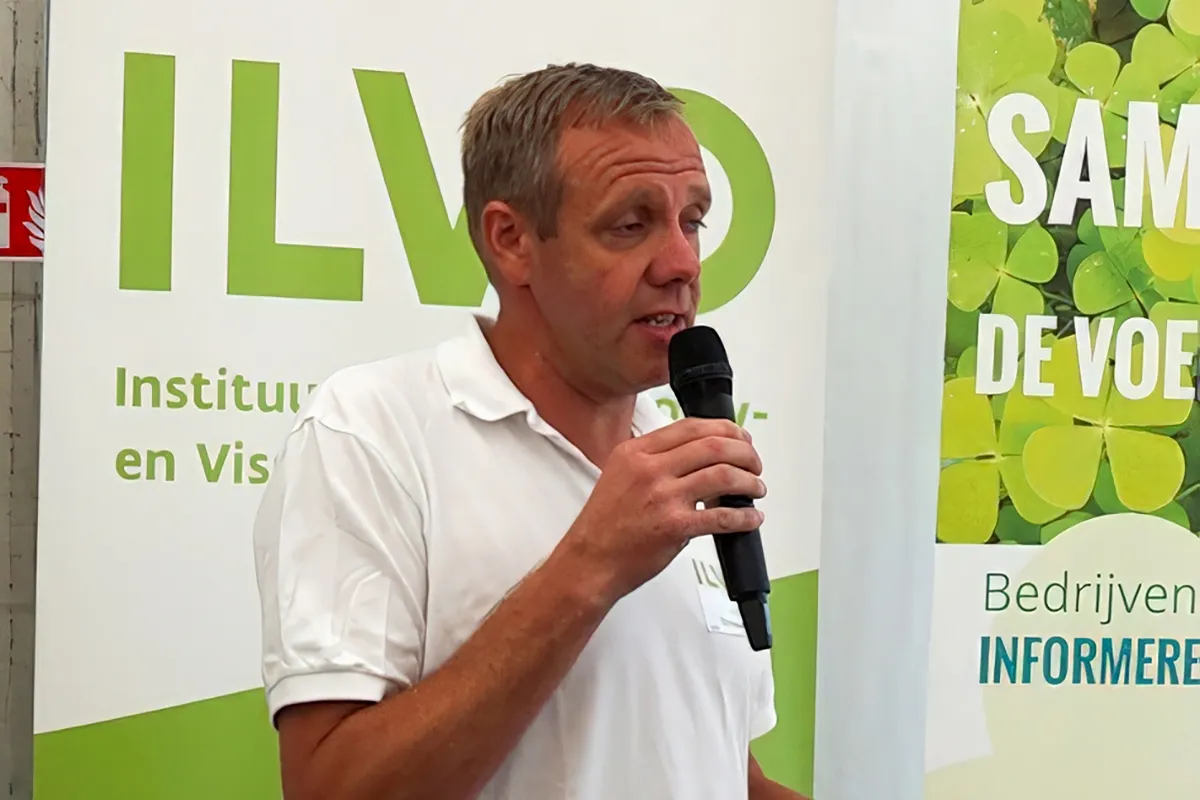
One of the pilot projects focused on food flows in the port. The research centre ILVO was closely involved, alongside adapted work company Stroom. “Antwerp is the world’s largest port for banana imports. On arrival, many bananas are rejected by retailers, even though they are still suitable for consumption,” says Bart Van Droogenbroeck of ILVO’s Technology & Food department. “We always aim to keep such by-products in the food chain for as long as possible. In this case, for example, they could be processed into banana bread or banana purée.”
However, that is easier said than done, as it is more tax-efficient to ferment the by-product stream into bioenergy. “The government introduced an incentive at the time to encourage this application and thereby avoid landfilling or incinerating it as waste. Unfortunately, this means it is not economically viable to turn the bananas into a new food product if tax has to be paid on that use. The pilot project shows that there is still work to be done in this area,” says Van Droogenbroeck.
Producing for the market
Another test project involved a collaboration between ILVO, Colruyt Group and adapted work company Kunnig. “Here we looked at one specific product, namely surplus potatoes that are no longer wanted by consumers, for example because of discolouration, and therefore cannot be sold. Together with Kunnig, we managed to set up a supply chain to turn these potatoes into mash that meets the highest quality standards and has a standard shelf life. This is another good example of how by-products can be upcycled,” says Bart Van Droogenbroeck.
The project was valuable for the adapted work company and yielded several lessons. “The many steps involved in processing this kind of raw material, along with the intensive quality checks, generally make food products based on by-products more expensive. That means you really need to find out what the market needs, who the potential buyer is, and then see whether you can produce it using by-products. That way, you know there is a much better chance of moving to large-scale production,” says Lies Jong, food manager at Kunnig. “Logistics are also a crucial factor: you need to be able to link up with an existing route to collect the by-products. It is not viable to set up new routes and visit individual shops to collect specific items.”
Question about this story? Ask your question
Keep following this
Get an email when a new story is published. No account needed.
- ThemeEnergy security and the circular economy
- SubjectEnvironment, energy & waste management