Environment, energy & waste management
“Circular? Yes. Circular value, even better!”
Text Niels De BoysereImage JUUNOO, circômplex
Flanders aims to lead the circular transition
With the government’s sky-high ambitions in mind, the circular economy is taking on an increasingly clear shape in Flanders. A host of circular initiatives have emerged, and some, such as interior wall specialist JUUNOO, have already won repeated acclaim. But the work is not finished: “People don’t just buy a product because it’s circular …”
“By 2030, Flanders must be a leader in Europe and worldwide in the transition to a circular economy.” With these words, Flemish Minister for the Environment Zuhal Demir underlined her ambition. The transition seems to be gathering pace: more and more circular initiatives are emerging.
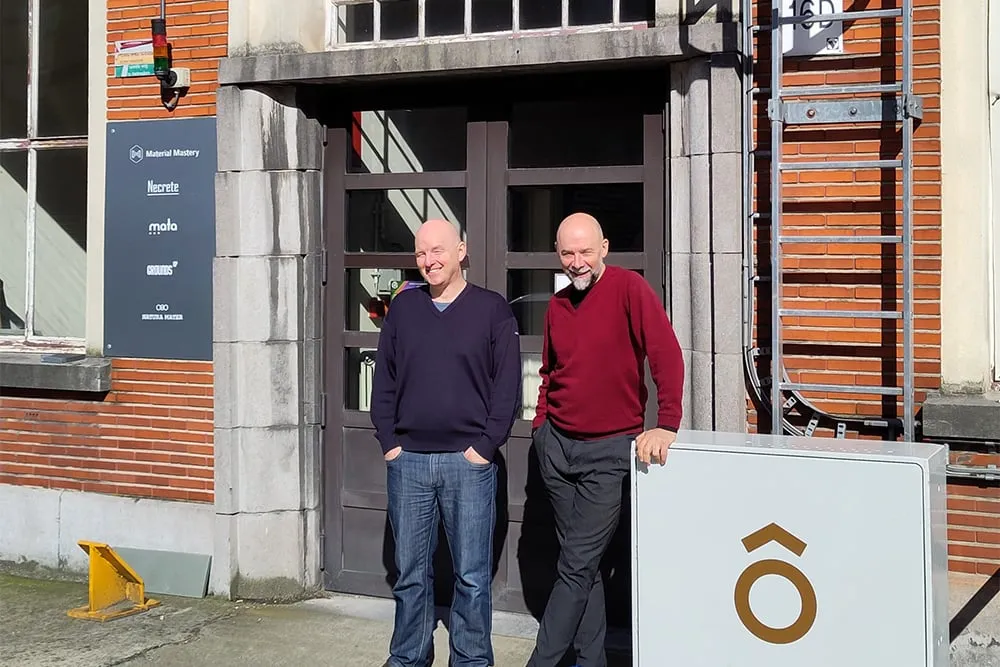
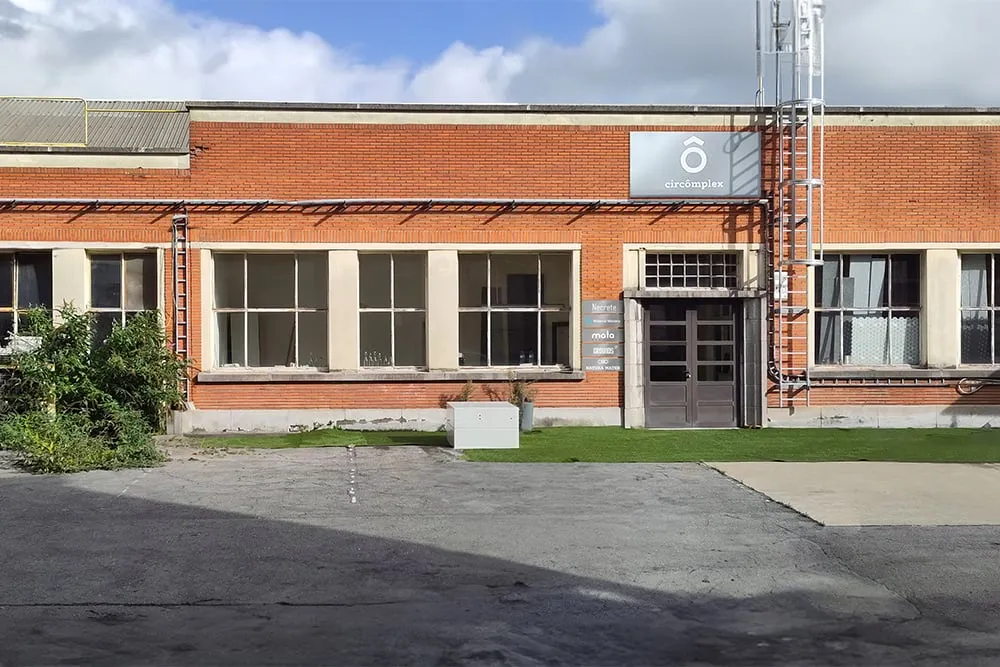
Take Ghent, for example, where the circômplex project brings circular pioneers together under one roof at the former Vynckier site. “Entrepreneurs are keen to get involved,” says initiator Adriaan Debruyne. “For circular entrepreneurs, connecting with like-minded people, gaining access to facilities and receiving support from experienced mentors are often crucial to getting through the first few years. Many want to be part of an ecosystem. As an incubator, we provide that circular hub. The time is right to make it happen …”
JUUNOO racks up the awards
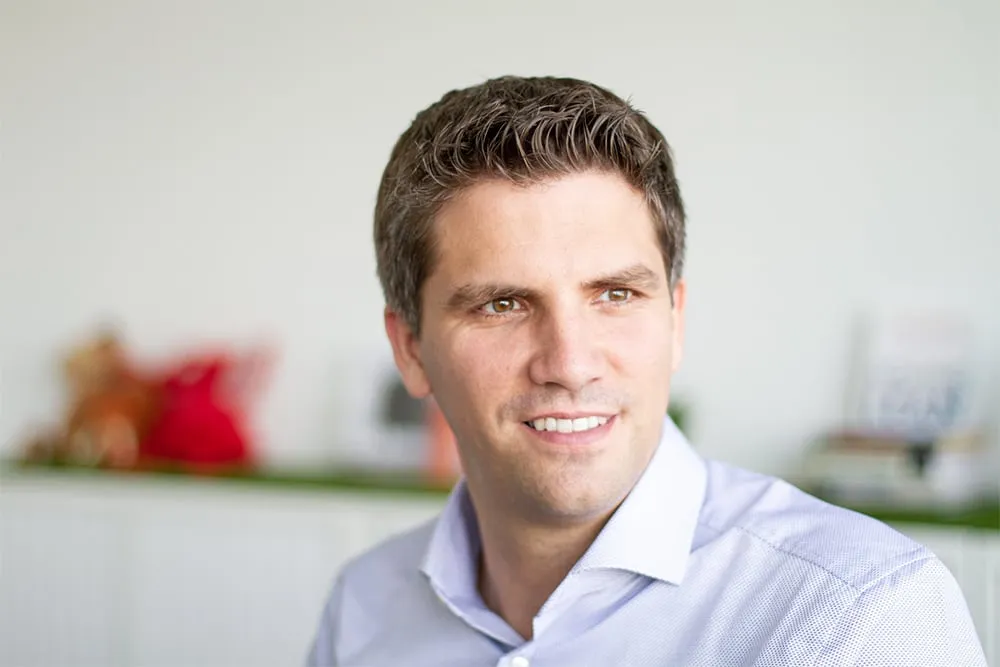
And the timing is certainly right! Zwevegem-based JUUNOO, the company founded by Chris Van de Voorde, is going from strength to strength. For two years running, Deloitte named the interior wall specialist the fastest-growing sustainable company in the Technology Fast 50. This spring, the company also won the Gold Award at the Circular Business Awards, an initiative by VBO, BECI, Voka and Ageas.
JUUNOO is a combination of Juul and Noor, the children of CEO Van de Voorde. He is an engineer with a passion for walls. “When my children understand the climate crisis later in life, I don’t want them to ask me what I did about it. Every year, around €300 billion worth of interior walls end up in landfill worldwide. That is what prompted us to develop our business model.”
Circular value
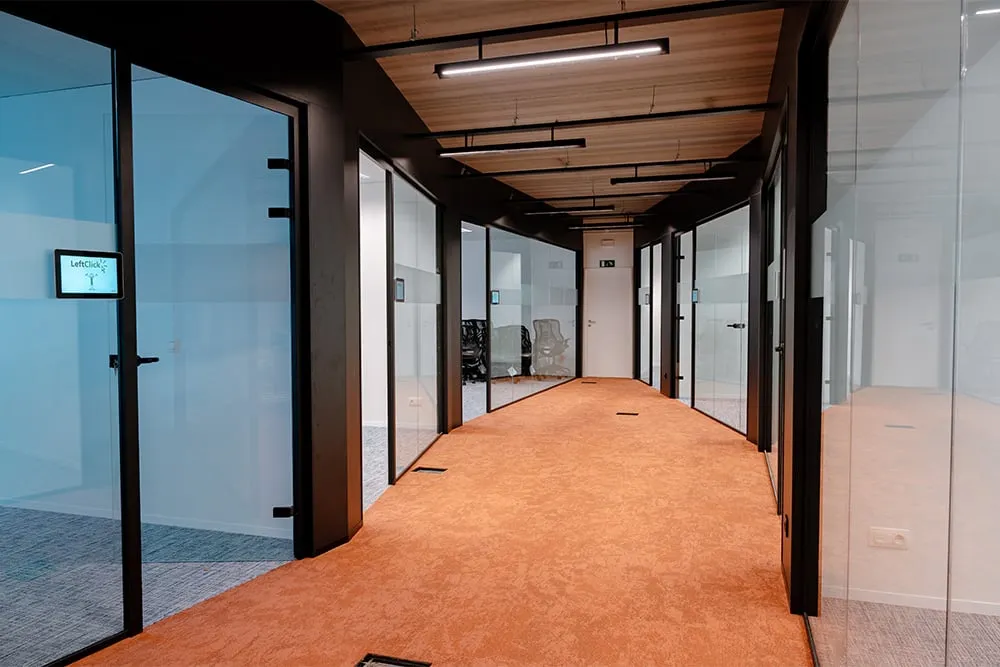
The company makes modular, reusable interior walls and office space kits. “One major advantage is that owners can reuse them themselves each time. The walls are easy to assemble and dismantle. We also buy walls back through a buy-back strategy. This gives the product a second life and makes it circularly valuable.”
Circular value is an important concept for Chris Van de Voorde. “Circularity is about all the products you reuse. Circular value is not just about giving products a new lease of life at the end of their existence, but also about their value, both quantitative and qualitative. These are precisely the products our society needs. People don’t buy a product because it’s circular. They are interested in its quality and value today. But that need not rule out the product’s future potential.”
Without government support
JUUNOO is fuelling its strong growth with external investors. “We deliberately chose the Silicon Valley model for our circular business.” circômplex, too, is working towards a fully self-sustaining business model. “So far, we have been unable to access government support,” says Adriaan Debruyne. “We can see a number of opportunities, but it is still difficult to get off to a flying start. Europe is serious about the Green Deal, though, so its impact on the sectors will only grow.”
Through Material Mastery, Adriaan Debruyne also helps linear businesses move towards circular business models. “There are many differences between a circular start-up and an established linear organisation,” he says. “That small pioneer is highly agile, but also very vulnerable to external influences. Changing direction in a corporate organisation, on the other hand, is difficult because of the many processes, investments and human factors that often act as barriers. That is where we start with small, incremental steps.”
Flanders is already well advanced when it comes to sustainable solutions and is also known for its good product designers. “That doesn’t mean our market isn’t critical, too,” Chris Van de Voorde continues. “We are now fully focused on building our circular business. Let’s go for it. But we should also have the confidence to export our knowledge and expertise. For JUUNOO, for example, the biggest market is in New York. Flanders should consider focusing on a single core innovation instead of spreading our resources too thinly and falling behind. Look at chips and electric batteries, where we missed the boat.”
The circular economy aims to preserve the value of products, components and materials for as long as possible. Businesses make high-quality products that last, can be repaired and, after their first life cycle, can be used again or put to another use, while retaining as much value as possible. At the end of their useful life, the value of the materials is recovered through recycling. This is the polar opposite of the familiar linear economy, in which products and raw materials are discarded at the end of their economic life cycle.
Question about this story? Ask your question
Keep following this
Get an email when a new story is published. No account needed.
- ThemeEnergy security and the circular economy
- SubjectEnvironment, energy & waste management