Environment, energy & waste management
Biogas: a green gas with many uses
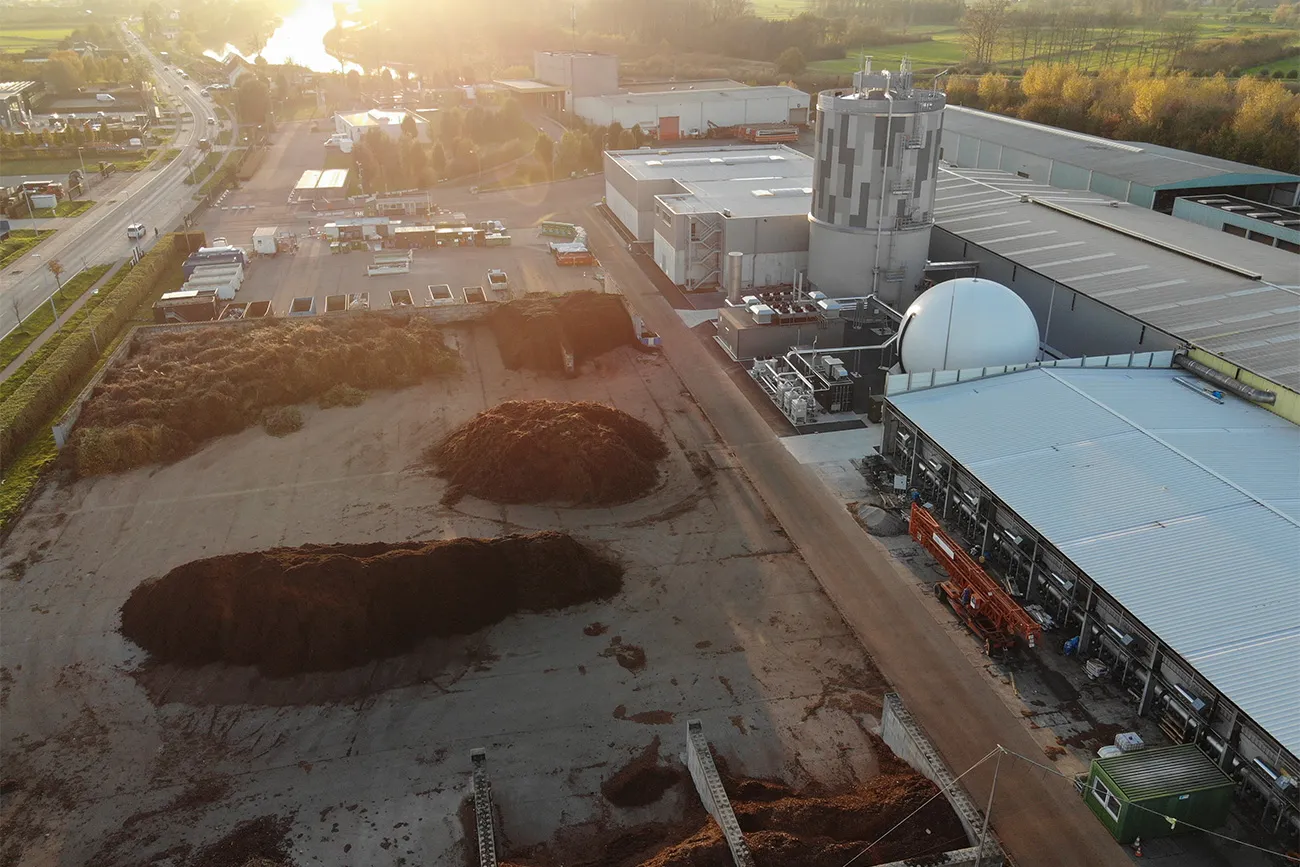
VERKO TURNS ORGANIC WASTE INTO GREEN GAS
Biogas also has a role to play in the energy transition. Verko, the waste management intermunicipal association for the Dendermonde-Wetteren region, produces biogas from organic waste using a new anaerobic digestion plant. The biogas is used as a sustainable energy source. Together with knowledge platform Biogas-E, a partner for anyone interested in anaerobic digestion, Verko explains the process, benefits and future of biogas.
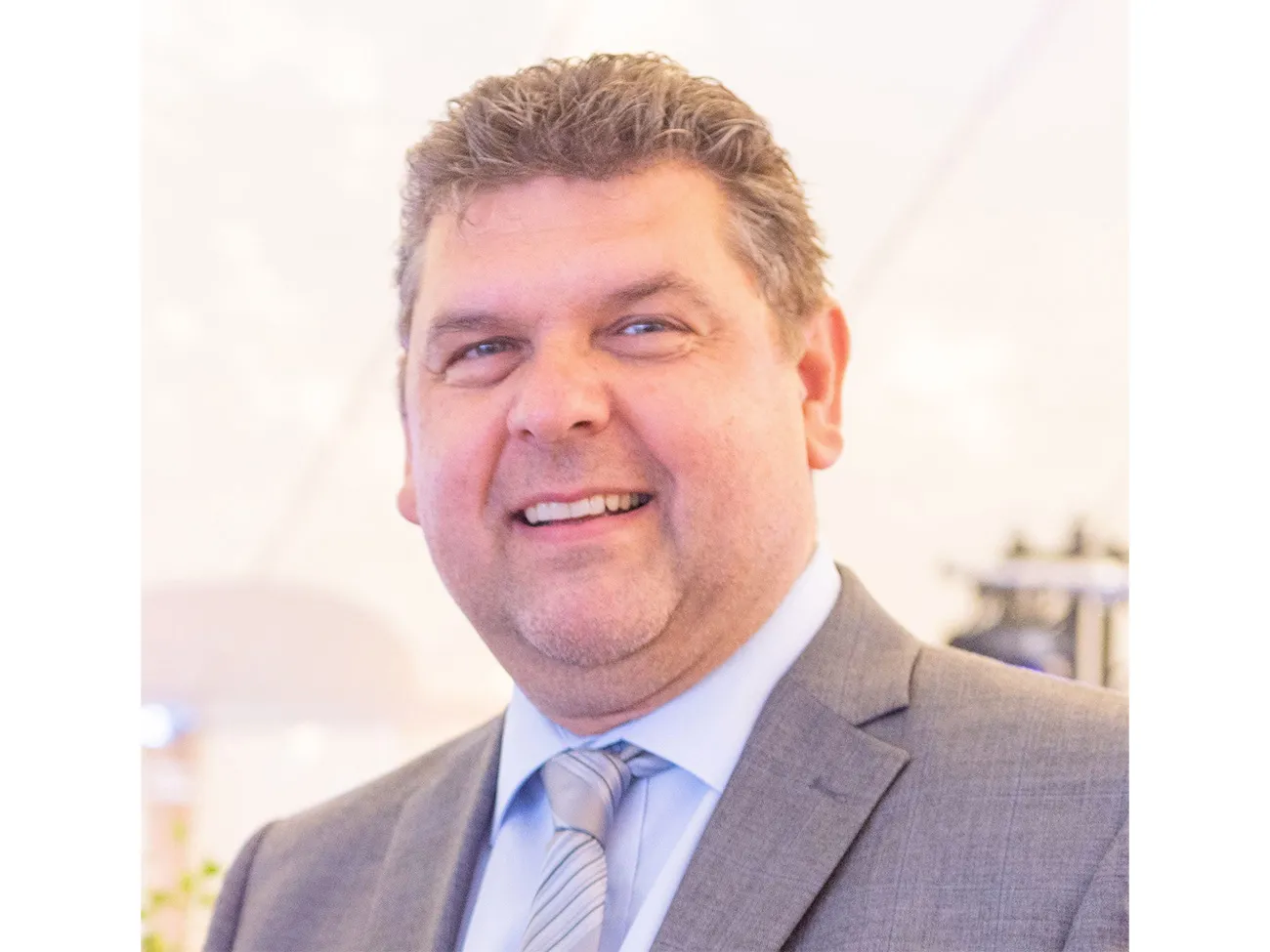
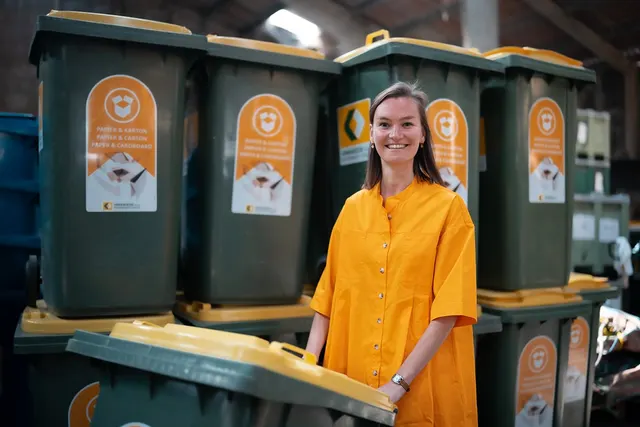
Flanders has around 25 waste management intermunicipal associations responsible for collecting and processing household waste. Verko collects household waste from 90,000 collection points, from Buggenhout to Melle. Residual waste, PMD and paper and cardboard are collected and taken to processing plants, while Verko processes organic waste and garden waste itself. Director Peter De Leeuw says: “Since the 1970s, we have been making compost from organic waste and garden waste at our composting plant. We process 40,000 tonnes of organic waste, producing around 20,000 tonnes of compost. This end product is sold to private individuals, potting soil manufacturers, landscapers and others.”
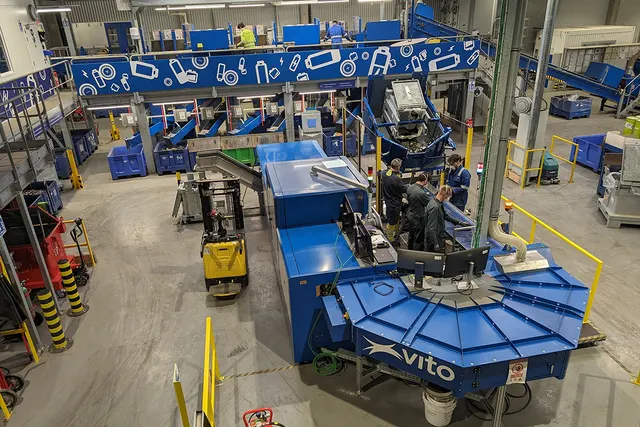
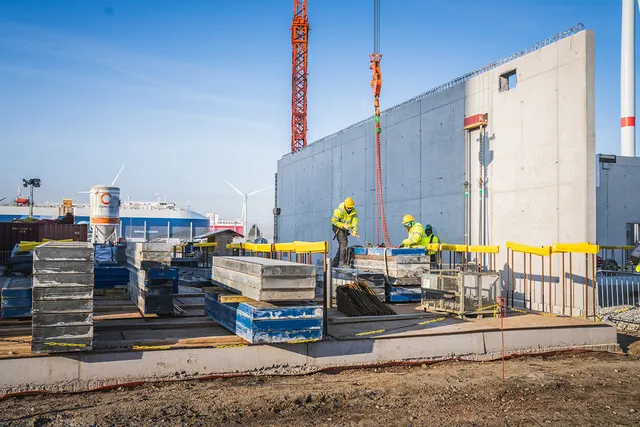
In 2021, Verko embarked on a green energy project. It built an anaerobic digestion plant in a 30-metre-high tower. Since last year, the organic waste collected has been converted into biogas. “We built a pre-digestion plant, which converts the organic waste into digestate. This intermediate product is mixed with green waste before being composted in tunnels. Biogas is a by-product of this anaerobic digestion, a gas produced by the biological breakdown of organic material,” Peter explains.
From biogas to biomethane
The anaerobic digestion plant was a major investment and requires a lot of energy to operate, but that is where biogas comes in. “The green gas is converted into electricity and heat through combined heat and power. We use the electricity for our own needs and feed the surplus into the grid. We use the heat to keep the digester at the right temperature and get the composting process started,” says the Verko director.
Some of the biogas is converted into biomethane, a green substitute for natural gas. “The gas is purified and given the characteristic smell of gas for safety reasons. After a quality check by the network operator, we use the biomethane as fuel for our collection vehicles. Verko has its own filling station for its fleet and those of neighbouring municipalities. Another portion is fed into the public gas network via an injection station. This means we need to buy less fuel and also earn some revenue by supplying the network,” Peter continues.
Harnessing biogas potential
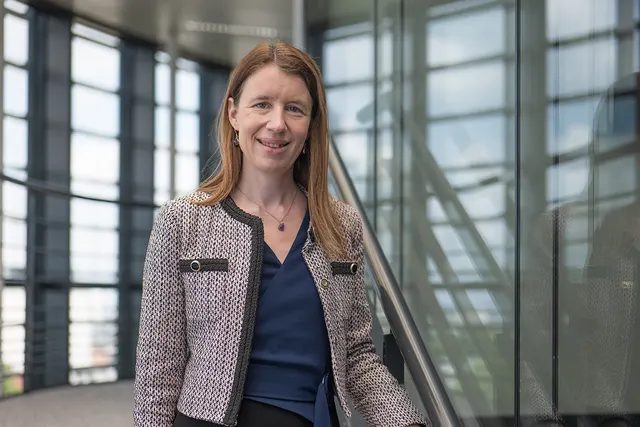
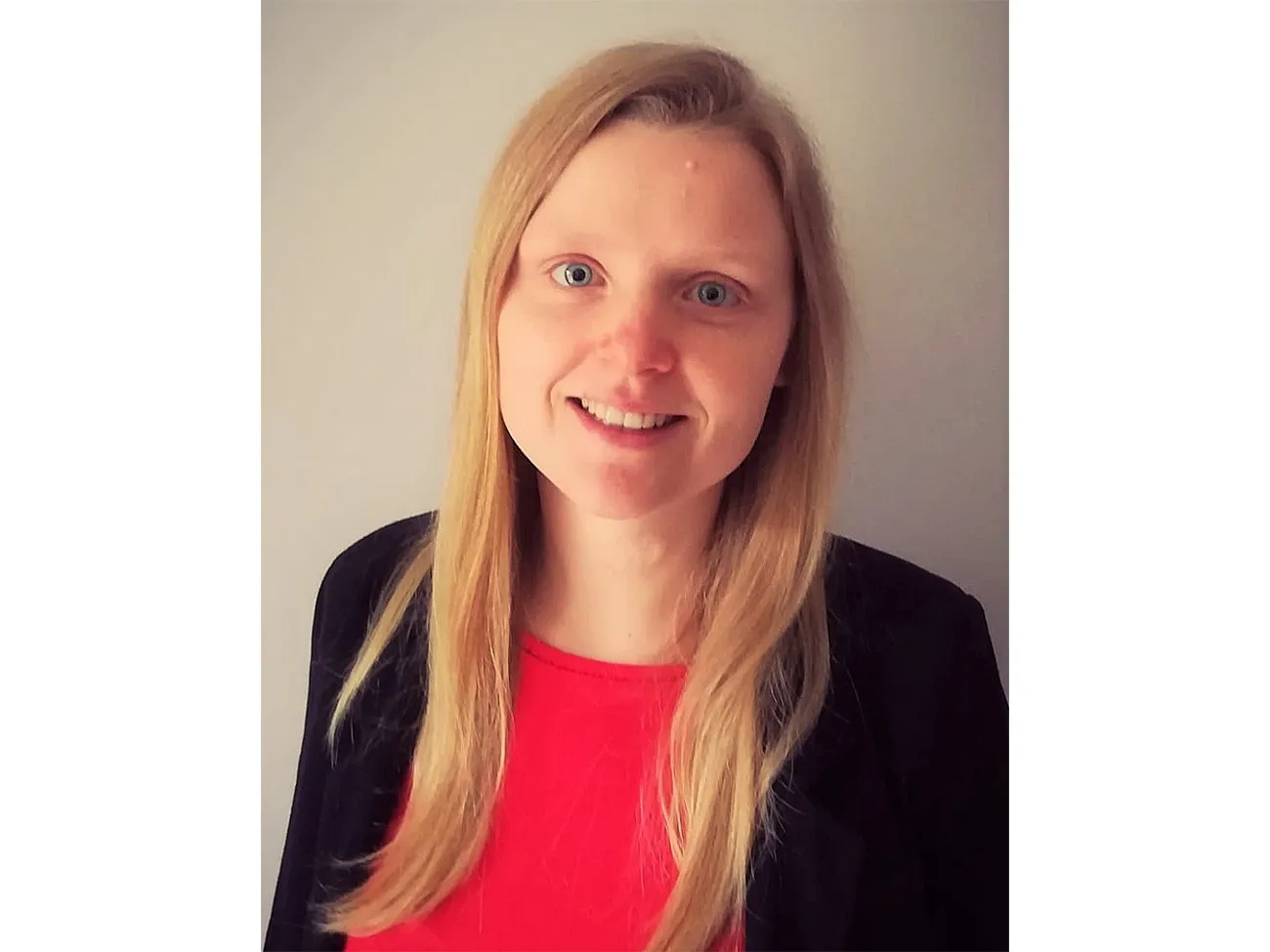
Over the course of 20 years, Biogas-E vzw has grown into the central point of contact for anaerobic digestion in Flanders. “As an independent knowledge platform, we aim to support the development of the Flemish biogas sector. We work in four areas: sharing knowledge through various channels to reach a broad audience; promoting research and development to accelerate innovation; supporting policymaking by acting as a bridge between government and the sector; and serving as a network organisation for our members. We maintain contacts with a wide range of Flemish organisations, as well as their counterparts in Wallonia and across Europe,” explains Biogas-E coordinator Tine Vergote.
Biogas-E supports developments among both large-scale and small-scale biogas producers. It sees significant potential for this sustainable gas. “Various projects are accelerating the uptake of biomethane in Europe and exploring new, cost-effective solutions for biomethane production. We also want to work with Flemish and Turkish partners to improve the profitability of anaerobic digestion plants by making more extensive use of digestate. Through another European project, we aim to share accessible knowledge of nutrient recovery and the circular bioeconomy with the agricultural sector. We are also involved in two Flemish projects: one on farm-scale digestion and post-treatment, and another on the profitability of pocket digestion at chicory farms,” Tine says, citing some examples.
Further optimisation
Verko is also working to further optimise its plant. “Together with the engineers at Dranco, who designed our anaerobic digestion plant, we are working to optimise our process and make it as efficient as possible.” The waste processor must also take climatic conditions into account.
“We had a dry summer, and less grass comes in during the winter, so we need to try a different way of processing it. We are working towards one goal: generating as much gas and electricity ourselves as possible, because energy you generate yourself is energy you do not have to buy,” concludes Peter De Leeuw.
Question about this story? Ask your question
Companies in this story
Keep following this
Get an email when a new story is published. No account needed.
- SubjectEnvironment, energy & waste management
- CompanyDe Leeuw BV