Property market also offers opportunities in 2025
Text Roeland Van Den DriesscheImage Dewaele Vastgoed
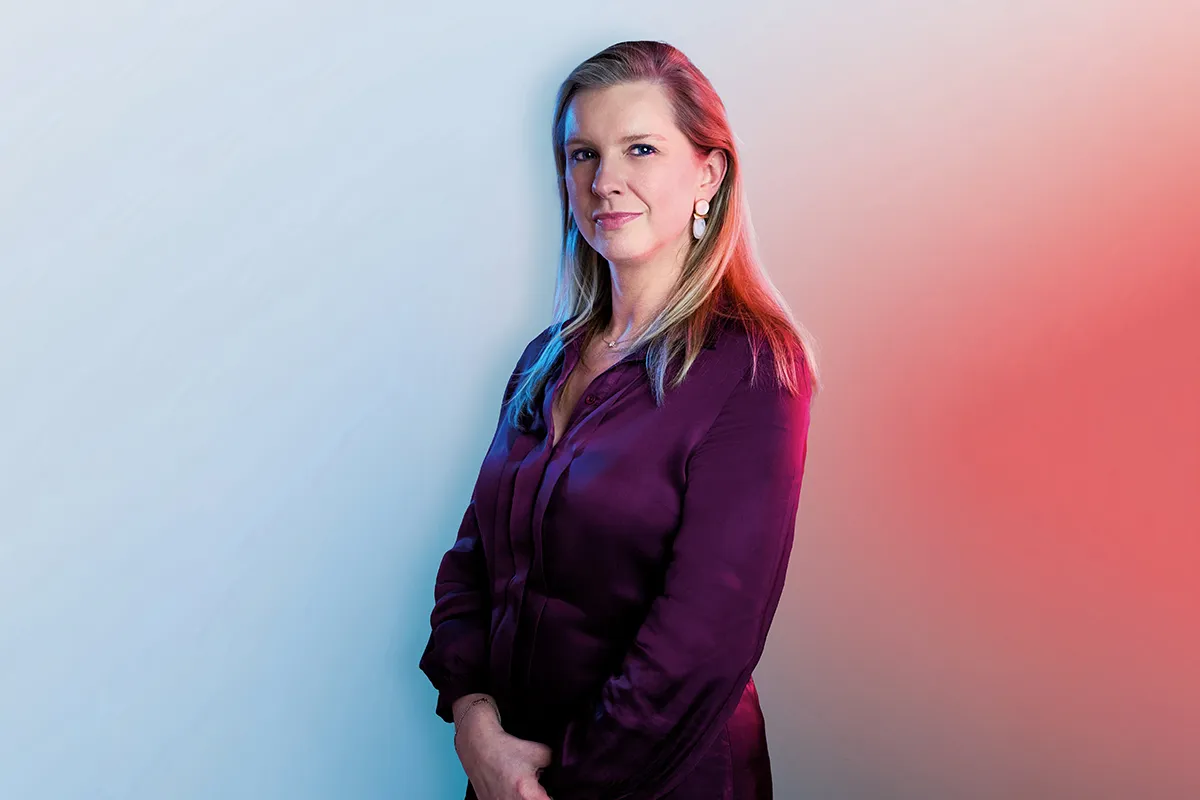
While nobody can predict the future, the major trends of 2024 already give a clear indication of what the property market will look like in 2025. Industrial properties remain in high demand, while the retail sector is struggling with vacant premises. At the same time, the office market is showing signs of recovery, albeit with certain conditions. “Anyone looking to invest in or expand their property portfolio today needs to know exactly what they are getting into,” says Siska Dejonghe of Dewaele Vastgoed.
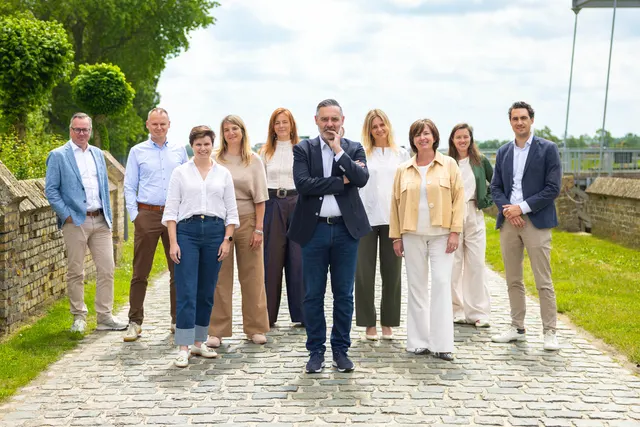
As Belgium’s largest independent estate agent, Dewaele has a clear view of what has been happening in the property market over the past year. Its experts provide daily strategic advice to entrepreneurs, investors and businesses, from market analyses to legal and financial guidance. “The market is constantly changing, and 2024 was no exception. Each sector has its own dynamics, of course, and anyone looking to make a smart property decision today needs to look beyond the figures alone,” says Siska Dejonghe.
Two sides to the market
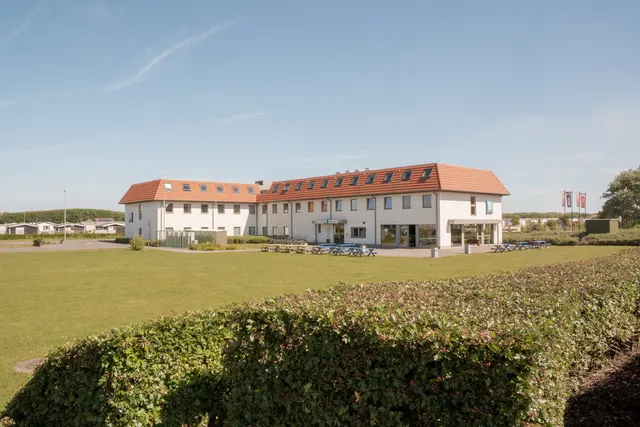
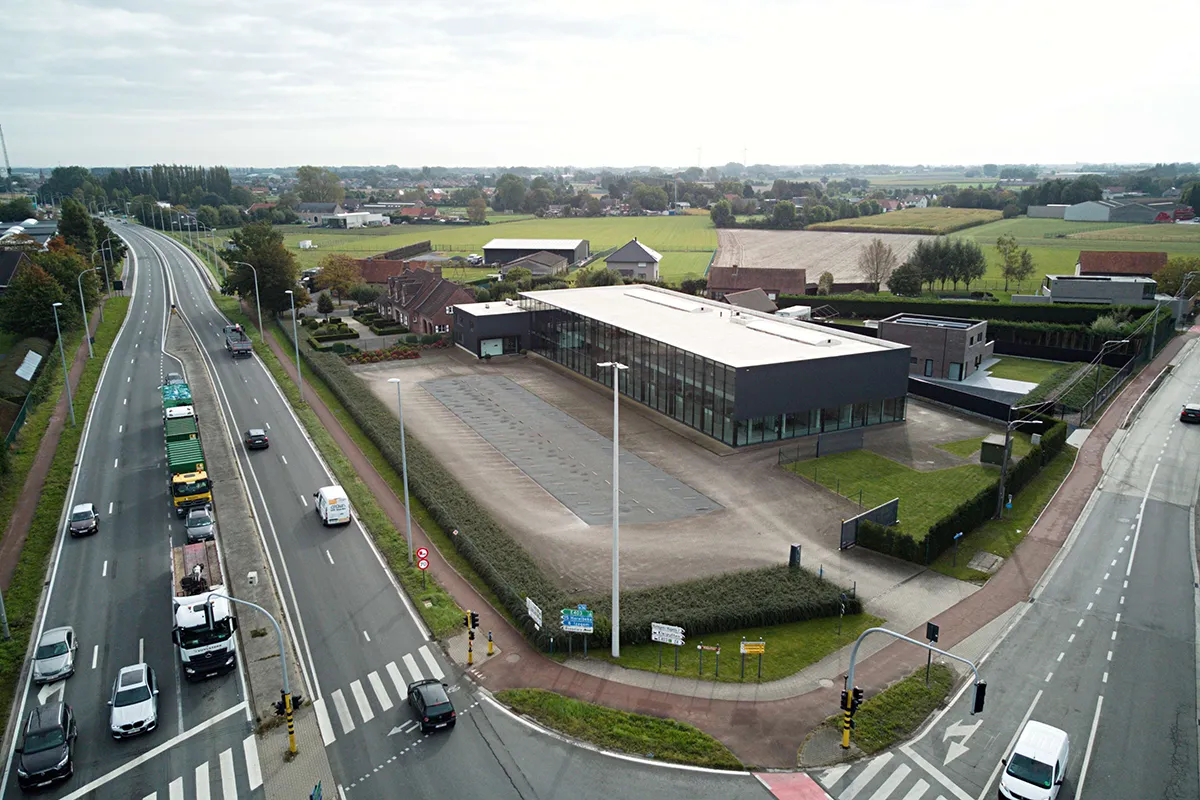
In the industrial and logistics property segment, the trend of recent years continued unabated last year: demand remains high, but supply is lagging behind. “Prices have risen sharply since the pandemic, and the shortage of building land means that trend is set to continue, even though construction costs are stabilising and are gradually starting to fall,” says Siska Dejonghe. So far, however, this trend has not translated into lower sale prices. “On the contrary, well-located, versatile properties are still selling quickly. We expect this trend to continue. Desirable properties, if priced correctly, will soon find a new owner.”
While industrial properties are selling quickly, things are much tougher in the retail sector. “Vacancy rates in smaller town centres continue to rise. Many shops are disappearing from the high street, while major brands are increasingly concentrating on prime locations,” adds Ivan Bouckaert. Older retail properties in particular are proving difficult to sell. “Major brands, the well-known chains, would rather not be associated with a building that is unsustainable and needs renovation. A property’s appearance matters just as much as its location.”
Knowledge is power
Dewaele has nevertheless picked up a number of positive signals. “Cities are increasingly focusing on revitalising their centres, and those efforts are gradually starting to pay off. What’s more, a retail property in a prime location remains an interesting investment, with an average return of between 4 and 5%,” Siska continues. The option of letting properties subject to VAT makes the proposition even more attractive, as owners may be able to reclaim VAT in certain cases. “That said, the rules change quickly. Anyone looking to invest today would be well advised to seek advice first.”
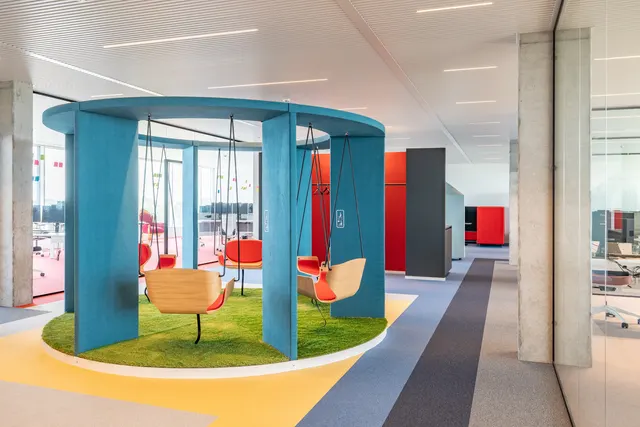
That advice is valuable not only for investors, but also for entrepreneurs looking to expand their business and, for example, find new office space. “We saw demand for office space rise again last year, although companies’ expectations have clearly changed,” says Siska. Whereas accessibility used to be one of the most important factors, companies are now also looking for offices that can be configured flexibly, encourage social interaction and support hybrid working. “Demand for spaces like these will only increase, because a well-designed office can really make the difference in the war for talent.”
Despite all the economic challenges, Dewaele remains optimistic. “But one thing is certain: these are challenging times, and anyone looking to invest or planning to expand needs to make the right choices. Our expertise can be decisive,” concludes Siska Dejonghe.
Een zakelijke vraag aan Dewaele? Get in touch
Companies in this story
Keep following this
Get an email when a new story is published. No account needed.
- SubjectServices
- CompanyDewaele