Expert Peter Callant warns SMEs about emerging risks

Most SMEs assume they are adequately insured and that everything is taken care of by policies that renew automatically each year. But the insurance sector is changing too. A number of trends and developments mean SMEs need to review their insurance portfolios. Rising cyber risks and falling returns on group insurance call for more active management of the insurance portfolio.
In 30 years, insurance broker Callant has grown into one of the largest brokers in the country. With 130 employees in offices in Oostkamp, Antwerpen and Geel, the company generates around €130 million in premium income. “We operate in all sectors, with a strong focus on SMEs,” explains Peter Callant. “Over the years, we have built a leading position in several niche sectors, including fisheries, transport, construction, property management, mobility and newly qualified doctors. We also advise business leaders on financial matters and employee benefits.”
The broker sees cyber security as a major challenge for SMEs. “Not a week goes by without us hearing about a new claim, large or small. What stands out is how closely cyber incidents resemble fire damage. There is not only the cost of rebuilding, but above all the consequential loss following a fire, which can prevent a business from operating at full capacity for a period of time.”
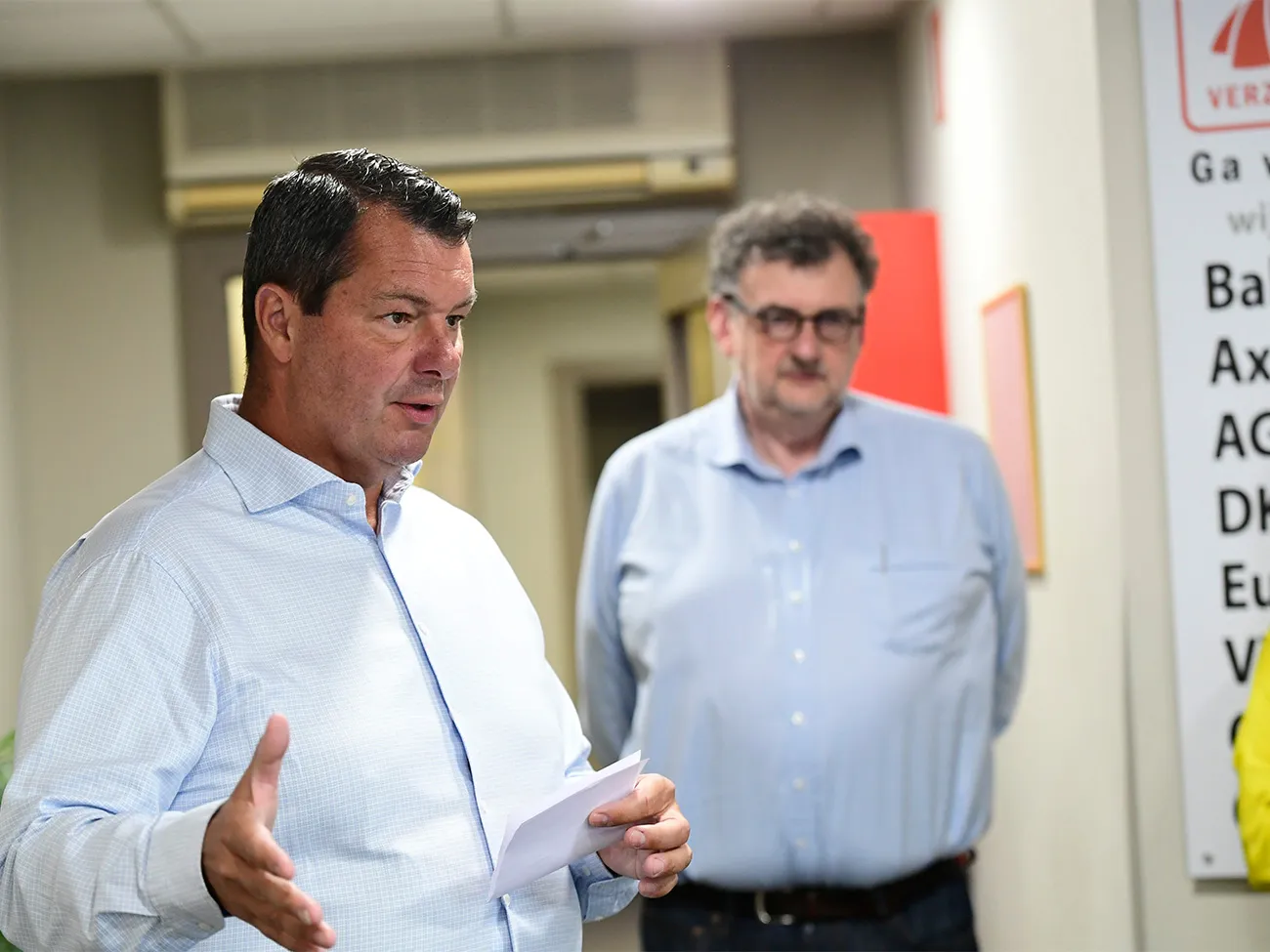
A ‘digital fire’
According to Callant, the risks of a cyber attack are similar, but the damage can be even greater. “If a company becomes inaccessible because of a cyber attack, if its data is held hostage by ransomware or if critical machinery is shut down, it will have little or no income. Customers will have to buy their goods or services elsewhere, and the company risks losing market share. A single incident can suddenly make the future look very bleak,” says the CEO.
To highlight the risks and costs associated with cyber crime, Callant coined the term ‘digital fire’ some time ago. “We need to raise awareness among SMEs even further and make business leaders more conscious of the dangers. The question is not if, but when a company will be hit. The number of attacks rises year on year, and the risk of an incident is real,” says Peter Callant.
The insurance sector is responding with specialist cyber insurance. “These policies require thorough analysis. All too often, the claims files we handle show that the risks have been inadequately or incorrectly assessed. So make sure your business gets proper advice. We have invested in a product manager who specialises in cyber and can develop tailored insurance policies for SMEs.”
Rising costs of group insurance
A second major trend concerns group insurance, the supplementary pension insurance that forms part of the remuneration package at many companies. In the past, almost all group insurance policies were invested in Branch 21 products because of their stable returns. But this approach now threatens to leave employers with a hefty bill.
Peter Callant: “With interest rates remaining low, we have seen insurance companies gradually reduce the returns on these Branch 21 group insurance policies. However, the government requires employers to guarantee their employees an annual return of 1.75%. Employers now have to make additional contributions on top of the group insurance to meet that requirement.”
Callant works with his clients to find solutions that can deliver the guaranteed interest rate, or more, over the longer term. “Last year, we opted decisively for Branch 23 as an alternative, an investment formula offering attractive returns within a clearly defined plan. Since no structurally higher interest rates are expected in Europe, employers have few other options. We will help them tackle this issue and expect many to switch to Branch 23,” concludes Peter Callant.
Question about this story? Ask your question
Keep following this
Get an email when a new story is published. No account needed.
- SubjectServices