Business park space in South-East Flanders is running out, but SOLVA has solutions
Text Björn CrulImage SOLVA
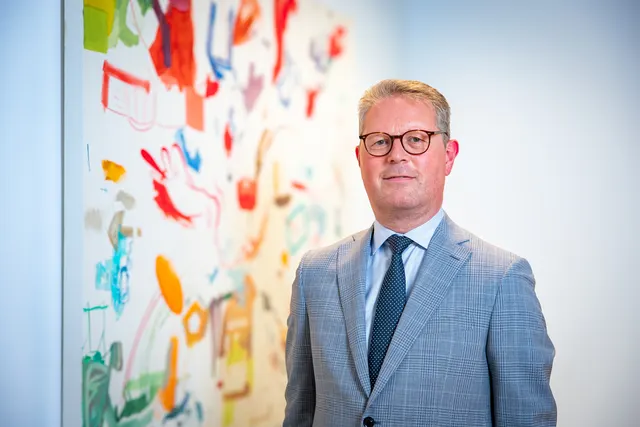
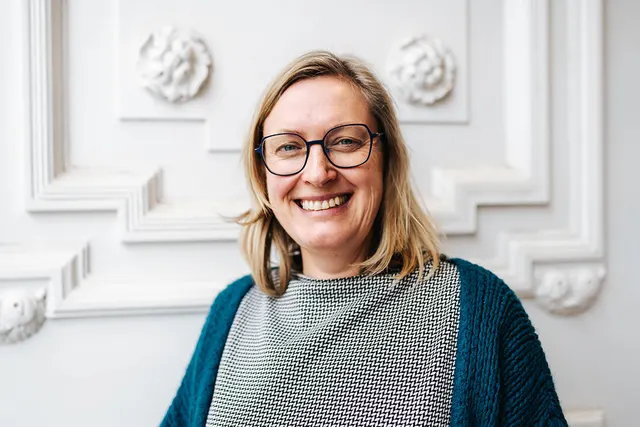
As in many other regions, demand for space to do business in South-East Flanders continues to outstrip supply. The intermunicipal association SOLVA coordinates the development of business parks in the region and is working hard to plan for the future. “As the supply allocated by the Flemish Government in its spatial structure plans is gradually running out, we are looking for alternatives that offer SMEs solutions outside the traditional industrial zones,” say Bart Wallays and Marie-Julie Loy.
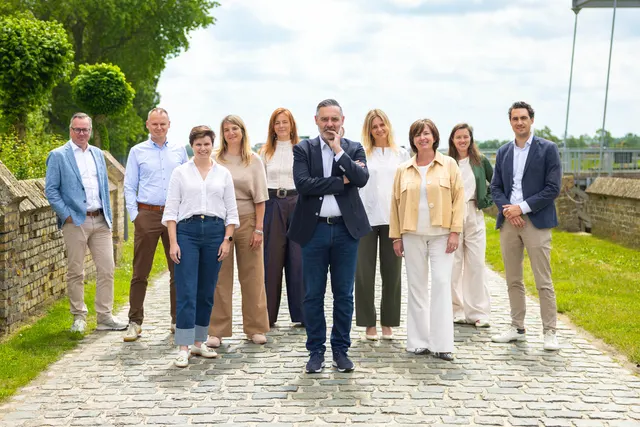
SOLVA was founded in 1962 with the mission of developing business parks. 21 cities and municipalities in South-East Flanders are members of the organisation. “Today, our 80 employees provide a much broader range of services to cities and municipalities,” says managing director Bart Wallays. “That can still include spatial planning and the development of business space, but also services related to mobility, public infrastructure, climate and energy, for example.”
Even though some sectors of the economy are struggling, demand for space to do business remains high. “We are at a turning point: we are now working on the last generation of business parks provided for in the regional plans of the 1970s. We know that in about 10 years, all the designated sites for industrial or craft zones in the Flemish Ardennes and the Dender region will have been developed,” says Wallays.
Projects in the pipeline
SOLVA currently has several projects in the pipeline for businesses looking for a new location in the region in the coming years. Marie-Julie Loy says: “The expansion of the Pont West industrial zone in Ronse is under way. The second of the three phases is currently on the market. There are also a few plots still available in Brakel and Ninove. We are also preparing new business parks in Geraardsbergen, Oudenaarde and Oosterzele. So there is still space available.”
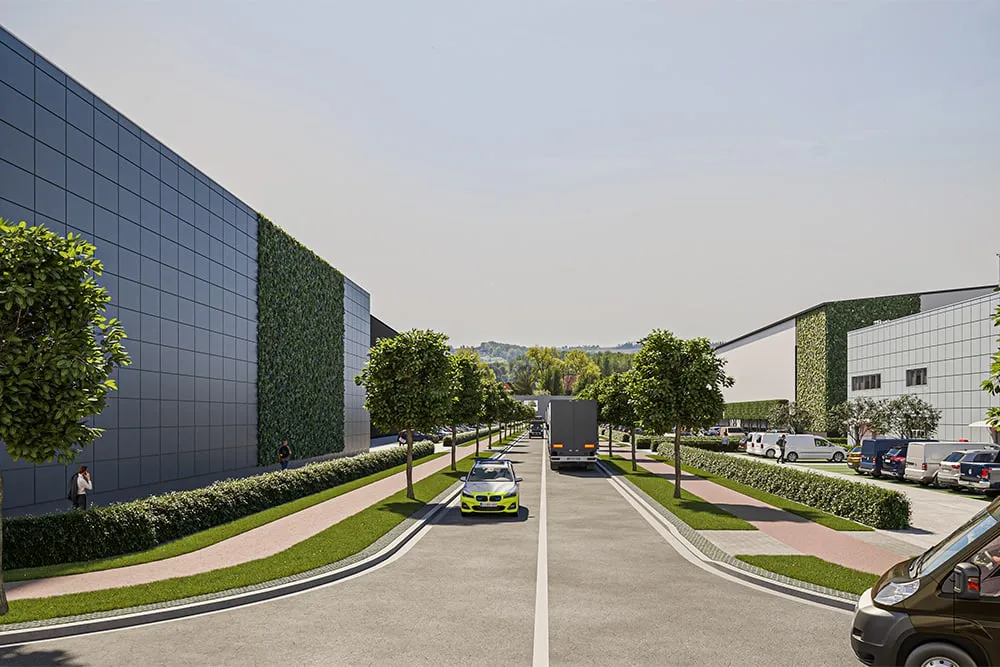
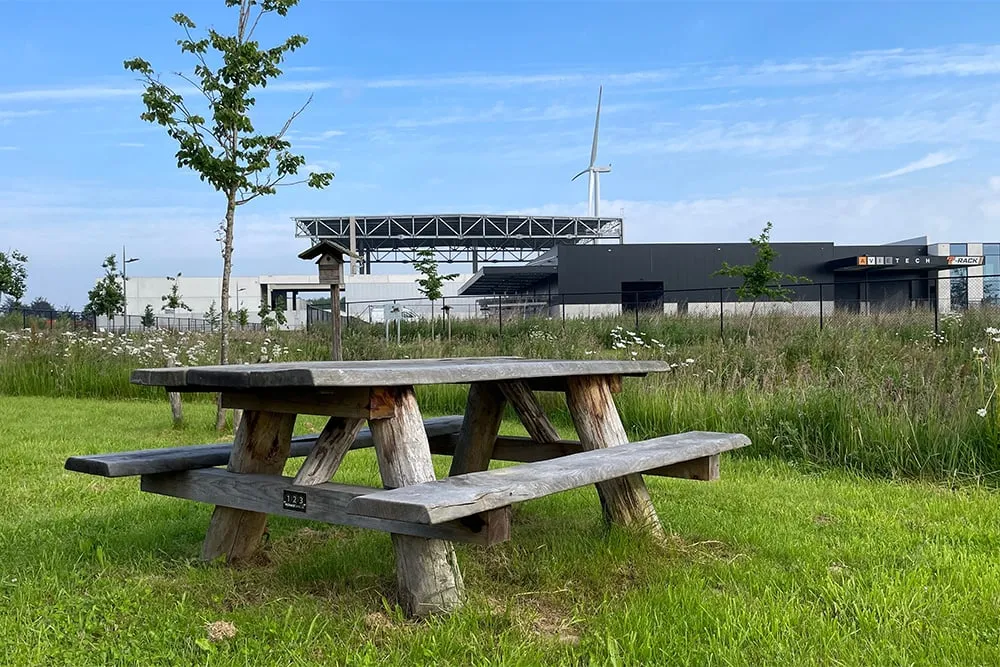
But the way industrial zones are laid out has changed considerably in recent decades. Bart says: “At the first-generation business parks in Erpe-Mere and Aalst, the land was divided up in a straightforward way, with no buffer zones or much attention to landscaping. Over the years, much more attention has been paid to the layout of these zones and how they fit into their surroundings. Businesses are now asking for this themselves: more green space helps enhance their image among customers and current and prospective employees.”
Making efficient use of space
Plots on business parks are also allocated following a stricter selection process. “We look at what activities the business plans to carry out, how sustainable it is and whether it will use space efficiently, for example by building upwards. Once plots have been allocated, we continue to manage the business parks,” says Marie-Julie. “We take care of green-space management, have a park manager and fulfil a kind of property-management role. Businesses in all our zones have a share in the communal areas, including buffer zones, green spaces and shared car parks. This joint ownership encourages them to take good care of the surroundings and to keep a critical eye on maintenance.”
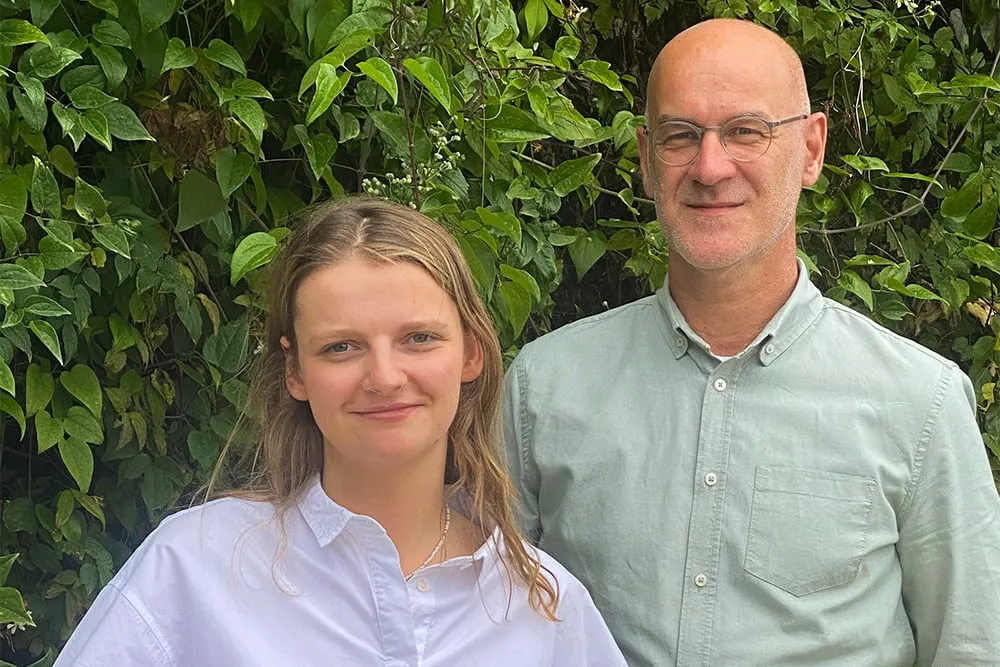
SOLVA sees a number of ways to continue providing space for businesses in the future. As a business-mixing coach, Marie-Julie Loy also looks for space within existing town centres. “Not every business needs to be located on a business park. Some activities are compatible with housing or retail, such as start-ups, service companies or craft businesses with a small workshop or warehouse. We work with the local authority and neighbours to find suitable locations. This kind of densification helps tackle vacancy and also offers prospects for strengthening the retail and hospitality fabric.”
Multi-tenant business buildings on the way
Businesses with a specific requirement can submit it via the SOLVA website at any time. The team then looks for a suitable solution. “We have very little space left for very large companies looking to build new factories. The Flemish Government will have to come up with solutions for them,” says Bart Wallays. “We also actively manage our business parks. Everything at Ninove-Noord had been sold, for example, but recently we bought back several plots because, due to changing economic circumstances, the businesses no longer needed a new site.”
“And in the coming years, we also want to invest in multi-tenant business buildings,” adds Marie-Julie. “We are receiving more and more enquiries from smaller businesses looking for a limited amount of space that we cannot accommodate in a town centre, because they cause noise or odour nuisance, for example. We therefore want to develop a building in each of four municipalities, with SME units and offices and meeting facilities above them. The first project has got under way in Zottegem, where the first businesses should be able to move in by 2026.”
A business question for SOLVA Intercommunale? Get in touch
Companies in this story
Keep following this
Get an email when a new story is published. No account needed.
- ThemeBuilding and using business premises
- SubjectServices
- CompanySOLVA Intercommunale