Flanders’ machine stock: ready for a data-driven future?
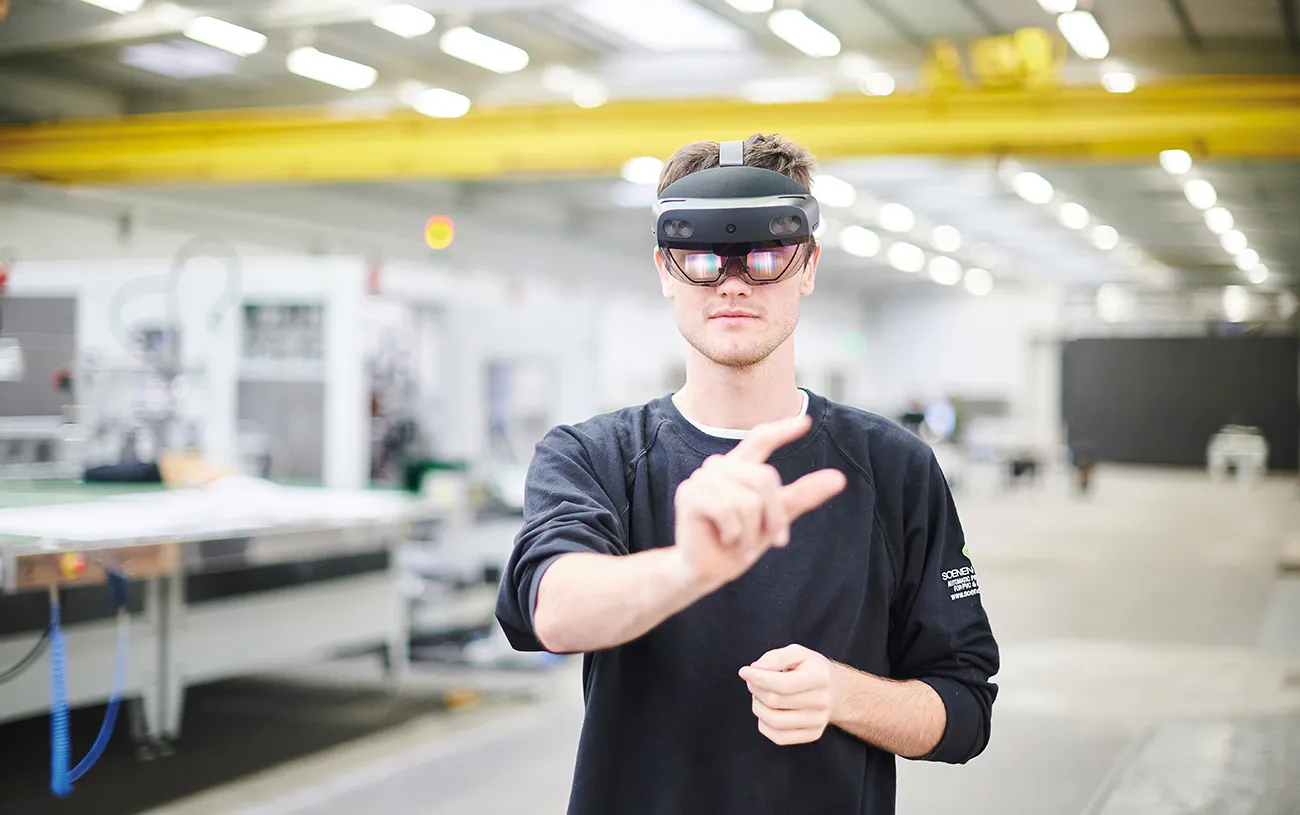
Machine builders have traditionally designed their installations to have a long service life. But the rapid pace of technological progress has a significant downside to such longevity. A machine built in 2000 to last at least 25 years, for example, is not equipped with the latest technology today. That is why efforts are being made to bring the existing machine stock into the Industry 4.0 fold. This has far-reaching implications for how our machine stock is organised.
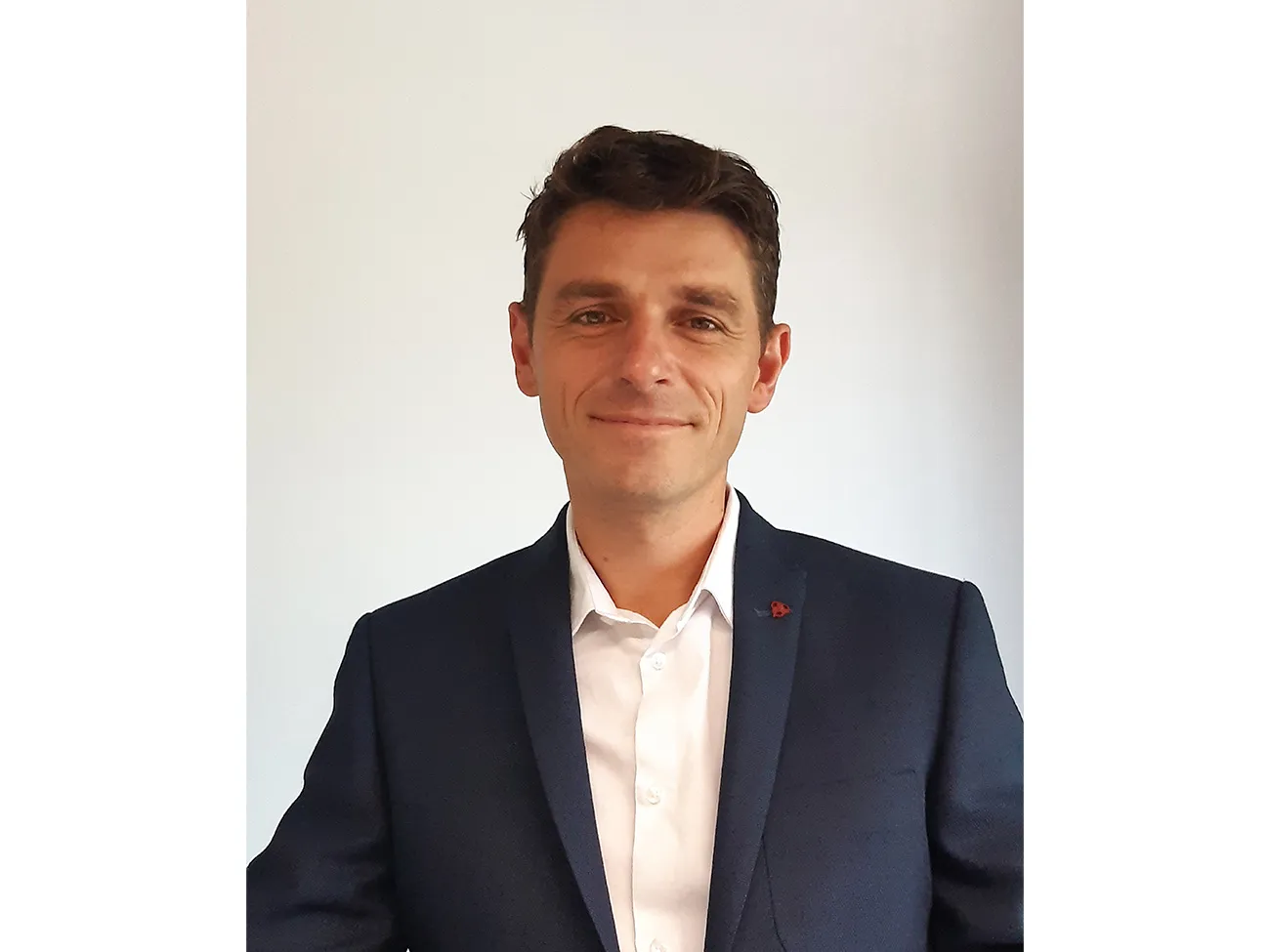
Ask a child to draw a factory and you are almost certain to get a picture featuring impressive machines. In other words, machine building captures the imagination, and with good reason. “Machine building is particularly interesting for an export-driven country like Belgium. Better machines improve the quality of export products. It is also an important driver of innovation and technological renewal, making a significant contribution to prosperity in our country,” explains Bart Van Quickelberghe. He is managing director of Automotion, a specialist firm that develops and supplies hardware and software solutions for machine builders and system integrators as Schneider Electric’s Motion Competence Center.
A heterogeneous machine stock
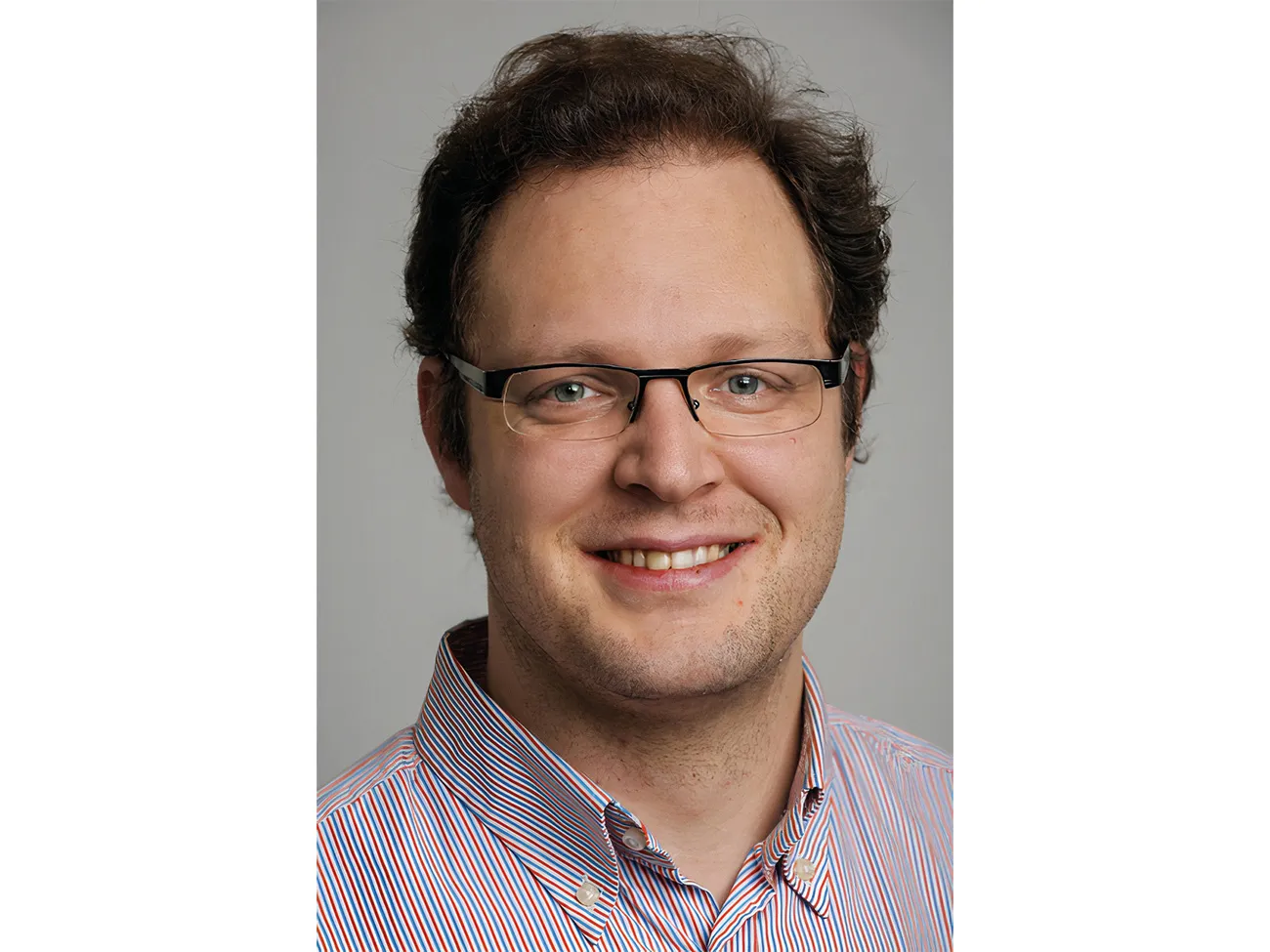
Although its importance is clear, it is becoming increasingly difficult to give a clear picture of what the machine stock in our country looks like today. “Flanders’ machine stock is highly heterogeneous, despite the region’s traditional strength in machine production. That is precisely why it is crucial to focus now on upgrading existing machines. This is the only way they can make the transition to Industry 4.0 and the data-driven economy,” says Prof. Hans Hallez (KU Leuven), who heads the ‘Machine Upgrading 4.0’ living lab. It is part of VLAIO’s broader Flemish Industry 4.0 strategy, which focuses on bringing the ageing machine stock up to date.
Flanders is playing a pioneering role in this transition. “Flanders is performing above average when it comes to digitising its machine stock. A study by Flanders Make, one of the living lab’s partners alongside KU Leuven and UGent, shows that 45 per cent of companies are machine-industry-ready. That puts us in the European top five,” says Hallez. “Many of our customers can make a living as exporters, which is a clear indicator of quality,” adds Van Quickelberghe.
Awareness
Despite this strong starting position, it is important to keep this issue firmly in the spotlight. “We have been active in our neighbouring countries for a number of years now, and I sense a more dynamic approach there to everything related to Industry 4.0 and machinery,” says Van Quickelberghe. “That is why it is important that we continue to invest heavily in this area here, or we risk missing the boat.”
VLAIO echoes this view. “The heterogeneous nature of the machine stock is not in itself a major problem, but over time it does risk causing significant efficiency losses, making it very difficult to align production processes,” says Hallez. “The growing skills gap between operators and upgraded machines could also cause problems in the longer term. Programmers working with punch cards are no use to us today. That is why we need to keep raising awareness of this growing divide.”
Subcontracting
VLAIO is therefore focusing in particular on so-called retrofit kits. These enable ageing machines to incorporate new technology into their operations and generate the data needed. Machine builders and operators can then use this data, for example, for predictive maintenance. It will make it possible to predict when maintenance or a possible replacement is due, allowing them to plan ahead. “Offering a toolset and software that can capture, analyse and process data opens up all kinds of opportunities and applications,” explains Van Quickelberghe.
This will also bring further changes in the way the relationship between machine builder and operator is structured in the coming years. “Retrofit kits effectively introduce a third party alongside the machine builder and the user,” explains Hallez. In practice, this shift will lead to the involvement of more small, specialist companies. “A greater degree of subcontracting is indeed inevitable in the long term. Today, this is largely done on a project basis, but I expect it to become increasingly mainstream.”
Automotion, itself a small specialist partner for machine builders and integrators, is seeing the same trend. “Our position as a local point of contact and centre of expertise, working with a global player like Schneider Electric, was created precisely to meet this growing demand. Partnerships are indeed experiencing a clear growth spurt,” says Van Quickelberghe.
Machine as a service
The big question in this balancing act is, of course, what will the machine stock of the future look like? “If we can usher machines into the new era and create an ecosystem of interconnectivity, the potential is enormous,” explains Hallez. “I am convinced that this evolution still needs to gather pace,” Bart Van Quickelberghe adds.
Driven by a growing group of system integrators, machine builders and specialist companies, this acceleration will ultimately transform the way we think about machines. “As the focus shifts to the output rather than the machine itself, the emphasis will move from supplying a working machine to delivering a service. In practice, machines will therefore be rented or leased. We are already seeing this today, but it is not yet the norm. The most innovative machine builders are already thinking along these lines,” concludes Van Quickelberghe.
Question about this story? Ask your question
Keep following this
Get an email when a new story is published. No account needed.
- ThemeDigital business and automation
- SubjectIndustry