Professional governance at Camino Group and Daddy Kate lays the foundation for a successful family succession
Text Björn CrulImage Camino Group, Daddy Kate
Governing a family business becomes more complex once several generations are active and different roles begin to overlap. Family members are shareholder, director, manager, parent, child, brother or sister all at once. Printing group Daddy Kate and property developer Camino Group each opted, in their own way, for a professionally structured approach to governance. Their experience shows above all that it pays to get started in good time.
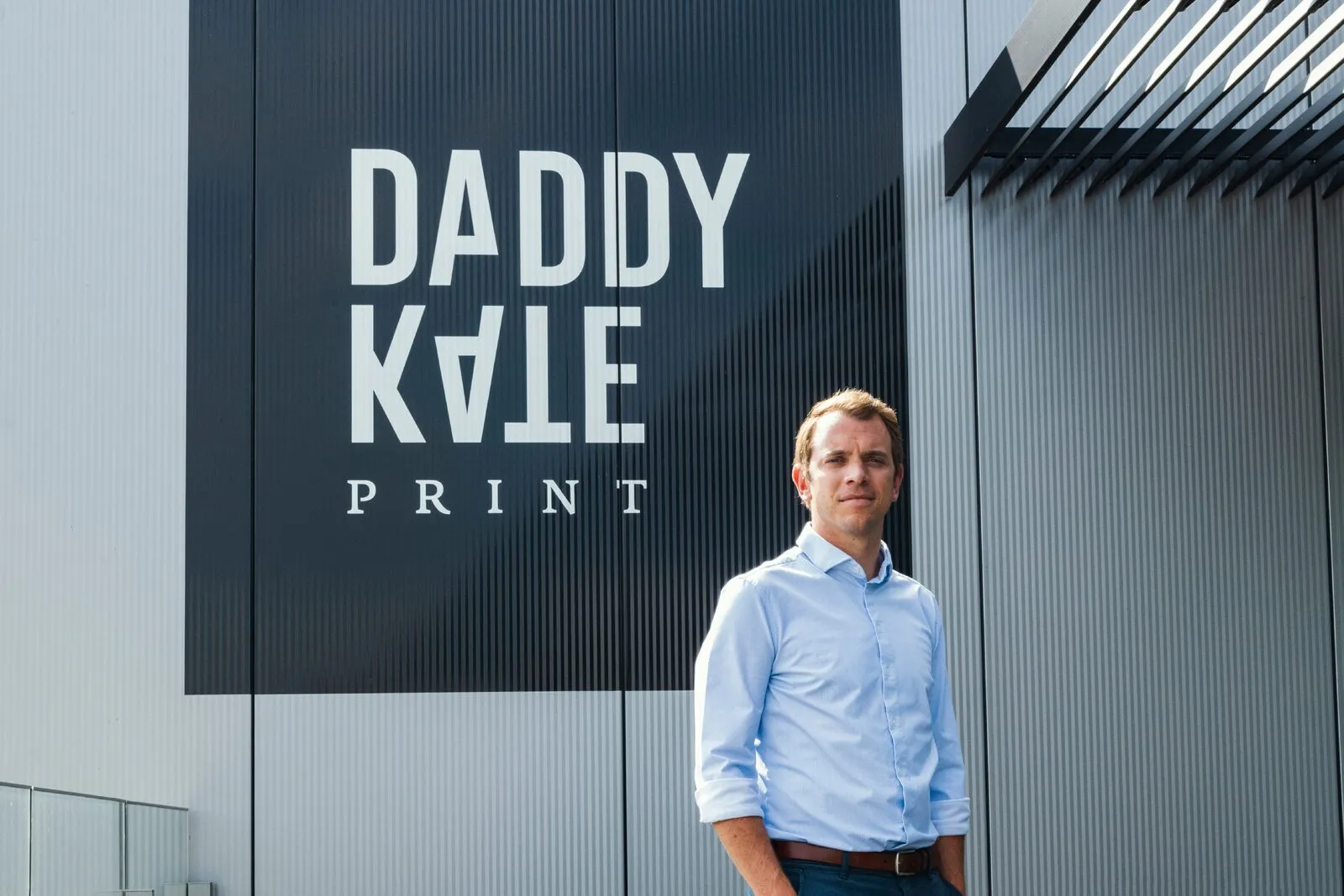
When Thijs Claes joined the family printing business in September 2009, there was no mapped-out path waiting for him. "I was given a desk, but I had no function and no clearly defined role yet," says the current Group CEO of Daddy Kate. His father had largely built the company up himself and still oversaw everything. "My older sisters had joined the company before me. By the time I took the step, it was clear that my father was finding it hard to carry all the pressure on his shoulders. He wanted to hand the company over to secure its future, but there was no formal governance structure or explicit strategy yet."
After a training course at Voka, Thijs proposed setting up an advisory board in 2011, with three external members alongside two family members. "From the very first meeting we saw the added value. The external advisers asked the right, critical questions. They pushed us to delineate the roles more clearly, to prepare my father's operational handover and to draw up a clear plan for the future."
That first step in governance laid the foundation for growing the family business into an international printing group. Through a buy-and-build strategy, seventeen acquisitions were completed. The group now has five sites, including one in Lyon, and around 250 employees. The governance structure evolved too. Claes is now Group CEO and sits on the board of directors alongside the CFO and two other external directors.
Letting go to make room
At Camino Group, the second generation's entry was more structured. When Joost Callens and his sister Claudia started at what was then Durabrik in the mid-1990s, their father had already made preparations. "When we started, my father had already handed operational management to an external manager," says Callens. "A formal board of directors had also been formed, with experienced external entrepreneurs. We ourselves initially sat on the board as observers. That allowed us to gain experience step by step."
Callens' father remained ultimately responsible as chairman of the board. "In 2003 we took over the running of the company, me as CEO and Claudia responsible for finance and land acquisition. But my father didn't disappear from the picture entirely. He still wanted a weekly report. He remained a sounding board for us when needed, but we were free to put our own stamp on things."
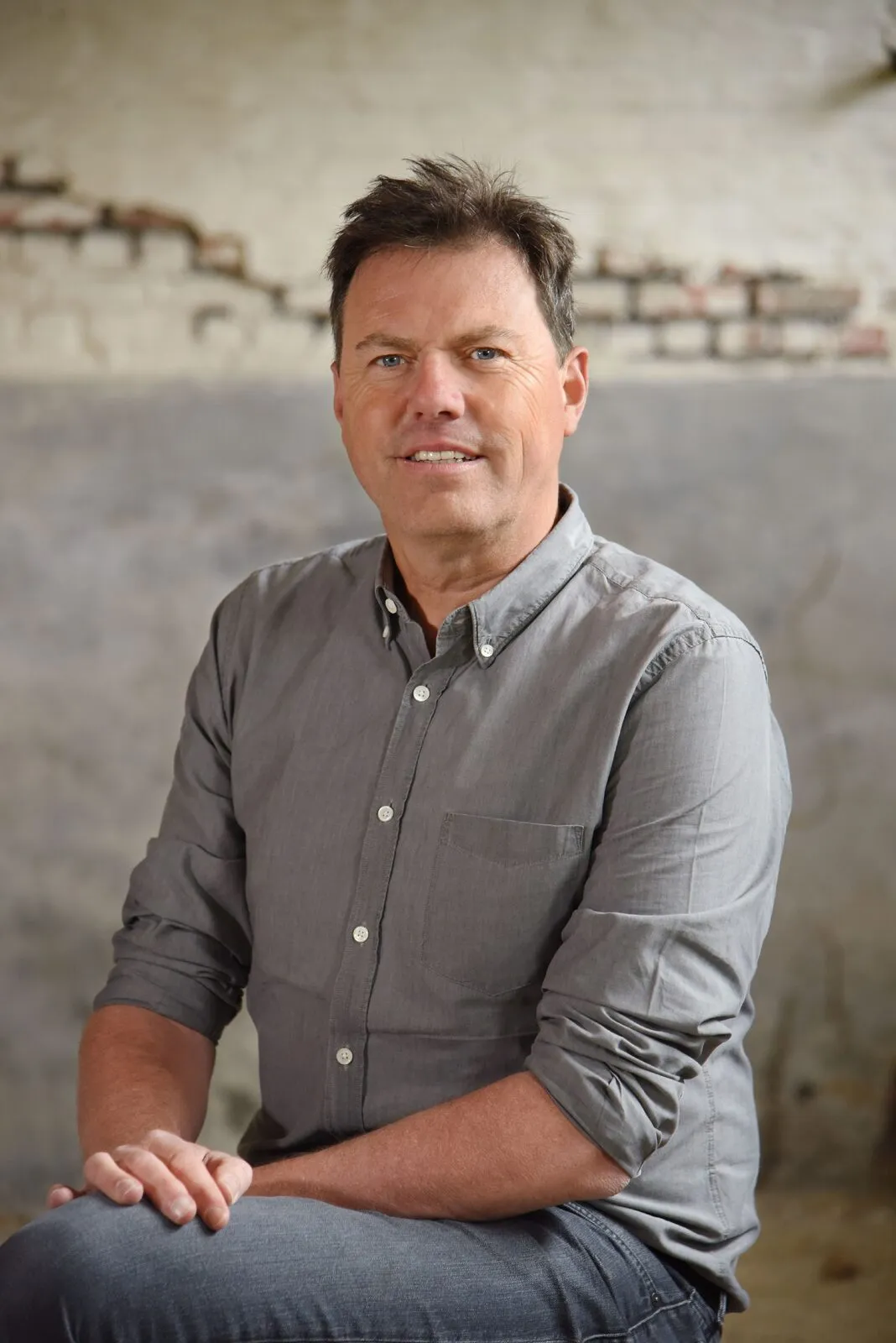
For business lawyer Mark Delboo of DELBOO Advocaten, both entrepreneurs illustrate one of the hardest aspects of governance in family businesses. "What matters is that room is made for the new generation, without the previous generation's experience suddenly being lost. In the past it was rather exceptional for entrepreneurs to let go of the business early. Today there is far more attention to governance, which provides the framework to arrange the handover gradually. If the previous generation keeps all decisions in its own hands for too long, the new insights and technological knowledge of younger generations get no chance. You also risk ending up in a family tension."
Involving the next generation early
At Camino Group, the next generation is now brought together twice a year to discuss topics concerning the company, the family and the shareholding. "We explain the strategy, our investment files and acquisitions. Two members of the third generation who are part of the management team have now also been added again as observers on our board of directors," says Joost Callens, today chairman of the group.
At Daddy Kate, the second generation is younger. Thijs Claes and his sisters are all three operationally active, with short decision-making lines. Even so, they are already looking ahead. A scenario for the future relationship between the second and third generations has been drawn up, and the children of the current management are being involved in the company. "Every year we organise a family day for the third generation, from around the age of twelve. Each time the young people get to know one of our companies and receive an explanation of where the group stands. That gives them a feel for the family business, the people and our products," says Claes. "Whether they will ever take on a role in it, only the future will tell."
"Professionalising doesn't just mean installing a governing body and making arrangements about the company. It's also about rallying the family behind the same vision: where do we want to take the company? What role do we want to play as a family? Taking children along in that story from a young age, even if in a playful way, is certainly a best practice," concludes Mark Delboo.
A business enquiry for DELBOO Advocaten? Get in touch
Companies in this story
Keep following this
Get an email when a new story is published. No account needed.
- SubjectHR, finance & IT
- CompanyDELBOO Advocaten