




How job descriptions can take the pressure off you as an employer
Text and images Titeca pro accountants & experts

There are many reasons to draw up job descriptions. Without carefully thought-out job descriptions, you risk hiring the wrong people, employees may not fully understand their responsibilities, and they may become frustrated with their pay prospects, among other things. A clear, well-defined job description is the ideal tool for shaping your HR policy in a high-quality and objective way. HR adviser Lara Rousseeuw outlines the six main reasons to get started.
1. You can find employees more easily
Why are a well-written job advert and job description important? “A job advert is a compelling description of the role and the talents and qualities it requires. Although a job advert should ideally be less detailed and have a more dynamic, engaging style than a job description, the job description can still be a powerful tool for providing accurate, targeted information. This helps you attract the right candidates straight away,” explains Lara.
“Job descriptions show what knowledge and skills you already have in-house, while also revealing which profiles are still missing from your team. They give you a clear picture of who you still need to recruit.”
2. Your selection process runs much more smoothly
Successfully selecting a new employee starts with a carefully drawn-up job description. “A clearly defined job description gives a selection interview structure, making it more objective. It helps you know exactly what you are looking for in advance. It also helps you ask targeted questions to find out whether a candidate meets your expectations,” Lara continues.
3. You give new employees clarity
Clearly defined job descriptions help new employees integrate more effectively into the business. “A clear job description quickly tells new employees what is expected of them and how they can progress.”
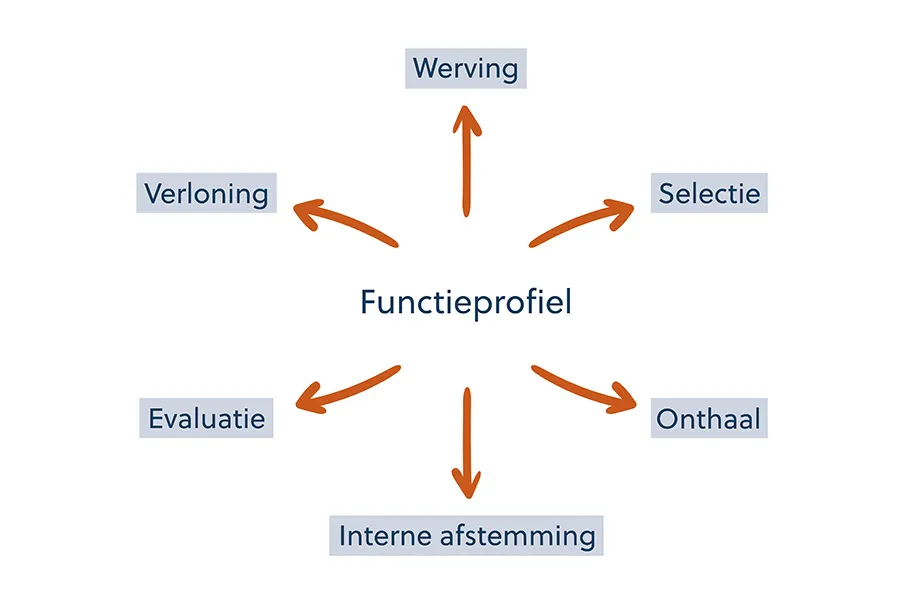
4. You bring order and structure to your business
The job description is the basis for internal communication. Drawing one up means thinking about which duties belong to which role. You look for the most logical and efficient way to allocate tasks and responsibilities.
“Communicating clearly about the job descriptions you have drawn up prevents work from being duplicated or tasks from being left without anyone responsible for them. Colleagues also know who to approach with questions or problems. You make huge efficiency gains.”
5. You feel more confident conducting performance reviews
“Job descriptions provide a useful framework for performance reviews. An appraisal method linked to carefully thought-out job descriptions ensures consistency and a high degree of objectivity,” says Lara.
By defining responsibilities and skills clearly and objectively, employees know what they will be assessed on. This helps identify training needs and gives employees the opportunity to develop themselves further in a targeted way. Managers also feel more confident with a structured, objective framework to guide them.
6. Developing a coherent pay policy becomes much easier
Sharing job descriptions within your business offers employees career prospects. When job descriptions are linked to a pay structure, your staff can see how far they can progress in terms of pay.
“An attractive career path, combining salary progression with opportunities for personal development, motivates employees to join your business and stay there,” Lara concludes.
Inspired to draw up clear job descriptions? The Titeca pro experts are ready to support you.
Een zakelijke vraag aan Titeca? Get in touch
Companies in this story
Keep following this
Get an email when a new story is published. No account needed.
- SubjectHR, finance & IT
- CompanyTiteca







