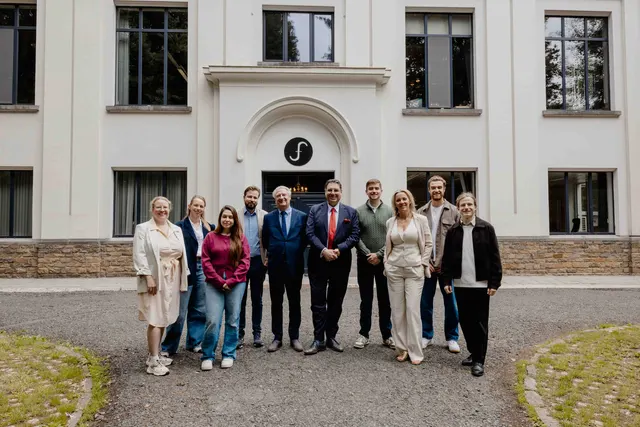
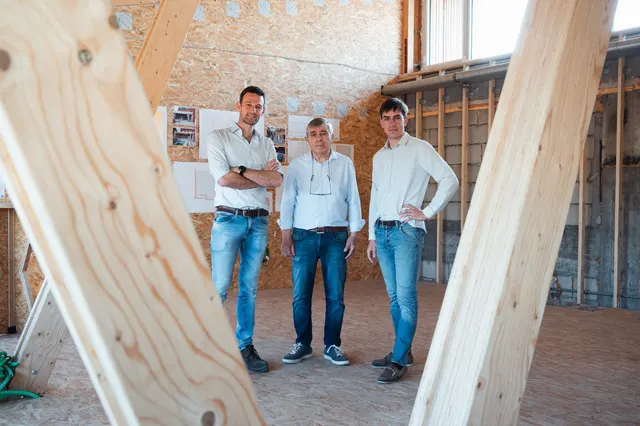
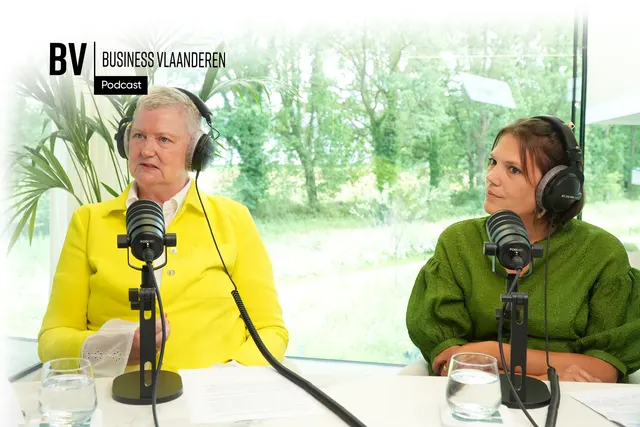
Business transfers, cash flow and financial advice: Raadhuis on running and growing a business
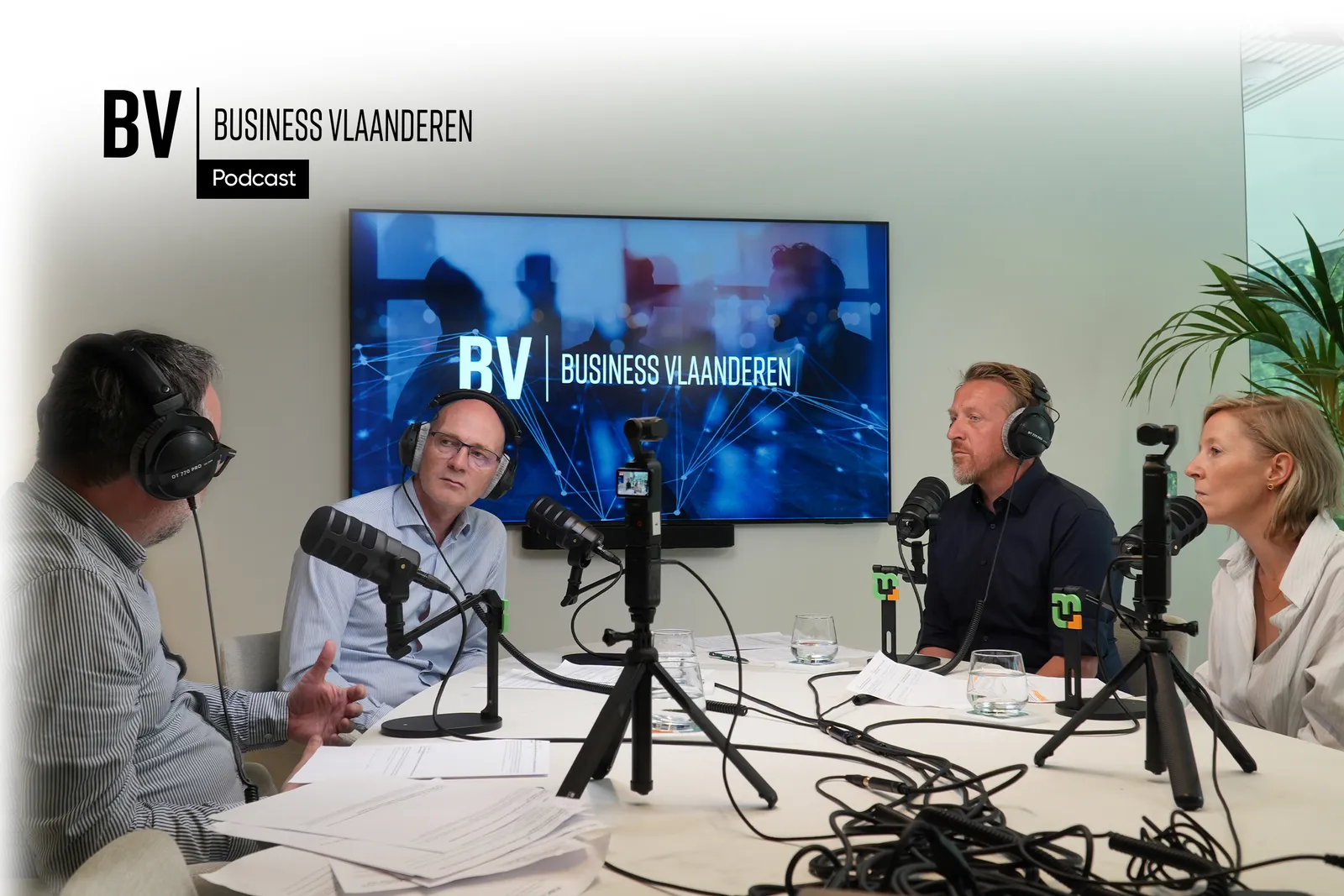
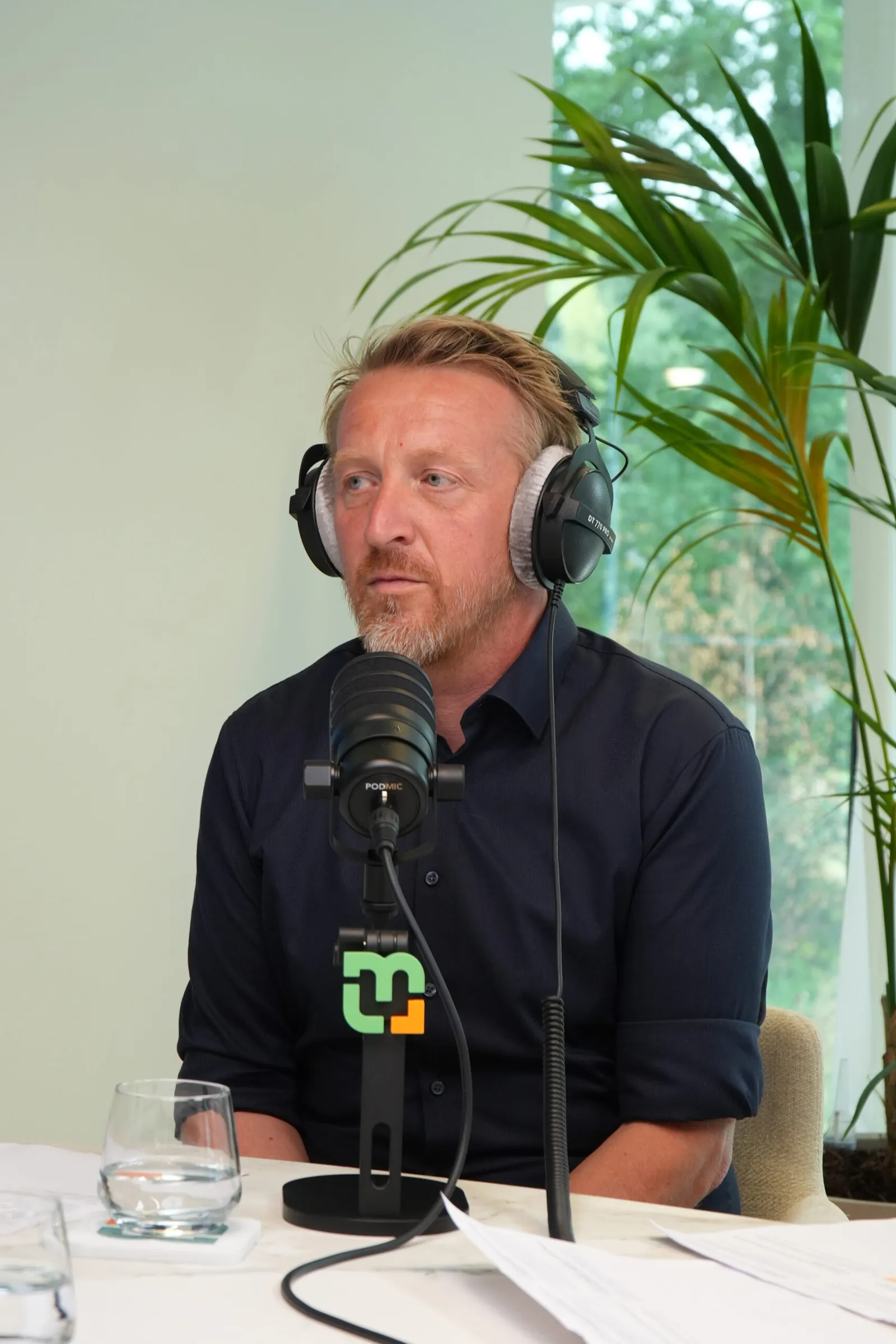
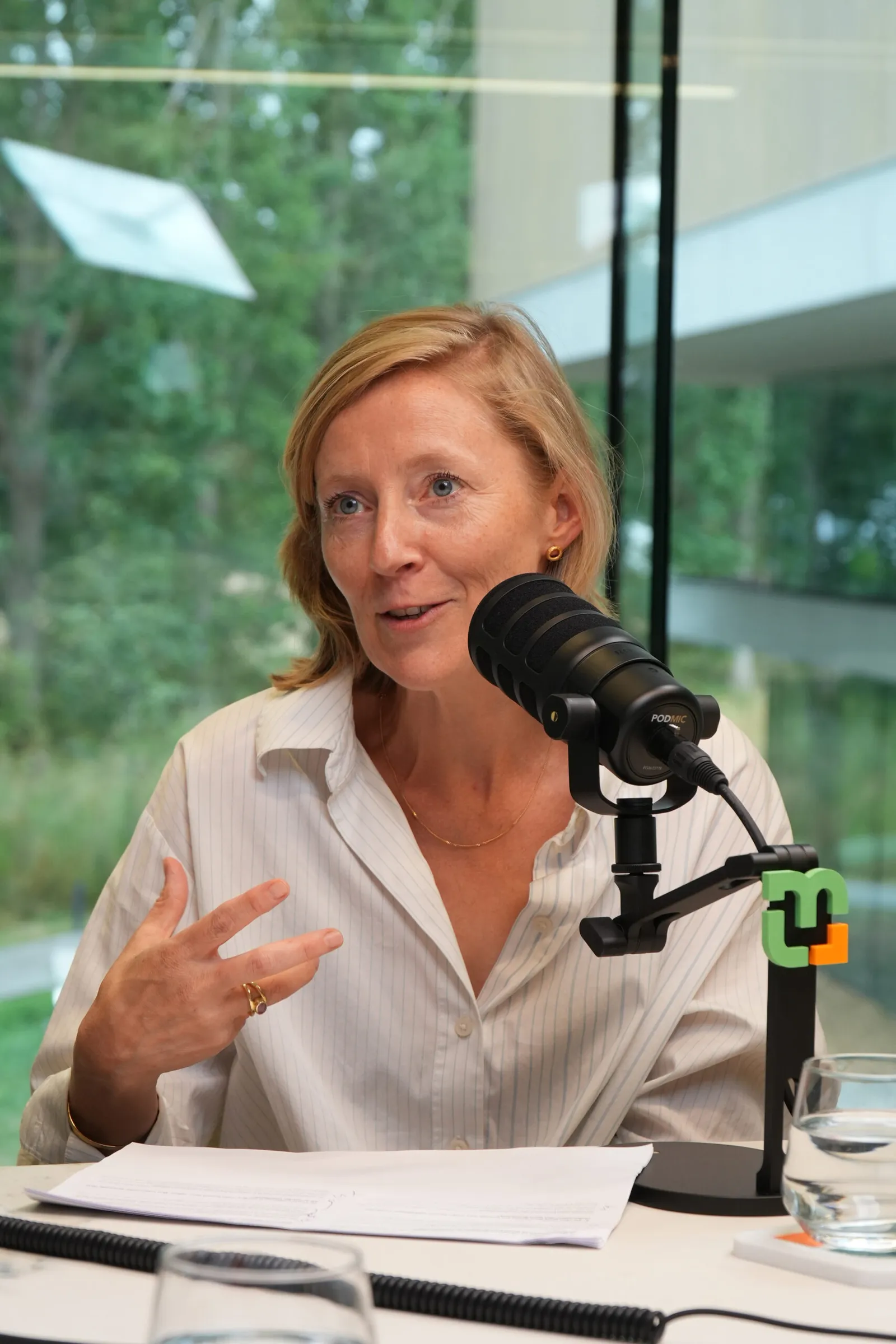
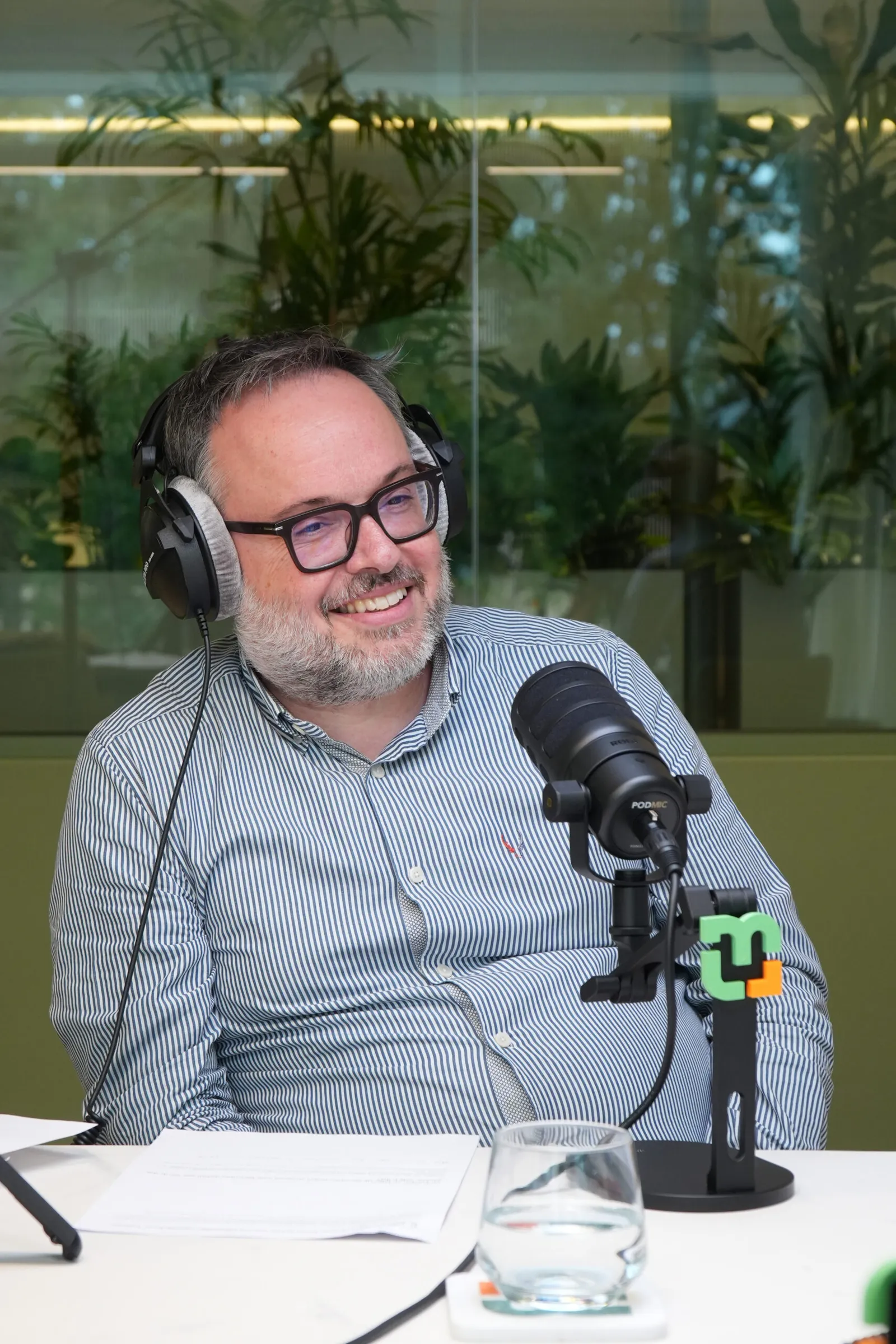
How can business owners make the right financial decisions in an increasingly complex environment? In this episode of Business Vlaanderen, Bjorn Crul talks to Benedict Misseeuw, Melissa Misseeuw and Yves Monbaliu of Raadhuis about financial advice for business owners, cash flow, investment, insurance, growth strategies and business transfers. They discuss the key considerations at every stage, from starting a business to growth, financing, property and the eventual sale or transfer of the company. The importance of having a strategic advisory partner and looking ahead in good time also features prominently.
Full transcript
Alle hoofdstukken (130)
- Doing business in a complex environment
- Strategic decisions
- The right advisory partner
- Raadhuis
- An increasingly complex environment
- Questions from clients
- More complex legislation
- Uncertainty around regulations
- Withholding tax on investment income
- Uncertainty in business
- Broad advice and scenarios
- Why this approach matters
- Scenarios and analysis
- One strategic partner
- Choosing a partner
- Focus on the business
- Sharing information
- Everything under one roof
- Aligning areas of expertise
- The right partnership
- Introducing Raadhuis
- Raadhuis services
- In-house expertise
- The stages in a business’s life
- Questions from start-ups
- Is the plan viable?
- Developing a good idea
- Not asking enough questions
- Asking the right questions
- Pricing and market knowledge
- Drawing up a plan
- Bookkeeping for start-ups
- Bookkeeping as a management tool
- The importance of accurate bookkeeping
- KPIs and measures
- Keeping track of the figures
- Keeping a close eye on things
- Making quick adjustments
- The financial plan
- Cash flow
- Payment terms
- Cash flow planning
- Sales and the bank account
- Understanding cash flow
- Investment and insurance
- Investing in stages
- Investing flexibly
- Insurance and risks
- Risks as the business grows
- Challenges of growth
- New choices
- Working capital
- Growth and cash flow
- An outside perspective on growth
- Experience and objectivity
- Sector knowledge
- Family businesses
- What does the entrepreneur want to achieve?
- The right kind of growth
- Financial data
- Digital processes and AI
- Analysis and discussion
- Causes and connections
- Investment and banks
- Raadhuis's role
- Credit applications
- Financial services and advice
- Integrity
- Freedom of choice
- Shorter lines of communication
- Complexity in a growing business
- Support for clients
- A wide range of services
- Choosing according to need
- External CFO
- Different activities
- When things go wrong
- Early warning signs
- Sharing the warning signs
- Warning lights
- Acting quickly
- Meeting with suppliers
- Transfer or sale
- Starting the process
- Starting in good time
- Personal assets and family situation
- Retirement and standard of living
- Different specialists
- Three to five years in advance
- Time to let everything mature
- Process
- Shares or business assets
- Family succession or a third party
- Business continuity
- The family's role
- Valuation
- Pitfalls
- The value of a business
- A common mistake
- The buyer and the emotional factor
- Finding a match
- Property in a business transfer
- Property expertise in-house
- Working with Puur Vastgoed
- Property in a business file
- Property-related questions
- The service within the group
- An ideal addition
- Raadhuis as a family business
- First-hand experience of acquisitions
- Thinking like an entrepreneur
- Experience in day-to-day work
- Experience as a family business
- Drawing on our own experience
- Regional focus
- Personal contact
- Strong regional roots
- Growth in scale and expertise
- Growth at Raadhuis
- Organic growth
- Former owners stay on
- One final tip
- Keep your insurance file up to date
- Review your insurance cover
- The consequences when things go wrong
- Don’t wait until there’s a problem
- A sounding board
- One last tip
- Keep looking ahead
- Closing remarks
Doing business in a complex environment
Bjorn Crul Good day, listeners. Doing business today is anything but easy. New tax rules, stricter legislation and an economy that can go in any direction. As a business owner, you need to focus on your work and keep a close eye on the figures, so you can make the right decisions quickly in any circumstances.
Strategic decisions
Bjorn Crul But that is often easier said than done. Making well-founded strategic decisions while considering all the implications calls for ever greater expertise.
The right advisory partner
Bjorn Crul We are talking about how the right advisory partner can make all the difference, from the first steps as a new business owner through to retirement and handing over a business. Benedict and Melissa Misseeuw are joining us today to discuss this.
Raadhuis
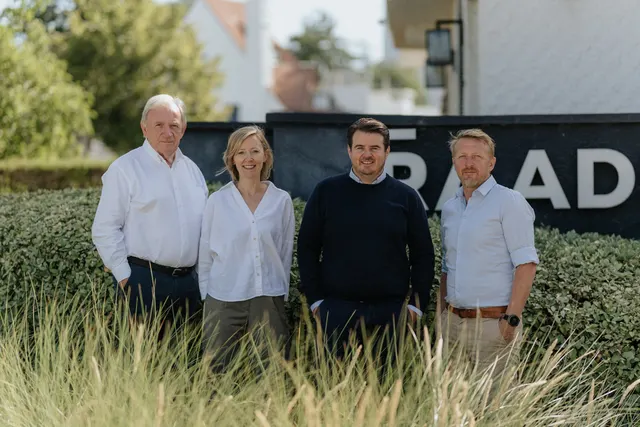
Bjorn Crul They are joined by Yves Monbaliu. All three are directors at Raadhuis, a family business that has been supporting entrepreneurs in East and West Flanders with their growth and financial decisions for more than 30 years.
An increasingly complex environment
Bjorn Crul Welcome, all three of you. The environment you work in is becoming increasingly complex, there is ever more regulation, and the economy is not performing at 100 per cent either.
Questions from clients
Bjorn Crul Are you seeing that in the questions clients bring to you?
More complex legislation
Melissa Misseeuw Absolutely. Legislation is indeed becoming increasingly complex. There are all sorts of exceptions, typical of the Flemish patchwork. Making new legislation seems to have become a new sport.
Uncertainty around regulations
Melissa Misseeuw And the law has not even been passed before there are already amendments or discussions about amendments. This creates an environment in which business owners have to make decisions without knowing what the impact of a decision taken today will be in six months, a year or even further down the line.
Read the full transcriptCollapse transcriptnog 122 hoofdstukken
Withholding tax on investment income
Yves Monbaliu To give an example, the current government has changed the rate of withholding tax on dividend distributions. It has... The decision was actually taken in mid-2025, but the final decision and legislation were only settled in mid-2026.
Uncertainty in business
Yves Monbaliu That creates anxiety and uncertainty for business owners.
Broad advice and scenarios
Melissa Misseeuw We have always taken this approach with our clients, and still do. We provide very broad advice and analyse clients’ questions together, looking at a wide range of different scenarios. We did this in the past and we continue to do so.
Why this approach matters
Melissa Misseeuw We are finding that this approach is very important in the current context. Clients are asking for it, and more and more of them are doing so.
Scenarios and analysis
Melissa Misseeuw You need scenarios, lots of questions and plenty of analysis.
One strategic partner
Bjorn Crul Yes, precisely because every decision can have a financial impact. Business owners can call on a wide range of advisers. At the same time, there seems to be a trend towards choosing one strategic partner more often.
Choosing a partner
Bjorn Crul Are you seeing that too, and what is behind it?
Focus on the business
Yves Monbaliu Well, business owners need to be able to focus on their business and do what they are good at. They can call on advisers and experts in areas such as insurance, accountancy and banking.
Sharing information
Yves Monbaliu But one person cannot know everything, let’s say. Nor do they want to waste time sharing information with different parties and having to repeat themselves.
Everything under one roof
Yves Monbaliu So having everything under one roof can certainly add value.
Aligning areas of expertise
Melissa Misseeuw Yes, and what matters is that a good partner also aligns those different areas of expertise. Some businesses need highly specialised knowledge.
The right partnership
Melissa Misseeuw Other businesses want one point of contact who can bring all those different areas of expertise together. It is very important for a business to choose the right partnership.
Introducing Raadhuis
Bjorn Crul Benedict, Raadhuis is an example of this kind of strategic partner for businesses. For anyone who does not know you yet, could you introduce Raadhuis? Who are you?
Raadhuis services
Bjorn Crul What do you do?
Benedict Misseeuw From professionals to large companies. We even have a multinational as a client. We combine accountancy and tax with banking, insurance and property advice, as well as support with growth, acquisitions and business transfers.
In-house expertise
Benedict Misseeuw I think we can say that we are unique in the market. On the one hand, that is down to our combination of in-house expertise and a personal approach; on the other, each division is a mature business that is run independently.
The stages in a business’s life
Bjorn Crul The whole life cycle. Well, I suggest we go through the stages in a business’s life and discuss the key considerations at each one. Let’s start with start-ups. Yves, what questions are new business owners coming to you with today?
Questions from start-ups
Yves Monbaliu Typical questions include: how are we going to finance our investments? What is the right legal structure to start with? What about insurance, VAT and tax?
Is the plan viable?
Yves Monbaliu Is the plan we have drawn up viable? We often meet people with a very good idea, but they cannot always work through every detail.
Developing a good idea
Yves Monbaliu That is difficult too.
Not asking enough questions
Benedict Misseeuw Some do not even ask enough questions.
Asking the right questions
Yves Monbaliu That’s right. So we sit down with them and, by asking the right questions, we can clarify certain things. For example, we can point out where they have underestimated or overestimated something.
Pricing and market knowledge
Yves Monbaliu How did you arrive at your pricing, for example? What are your costs? Do you know the market? Do you have a feel for the sector?
Drawing up a plan
Yves Monbaliu Those are the questions that need to be asked before you can move on to drawing up a plan.
Bookkeeping for start-ups
Bjorn Crul Melissa, people starting a business are often full of enthusiasm. But bookkeeping can sometimes be seen as a burden, an administrative chore. How do you get start-ups to take it seriously?
Bookkeeping as a management tool
Bjorn Crul And how do you help them turn it into something that can guide their business?
The importance of accurate bookkeeping
Melissa Misseeuw Well, I think it is important. As Yves said earlier, it is about the questions we ask. Business owners do not always think, ‘OK, this is part of it too.’ It is actually by asking those questions that it becomes clear that keeping accurate, up-to-date books is very important.
KPIs and measures
Melissa Misseeuw As a start-up, you need certain KPIs or measures to see whether you are on the right track. What is my turnover? How many people do I want coming through the door each week?
Keeping track of the figures
Melissa Misseeuw That sort of thing. If your figures are being monitored and your books are in order, bookkeeping is more than just another task. It helps you, as a start-up, head in the right direction and know when things are going well.
Keeping a close eye on things
Melissa Misseeuw That matters to us, especially for start-ups, but also for everyone else. We are not about lengthy reports and pages of figures. No, it is important to keep a close eye on things, to call and ask, ‘OK, is it going well or not?’
Making quick adjustments
Melissa Misseeuw You need to be able to make quick adjustments in the short term when necessary.
The financial plan
Bjorn Crul Benedict, a financial plan is the foundation of everything. Why is a well-founded plan so important at the start-up stage?
Cash flow
Benedict Misseeuw Cash flow is essential, but many start-ups do not yet appreciate that. Turnover is not the same as cash flow. Start-ups often have little in the way of a financial buffer, so it is not just a matter of looking at what comes in and goes out, but above all when it happens.
Payment terms
Benedict Misseeuw If your customers pay later than you have to pay your suppliers, you can get into trouble. Or if you suddenly have to pay your staff, or meet other expenses that only fall due quarterly.
Cash flow planning
Benedict Misseeuw If you do not take that into account, those are exactly the kinds of things that need to come to light in your cash flow planning.
Sales and the bank account
Melissa Misseeuw And perhaps I can add one thing. A question we get a lot, especially from start-ups, is: ‘I’ve sold so much, so why isn’t it in my account?’ People do not always understand how it works.
Understanding cash flow
Melissa Misseeuw How does it all work? That is exactly what is so important.
Investment and insurance
Bjorn Crul Running a business means taking risks and financing investments. What advice do you give start-ups about those first investments and insurance?
Investing in stages
Melissa Misseeuw When it comes to investment, it is particularly important to invest in stages and to do so with care. When you start out, you do not need to have the latest, state-of-the-art equipment straight away. No, you need to be able to invest flexibly, so you can move quickly when you need to grow or change direction.
Investing flexibly
Melissa Misseeuw So invest flexibly, start with the minimum you need and build from there.
Insurance and risks
Benedict Misseeuw It is best not to treat insurance as a standard package. What would the financial impact be, for example, if the managing director were unable to work? Or if a machine broke down, data was lost or a customer suffered damage?
Risks as the business grows
Benedict Misseeuw This needs to be reviewed continually. Because as you grow, your risks grow too, and they need to be adequately covered. So you build targeted protection based on the risks.
Challenges of growth
Bjorn Crul Now, if everything goes well, thanks to that support with accounting, investments and insurance, what new challenges does an entrepreneur face, Yves?
New choices
Yves Monbaliu Well, growth naturally brings new choices. Do you perhaps need to hire people? Are your processes suited to achieving that growth? Do you need to invest in business premises?
Working capital
Yves Monbaliu Do we have enough working capital? These are all issues you face when opportunities arise or when growth becomes possible. Growth can also put pressure on cash flow.
Growth and cash flow
Yves Monbaliu We may also need to build up larger stocks and pre-finance things. More staff also means higher costs, of course. Entrepreneurs often underestimate this paradox when considering their growth potential.
An outside perspective on growth
Bjorn Crul How do you help entrepreneurs map out a growth strategy like that, Melissa? What does an outside perspective bring to the table?
Experience and objectivity
Melissa Misseeuw Well, I think an external party with experience and a fresh perspective is very important, as is objectivity. A growth strategy in construction is completely different from one in hospitality or manufacturing.
Sector knowledge
Melissa Misseeuw So sector knowledge is very important. As are people with that knowledge, who can compare your business with others. What works, what doesn't, and what might work.
Family businesses
Melissa Misseeuw We also see that this neutral role can be especially valuable in family businesses. Business decisions are very often influenced by personal dynamics.
What does the entrepreneur want to achieve?
Melissa Misseeuw The question is always: what does the entrepreneur really want to achieve, and why? Success doesn't mean multiplying turnover by 10 for everyone. Do you want to be the biggest in the market? Do you want the highest turnover? Do you want to earn more yourself?
The right kind of growth
Melissa Misseeuw Those are the questions an external party needs to ask in order to arrive at the right kind of growth.
Financial data
Bjorn Crul Yes, Yves, I hear that you ask a lot of questions. Good decisions are, of course, made carefully and backed up by figures. So how do you turn financial data into useful information for an entrepreneur?
Digital processes and AI
Yves Monbaliu We have, of course, already invested heavily in digital processes and AI processes. They enable us to process our financial data more efficiently and more quickly. This also frees up more time for the analysis needed.
Analysis and discussion
Yves Monbaliu And this is something we really value: making time to sit down with the client, discuss scenarios, explain trends and make decisions.
Causes and connections
Yves Monbaliu We prepare that valuable information for our clients. But it is by talking to them that we can identify specific issues and find certain causes or connections.
Investment and banks
Bjorn Crul Benedict, in many cases, growth also means investing and renegotiating with banks.
Raadhuis's role
Bjorn Crul What role does Raadhuis play in a process like that?
Benedict Misseeuw It starts with a clear plan, realistic forecasts and a good understanding of the ability to repay.
Credit applications
Benedict Misseeuw The applications submitted to the credit analyst are ready to go. Raadhuis prepares them in that form. And the fact that we also lend money through our banking division means we understand every step of the process and can respond accordingly.
Financial services and advice
Bjorn Crul Yes, if I may play devil's advocate for a moment, you offer financial services yourselves and have your own insurance division. What about acting as an adviser to the client?
Integrity
Benedict Misseeuw That's a fair question, but no, there is no conflict. Integrity is one of our core values. Our teams and systems operate separately, and information is shared between divisions only with the client's explicit consent.
Freedom of choice
Benedict Misseeuw The client is always free to choose which partner to work with. In principle, it makes no difference. An accounting client doesn't receive a lower-quality service because they aren't a banking client, and a client seeking credit doesn't, for example, get worse terms because they aren't an accounting client.
Shorter lines of communication
Benedict Misseeuw Shorter lines of communication, more direct contact and constructive internal discussions can, however, be an advantage for the client and help move a credit application smoothly through to completion.
Complexity in a growing business
Bjorn Crul Melissa, in a growing business, it's only natural that administrative and organisational complexity increases, with recruitment and so on.
Support for clients
Bjorn Crul What role can you play in supporting clients in this area?
A wide range of services
Melissa Misseeuw Well, we offer a very wide range of services. Alongside accountancy, banking, insurance and property, we also provide HR support, administrative support, management support, an outsourced CFO service and business coaching.
Choosing according to need
Melissa Misseeuw This means that clients can choose what they need. They may need a full-time CFO.
External CFO
Melissa Misseeuw It may be important to keep the accounting function in-house while also bringing in an external CFO as a sounding board. Needs vary from one stage and one business to another.
Different activities
Melissa Misseeuw Because we offer a range of different services, we are well placed to respond to those needs.
When things go wrong
Bjorn Crul Yves, we're naturally optimistic, but sometimes things do go wrong. How do you respond at times like that?
Early warning signs
Yves Monbaliu It's our job as advisers to give clients timely warnings. Are we seeing shrinking margins, clients who are struggling to pay, or supplier debts building up?
Sharing the warning signs
Yves Monbaliu These are all warning signs we need to communicate to our clients.
Warning lights
Bjorn Crul You're a bit like warning lights, would that be fair to say?
Acting quickly
Yves Monbaliu That's certainly true. And when things are difficult, it's also important to act quickly. To look at what the client has done and, if necessary, draw up various scenarios.
Meeting with suppliers
Yves Monbaliu Meeting with suppliers. That is, of course, decided in consultation with the clients.
Transfer or sale
Bjorn Crul At a later stage, an experienced entrepreneur will probably look at how their business can continue after they retire. But we know that a transfer or sale can be a very emotional process for many business owners. Benedict, how does Raadhuis begin a business transfer process?
Starting the process
Bjorn Crul Where does the conversation start?
Benedict Misseeuw It may start with someone saying they want to stop. Or, of course, they may be approached.
Starting in good time
Benedict Misseeuw But the most important thing in a process like this is to start in good time. It begins with the question, separate from the transfer itself: what do you really want to do after the transfer? That determines the decisions that follow.
Personal assets and family situation
Benedict Misseeuw These are questions where the full breadth of Raadhuis's expertise comes into play. Usually, a personal financial statement is drawn up and the family situation is reviewed.
Retirement and standard of living
Benedict Misseeuw The pension gap is calculated and the desired standard of living is considered. The business owner's expectations are also explored. Then the timing is considered.
Different specialists
Benedict Misseeuw In a process like this, Raadhuis's investment specialists, insurance broker, accountants and property specialists all bring their perspective to the case.
Three to five years in advance
Benedict Misseeuw Working with the business owner, of course. Often, an overall process like this is started before the question of a transfer even arises. But if it hasn't been started, we advise entrepreneurs to speak to us three to five years before a possible transfer.
Time to let everything mature
Bjorn Crul Yes, because it takes time for everything to mature and for the necessary arrangements to be put in place.
Process
Bjorn Crul For this process or another one?
Shares or business assets
Yves Monbaliu Well, the first question to ask is whether, for example, the shares are being transferred or the business assets. The second is, of course: who is the transferor, who is the seller?
Family succession or a third party
Yves Monbaliu Is there a family successor, or will the business be sold to a third party? Is someone within the business willing to continue running it or take it over?
Business continuity
Yves Monbaliu Those are things we need to establish. The choice depends not only on the price to be achieved, but also, crucially, on the continuity of the business. Can we retain our employees?
The family's role
Yves Monbaliu Will a family member, for example, continue to play a role in the business? All of this shapes the strategy.
Valuation
Bjorn Crul Yes, Melissa, I understand that valuation is a crucial part of a case like this, whether it's a family transfer or a sale to a third party.
Pitfalls
Bjorn Crul What pitfalls should entrepreneurs avoid?
The value of a business
Melissa Misseeuw Well, I think everyone knows this, but it may be worth saying again. A business's value is not a fixed figure. It depends on factors including profitability, recurring revenue, reliance on the owner-manager, debt levels, growth prospects and many other things.
A common mistake
Melissa Misseeuw But one very important pitfall, a common mistake, is to start from what the entrepreneur needs or wants for their retirement.
The buyer and the emotional factor
Melissa Misseeuw Of course, it is also largely determined by what the buyer is willing to pay. And it is also very important to remove the emotional factor from the valuation and make that clear to the seller.
Finding a match
Melissa Misseeuw Otherwise, it becomes very difficult to find a match in the sales process.
Property in a business transfer
Bjorn Crul Property often plays a role in the transaction when a business is transferred, too. Benedict, was that why you acquired Puur Vastgoed?
Property expertise in-house
Bjorn Crul To have that expertise in-house as well?
Benedict Misseeuw The idea was that property would complement the other services within Raadhuis.
Working with Puur Vastgoed
Benedict Misseeuw We’ve been working for a while on getting that initiative off the ground, but of course we had to make a choice, as our time is limited too. Then Puur Vastgoed itself proposed working together, and that got the ball rolling.
Property in a business file
Benedict Misseeuw Property often lies at the heart of a business file. A purchase as the business grows, a commercial building held privately or through a company. Even the family home is sometimes bought through the management company, and so on.
Property-related questions
Benedict Misseeuw A property-holding company in the context of a transfer. These are questions customers have always asked us, because we have always provided advice across the board. Many customers would ask: I have something to sell, could you advise me on it?
The service within the group
Benedict Misseeuw Of course, for professional ethics and other reasons, we couldn’t do that. Now we can, and given the trust our customers have in us, we can offer that service within our group.
An ideal addition
Benedict Misseeuw And it really is an ideal addition.
Raadhuis as a family business
Bjorn Crul And that brings us full circle. We’re back with Raadhuis itself. Melissa, you’re still a family business. You’ve completed around 20 acquisitions yourselves over the past few years.
First-hand experience of acquisitions
Bjorn Crul How important is that experience in the work you do for customers? How does it shape your approach?
Thinking like an entrepreneur
Melissa Misseeuw Well, I think the most important thing is that we think like business owners ourselves. We don’t think like accountants or bankers, we think like entrepreneurs. And all our experience as entrepreneurs, because let’s be honest, things haven’t always gone perfectly for us either.
Experience in day-to-day work
Melissa Misseeuw All those experiences also inform how we work with our customers every day. That means we can help them avoid certain pitfalls, including ones we know from experience.
Experience as a family business
Melissa Misseeuw We encourage them to take the leap and move forward, and support and guide them through the process. Another factor is that we really are a family business. That brings its own dynamics, but we’ve also learnt a great deal along the way, so we can draw on that experience to support other family businesses.
Drawing on our own experience
Melissa Misseeuw So we use what we experience ourselves to help our customers.
Regional focus
Bjorn Crul And a regional focus on East and West Flanders, despite the strong wave of consolidation in the sector. Yves, why did you make that choice?
Personal contact
Yves Monbaliu Because we still value personal contact with customers, and we can see that they appreciate it. We do want to grow, but not at the risk of customers becoming anonymous and just another file number.
Strong regional roots
Yves Monbaliu We also want to avoid at all costs customers having to deal with a new contact person all the time. Having strong regional roots helps us stay close to business owners.
Growth in scale and expertise
Yves Monbaliu For us, growing in scale is valuable above all when it means that expertise within Raadhuis can be shared with our clients.
Growth at Raadhuis
Benedict Misseeuw Growth at Raadhuis isn’t our main objective. To a large extent, we’ve grown organically.
Organic growth
Benedict Misseeuw That applies to accountancy, banking and insurance, too. Those businesses actually came to us themselves, saying: we’ve become too small for our customers, and they’ll be better served by you.
Former owners stay on
Benedict Misseeuw Most of the former owners continue working with us for a considerable time and are still on board.
One final tip
Bjorn Crul And that brings us to the end of this podcast. But before I let you go, I’d like each of you to give our listeners one tip or piece of advice they can put into practice tomorrow.
Keep your insurance file up to date
Bjorn Crul Benedict.
Benedict Misseeuw As I mentioned, it’s very important to keep your insurance file up to date. It should be reviewed periodically.
Review your insurance cover
Benedict Misseeuw So if your business structure, financial situation or personal circumstances change, make sure you review your insurance cover. Whether you come to us or another insurance broker, we too often see business owners with a package that no longer suits them.
The consequences when things go wrong
Benedict Misseeuw And that can be seriously painful if something goes wrong.
Don’t wait until there’s a problem
Bjorn Crul Melissa?
Melissa Misseeuw Don’t wait until there’s a problem. I think that’s very important. The best decisions are made when you still have time and options. So make sure you have a direct line to someone. The phone number you should know by heart is that of a sounding board.
A sounding board
Melissa Misseeuw Ours, of course.
One last tip
Bjorn Crul Yves, one last tip?
Keep looking ahead
Yves Monbaliu Yes, I’d like to finish on a positive note. When things are going well, keep looking ahead and keep setting goals.
Closing remarks
Bjorn Crul Yves Monbaliu, Benedict and Melissa Misseeuw of Raadhuis, thank you very much for this conversation. That’s all for this Business Vlaanderen podcast. Thank you for listening, and join us next time.
Companies in this story

Keep following this
Get an email when a new story is published. No account needed.
- ThemeBusiness transfers and acquisitions
- SubjectHR, finance & IT
- CompanyRAADHUIS