




“We’re going to step up our innovation efforts”
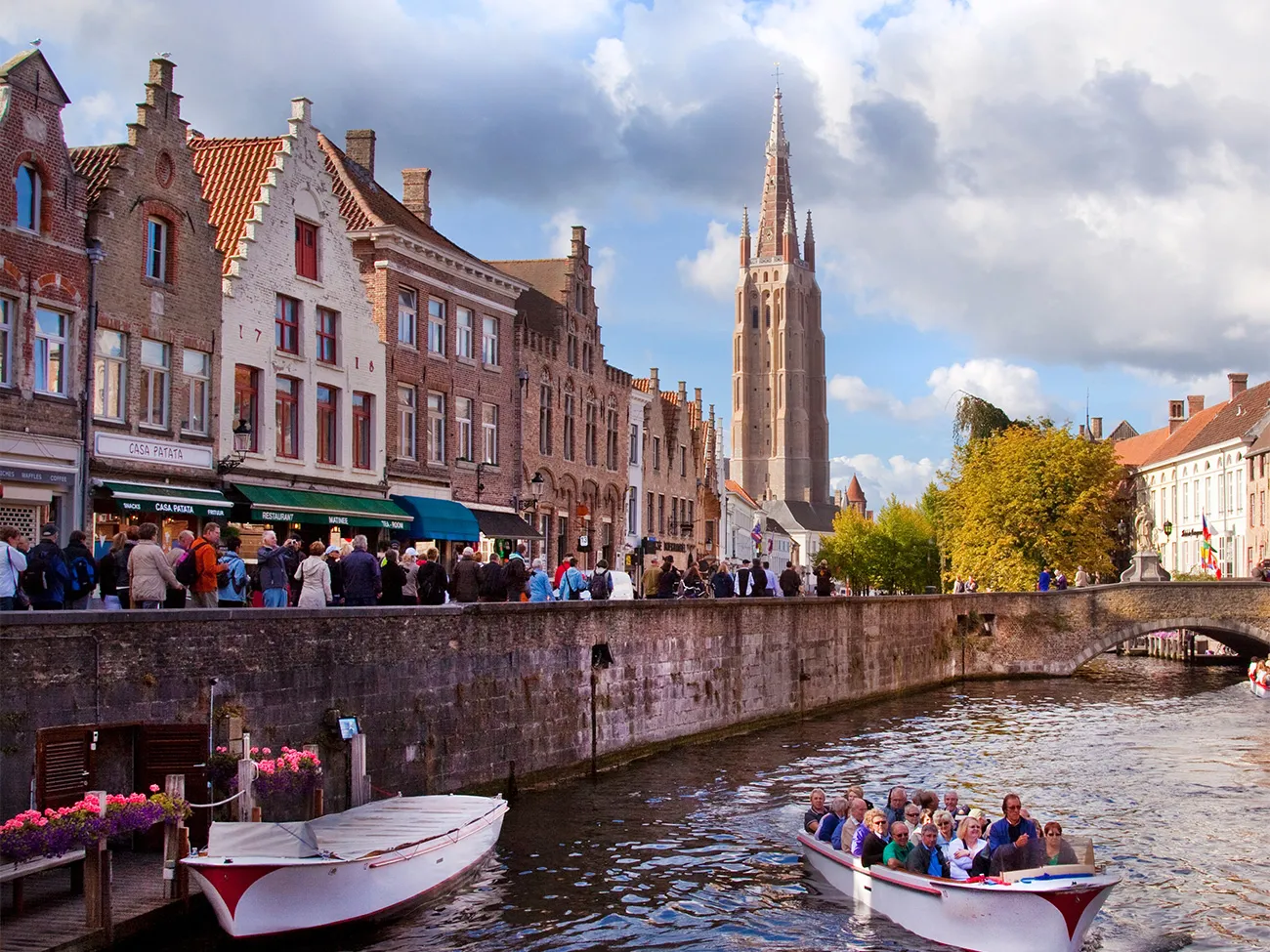
As the provincial capital of West Flanders, Bruges can boast a rich economic history. Today, it has a well-developed tourism and hospitality sector, a diverse range of family-owned SMEs and business clusters around the Port of Zeebrugge and in engineering and mechatronics. Mayor Dirk De fauw (CD&V) is optimistic: businesses have weathered the coronavirus pandemic well, and there is potential for further growth in the port, the health and social care sector, and the startup scene.
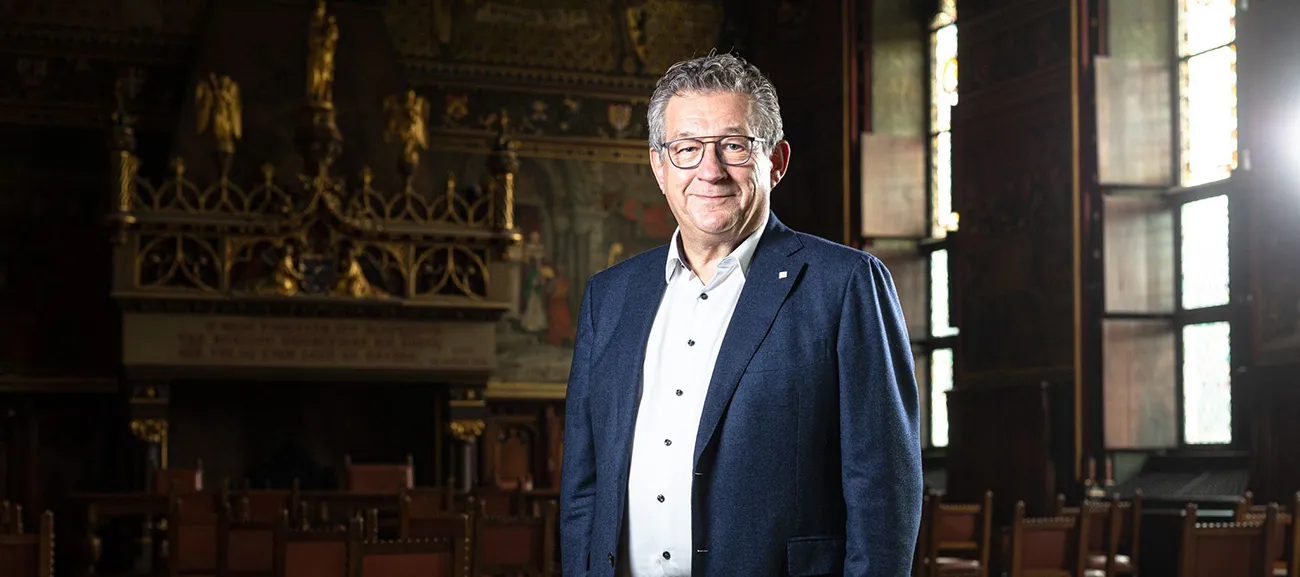
Bruges Mayor Dirk De fauw speaks
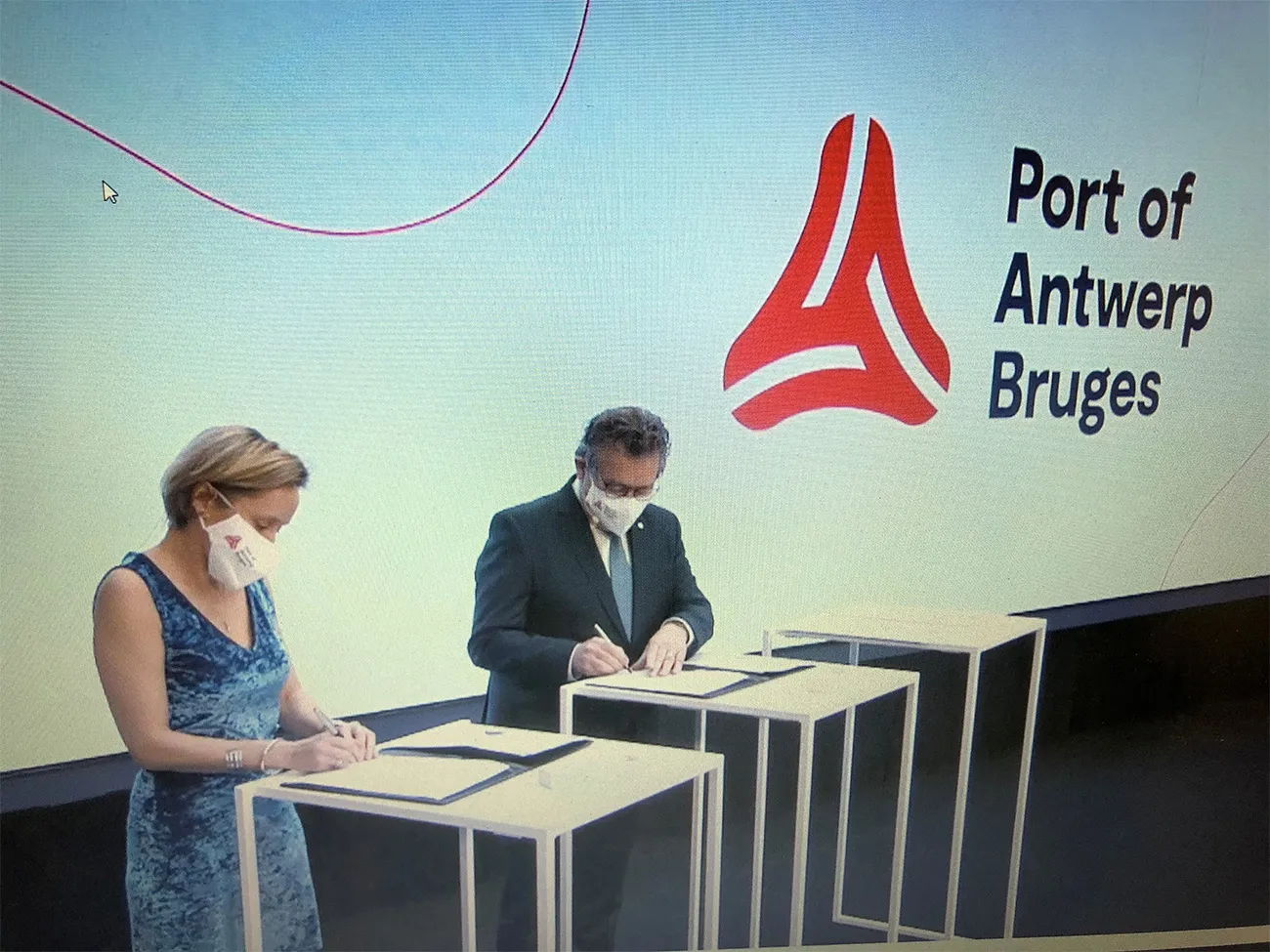
Mayor, let’s start with a current issue: the merger of the Port of Zeebrugge with Antwerp has finally become a reality. What will this mean for Bruges and the region?
Dirk De fauw: The merger of the two ports is significant. It should make sustainable growth possible at both locations. The combined port will become Europe’s leading container port, handling 157 million tonnes a year. We are one of the largest breakbulk ports and the largest for vehicle transhipment, and of course we will remain one of Europe’s most important chemical hubs.
We are now creating a port company that combines the best of both worlds: we want to grow our deep-sea and short-sea container activities. Further investment will be needed, with a balanced allocation between the two platforms: an agreement has been reached on additional container capacity in Antwerp, and the project for the new sea lock in Zeebrugge must proceed in full. We also want to connect the two locations much more closely by optimising freight rail transport, expanding estuary shipping, and developing a pipeline connection, which is also high on the list of priorities.
The combined port will remain an important driver of economic development in our region. We see added value for customers in Zeebrugge, for supplier companies, for employment and for the overall prosperity of our city.
Which areas offer new opportunities for the Port of Zeebrugge?
Dirk De fauw: We are resolutely taking the lead in developing the sustainable port of the future. The combination of Antwerp’s industrial cluster and our location on the North Sea coast offers a unique opportunity to contribute to the energy transition. We aim to act as a catalyst for the hydrogen economy by becoming an import hub for green hydrogen. Together with De Blauwe Cluster, higher education institutions and businesses, we are exploring how to develop the blue economy further.
The combined port also has significant strengths in digitalisation, enabling it to make the logistics chain more efficient, reliable and secure. Zeebrugge already had a number of projects under way, and we can now scale them up and improve them further.
Bruges has an economic fabric with many SMEs and a large tourism and hospitality sector. How have these businesses weathered the coronavirus pandemic?
Dirk De fauw: On the whole, our businesses have come through that period well. Almost half of the businesses that were in good health before the crisis are still doing well. 44% have been significantly affected, often in hospitality and retail, sectors that depend heavily on tourism. The remaining small group, around 6%, consists of businesses that were already in financial difficulty before the crisis.
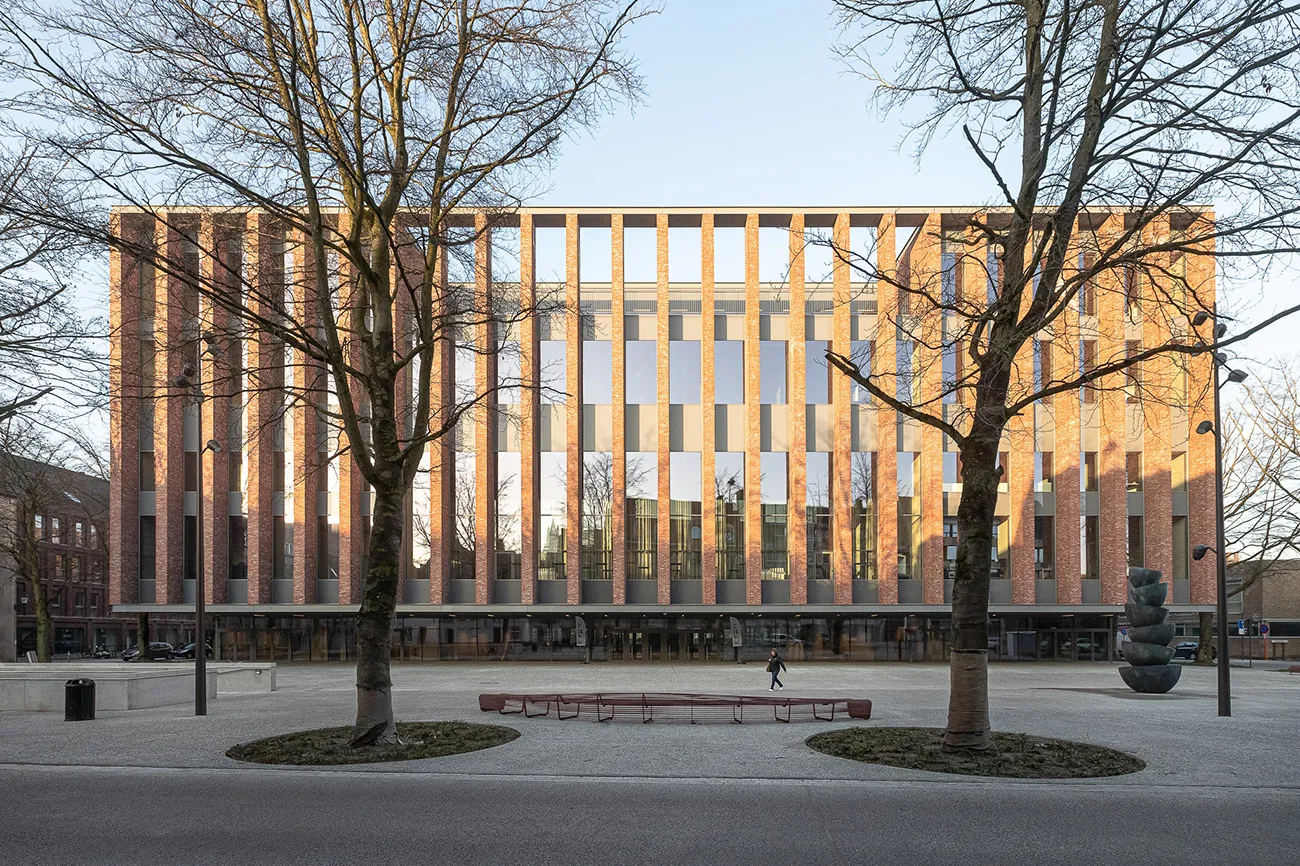
Since the start of this year, we have seen tourism pick up again: alongside domestic tourism, which received a major boost during the pandemic, we are seeing more French, German and especially Dutch visitors coming to our city to shop. Major Spanish tour operators have also discovered Bruges as a tourist destination. As a result, hotels are busy again at weekends. For midweek stays, we have high hopes for the revival of conference tourism, thanks in part to our brand-new BMCC.
Which sectors do you see as having economic potential for the future?
Dirk De fauw: We need to build on our strengths, but also step up our efforts in innovation and development. Bruges, for example, has a large health and social care sector. In consultation with the sector and higher education institutions, we will hire an innovation manager to identify needs and areas for action. We hope this will lead to an ecosystem of partners keen to develop, test and implement innovations.
There is also a great deal of activity around climate change, sustainability and the circular economy. Alderman Minou Esquenet coordinated our Climate Plan, and we are now taking concrete steps to make Bruges a climate-resilient city. We also want to become a hub for circular initiatives and will launch the first initiatives in this area with the province.
One of the challenges facing Bruges is that the city has far less appeal to start-ups than, for example, Ghent or Kortrijk. What does the city council offer aspiring entrepreneurs?
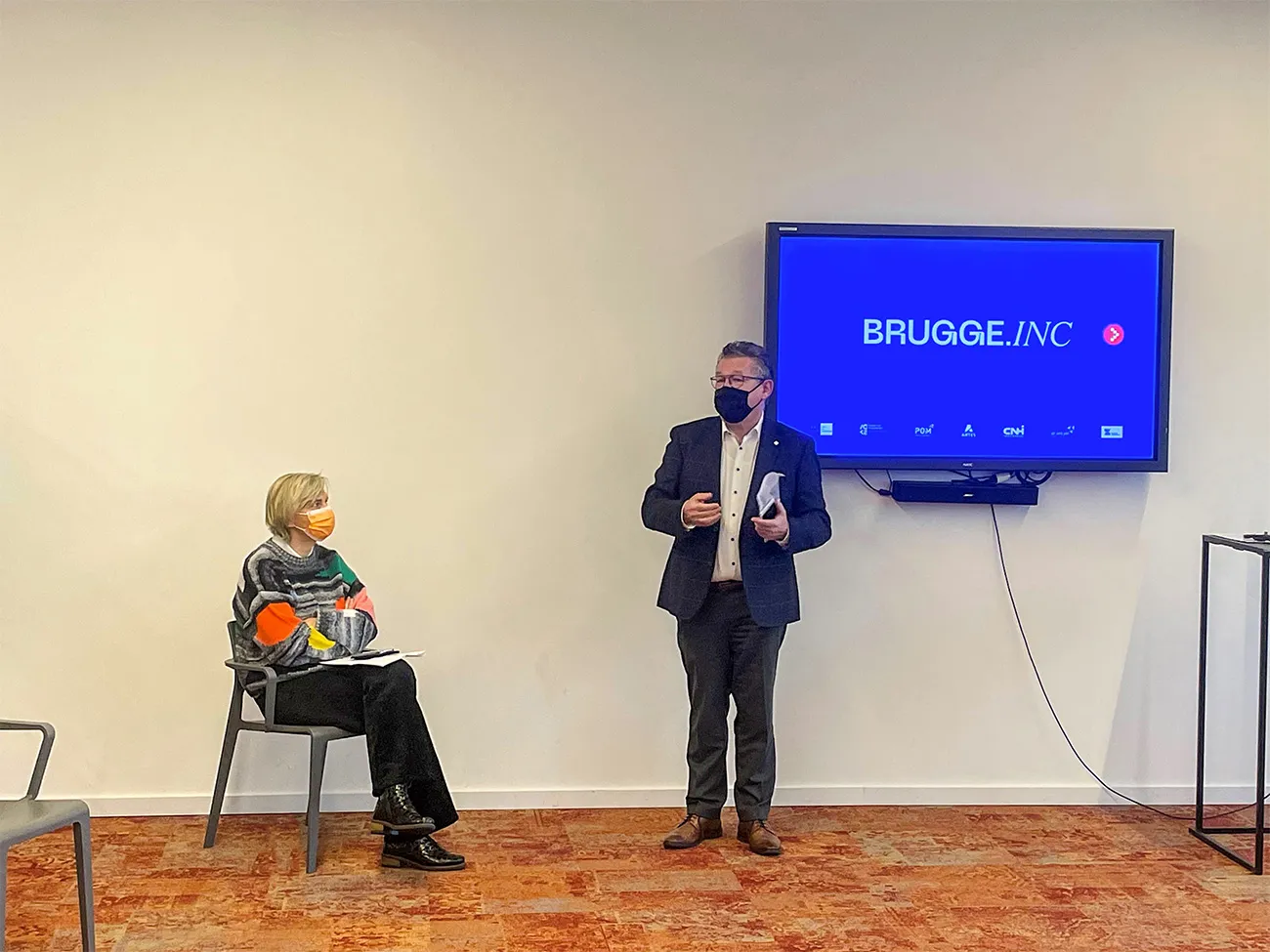
Dirk De fauw: Through the Turbo project, we encourage student entrepreneurs in higher education. That is where it starts: inspiring young people to set up something of their own. The POM offers aspiring entrepreneurs 1,000 credits through ‘Start and Go’ to purchase advice. As a city, we give Bruges residents an additional 200 credits. We have also set up the Brugge.Inc incubator at the station, together with Voka, which is now home to 12 start-ups. They are actively recruiting, which is a good sign. We are now looking for a suitable location to expand the incubator. And at the Chartreuse business park, which is in the planning stages, we are also setting aside space for spin-offs from the colleges and universities based in Bruges.
Another sticking point: the business community continues to call for more space to do business. Is there any progress?
Dirk De fauw: After years of wrangling, we have finally managed to secure more than 50 hectares of new business parks for our region: De Spie, Sint-Elooi and Chartreuse will hopefully be available by 2024. We are also continuing to push for a new business park along the Blankenbergsesteenweg, next to the site earmarked for Cercle Brugge’s new stadium. I hope we can make a breakthrough there during 2022.
Question about this story? Ask your question
Keep following this
Get an email when a new story is published. No account needed.
- ThemeBusiness growth and entrepreneurship in Flanders
- SubjectGeneral







