




“We are engaging with businesses to free up commercial space”
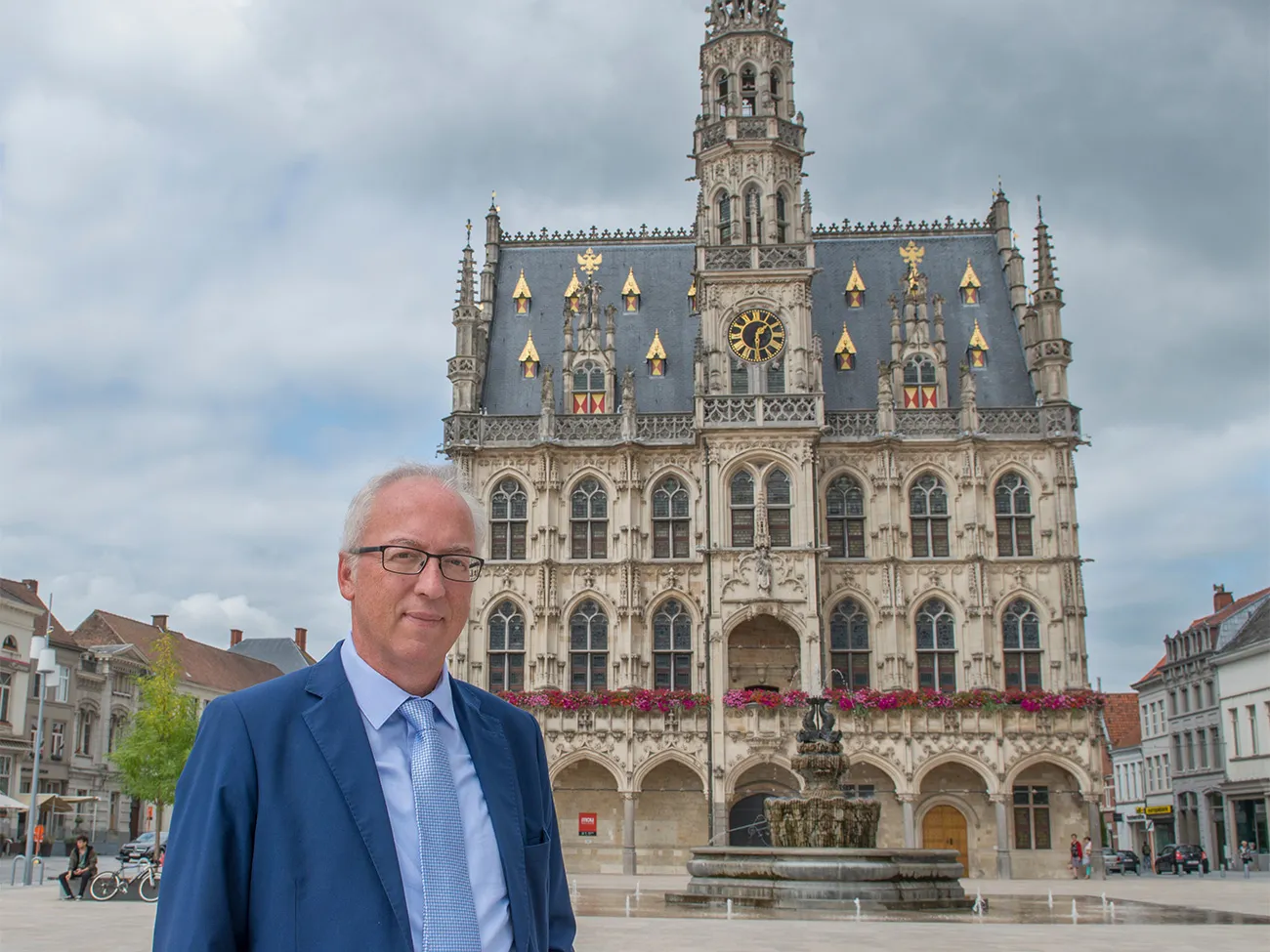
Oudenaarde Mayor Marnic De Meulemeester speaks
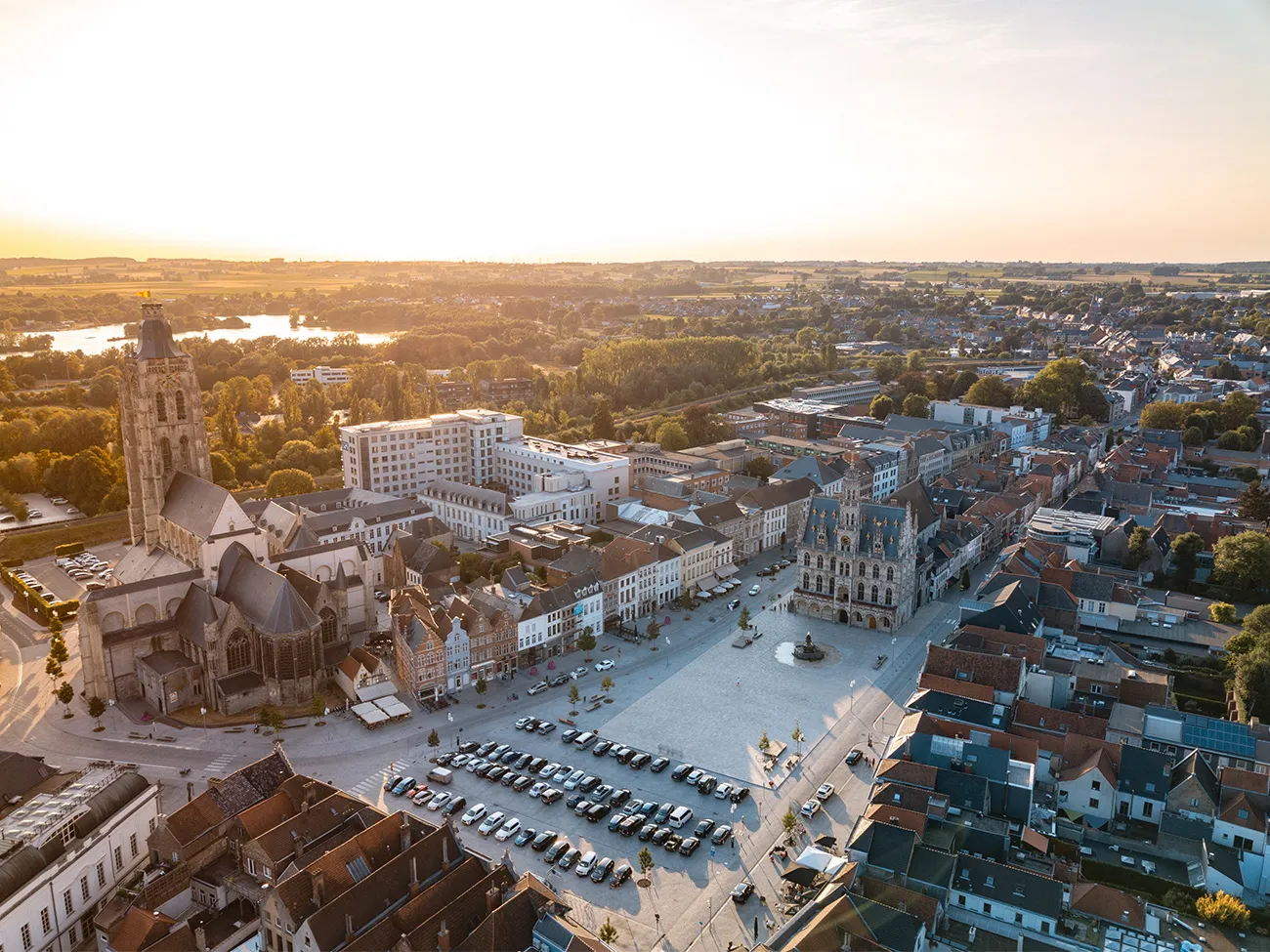
Oudenaarde’s history dates back to the late Middle Ages, when a settlement was founded on the River Scheldt. The city made its name across Europe with its tapestry industry. This was followed by the textile industry, for a long time the dominant sector in the Flemish Ardennes. Today, the area has a highly diverse business community, including both multinationals and SMEs. Mayor Marnic De Meulemeester (Open Vld) sees considerable potential and wants to develop long-term plans for new business space.
Mayor, what factors underpin Oudenaarde’s economic success?
Marnic De Meulemeester: First, our location between the major cities of Ghent and Kortrijk, with the N60 linking us to the E17 and E40. This old main road was upgraded 50 years ago to connect Ghent with the French city of Valenciennes. Thanks to its good accessibility, the N60 has become an economic artery, attracting many businesses along its route. Examples include the semiconductor manufacturer BelGaN (once part of the Alcatel group), Samsonite Europe, cable management systems producer Vergokan, sports brand Patrick and the head office of Willy Naessens’ swimming pool division.
Second, there is the interplay between large companies and SMEs. Large businesses still provide a great deal of employment and draw on a wide range of suppliers. They need logistics, machinery, packaging, company cars, catering and so on… This creates excellent opportunities for smaller businesses with specialised products and services. As a result, we have a highly diverse and therefore resilient business community.
Which sectors or activities do you see potential in for the future?
Marnic De Meulemeester: I am optimistic. Many of our existing businesses are growing strongly. I also see opportunities in services, logistics and high-tech startups. Sustainability, which is certainly a hot topic in business today, also offers plenty of opportunities.
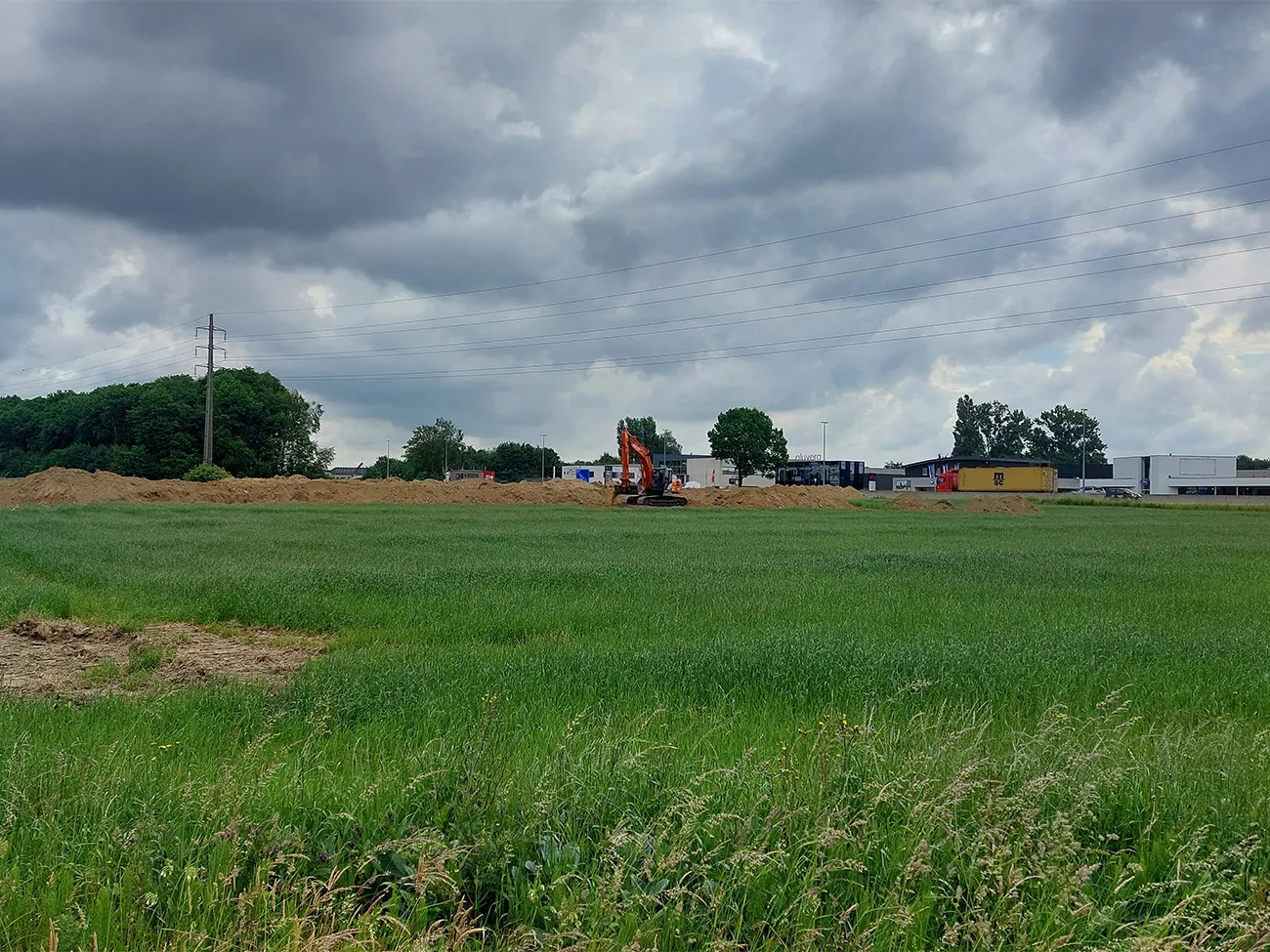
As a local authority, we want to help shape this development. Next year, work will begin on our last regional business park under the current spatial plans. Bruwaan-Noord is an 11-hectare site along the N60, at the roundabout in Eine. We have enlisted the intermunicipal company Solva to develop the site. It will create a sustainable business park, with a strong focus on reducing paved surfaces, more sustainable buildings, shared car parks and so on.
If this is the last industrial zone in the spatial plans, will you still have enough space for businesses in the longer term?
Marnic De Meulemeester: We should be frank: it is a problem. We are consulting with the provincial authorities to explore what options there are for providing new land. We need to act now, because such a process takes a great deal of time. But when we look at the area along the N60, we can see that it is already full today. I expect Bruwaan-Noord to fill up very quickly too.
Meanwhile, SMEs continue to approach us wanting to relocate or set up in Oudenaarde. At local level, we are therefore looking at how we can make full use of the existing business parks. Quite a few businesses own undeveloped land, which they bought with a view to future growth and expansion. We are engaging with those businesses to see if some of that vacant space can be put to use. It is not an easy exercise, but I hope we can free up additional sites in this way.
How does the city support entrepreneurs and startups?
Marnic De Meulemeester: We have made it a priority during this term of office to professionalise our services for businesses. We are expanding the business desk within the Economic Affairs department. We are currently recruiting a local economy officer to strengthen our services for startups and SMEs. Together with Voka and several neighbouring local authorities, we have also launched the Jobsin.vlaanderen vacancy platform to help businesses with recruitment.
We have drawn up a scheme specifically for entrepreneurs starting a business, providing a substantial grant to anyone launching a new venture. It is part of the recovery measures we introduced as a local authority in response to the coronavirus pandemic.
Last but not least, there is also the Bedrijvencentrum Vlaamse Ardennen, which provides infrastructure and services for startups at a reasonable rate. It is a real success story and is now embarking on its third expansion, alongside the refurbishment of its existing buildings. There is room there for around 40 businesses in total.
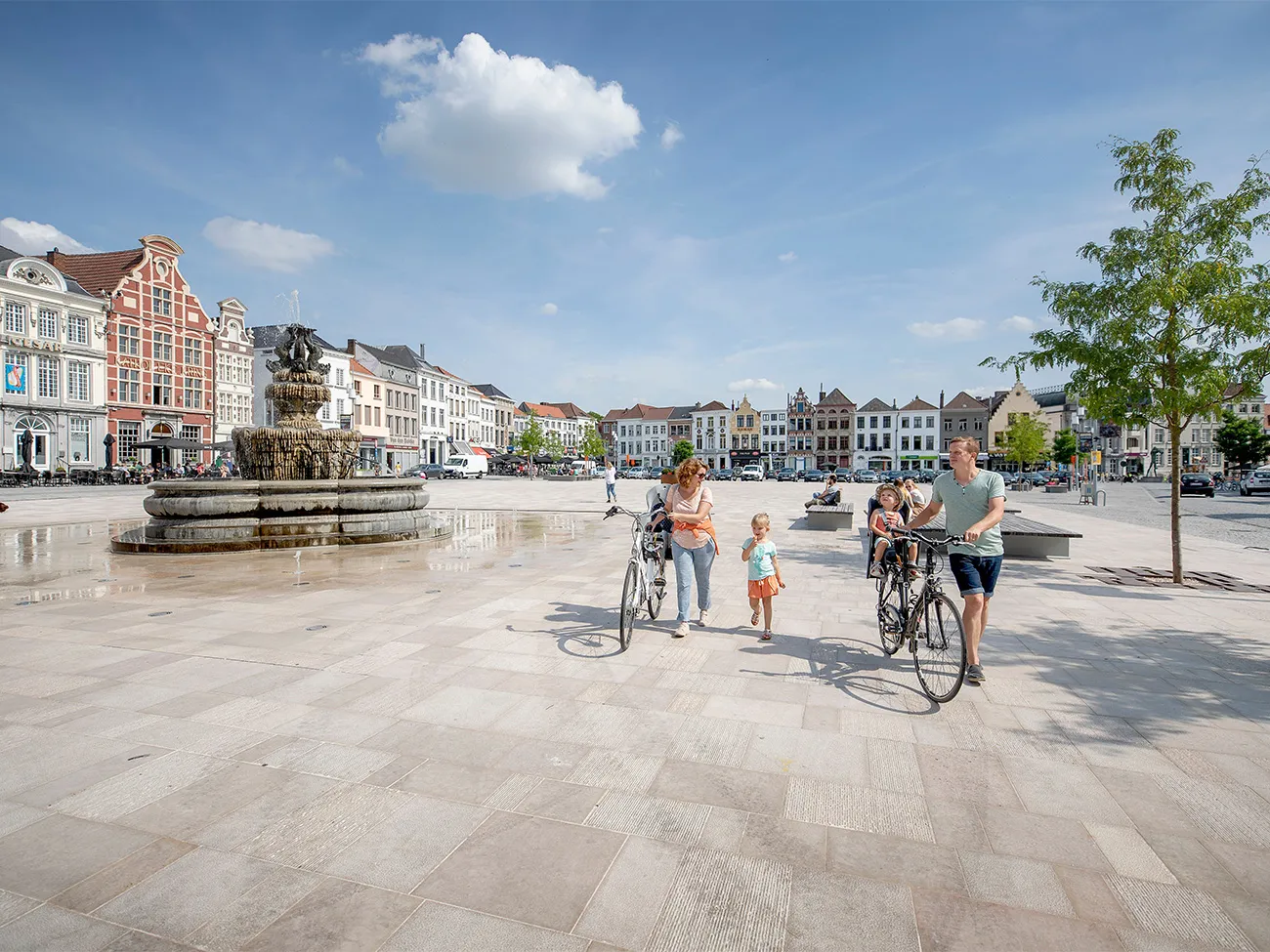
Oudenaarde also serves as a shopping destination. Has the coronavirus pandemic had a lasting impact on the local business community?
Marnic De Meulemeester: The impact on industry has been limited. But retail and hospitality in the town centre suffered. We have been in regular contact with all businesses, including through Voka and Unizo. Today, I can see that the hospitality sector is making a strong recovery, with vacancy rates falling in this segment. We are seeing, among other things, businesses moving into larger premises.
Shops are still struggling, though. A number of chains have left, for various reasons. Attracting new big names is not easy, as they generally want larger premises, which is not straightforward in our small town centre. Rents for retail premises were also a sticking point for some time: prices were too high, but I have noticed a return to more realistic expectations.
To tackle vacancies in the town centre, the city will invite all property owners to discuss the issue and find out what specific problems they are facing. Together with Vlaio, we already offer support for façade renovations. This is paying off: several owners are investing in refurbishing their retail premises.
Finally, what are you looking forward to over the next two years in economic terms?
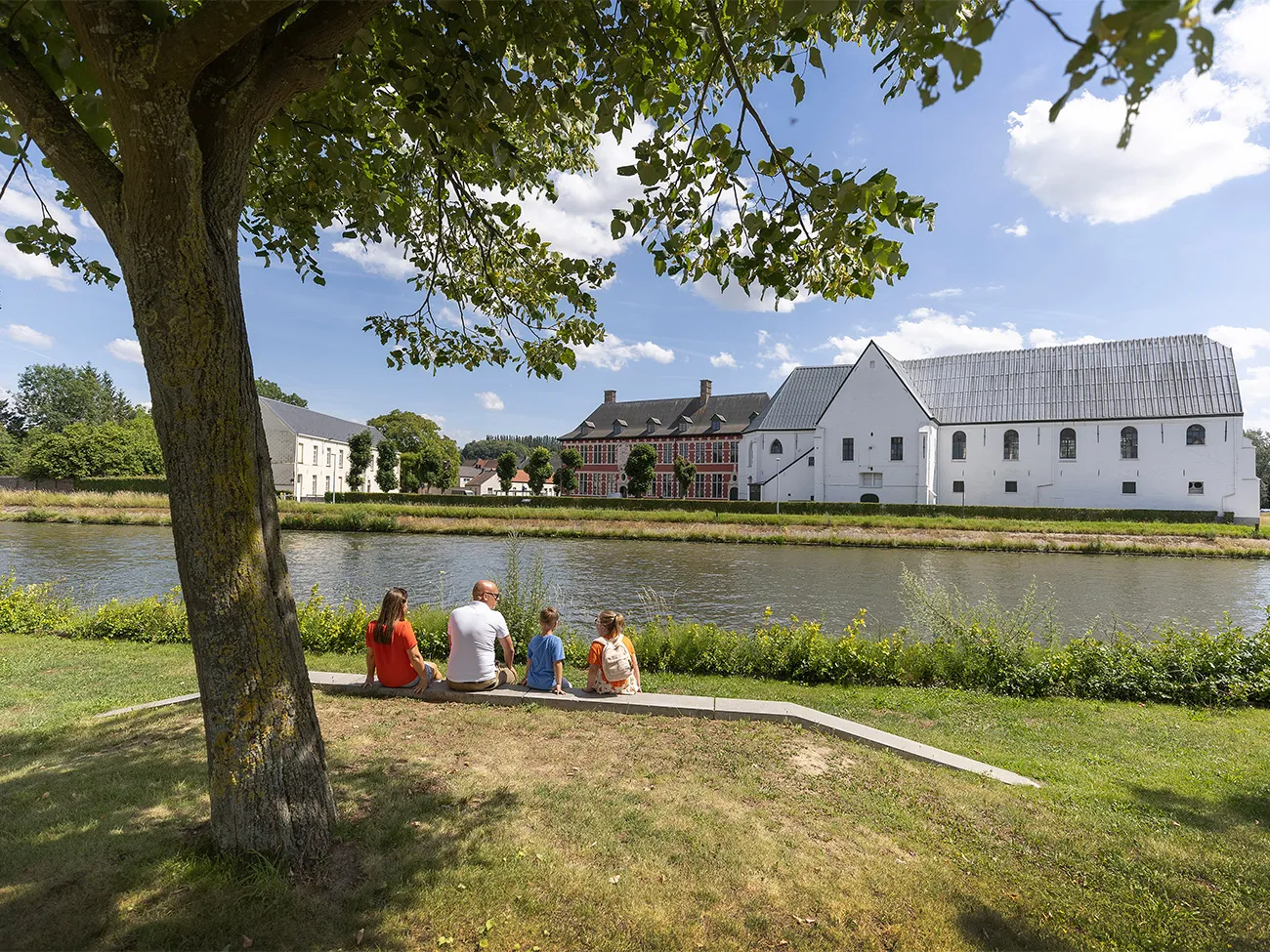
Marnic De Meulemeester: Oudenaarde is financially healthy, so we can continue investing in our services and infrastructure. We want to redevelop the former Santens site on Linkeroever into an area combining economic activity and housing. Next year, a new holiday park operated by the Roompot Groep will open on the former campsite at Donkvijver, with more than 200 holiday homes. This will stimulate the construction sector, tourism and local retail, while creating new jobs. The move of the Centrum Ronde van Vlaanderen to Maagdendale Abbey will create a new hub for cycling fans. The Ronde is an important calling card for our city, and the new centre will further strengthen the appeal of the Flemish Ardennes as a cycling tourism destination.
We also hope that work will finally begin on extending the N60 through Ronse, for which the Flemish Government has now at last chosen a route. This is important for Oudenaarde too.
Question about this story? Ask your question
Keep following this
Get an email when a new story is published. No account needed.
- ThemeBuilding and using business premises
- SubjectGeneral







