Manufacturing has 27,000 fewer jobs than 10 years ago
Text Bavo BoutsenImage Agoria
Jobs in Belgian manufacturing have been falling for years
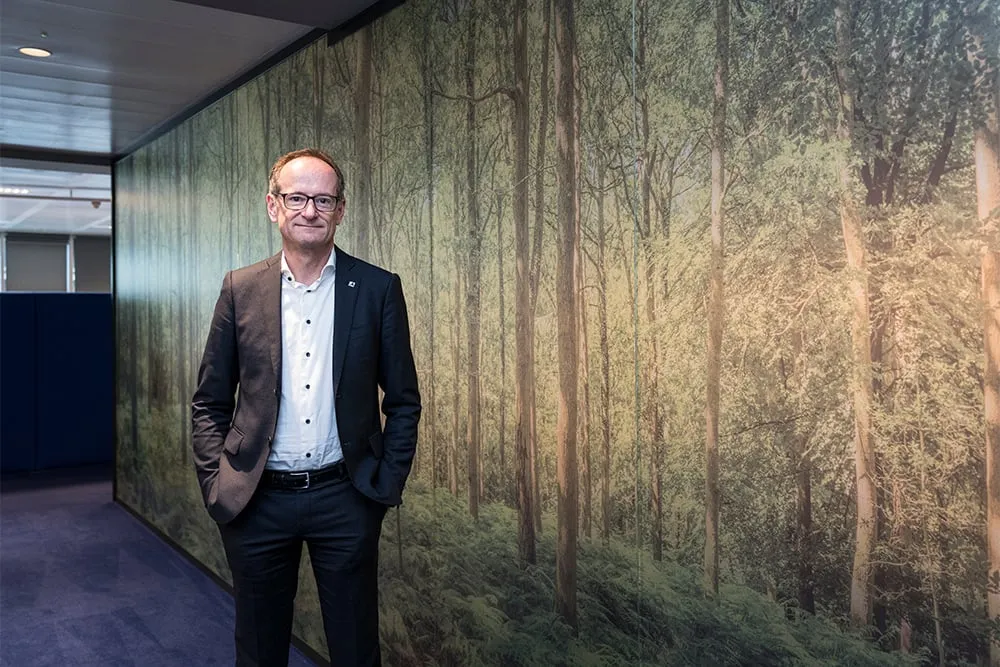
510,836 people were employed in Belgian manufacturing in 2020. That is a sizeable workforce, but employment fell in almost every year of the past decade. Figures from Eurostat show this. “Our industry urgently needs a long-term policy,” says Bart Steukers, CEO of technology federation Agoria.
Industrial policy is high on the agenda in the Wetstraat and beyond. Representatives of all branches of industry have been sounding the alarm for several months and calling for a more robust policy that puts the competitiveness of our businesses at its heart and addresses the accumulated cost disadvantages.
Their calls are backed by research from Eurostat, the European statistical office that conducts the EU Labour Force Survey every year. The latest figures published, for 2020, show that a total of 510,836 people were employed in manufacturing. That is almost 27,000 fewer than 10 years earlier.
Bart Steukers, CEO of technology federation Agoria, is not surprised: “Our industry urgently needs a long-term policy that focuses on the basics and helps our businesses move forward rather than holding them back. This requires efforts at every level. At European level, we need to ensure a level playing field. The major European countries take a very relaxed approach to state aid rules. And when you compare our industry with that of neighbouring countries, you see that we struggle to compete on many fronts. Our labour costs are rising faster, energy costs are higher and our permitting framework is far less stable. So there is work to be done by the federal and regional authorities.”
Eurostat figures also confirm that labour costs have risen sharply in recent years. The average cost per full-time employee rose steadily from 66,200 euros in 2011 to 80,900 euros in 2020. Recent events, both in the chemicals sector and at bus manufacturer Van Hool, show that there has been no reversal since 2020. Automatic wage indexation has played a part.
Yet manufacturing is crucial to our future, according to Steukers. “Without innovative manufacturing companies, it is impossible to meet our climate targets. We have genuine world champions here, along with a unique ecosystem of fantastic SMEs that give their all every day. We should be proud of them. The more I have got to know these companies over the past few years, the more faith I have in them,” he concludes.
Question about this story? Ask your question
Keep following this
Get an email when a new story is published. No account needed.
- SubjectThe figure