




Power station in Zwevegem gets a new lease of life
Text Roeland Van Den DriesscheImage Leiedal
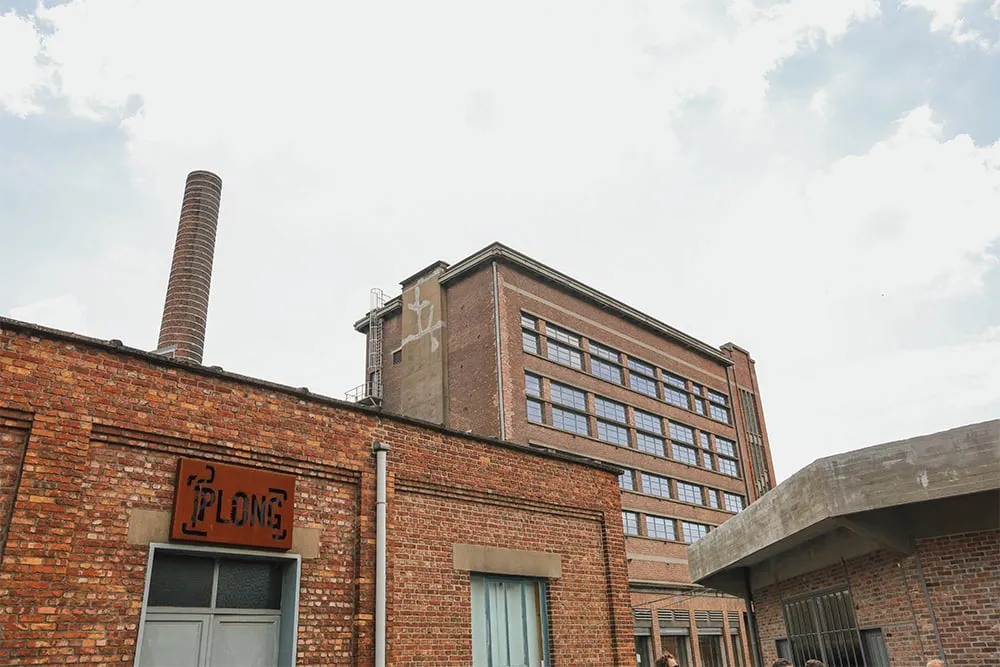
Work has been under way for four years to give the old Transfo power station in Zwevegem a new purpose. The work is now complete, and the result is a multifunctional heritage site of 10 hectares where living, working and leisure come together. A local electricity grid running entirely on direct current provides a large share of the energy supply, a first for Flanders.
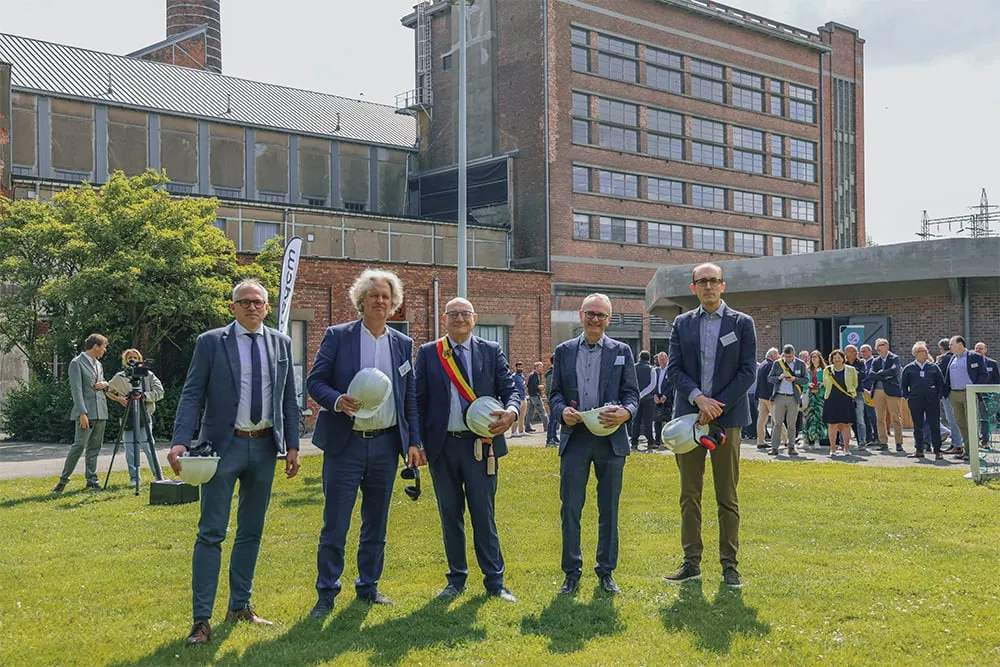
It is late June 2020: the European Commission gives the green light to RE/SOURCED, a European project aimed at developing a circular, self-sufficient energy system at Transfo, the site of the old power station in Zwevegem. The project received an operating budget of €5 million and has now been completed, four years later. “The backbone of the system is a local distribution grid running on direct current, which connects renewable energy sources with energy storage sources. The key advantage is that no energy is lost through unnecessary conversions. This will be a model of local climate neutrality,” explains Donal O’Herlihy, an expert with the European Urban Innovation Actions (UIA) programme.
Self-sufficient and circular
Choosing direct current not only saves energy, it also requires less material. “You get more capacity from the same amount of cable,” Donal continues. Since cable is a valuable commodity today, this also makes financial sense. “Everyone knows that the energy transition is essential to meeting climate targets, but the flip side is that it increases demand for raw materials such as steel, copper and lithium. Here, we have tried to address this by making the energy system as circular as possible. For example, we have compiled a materials database for the smart grid system, so we know exactly which valuable raw materials are present, making reuse and recycling easier.”
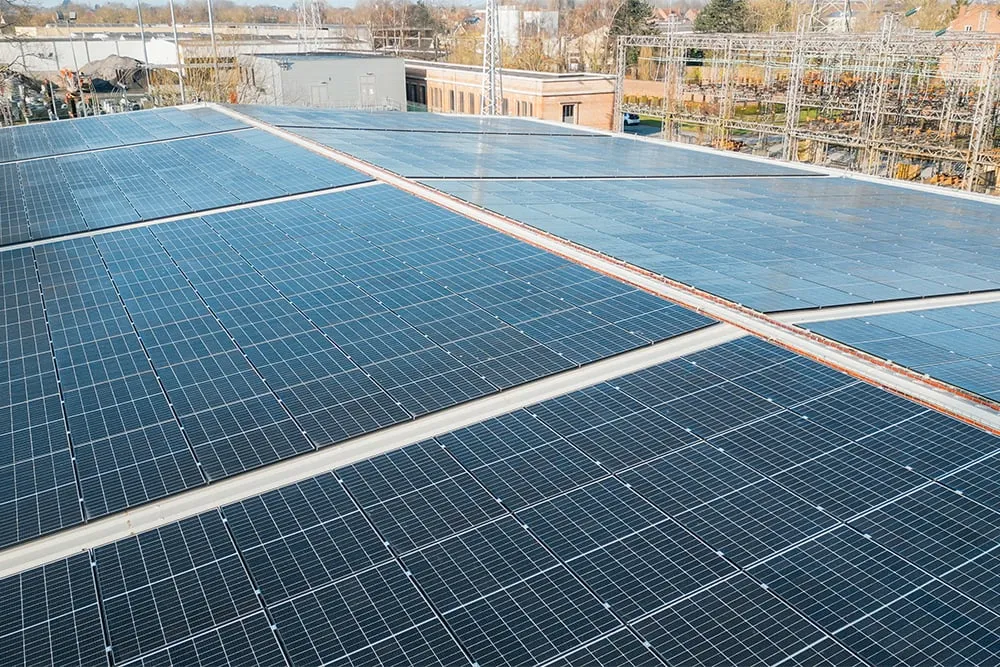
The entire energy system will also be intelligently managed using artificial intelligence. “The system will become increasingly accurate in predicting when energy will be generated and when it is likely to be used. This will allow us to optimise energy flows, for example to charge electric cars flexibly.” These electric vehicles are a crucial link in the system as a whole. “They consume energy, but can also store surplus energy. When production is high, such as on sunny afternoons, vehicles can store energy for use later during peak demand.”
For schools, households and businesses
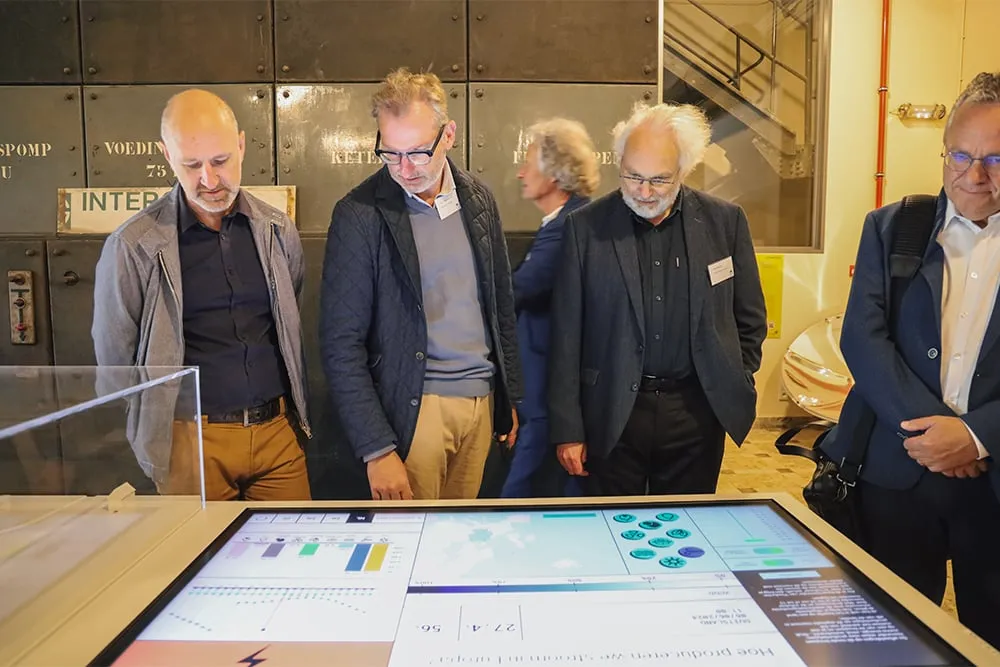
This means the entire Transfo site is self-sufficient. “But explaining the story simply is a challenge,” adds project coordinator Merel Goossens. “A lot of different themes come together here. That is why we wanted to make the knowledge gained from this project available to citizens, schools, associations, interested members of the public and industry professionals. The result is an interactive visitor trail, featuring an information centre with interactive installations. Outdoors, we have mainly used playful installations, such as a floor that lights up when you dance on it and a swing that measures your energy.”
The Flemish energy innovation cluster Flux50 also supported the project, for example by helping to set up a DC docking station. “It is a kind of direct-current socket where companies and research institutions can test new types of storage and generation. In this way, Transfo serves as a test bed and opens its doors to innovative companies that want to test and commercialise their technologies. This is a unique project in every respect, and research and government institutions have done excellent work over the past few years. The results are here, and I hope they will provide a starting point for a new wave of technological innovation in the energy sector,” concludes Frederic Loeckx.
Question about this story? Ask your question
Keep following this
Get an email when a new story is published. No account needed.
- SubjectGeneral







