




“People will always choose quality and will be willing to keep paying for it”
Text Bavo BoutsenImage De Witte Zwaan, Miko Coffee Service
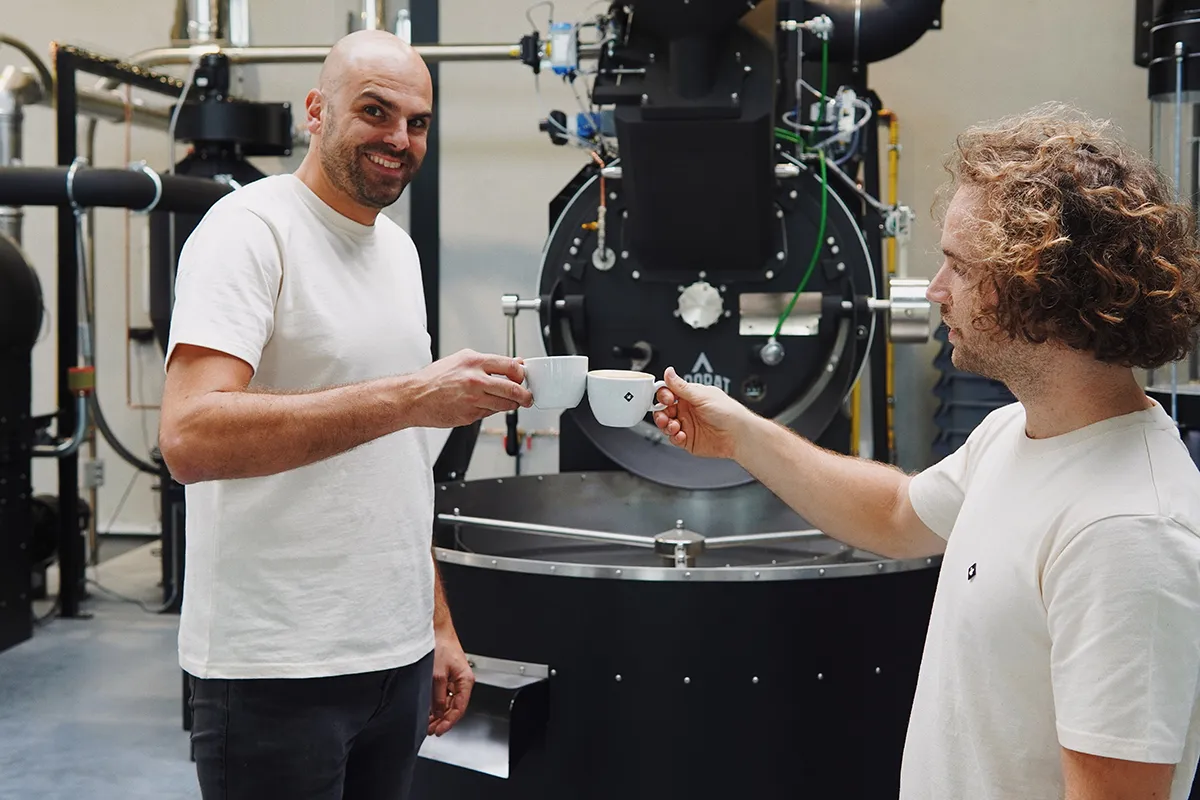
Coffee remains a workplace essential
Few things are as closely intertwined as coffee and the workplace. In fact, in recent years there has been growing recognition that coffee at work is much more than just a hot drink. That is precisely why coffee suppliers are optimistic about the future of office coffee, despite historically high coffee prices. “It has a direct impact on wellbeing at work.”
Although working from home has become commonplace since the coronavirus pandemic, companies are investing more than ever in high-quality workplace facilities. Good coffee is one result of this. Coffee suppliers have mainly diversified and expanded their offerings. “There is an upgrade under way in terms of quality. Machines that use instant or freeze-dried coffee are becoming increasingly rare. More and more people are opting for bean-to-cup machines,” says Kim Van Rossem, who is responsible for the office and hospitality markets in Belgium at Miko Coffee Service. “We can see that people are drinking better-quality coffee at home and expect the same at work.”
“We see, for example, that when an employer provides only low-quality coffee, colleagues often take the initiative to chip in themselves so they can have better-quality coffee. This is certainly true of younger employees, who generally place greater importance on quality than quantity,” adds Pieter-Jan Goemaere. He is co-owner of De Witte Zwaan, a smaller coffee supplier that deliberately focuses on smaller SMEs.
The coffee-bar experience
This focus on quality is generally also leading to more conscious choices about the coffee beans used in these machines. “Sustainability and fair prices are hot topics. In the office market, certified coffee already accounts for 50 per cent of our sales, and we expect that share to continue to rise,” says Van Rossem, a view wholeheartedly shared by Goemaere: “Quality and the story behind fair-trade coffee are particularly important. People want to know where their coffee comes from and how it is processed.”
The physical space occupied by these coffee machines at work is also changing. “More and more companies are choosing dedicated coffee corners instead of having lots of machines dotted around the workplace. In large companies, there is an increasing trend towards concepts with an in-house barista, bringing the feel of a coffee bar into the workplace,” says Kim Van Rossem. “Companies want to offer a moment of calm and a boost. It brings people together and motivates them, directly affecting wellbeing at work,” Goemaere adds.
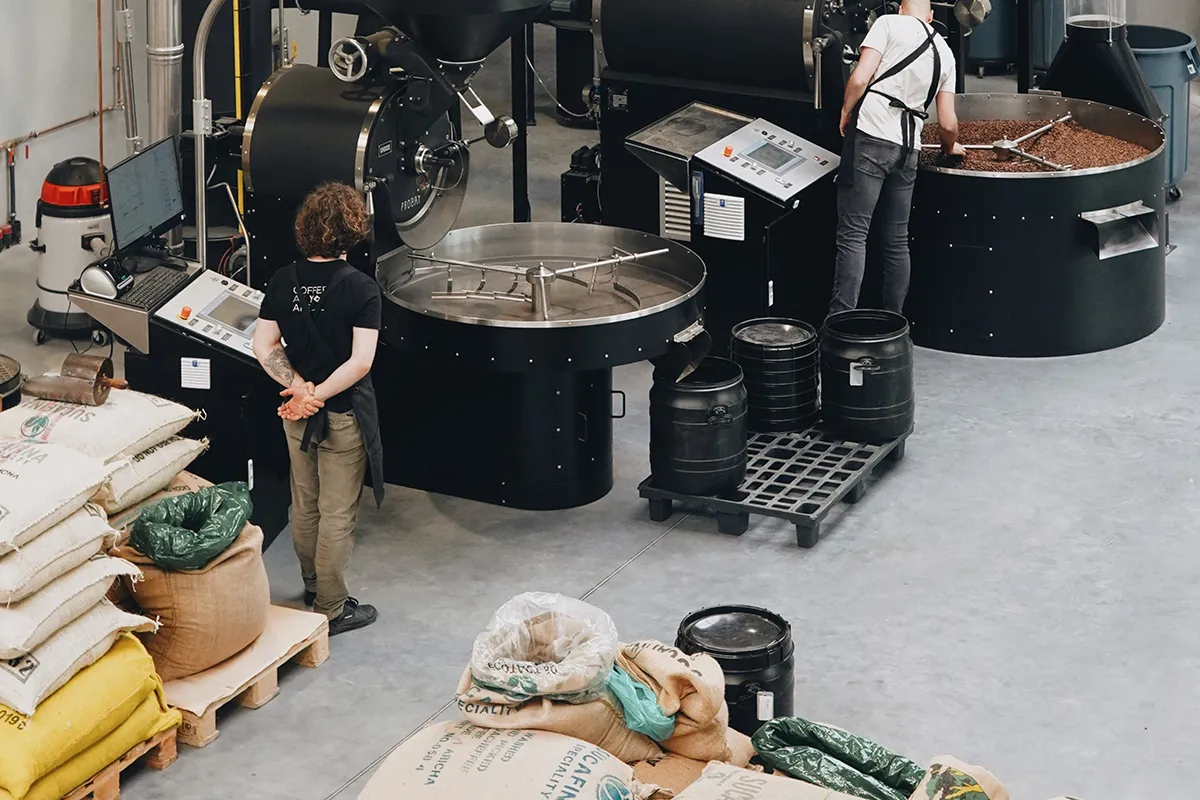
Historically high prices
It may seem obvious that coffee has an important place at work, both literally and figuratively, but this stands out when we factor in the cost. The historically high prices of raw materials in recent years, and particularly in recent months, have driven coffee prices to unprecedented levels. “Since November last year, we have seen increases of up to 50 per cent in raw material costs, partly due to speculation in the market,” says Pieter-Jan Goemaere.
Moreover, there are currently no signs that prices will fall again any time soon. Kim Van Rossem says: “This is due to climate change, which is forcing many coffee plantations to relocate to higher ground. This makes mechanised harvesting more difficult, so picking is being done by hand again, which is of course more expensive. At the same time, demand for coffee in Asia continues to rise. That is also pushing up prices.”
Coffee suppliers have no choice but to pass some of these price increases on to their customers. So far, however, this has not led to a reduction in the number of workplaces offering free coffee. “Business owners and facilities managers are well aware that many employees see coffee as directly linked to wellbeing, and that is not something they will be quick to cut back on in the current climate,” Van Rossem explains.
De Witte Zwaan takes the same view. “I don’t think the price per cup compares with what would happen if you took away your employees’ good-quality coffee today. There would be an uprising, so to speak. People will always choose quality and will be willing to keep paying for it. I’m 100 per cent convinced of that,” Goemaere concludes.
Question about this story? Ask your question
Keep following this
Get an email when a new story is published. No account needed.
- SubjectGeneral







