




Kortrijk puts Belgian EdTech sector further on the map

“Bringing expertise together to raise our profile”
The EdTech sector is booming. Belgium is keeping pace and wants to play an international role in further technological innovation in education and training. A new hub has been set up in Kortrijk to develop the EdTech ecosystem further. “Flemish EdTech is increasingly proving its worth as an export product. By joining forces, we can become a European reference point,” says Thomas Van Cauwenberghe, coordinator of <edtech/station>.
Pupils and teachers are increasingly turning to digital learning packages. Digital technologies are also being used more and more for training and further training in business settings. Hybrid learning and mobile learning are becoming established, and the development of these educational technologies offers opportunities for our economy. A whole range of Flemish EdTech companies are already active internationally.
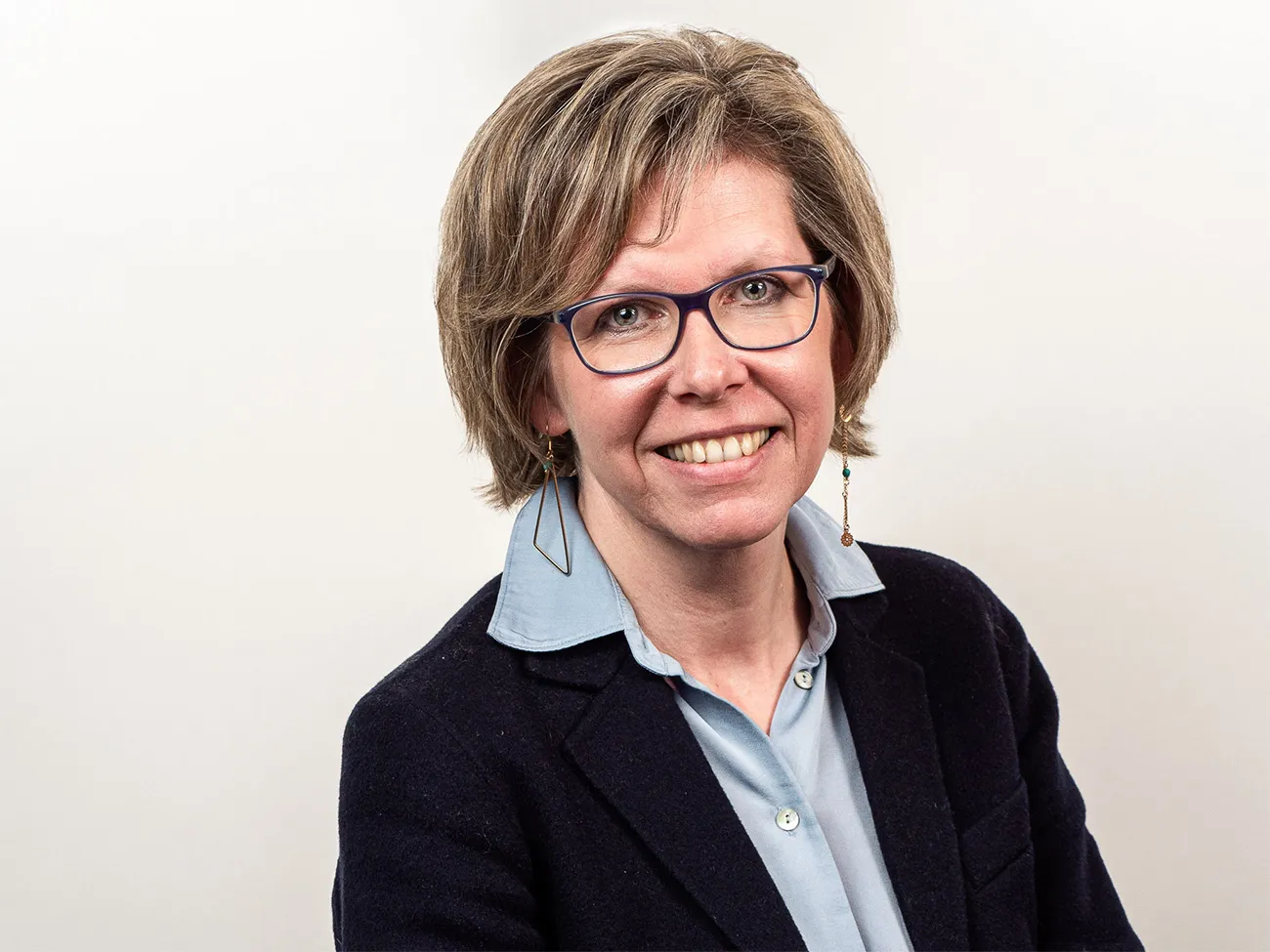
“However, many of these companies have gone it alone, and there was really a need for a central place where they could experiment and exchange experiences. It is no coincidence that we chose Kortrijk as our base. KULAK, with its Itec research centre, as well as other local knowledge centres, have been working on smart education, virtual reality and artificial intelligence for some time. We also have a number of companies in East and West Flanders, such as Barco, Televic Fourcast and Signpost, that have a strong focus on training and further training,” says Thomas Van Cauwenberghe.

Using technology to support lifelong learning
<edtech/station> aims to become a co-creation hub. It can also count on support from the Flemish Government. “The importance and social value of EdTech should not be underestimated. The Covid-19 pandemic has demonstrated that. Distance learning is here to stay,” says Jo Brouns, Flemish Minister for the Economy, Innovation and Work. “Moreover, if we want to address labour shortages, we also need to move towards a truly learning society. Technology will accelerate that change.”
Manual.to shares that belief. The Ghent-based start-up was launched in 2016 and has developed a platform that enables companies to create their own digital manuals and training courses. Jorim Rademaker: “Every employee needs to learn how to do their job properly and safely. We do this by giving them the opportunity to help shape their own education, training or manual, for example by making videos in which they play the lead role. A survey of our customers shows that this approach works. It not only boosts productivity, but also motivates employees and helps companies retain them.”

“Ultimately, the investment has to pay off,” adds Kathleen Heireman, managing director of EdTech start-up Squidll. “Lifelong learning is crucial if a company wants to secure its future and remain competitive. Most companies realise this, but I still find that the time set aside for training is falling rather than rising. So you need more flexible formats that allow employees to choose when they take their training. That is how our on-demand platform for professional language coaching came about. Employees can book a session with one of our language coaches online at any time of day.”
The ecosystem as a driver of further growth
Squidll and Manual.to are both high-growth companies. One chose Kortrijk as its base, while the other opted to develop its activities in Ghent. “Ghent has a distinctive ecosystem with a global outlook. It has paved the way for us to expand internationally,” says Jorim Rademaker. “But in and around Kortrijk, too, we are constantly challenged to make the most of our innovation potential and push our boundaries. That will help us become a leading player in Europe,” concludes Kathleen Heireman.
Question about this story? Ask your question
Keep following this
Get an email when a new story is published. No account needed.
- ThemeBusiness growth and entrepreneurship in Flanders
- SubjectGeneral







