




Ghent Mayor Mathias De Clercq speaks
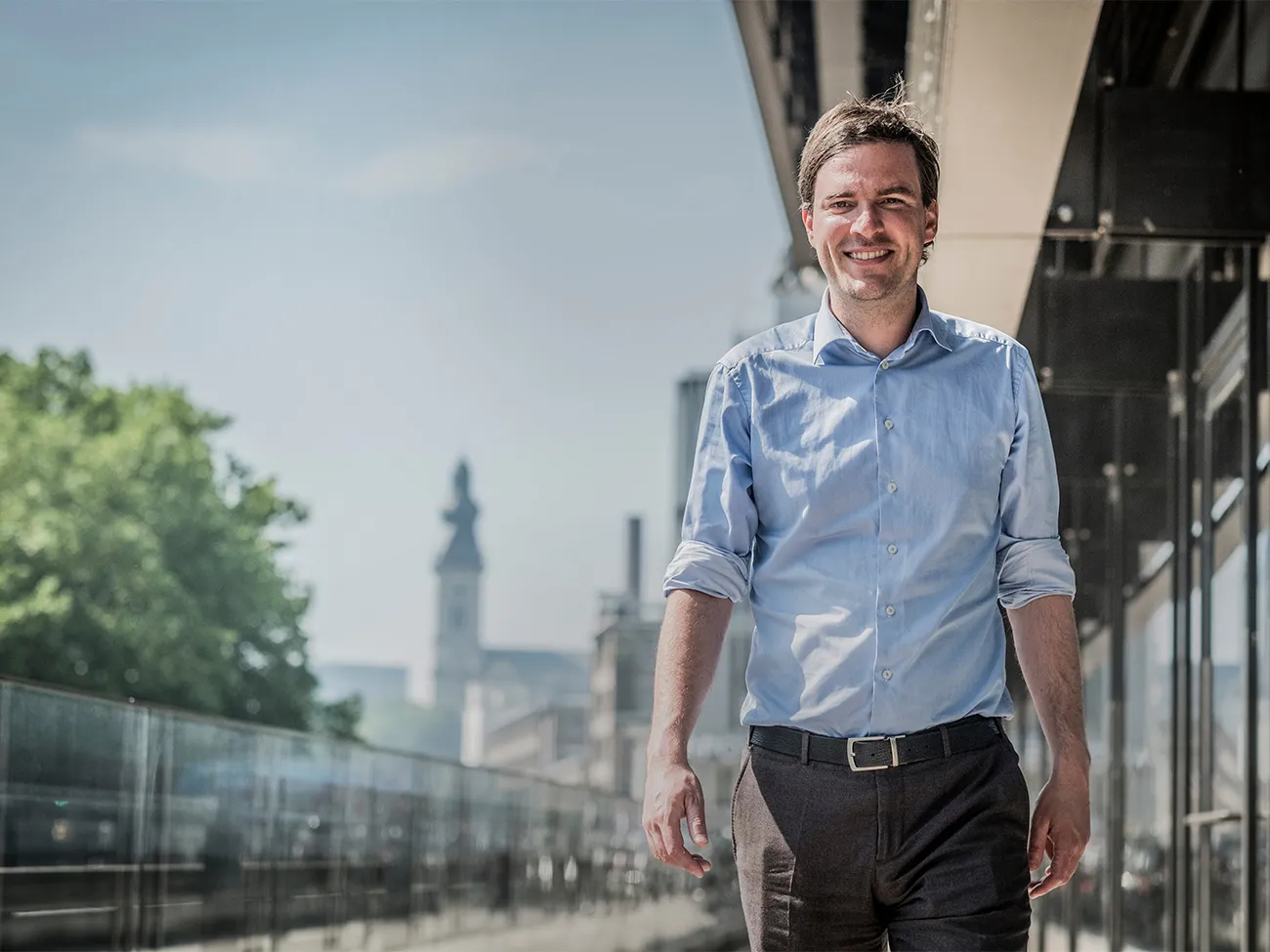
“We want to make our economy diverse, resilient and future-proof”
Ghent has long been an industrial stronghold with significant port activity. The city’s great success over the past decade has been to preserve these strong foundations while also fostering an extensive start-up ecosystem, with Teamleader, Showpad and In the Pocket serving as role models for many young tech entrepreneurs. Mayor Mathias De Clercq (Open VLD) has ambitious plans and wants to continue on this course without wavering: “We want to become Europe’s technology capital.”
Ghent’s economy does not fit into a single box. Which sectors are its mainstays today?
Mathias De Clercq: To begin with, we have our port, home to major players such as Volvo Cars, Volvo Trucks and ArcelorMittal, as well as a range of industrial SMEs, many with a long history. In the south of the city, the emphasis is on the knowledge economy. We have a university and several universities of applied sciences, which provide a steady stream of creative entrepreneurs and highly trained employees.
We are strong in a number of key sectors, including biotech, digital innovation and cleantech. The achievements of the ecosystem around the Flanders Institute for Biotechnology since Professor Van Montagu’s time have been impressive. We are proud of Argenx and the dozens of other companies that have emerged from this cluster. A strong ecosystem has taken shape around digital innovation, with Dok Noord among the places providing a home for it. The cleantech sector is developing at Tech Lane Ghent, including at Eiland Zwijnaarde and the Technologiepark.
So Ghent provides fertile ground for entrepreneurship. We may not be the biggest city, but we are very forward-looking and internationally focused. It is encouraging that many technology companies making a name for themselves abroad choose to keep their headquarters here.
Your city is a major draw for entrepreneurs starting out and for start-ups. What role does the city administration play in this?
Mathias De Clercq: When I was still alderman for the economy and entrepreneurship, I worked on a comprehensive policy to support start-ups. We focus on four pillars. First, there is our start-up contract, which provides entrepreneurs starting out with up to 5,000 euros in support. We also make it possible for start-ups to set up their businesses free of charge. That may be a small gesture, but above all it shows that we value entrepreneurship. Start-ups know that the city is behind them. Third, there is the Ondersteuningspunt Ondernemers Gent, where entrepreneurs can get answers to all their questions. Finally, we also actively help them find suitable office space or a business park.
One of your ambitions is to make Ghent Europe’s technology capital. What would that involve?
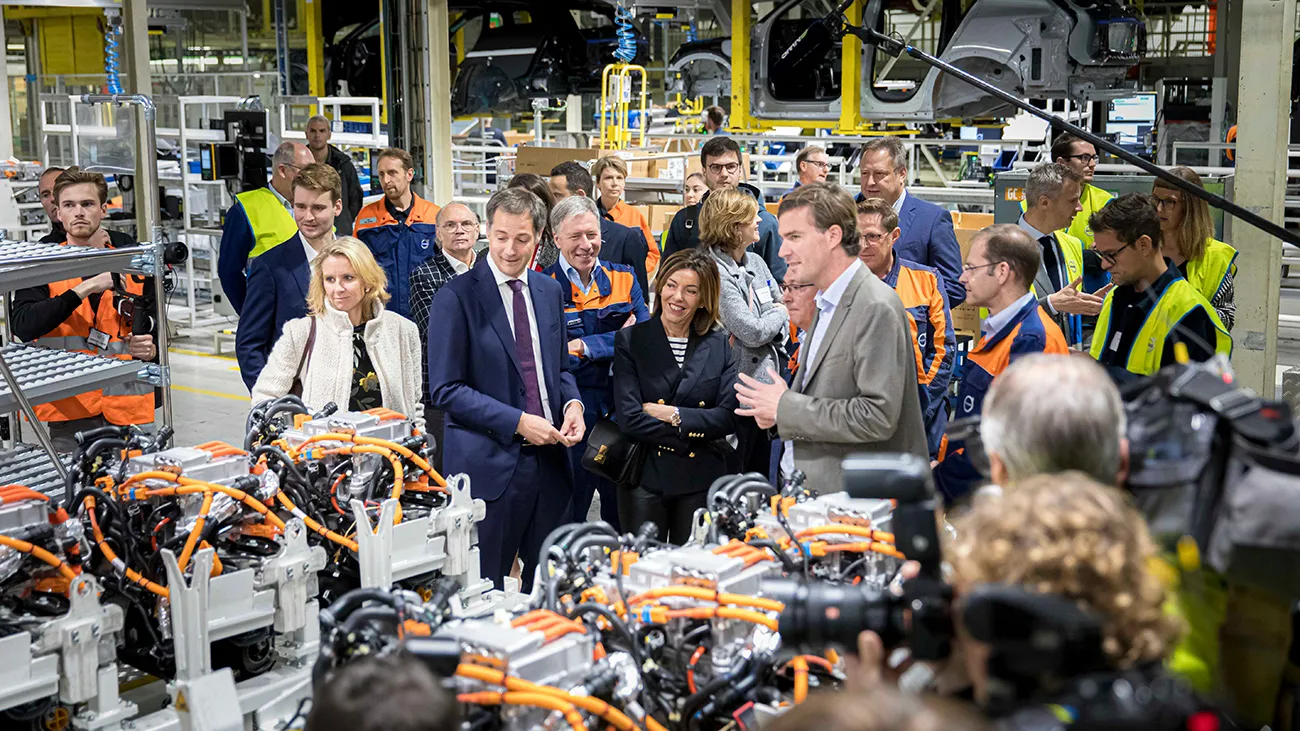
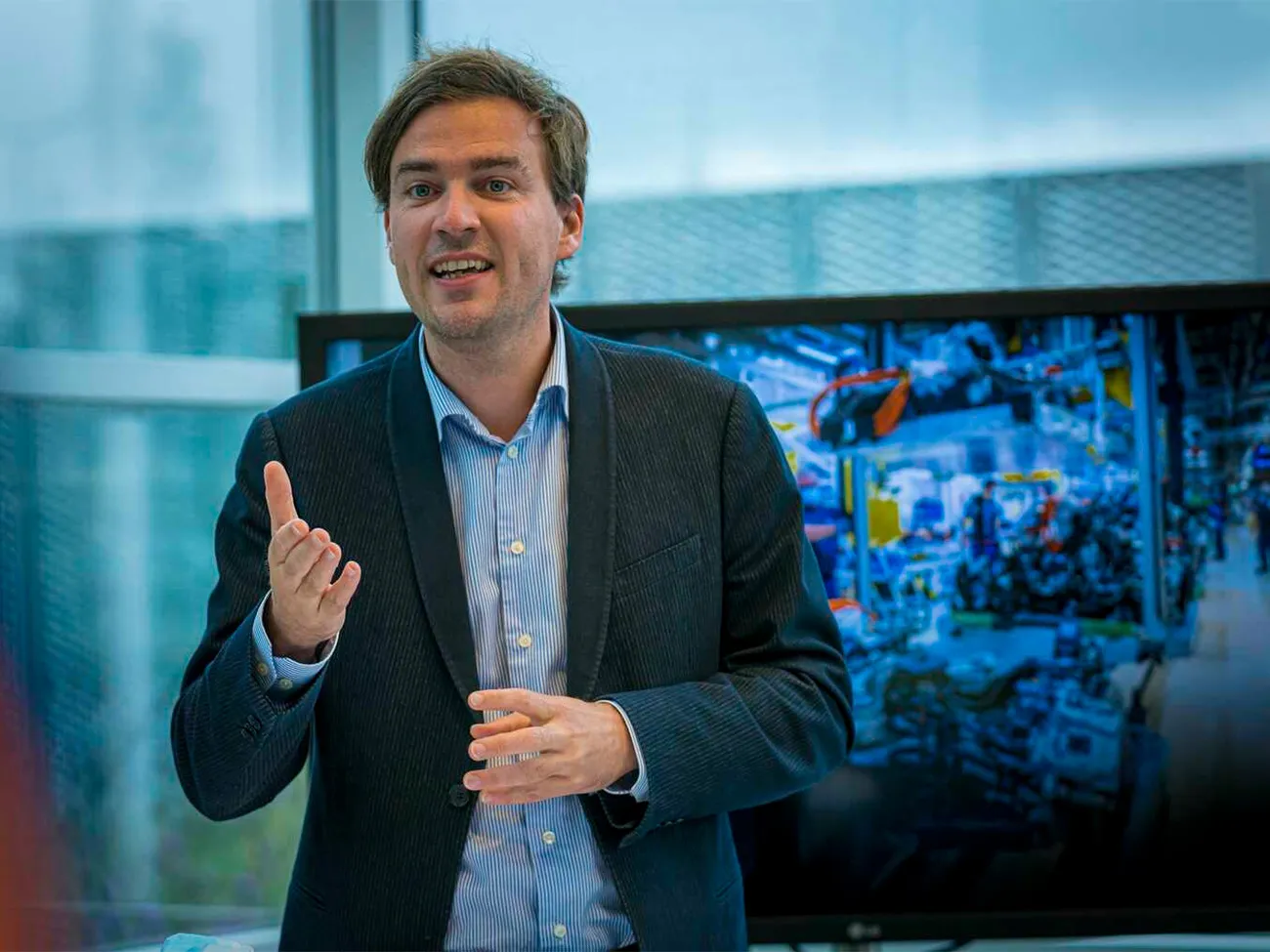
Mathias De Clercq: As a city administration, we look ahead: how can we make our economy diverse, resilient and future-proof? Technological innovation has an important role to play. That is why we focus on a number of key sectors and work closely with Ghent University and our universities of applied sciences. One fine example of what this approach can achieve is the collaboration between 20 partners in the port of Ghent on capturing and reusing CO₂ in valuable applications such as fuels and building materials. We have a dual aim: to ensure these sectors create additional jobs and prosperity, and to help address societal challenges, for example by making our city climate-neutral. This autumn, we will also be launching the UP-festival for the first time, giving everyone the chance to discover what Ghent has to offer in terms of innovation.
How can the city pursue its own economic policy?
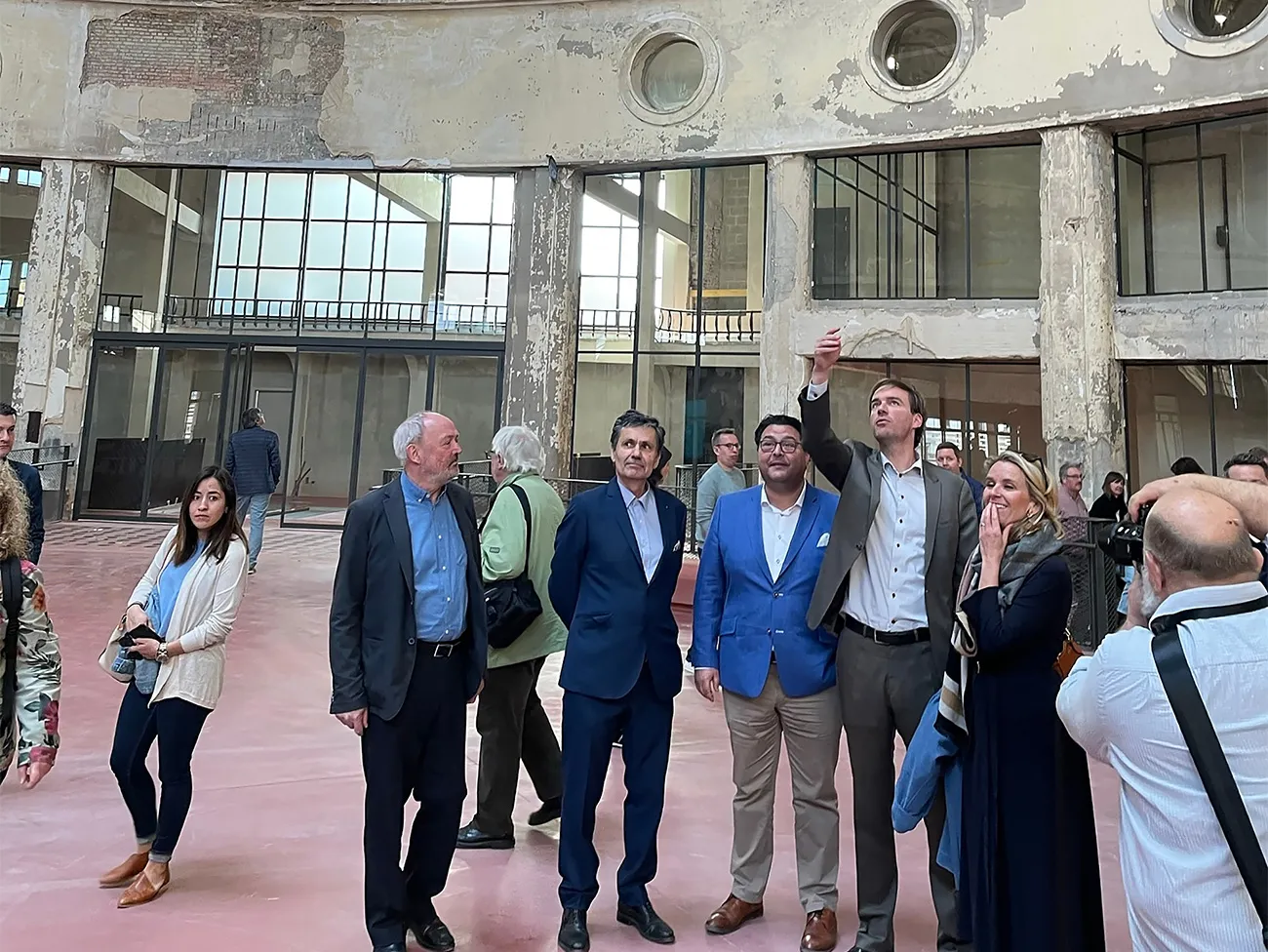
Mathias De Clercq: First and foremost, through spatial planning. We are providing additional space for SMEs and large companies. For example, we helped develop Eiland Zwijnaarde, which will grow into Tech Lane Ghent, and Wiedauwkaai, a business park of almost 15 hectares for local manufacturing companies. In the heart of the city, the renovated Wintercircus will open in 2023 as an innovation hub for start-ups and scale-ups, combined with, among other things, a rock venue, an auditorium and retail space.
We work closely with the business community to help shape our policies. This takes place through the Ghent Economic Board, as well as through specific initiatives. At the start of this term of office, we signed a Ghent Labour Pact, in which we and various partners, including VDAB, employers’ organisations and trade unions, aim to address the mismatch in the labour market.
And when an issue arises, we look for solutions. I am pleased that we have reached a pragmatic compromise for Christeyns, a company that has been based on Afrikalaan for decades but is now surrounded by new residential neighbourhoods. The agreement takes into account the construction of the Verapazbrug. The company will remain firmly rooted there, while we improve the quality of life for local residents.
Which economic project are you most proud of?
Mathias De Clercq: I remain proud of the Start-up Contract, through which we have given hundreds of Ghent start-ups a significant helping hand. Several of them now have thriving businesses, which is gratifying. I am also very proud of the merger of the ports with Zeeland Seaports. It had been discussed for 30 years, and several attempts had been made, but none had succeeded. At the end of December 2017, we finally managed to get everyone pulling in the same direction. North Sea Port is tremendously important for continued growth in an international context and for attracting new investment.
Mobility is a contentious issue in Ghent. Entrepreneurs do not always agree with the choices the city has made. Is Ghent still accessible enough?
Mathias De Clercq: It is a misconception that our city is difficult to reach. On the contrary, traffic congestion in Ghent is low compared with cities such as Antwerp and Brussels. We obviously need to listen carefully to what entrepreneurs have to say, but this is often a matter of perception. We do have a circulation plan that keeps through traffic out of our city. But that is a deliberate choice to make the city pleasant and safe. The coronavirus pandemic has also shown that we need to do even more to create attractive public spaces. If we want to compete with e-commerce, we need to make the most of the experience our city can offer. We will also provide more information about getting to our city, including car parks, park-and-ride sites and cycle routes, so that people are better informed.
Question about this story? Ask your question
Companies in this story
Keep following this
Get an email when a new story is published. No account needed.
- SubjectGeneral
- CompanyTeamleader







