




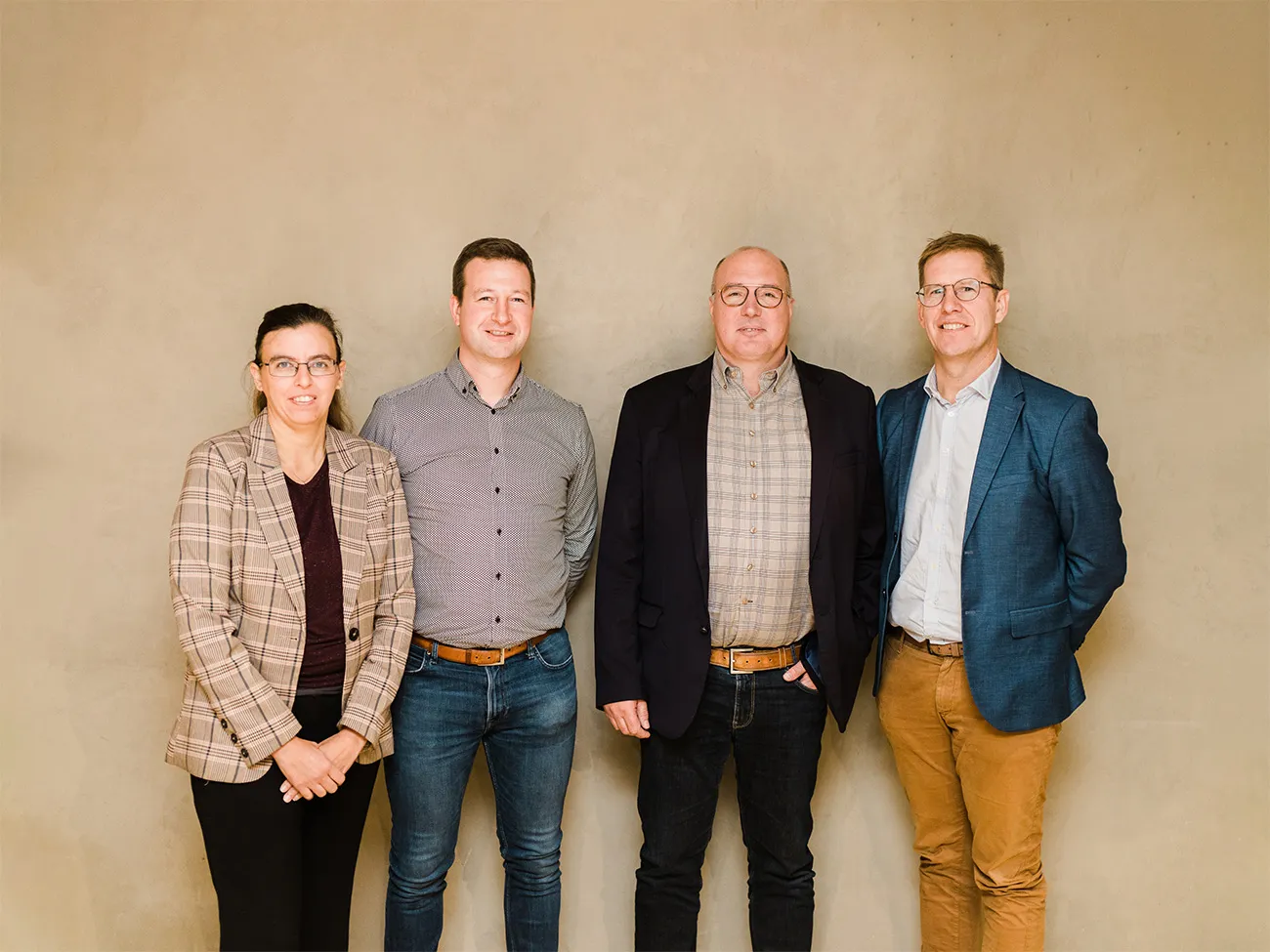
Four directors of social enterprises sit down together
“The war for talent is good news for our employees”
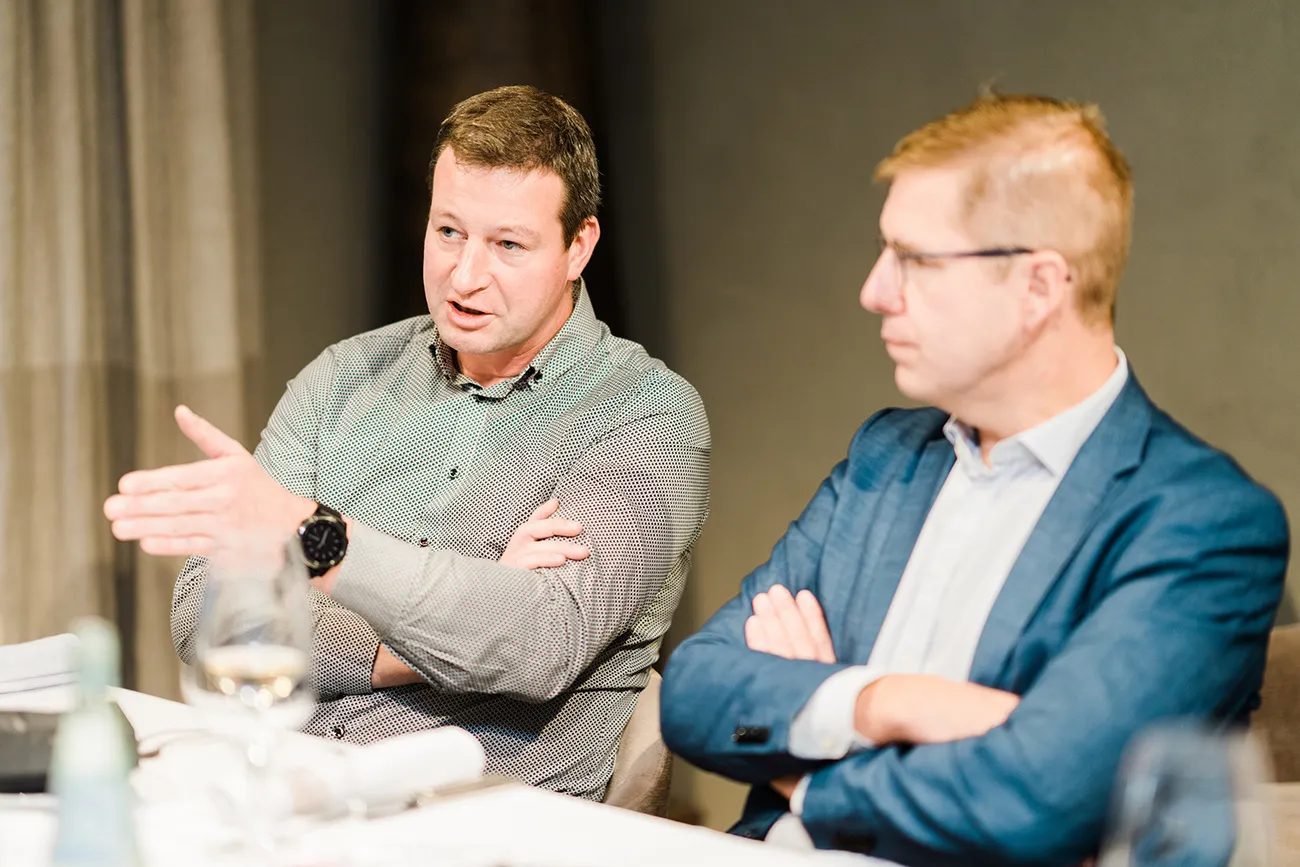
Social enterprises are an essential link in our economy. Their role is social, giving people who face barriers to employment the chance to work. They also play an economic role as suppliers to mainstream businesses. How are social enterprises dealing with issues such as the energy crisis and the war for talent? And how do they view the future, with a recession looming? Business Vlaanderen brought four directors together: Gunther Bamelis (Forena Groep), Karolien Hulsbosch (Zonnehoeve Production), Tim Vannieuwenhuyse (WAAK) and Tom Wauters (Ateljee vzw).
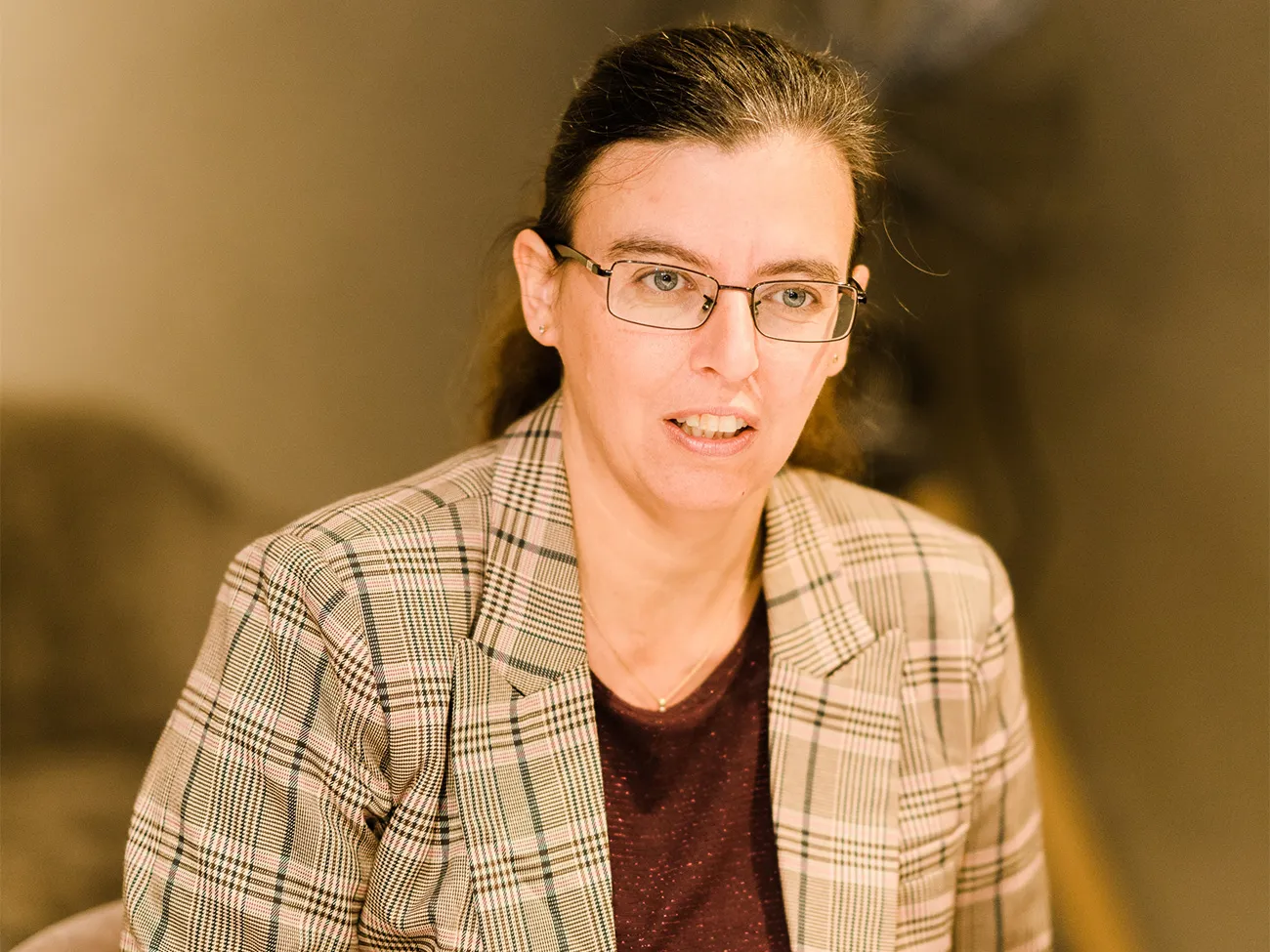
It is clear that, like many business leaders, directors of social enterprises also need to be good crisis managers today. Our guests seem to have come through the Covid-19 pandemic relatively well. “Ateljee vzw includes charity shops and catering operations, among other things,” explains Tom Wauters. “We noticed that consumers had become more aware of sustainability. During the first wave, we received far more goods than usual, which posed a challenge for stock management. We also saw people buying more in our charity shops. That was fortunate, as it allowed us to offset the losses in our catering operations. They were closed for a long time, and occupancy fell by half.”
The pandemic’s silver lining
For Zonnehoeve Production in Nazareth, which derives 70% of its turnover from manufacturing beds, bed bases and other wood products, Covid was a relatively good period overall. Karolien Hulsbosch: “When we were allowed to restart production, demand for our products rose sharply. Many people were investing in their homes: a new bedroom, new doors and so on. That worked in our favour. But there was a downside too: the price of wood rose sharply in 2020 and lead times increased from 2 weeks to 5 to 6 months. So we had to build up a larger stock, and we don’t know whether we will ultimately be able to pass on that cost. Meanwhile, the price of wood is falling again.”
Gunther Bamelis, head of Forena Groep, which brings together the social enterprises ’t Veer and Sowepo, recognises that experience: “With activities including metalworking, assembly and woodworking, we operate in sectors that came through Covid well. We evidently had the right customers. Our clothing division also seized the opportunity to manufacture face masks locally. But we too are now facing rising raw material and energy prices. We need to monitor them closely.”
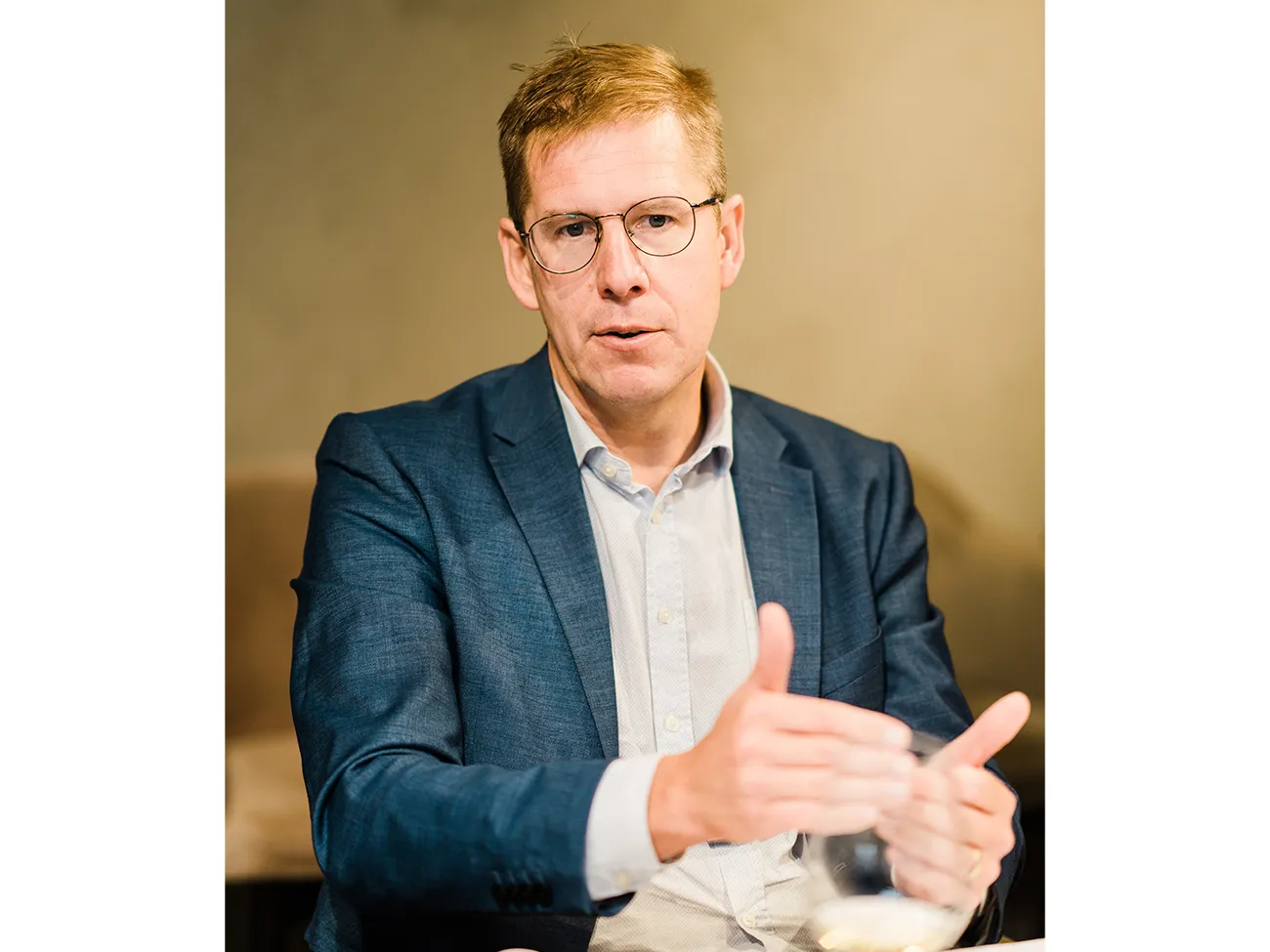
For WAAK, the pandemic was a turning point that has had a lasting impact on its strategy. “We are a large organisation with more than 2,000 employees. We organised ourselves so that employees could safely resume operations in smaller groups of 100. However, this meant we could not handle the same volume of work,” says Tim Vannieuwenhuyse. “We therefore had to make choices and deliberately phase out some customers. As a result, in the second half of 2020 we ultimately handled as much work as we had a year earlier. But there is less complexity. In other words, we are becoming more productive by doing more of the same work. That is excellent for our employees, so we are continuing with this strategy.”
Recession starts to bite
We have now entered another crisis, with a mix of high energy prices, inflation and economic uncertainty. As a supplier in a short supply chain, the social enterprise sector can already see a recession on the horizon. Gunther Bamelis: “I’m very concerned. We can see some customers hesitating, and certain orders being postponed or even cancelled. If this continues, we may have to resort to temporary unemployment again. That is really bad for our people. They already have low incomes, and if they have to make do with even less while everything gets more expensive... In any case, we will ensure they receive good support through our social services team.”
Zonnehoeve Production is also feeling the impact. “Consumers are keeping a tight grip on their wallets. As a result, production of our cheaper beds has already come to a standstill. But recently we have also seen orders for more luxurious beds slow down. That shows that something is definitely going on: customers across the furniture sector are holding back, and the construction sector is also in decline,” says Karolien Hulsbosch. “Fortunately, we work closely with fellow social enterprises in the region, so some of our employees are now working for them.”
Tim Vannieuwenhuyse points to the pressure of rising costs: “We have also adjusted our stock management. You want to have sufficient stock while limiting the risk of having to finance it upfront. We have been able to reach agreements with some customers on this. Energy costs are affecting us too. We have already invested in our own PV panels on our roofs, so there is little more we can do on that front. Then there is wage indexation: from January, this will mean an increase of 4.5 million on WAAK’s 45 million wage bill. This indexation is only partly offset by the indexation of our subsidies. We will therefore need to keep a close eye on our finances.”
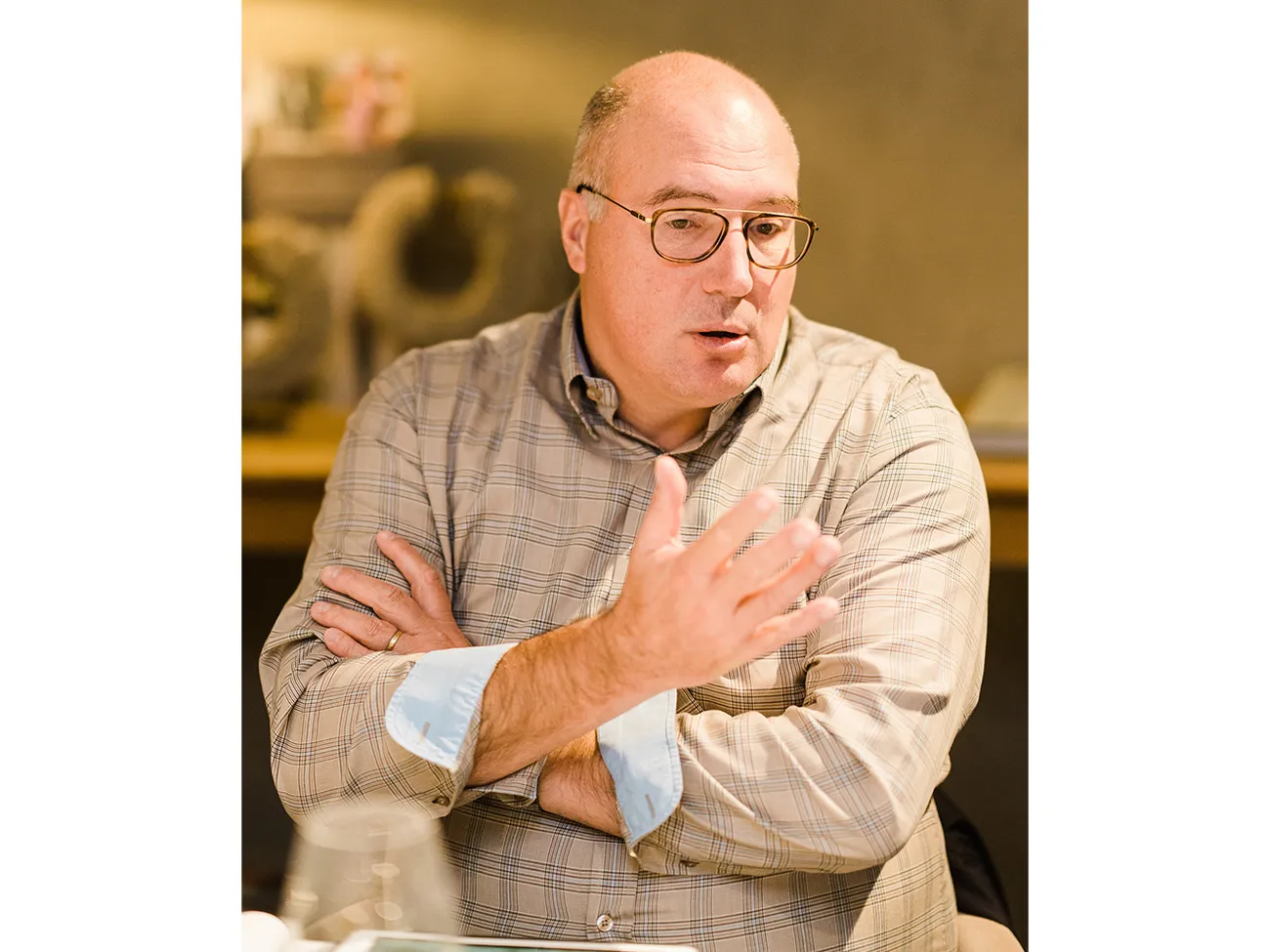
Social enterprises also face specific issues that require attention, such as abolishing the requirement for a sick note for a single day’s absence. “Our target group is prone to short absences due to illness. That is not a problem: we have a policy whereby people first contact their team leader. If short absences recur, the employment coach has a conversation with them to identify the real issue. We will probably need to step up our approach if the requirement for a sick note is abolished. That removes another safeguard. If people are ill, they should stay at home, but the real cause usually lies elsewhere,” says Tom Wauters.
Making the most of opportunities
Despite everything, the four directors remain optimistic about the future. Tim Vannieuwenhuyse sees positive developments in the labour market: “Our ambition remains to hire one employee with a disability at WAAK every day, both to replace people retiring and to bring in additional staff. We recognise that we too need to make greater efforts as a result of the war for talent. But it is very good news for people with disabilities that barriers to employment at mainstream businesses are coming down and that they have more opportunities there. We also strongly believe in the potential of the green economy, because it offers the best prospects for sustainable employment for our employees.”
Attracting new employees for support roles remains a challenge. “It’s incredible how many people still have the wrong idea about social enterprises,” says Karolien Hulsbosch. “But when you give them a tour and show them how much we resemble a mainstream business, with machines, procedures and digital applications, as well as our strong social mission, they become even more motivated. We can and should make much more of our strengths.”
Gunther Bamelis sees positive trends in closer cooperation and consolidation across the sector. “Sowepo in Poperinge sought to join ’t Veer. Together, we now form Forena Groep. This means we can share our overhead costs and IT investments, improve our support services, keep even closer track of legislation, and so on. We just need to make sure we remain a group on a human scale. I also strongly believe in working with other colleagues, through the federation Groep Maatwerk and the Vierwerk platform, where social enterprises in West Flanders share knowledge and experience. That helps us move forward.”
“The circular economy is the future. Our charity shops are already fully involved in reuse and recycling. I see plenty of potential to go further. We need to look at how we can add value to residual materials and do more upcycling,” says Tom Wauters. “By continuing to evolve, we will also be able to make our employment sustainable and perhaps diversify our range of activities even further.”
Question about this story? Ask your question
Keep following this
Get an email when a new story is published. No account needed.
- ThemeAttracting and retaining people
- SubjectGeneral







