




Belgian wines are winning hearts and awards
Text Roeland Van Den DriesscheImage Entre-Deux-Monts, Wijndomein Waes
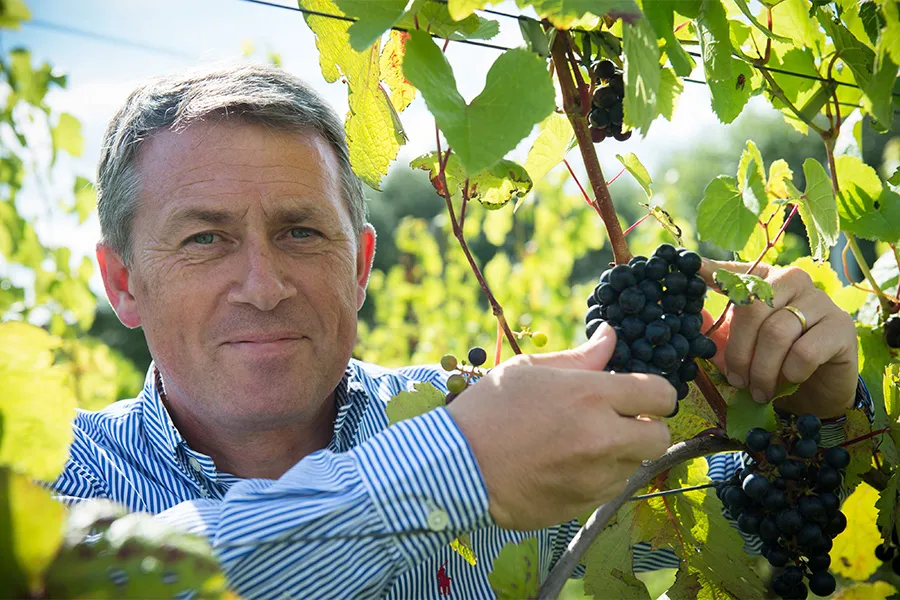
Belgian wines are on the rise. Just look at the many new estates springing up. Their rapid progress has not gone unnoticed by Gault&Millau, which has published a wine guide featuring only wines made in Belgium for the first time. “The guide is undoubtedly a mark of recognition, but we must make sure we maintain high quality,” say winegrowers Lodewijk Waes and Martin Bacquaert.
While winegrowers in southern Europe are increasingly struggling with prolonged periods of heat and drought, their Belgian counterparts are faring better and better. Climate change is creating more favourable conditions for winegrowing in Belgium. “But make no mistake, we also have to contend with extreme weather in this country. A single hailstorm can be enough to ruin part of the harvest,” says Martin Bacquart of the Entre-Deux-Monts wine estate.
Climate change is a decisive factor, agrees Lodewijk Waes, winegrower and chair of the Belgian Winegrowers’ Association: “The wines we drink today will have different flavours and aromas in the future. Wine grapes are extremely sensitive to climate, after all. That is why southern regions now produce almost exclusively wines with higher alcohol content. By contrast, our region is ideally suited to producing fresh wines. Our wines have their own character, and we need to be confident in promoting it.”

Sustainability as an added advantage
Although Belgian wine production has risen sharply in recent years, reaching three million litres in 2022, our wines still have a very small market share at home. “We do have one major disadvantage, and that is the price. Geography is one factor, as the limited size of our estates means we produce far less wine per hectare. On top of that, high labour costs and excise duties also put our sector at a disadvantage.”
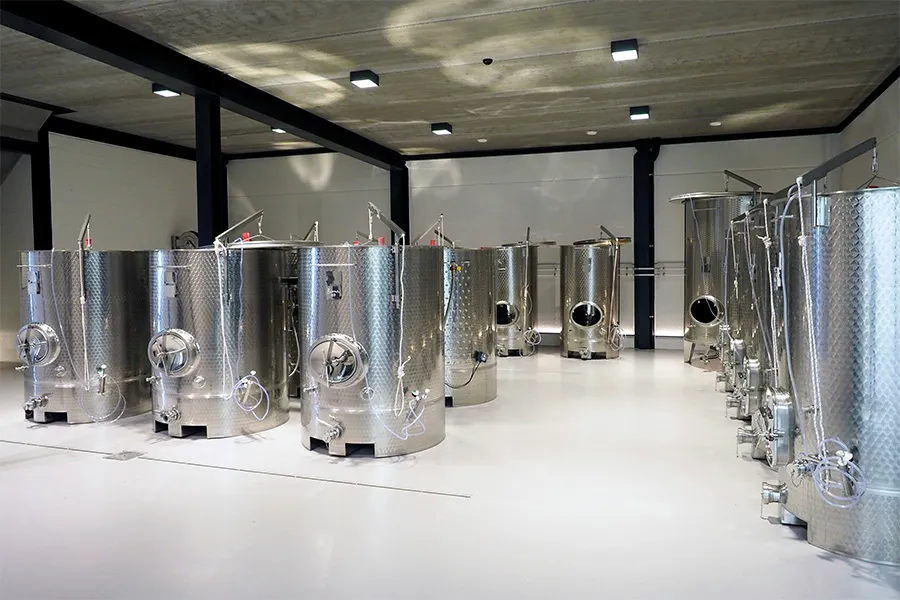
“What does work in our favour is the innovative and sustainable nature of our wines,” Martin Bacquaert continues. “Buying local reduces your ecological footprint. Many winegrowers are also investing in new techniques to keep their environmental impact as low as possible. At our own estate, for example, we have deliberately opted to bottle in lighter glass and pack the bottles in boxes made from recycled materials. This allows us to significantly reduce our carbon emissions.”
A new label
Raising awareness of all these efforts should persuade consumers to buy more Belgian wine. “There are now as many as 259 Belgian winegrowers. Although the pandemic boosted our sales figures, we need to keep our products in the spotlight. That is why we recently launched the ‘100% Belgian Wine’ label, which guarantees the origin of our wines. The major challenge remains maintaining high quality standards,” concludes Lodewijk Waes.
Question about this story? Ask your question
Keep following this
Get an email when a new story is published. No account needed.
- SubjectGeneral







