




“Behind every story is a clear strategy and a plan backed by figures”
Text Björn CrulImage Tjorven
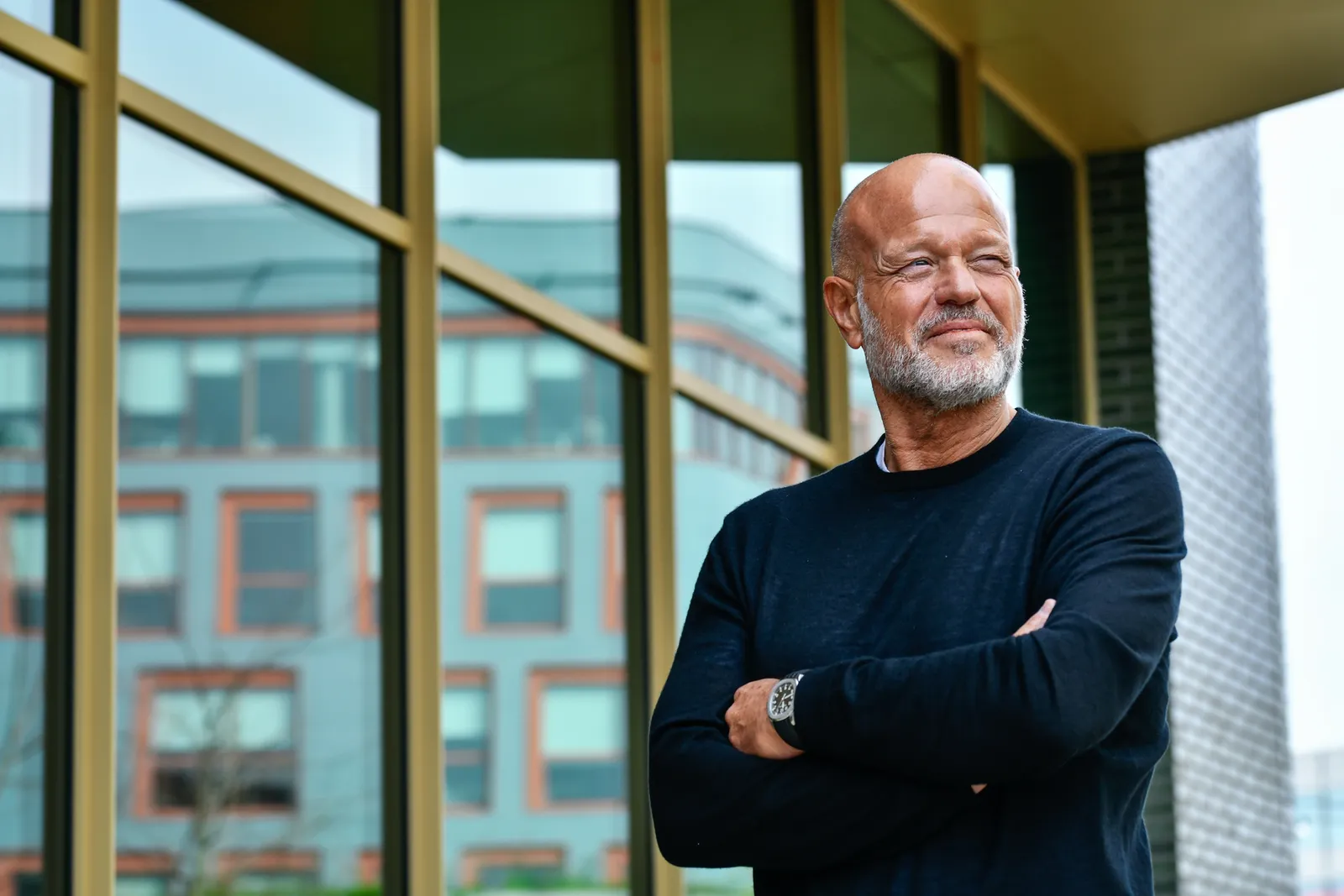
Bart Verhaeghe, chairman of Club Brugge, entrepreneur and investor
He built Club Brugge into the country’s biggest and most successful football business. As an entrepreneur and property developer, he delivered numerous real estate projects over the past few decades. He also helped establish the Itinera think tank, which provides politicians with facts and ideas. Bart Verhaeghe is now 61, but remains exceptionally driven. From lawyer to entrepreneur, investor and football club chairman: how did this Brabander with roots in West Flanders pull it off? In an in-depth interview with Business Vlaanderen, Verhaeghe is keen to talk about vision and leadership.
You have a great many roles: entrepreneur, investor and chairman of Club Brugge. How do you manage to combine them all and keep an overview?
Bart Verhaeghe: Of course, I don’t do all these things on my own. In every organisation, I can rely on a strong management team, to whom I delegate operational responsibilities. Most of them are people I’ve worked with for a long time. That’s not blind trust, but a relationship built on clear agreements. Behind every story is a clear strategy and a plan backed by figures, which we continue to monitor. Everyone knows where we’re heading. And each organisation has a handbook setting out all the arrangements for how things are run.
I keep an eye on things from the background, but stay well informed and closely involved. Every two weeks, I meet the managers of those organisations for a discussion. Sometimes 5 minutes is enough, sometimes a discussion lasts more than an hour. And I’m available to them 24/7 for anything really urgent.
As an investor, I receive proposals to take stakes every week. So we have to be very selective. I only invest in sectors I know. And if I don’t understand something, I don’t take the risk. I started my career in construction. Thanks to Luc Verelst, I was able to move into property development, and then delivered various types of projects at home and abroad: retail parks, apartments, offices, logistics facilities … Today, the only project still at its final stage is the multifunctional complex ‘Broeklin’, on the border between Vilvoorde and Machelen, where we will combine shopping, experiences and offices.
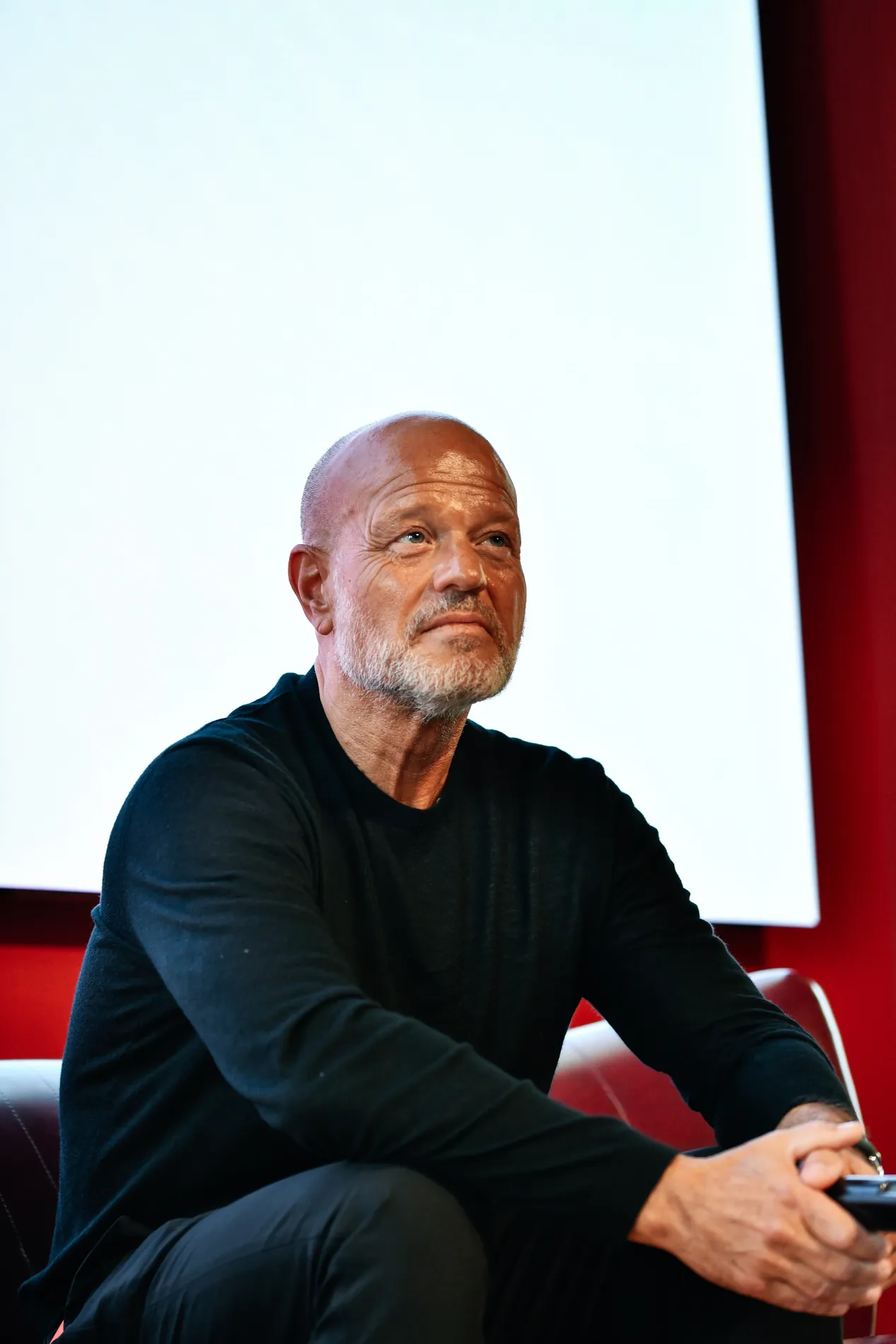
In football, you have built a success story with no equal in Belgium. Club Brugge leads the way both financially and on the pitch. How did you achieve that?
Bart Verhaeghe: When the opportunity arose to invest in Club, I did so because, after a thorough analysis, I believed there was a great story to be built there. I saw it as a long-term investment. The strategy we drew up 15 years ago has proved to be the right one, and we’re still pursuing it. Success doesn’t happen by itself. It is the result of an inspiring vision, a clear strategy and rigorous follow-up. That is the only way to achieve long-term rewards, both on the pitch and financially.
Our strategy is not to become the best or biggest club in Europe, because we never will. But we do want to be the best team in our own country and excel at what we do. That’s why we have mapped out a path to raise our sporting level in a scientifically based way. We have invested heavily in this since 2016. Today, we are the club with the richest dataset for developing a player. We have their match data, as well as DNA screening and information on their diet, hydration, sleep …
Are the players easily brought on board with this approach?
Bart Verhaeghe: A player who joins us is struck by it. And he also sees how it changes his life, physically as well as mentally. We use all the data to support and coach our players individually. Take Nicolas Tresoldi, a 21-year-old talent: look at how we’ve helped him progress in just one year from Germany’s second division to becoming a good striker in the Belgian league.
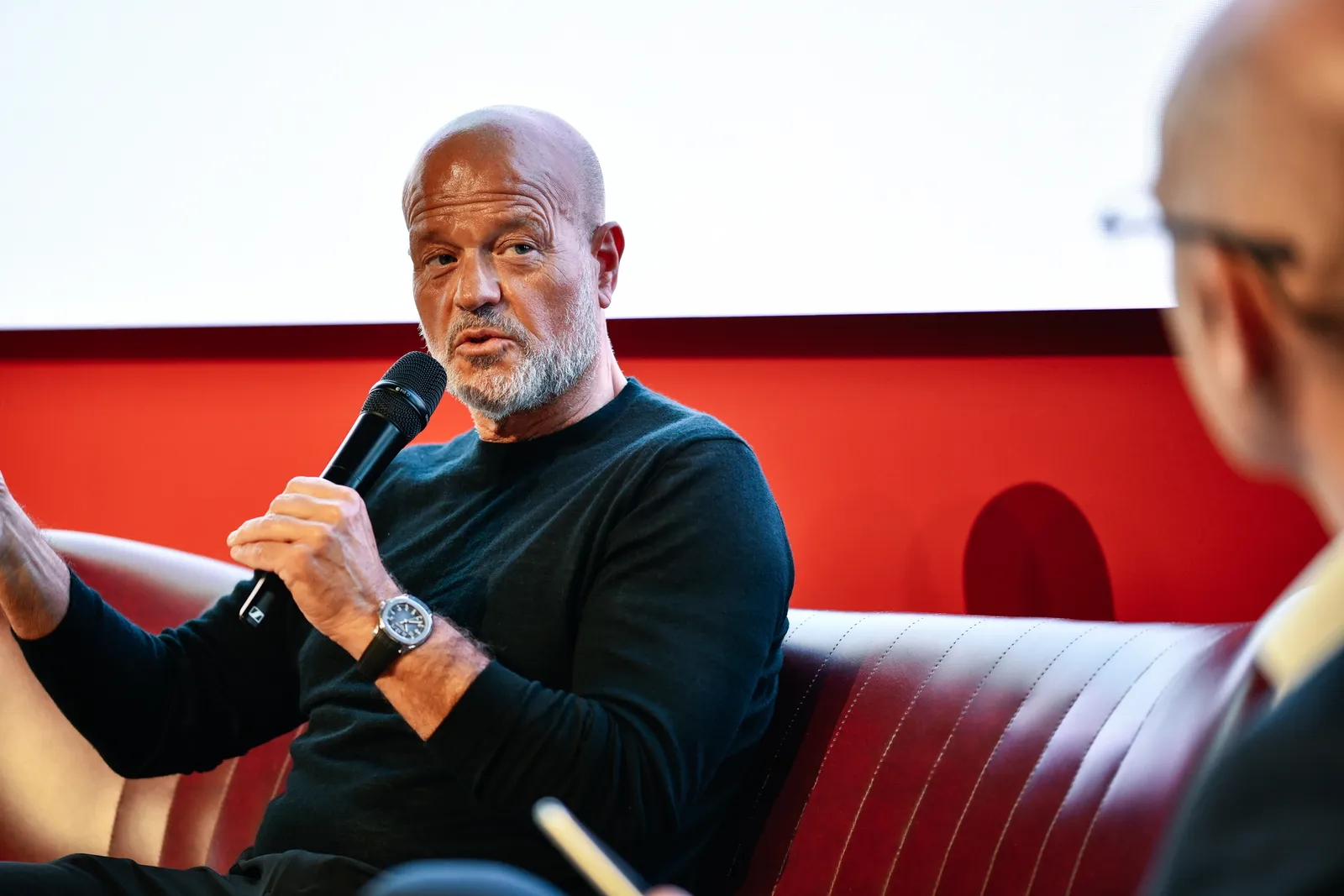
Club Brugge has become a large organisation, now with 200 employees and 24,000 season-ticket holders. How do you see the future of this football business?
Bart Verhaeghe: On the pitch, we need to continue and improve our model. We also hope to build our new stadium as soon as possible. We don’t control the timing, but a 40,000-seat stadium will certainly be a catalyst for further development. We were already a strong sporting brand, and we have now also become a media business. We have built our own media house, which now employs 15 people to distribute our content across all platforms. That will only become more important in the future, given how supporters follow a match not only in the stadium but also on their smartphones.
As an entrepreneur, you have taken many risks and have undoubtedly made some wrong decisions too. What have you learnt from your mistakes?
Bart Verhaeghe: Sometimes you make a decision too slowly, sometimes too quickly. In property, we were already thinking in the late 1990s about developing office parks with shared facilities, in response to flexible working. It turned out to be a little too early: the market wasn’t ready. Perhaps I should also have had the courage to move abroad. When Macquarie Goodman acquired Eurinpro in 2006, I was offered the chance to move to Australia and help build up the company. I didn’t dare take it. I also once considered moving to America, because property development there had great potential. But I didn’t, because of my family.
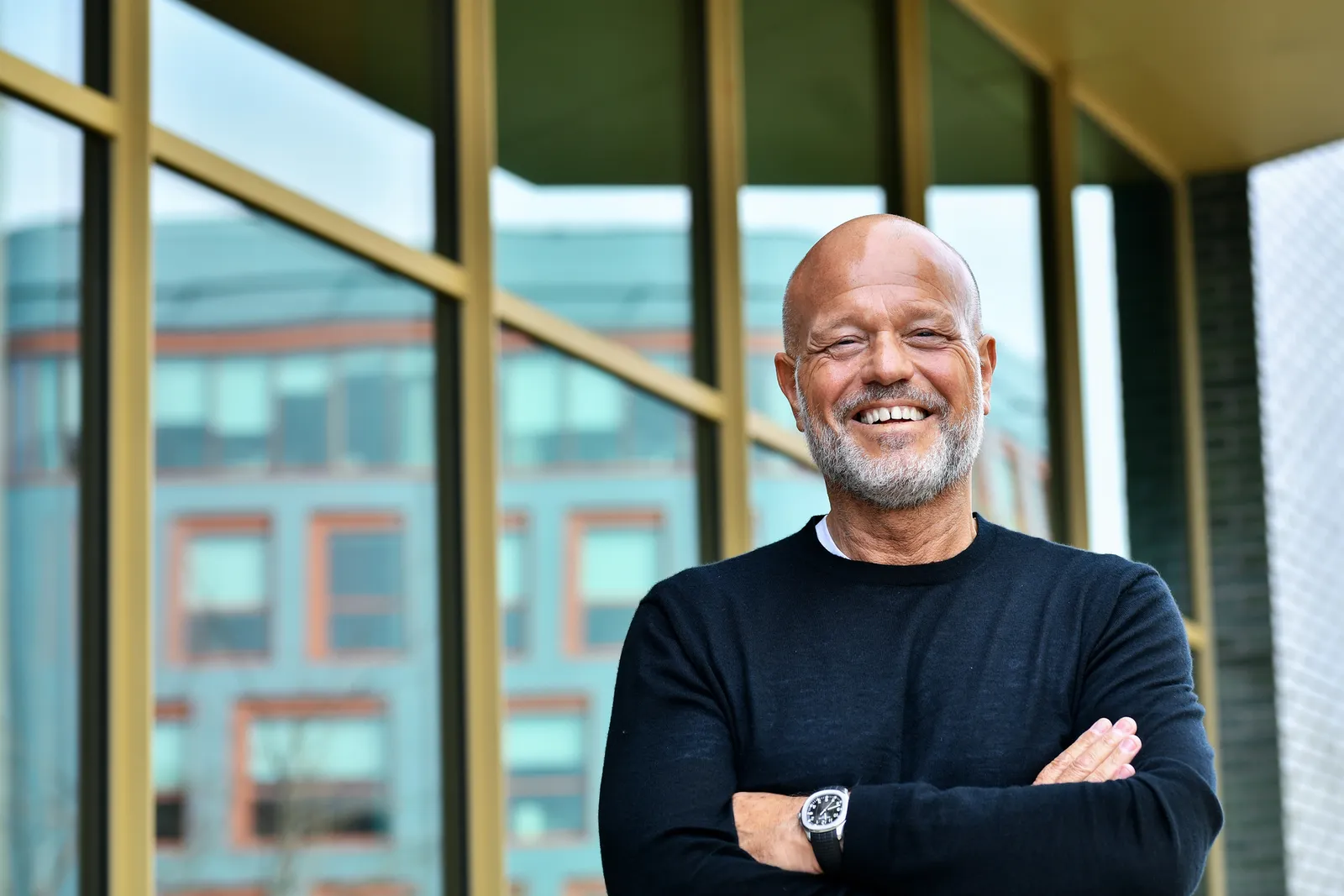
You helped found the Itinera Institute think tank. What motivated you to invest in it? What did it achieve?
Bart Verhaeghe: I wanted to bring about change. But I realise I’d make a poor politician, because things in politics move too slowly for an entrepreneur. I do think we need to protect our politicians from making bad decisions. In the past, every party had a substantial research department. Today, there is no attention for the intellectual groundwork that needs to be done. The money goes overwhelmingly on marketing. That was one reason I wanted to provide politicians with facts and figures, with ideas, through Itinera. In the end, I left. We were unable to bring about enough change or influence policy. The only consolation is that Itinera probably helped prevent a lot of foolish things by trying to take an objective view.
And what does the future hold for you personally? What would you still like to achieve?
Bart Verhaeghe: At Club Brugge, that obviously means building the new stadium and winning as many titles as possible. In property, it means delivering Broeklin, the crowning achievement of a project that will also have taken 20 years. I will continue to invest in social causes such as cancer research and the Club Brugge Foundation. And I’d like to remain active as an investor, because it stimulates me intellectually. When I see how Warren Buffet is still doing it at 95, with such knowledge and professionalism … that seems to me a fine way to grow old.
Question about this story? Ask your question
Keep following this
Get an email when a new story is published. No account needed.
- ThemeFinancial and legal decisions
- SubjectGeneral







